He scrolled through the wedding photos on his phone, one by one. Same pose in every shot: left hand in front of his mouth. "Ten years, doc. Ten years of photos like this. The crowns on my front teeth are black right at the bottom." We had a look. Porcelain-fused-to-metal crowns, done when he was young, and once his gums had pulled back a little they showed that familiar grey line along the edge. The crowns themselves? Perfectly sound, actually. The problem was that one-millimetre dark line. Everyone could see it.
Zirconia dental crowns are one of the treatments patients ask about most in the surgery these days. And the questions hardly ever change. What is zirconia, how long does it last, will you file my teeth down, is it harmful, how is it different from porcelain? Let me go through them one at a time, the way we would with you in the chair. I'll also be straight about who it's the right choice for, and for whom it's simply money down the drain.
What Is a Zirconia Crown?
Zirconium oxide is a white, extremely hard ceramic. Medicine has relied on it for years, in everything from hip replacements to implant components. In dentistry it forms either the framework or the whole of the cap that sits over a tooth (the crown). Older crowns had a metal substructure hidden under the porcelain. Zirconia has no metal at all. Light can pass through it, and that's why the crown looks so much closer to a natural tooth.

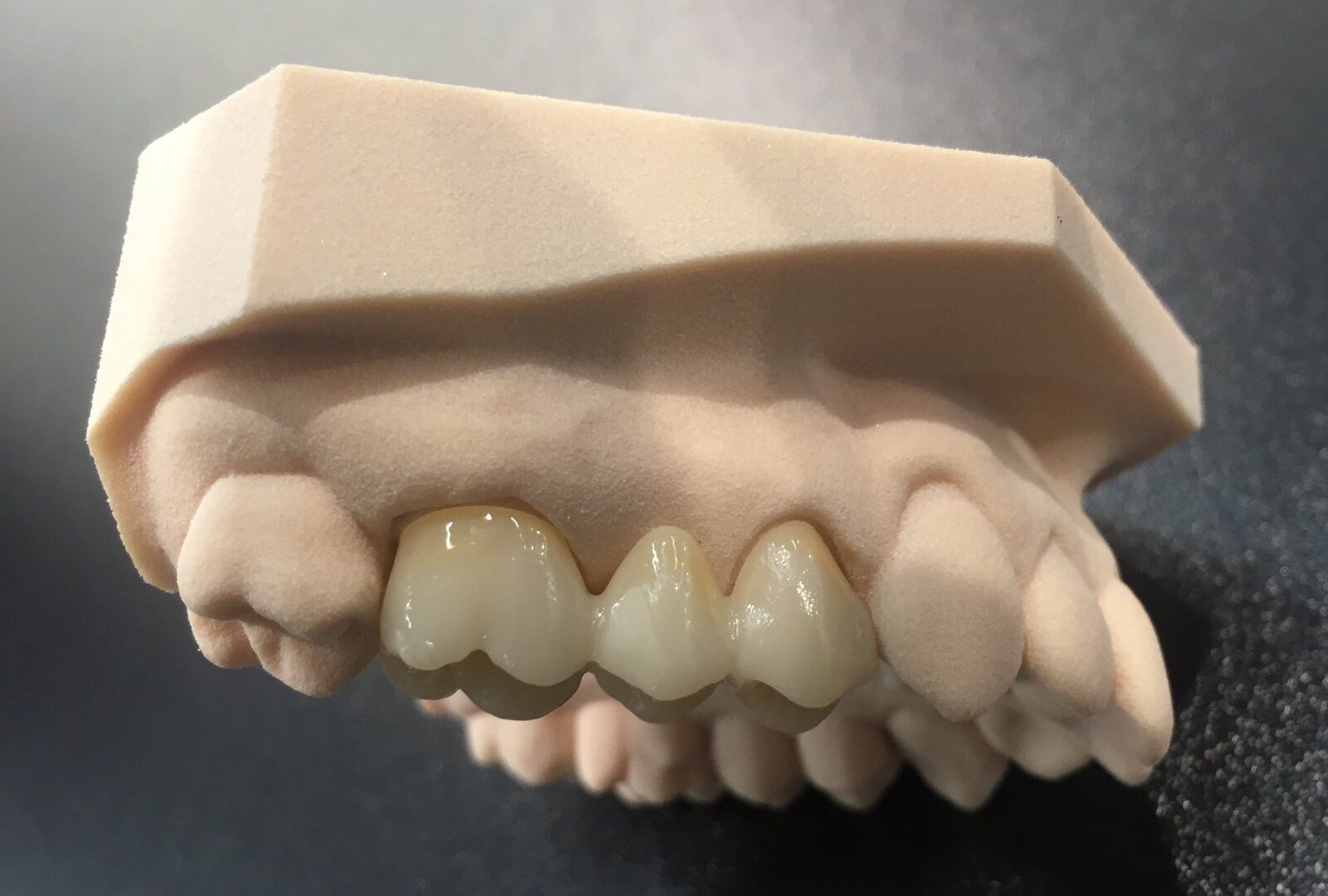
Patients call it all sorts of things: "zirconia teeth", "zirconia porcelain", "zirconia caps". Same thing every time. It can go on a single tooth, it can be a bridge that replaces a missing tooth by leaning on the neighbours, or it can sit on top of an implant.
Monolithic vs layered zirconia
Here's a subtle distinction worth knowing. Monolithic zirconia is one solid piece, milled out of a block and then stained. It's very tough, so it's ideal for back teeth and for people who clench or grind. Layered zirconia works differently: a technician builds porcelain up by hand over a zirconia core. The light plays more richly through it and front teeth can look more refined, but that porcelain layer is a little more likely to chip. The newer translucent zirconias have closed a lot of the gap between the two.
Zirconia, Porcelain-Fused-to-Metal or E.max?
This is the comparison people want most, so here it is in a quick table. Each row shows a general trend. Which one actually suits your mouth depends on where the tooth is, its colour and the way you bite.
| Feature | Zirconia | Porcelain fused to metal | Glass ceramic (e.max) |
|---|---|---|---|
| Contains metal? | No | Yes | No |
| Translucency | Medium to good | Low | Very good |
| Grey line at the gum | No | Can appear over time | No |
| Strength | Very high | High | Good |
| Where it fits well | Front and back teeth, bridges | Back teeth, long bridges | Front teeth, single crowns |
| For people who grind | Fine with a night guard | Porcelain may chip | Choose with care |
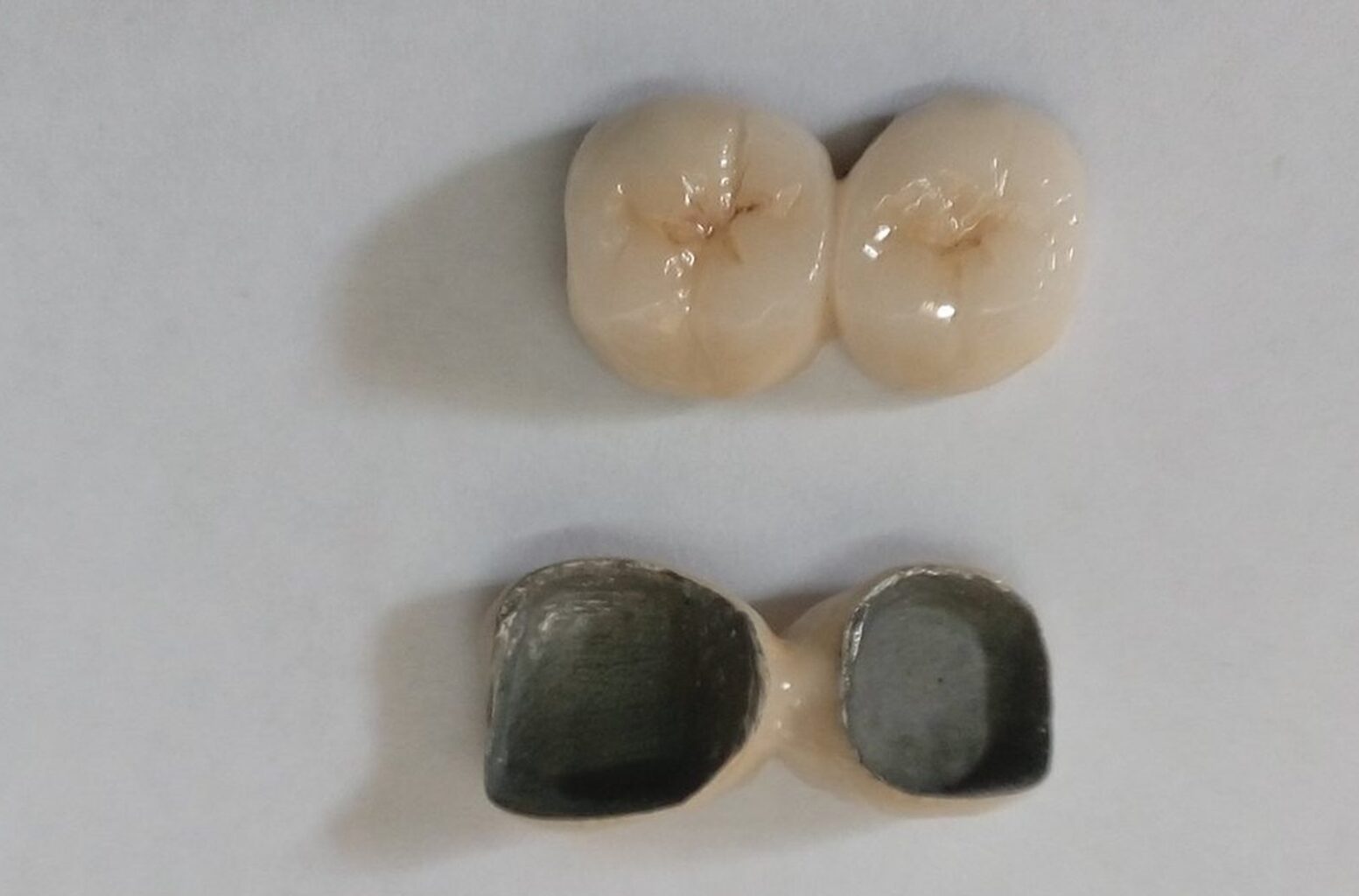
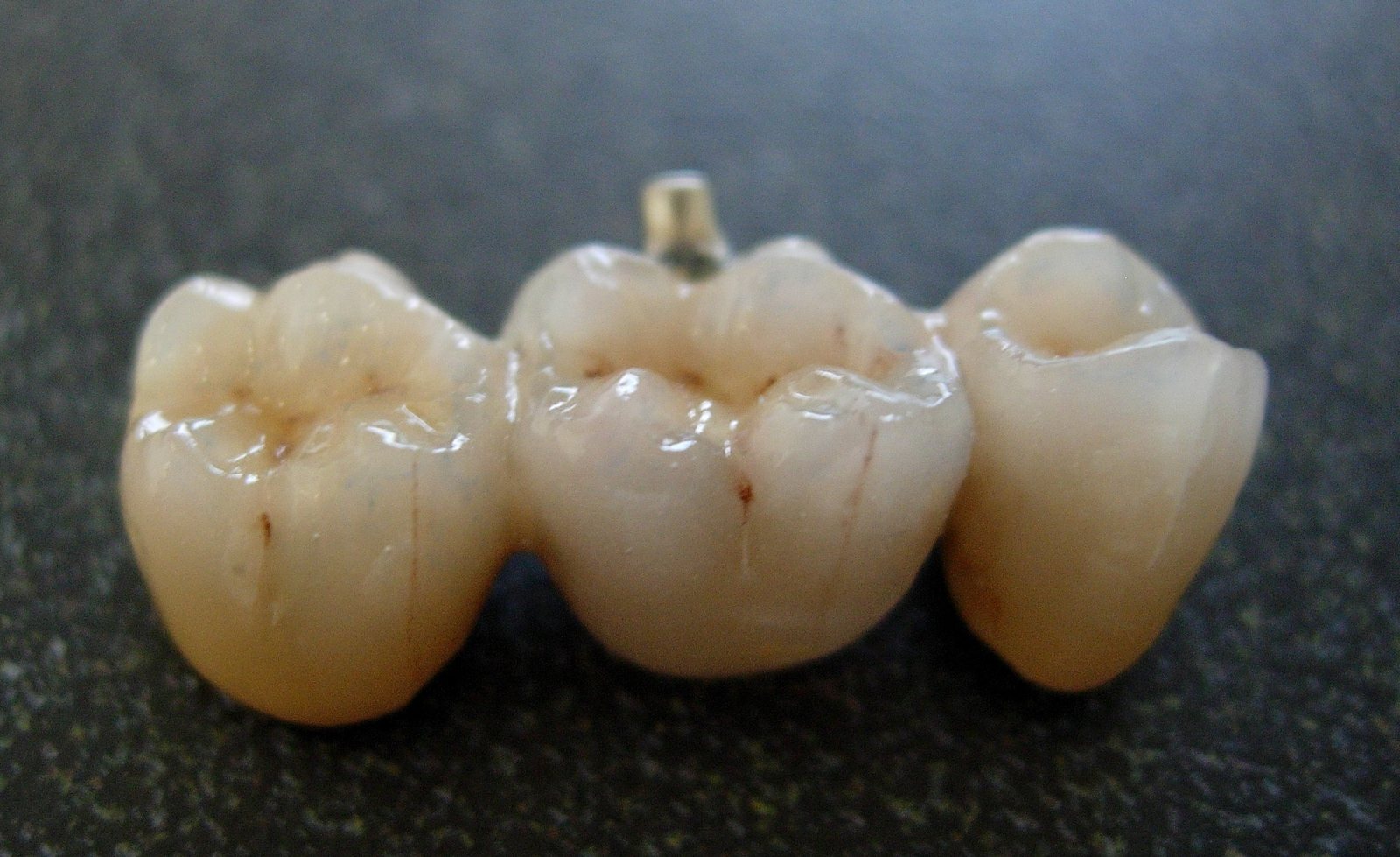
In short: for a single front tooth, the most natural look usually comes from a glass ceramic crown. Need a bridge? Working on back teeth? Someone who clenches at night? That's where zirconia comes into its own. Porcelain fused to metal is still a perfectly valid option today, especially for long bridges. It just isn't our first pick where looks really matter.
Who Should Get Zirconia Crowns, and Who Shouldn't?
Zirconia is a lovely material, but it isn't the answer for every tooth. These are the typical situations where we'd suggest a crown:
- Teeth with big fillings whose walls have thinned out and could crack.
- Molars that have had root canal treatment and lost a lot of structure.
- Broken, worn or oddly shaped teeth.
- Replacing old metal-backed crowns.
- Filling a gap with a bridge or a crown on an implant.
- Heavy staining from inside the tooth that won't budge with whitening.
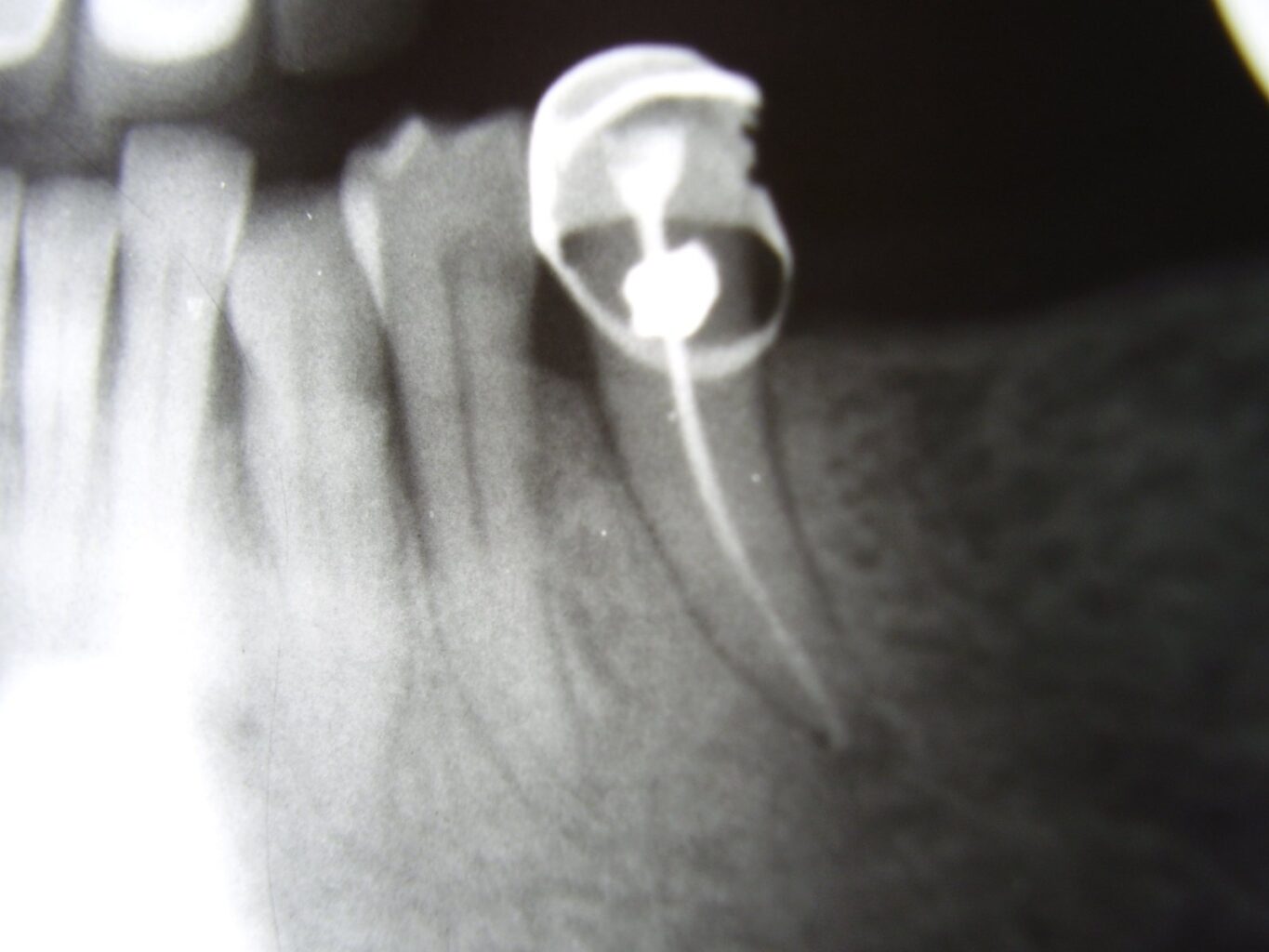
Now for the honest bit. We regularly meet young people who want 20 healthy, unfilled teeth crowned in one go, just because they're a bit yellow. They want the dazzling smile they saw on social media. With teeth like that, the first conversation is about teeth whitening, and if the shape is the problem, porcelain veneers, which take away far less tooth. A tooth that's been prepared for a crown never goes back to how it was. You should know that before you decide.
If the gums are actively inflamed, we start with gum treatment. An impression taken over bleeding, swollen gum will be off, and the crown edge ends up either exposed or rubbing the gum. We don't rush very young patients either, whose teeth haven't fully come through and whose nerve chamber is still large.
How Are Zirconia Crowns Made? Step by Step
1. Examination, X-rays and shade selection
First we look at X-rays of the teeth and roots. Decay underneath, an infected root, gums that need treating: whatever it is gets sorted before any crown goes on. Then the shade. Ideally we pick it in daylight, with no make-up and freshly brushed teeth. A shade chosen under fluorescent light can look quite different out on the street.
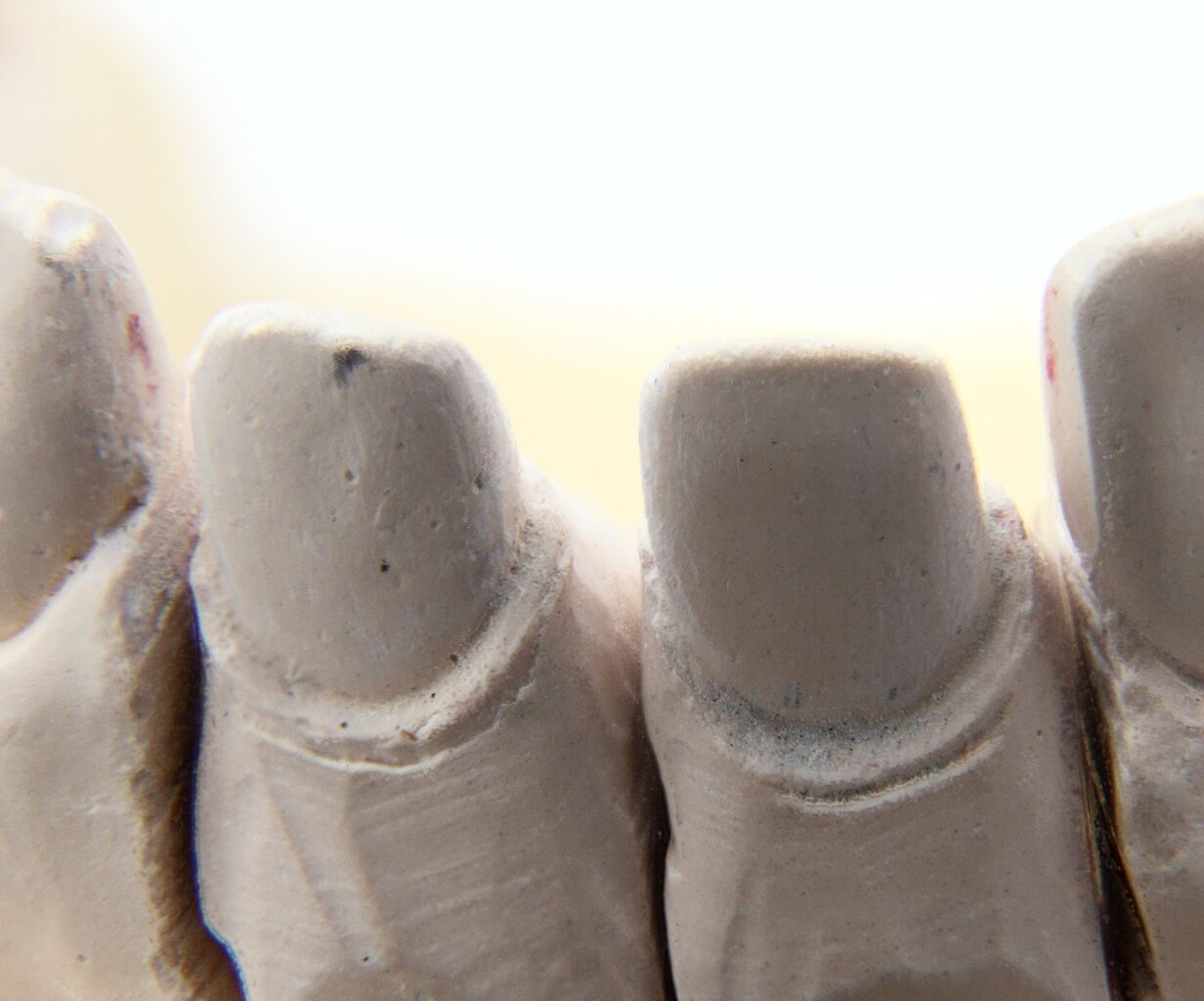
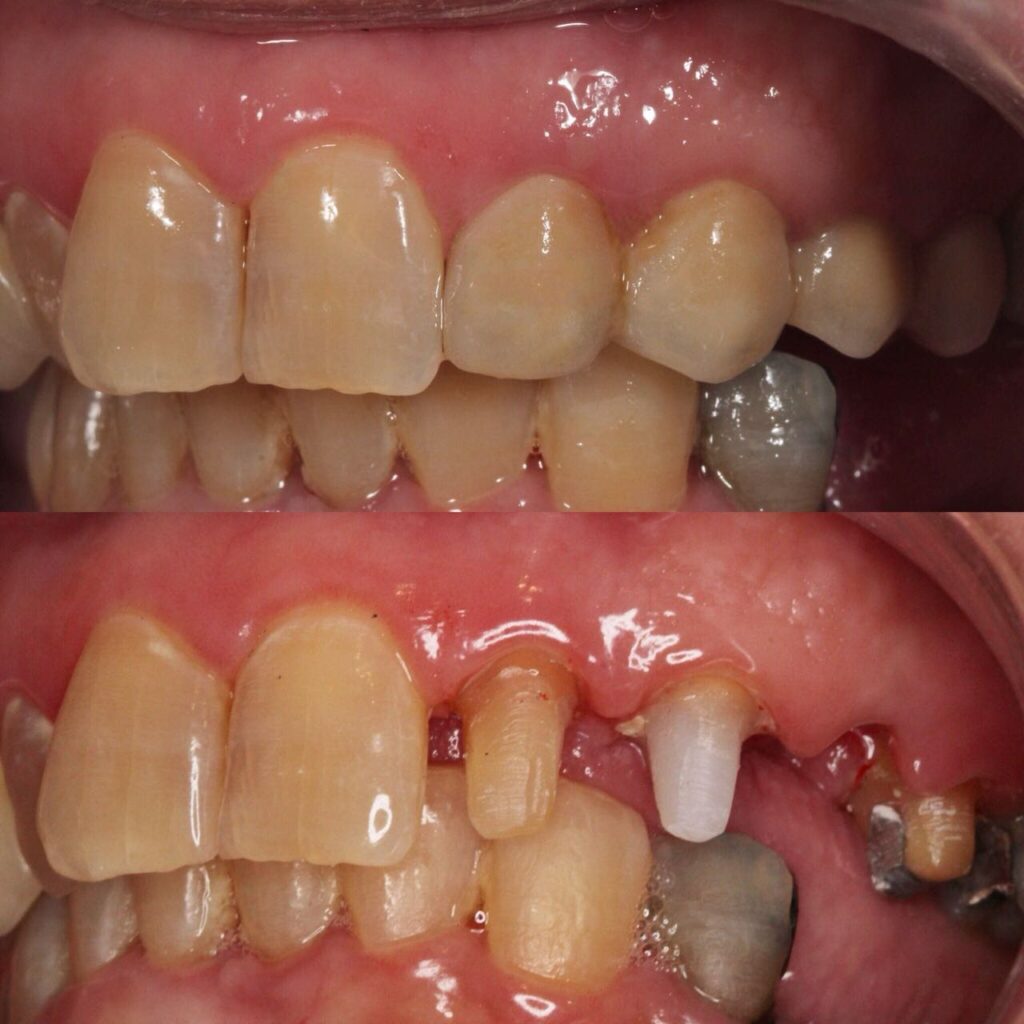
2. Tooth preparation: do they file your teeth down?
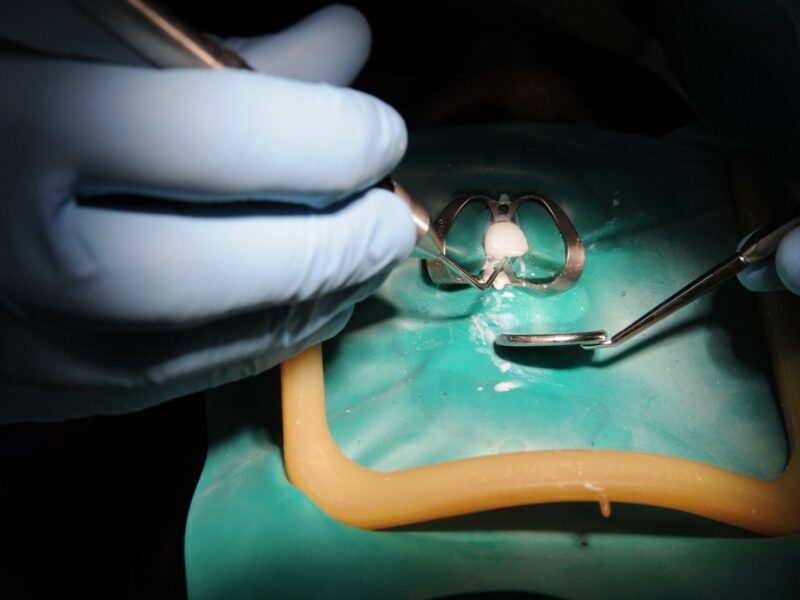
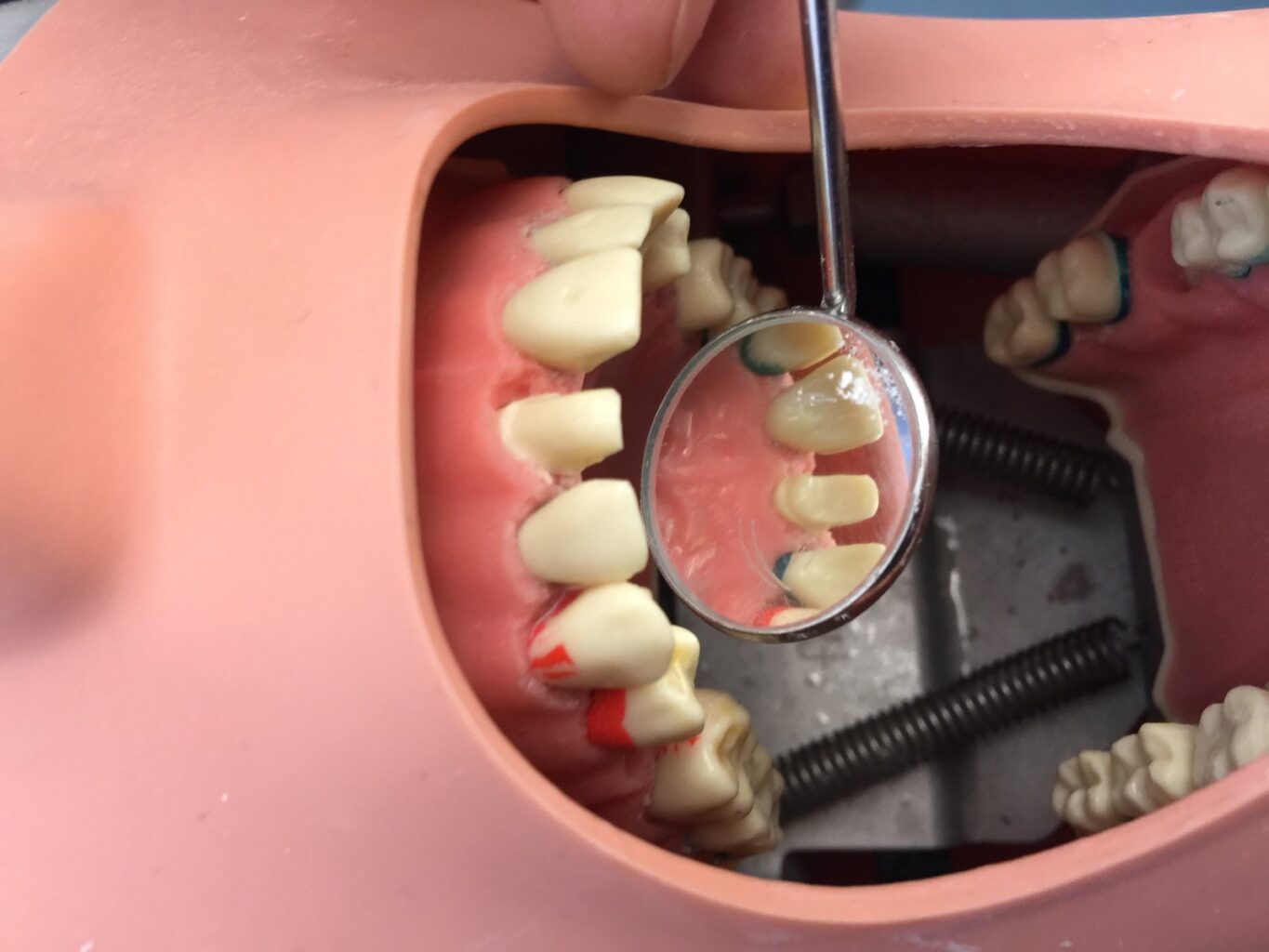
Yes, they do. To make room for the crown, roughly 1 to 1.5 millimetres is taken off around the tooth. It's done under local anaesthetic, and all you really feel is vibration and water. Some people ask, half terrified, "Are you going to turn my teeth into little pegs?" What I tell them is this: with modern preparation the tooth gets smaller, but it keeps its shape. No pegs.
3. Impressions: traditional or digital
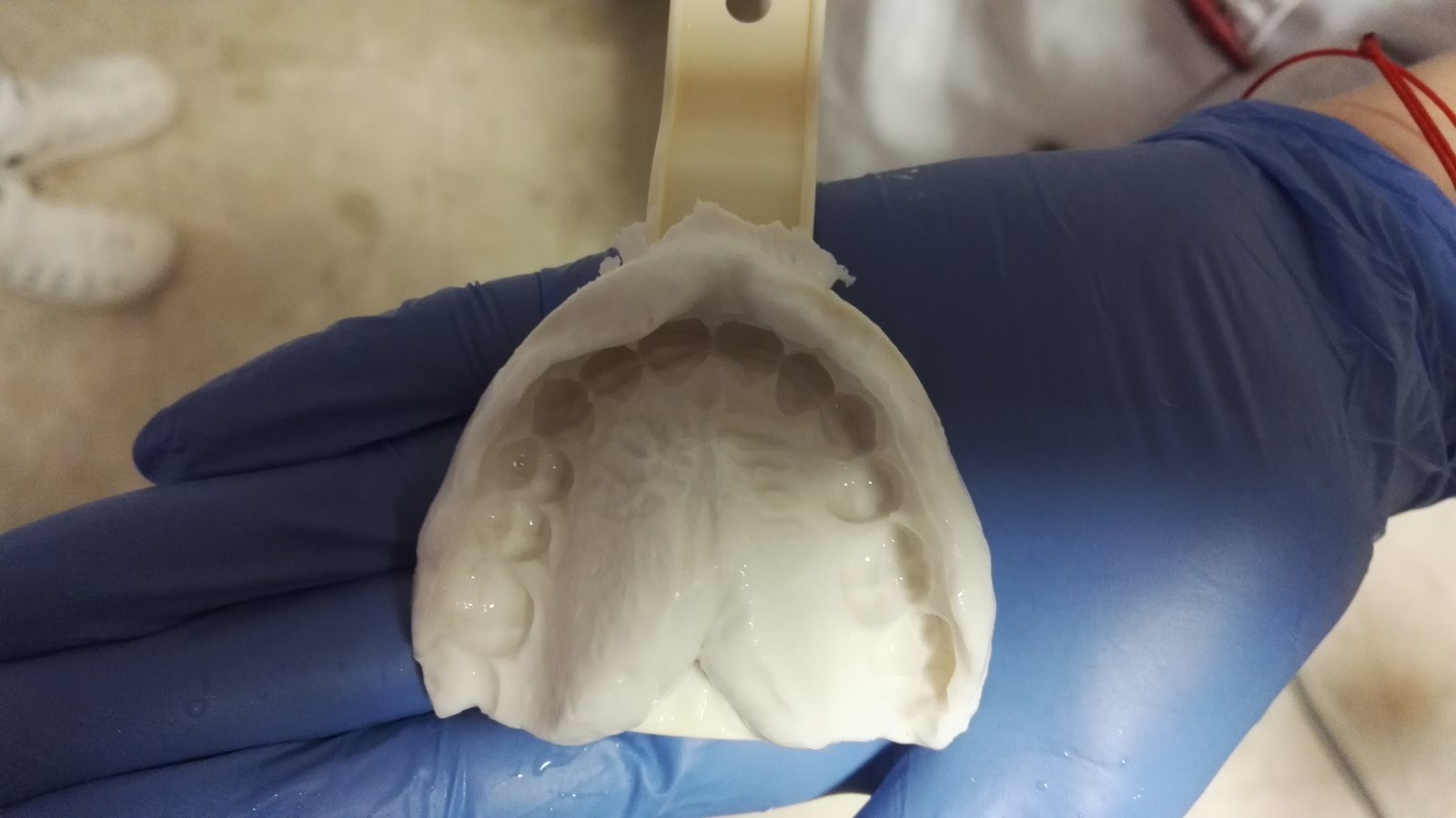
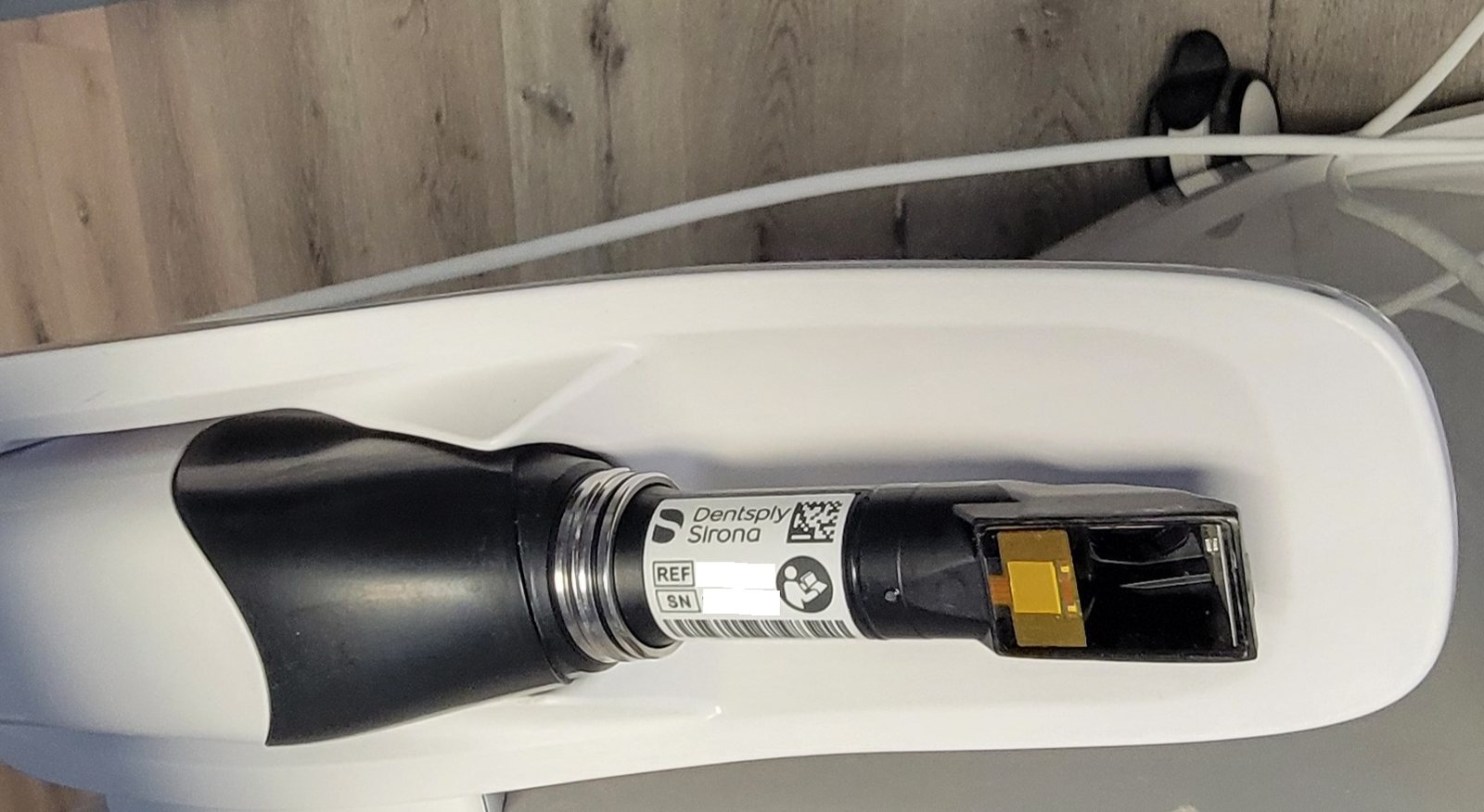
With the traditional method, a tray full of silicone impression material sits in your mouth for a few minutes. Anyone with a strong gag reflex hates this bit. With the digital method, an intraoral scanner sends a 3D image of your teeth to the computer in a matter of seconds. Both work well. What matters is that the impression picks up the gum margin cleanly.
Temporary crowns go on in the same appointment, right after the impression. Nobody leaves the clinic with filed-down teeth on show. The temporaries only need to last a few days; just keep away from anything sticky or hard.
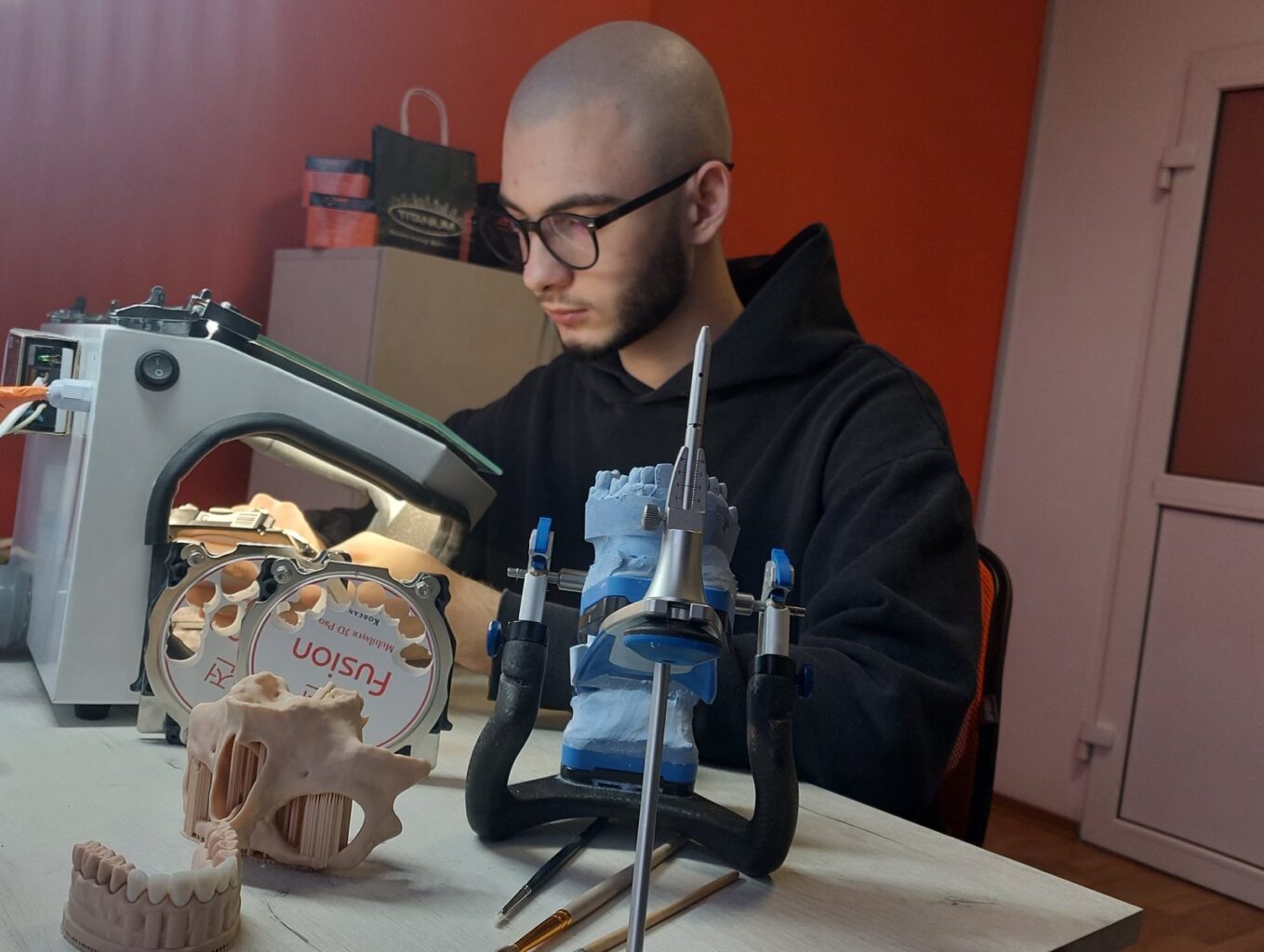
4. The lab: design, milling, firing
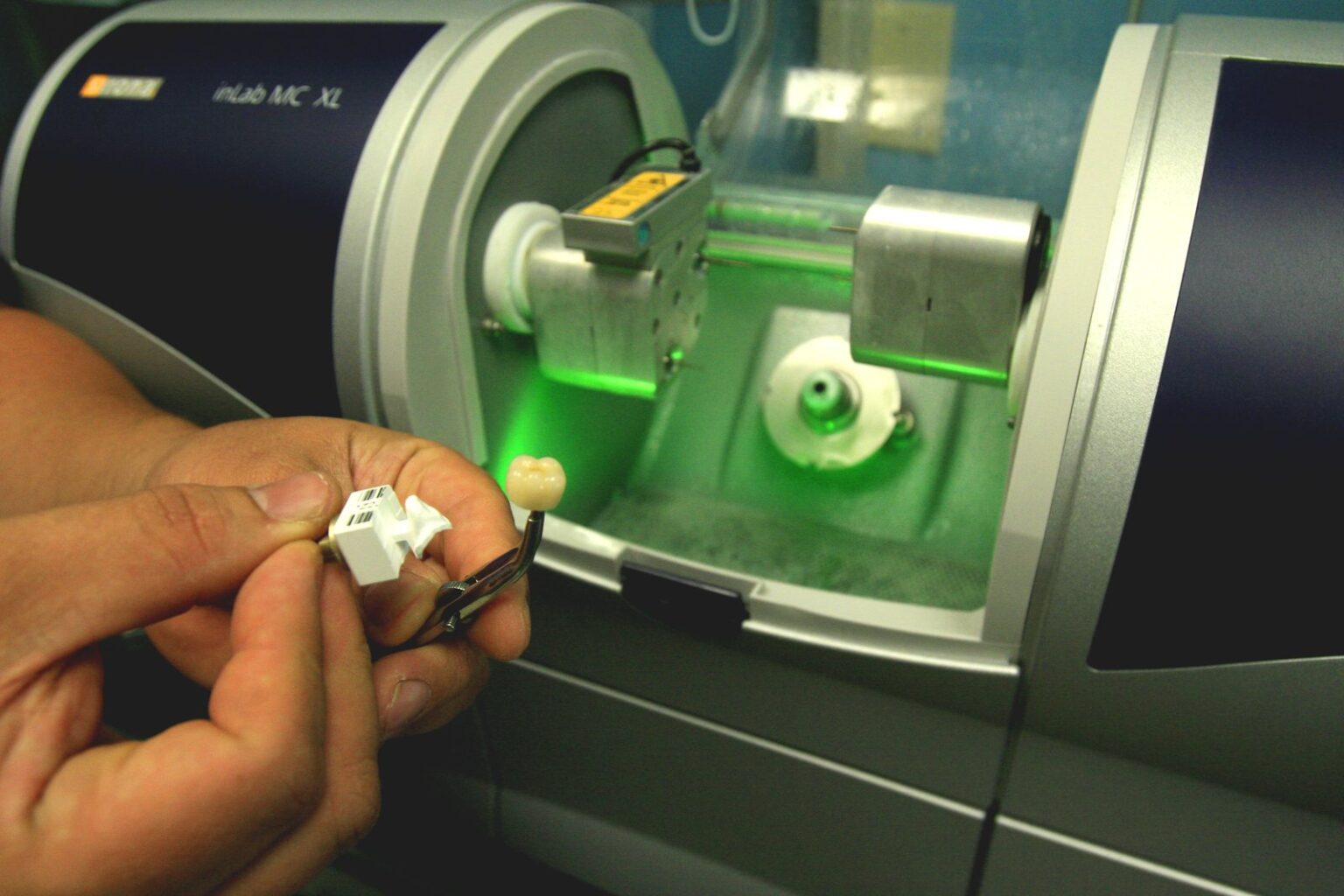
The crown is designed on a computer, milled out of a zirconia block and fired at high temperature (sintering). During this stage the material shrinks slightly and reaches its full hardness. Then comes the artistic part. The technician adds the shade transitions, the faint translucency at the biting edge and the fine surface texture by hand. More often than not, those finishing touches are what make a good crown impossible to spot in a photo.
5. Try-in and cementation
We try the crowns in your mouth. Shade, length, bite, the way your "s" sounds when you talk... We look at all of it together. This is the moment we hand you the mirror and ask, "Anything you're not happy with?" Please, say so. Changing things once they're cemented is far harder. When everything sits right, the crowns are bonded in permanently with a special cement.
How many days does a zirconia crown take?
If there's no underlying problem to treat first, the whole thing usually takes about a week, over two or three appointments. For patients coming in from another city or from abroad, we plan the visits so they fit into that week. If you need root canal treatment, gum treatment or an implant, the timeline naturally stretches.
How Long Do Zirconia Crowns Last?
Zirconia crowns that are well planned, fit snugly at the edges and get looked after properly stay in the mouth for 10 to 15 years in our experience, often a good deal longer. But let me tell you a secret. A zirconia crown rarely wears out on its own. What gives up is usually the tooth underneath. Decay creeping in at the edge of the crown, or gums that recede, are the real reasons a crown ends up being replaced. So it's less about the material and more about your toothbrush and your floss.
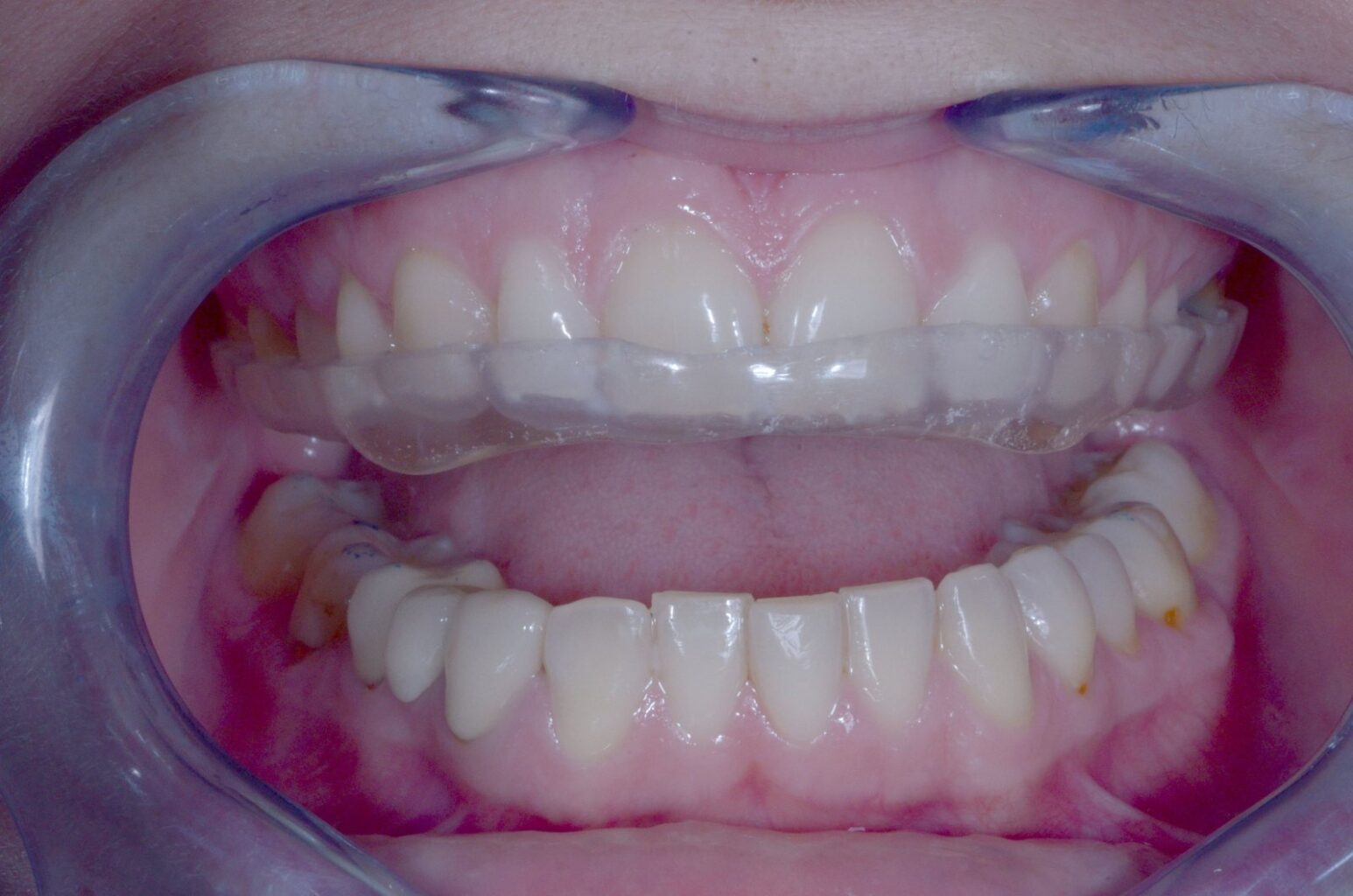
The habits that cut their life short are no mystery either. Cracking nuts with your teeth. Prising bottle tops off. Chewing pens, biting nails. Clenching at night without even knowing it. That last one is a big deal: if you clench, a clear night guard protects both the crowns and the teeth they bite against.
Are Zirconia Crowns Harmful?
The material itself is kind to the body. There's no metal in it, so no metal allergy, no metallic taste, no bluish tinge at the gum. Need an MRI scan? Your crowns won't get in the way. Most of what people mean by "harm" doesn't come from the material at all. It comes from how the work is done. Let me spell it out:
- Tooth preparation can't be undone. That's exactly why healthy teeth shouldn't be crowned for no good reason.
- Temporary sensitivity. Teeth with a live nerve may be touchy with cold for the first few days. It usually settles by itself.
- Nerve reaction. In live teeth that were prepared very deeply or already had large fillings, the nerve can occasionally become inflamed and need root canal treatment.
- Poor-fitting edge. A crown with an overhanging or open edge sets the scene for bleeding gums, bad breath and decay.
- Rough surface. Zirconia that hasn't been polished properly can wear down the tooth it bites against. On a well-polished surface, that risk is very low.
A separate note if your gums are receding: the edge of the crown is tucked just under the gum line. If the gum shrinks back over the years, that edge can come into view. With zirconia it's white, not grey. Still, it pays to know what causes receding gums so you can head it off.
Caring for Zirconia Crowns
On the day they go in, don't eat until the numbness wears off. After that, anything goes. For the first few days chewing feels like "there's something new in there", but your tongue gets used to the new shape quickly. If one spot feels high when you bite, don't sit on it. Come back within the week; a five-minute adjustment sorts it out.
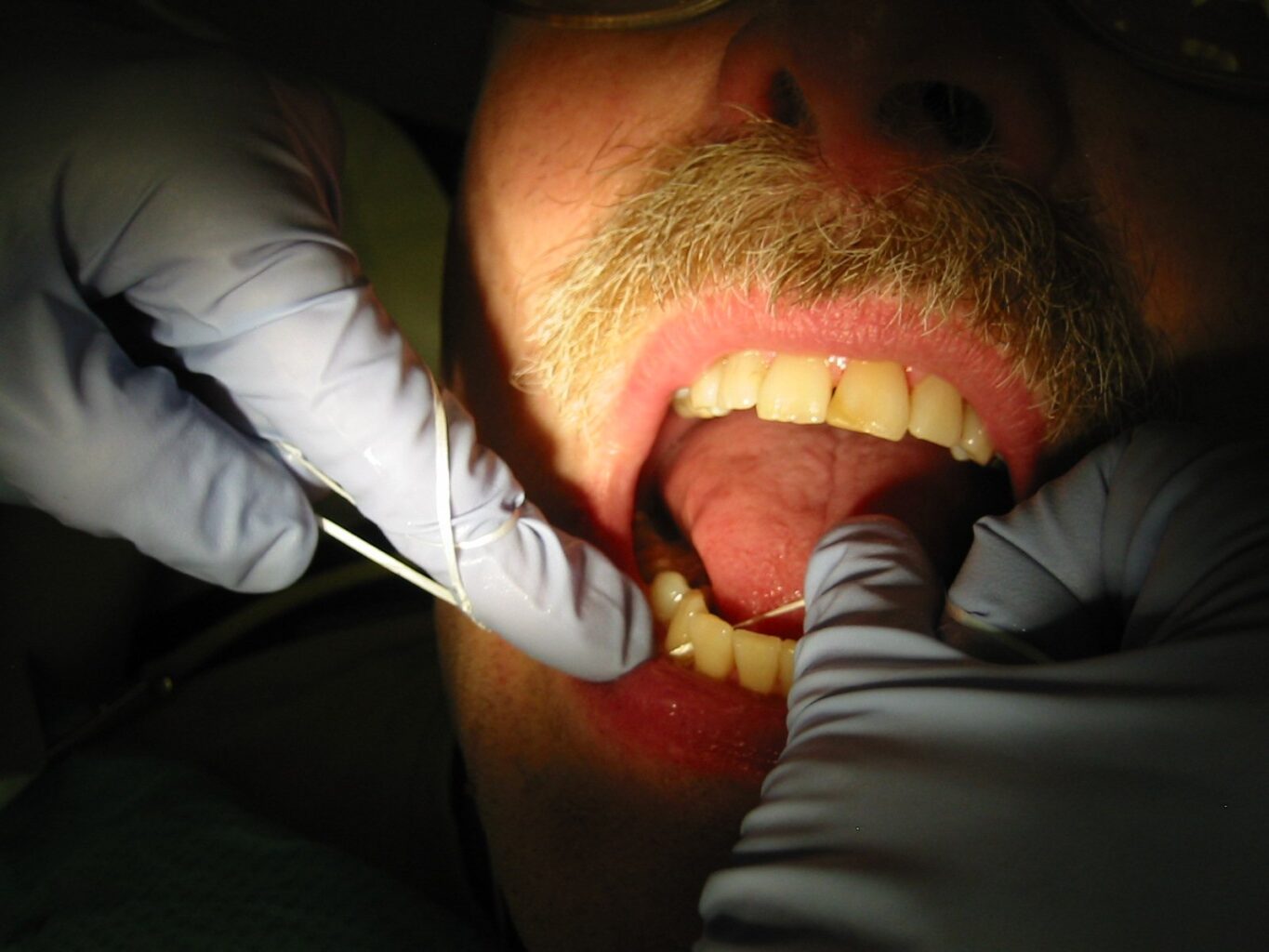
Day-to-day care is no different from natural teeth. If anything, be a little fussier. A soft brush twice a day, floss in the evening, and if you have a bridge, an interdental brush or a water flosser to clean underneath it. A check-up and a scale and polish every six months. And if your gums bleed, don't brush it off; we explain why it happens in our article on bleeding gums.
One more thing, about whitening. Zirconia crowns don't change colour, and whitening won't lighten them. Thinking of whitening your other teeth? Then flip the order. Whiten first, let the shade settle for two weeks, and only then choose the colour of the crown.
Questions to Ask Your Dentist Before Getting Zirconia Crowns
Don't walk out of the consultation still scratching your head. We give our patients a short list and tell them not to decide until they have asked every question on it. A good dentist won't mind in the slightest. Quite the opposite.
- Does this tooth really need a crown, or would a filling, a veneer or whitening be enough?
- How many teeth, and why? Has the reason for each one been explained separately?
- Do any teeth need root canal, gum or decay treatment before the crowns?
- Monolithic or layered, and why is that the right choice for my teeth?
- How will the shade be chosen, and can I ask for changes at the try-in?
- Do I grind my teeth at night, and do I need a night guard?
- How often are the check-ups, and who do I call if something goes wrong with a crown?
Let me add one thing. Be wary of quick promises like "20 teeth in one session". The time spent on impressions, try-ins and adjustments is the time that decides how your crowns will look ten years from now. When things are rushed, the first casualty is usually the gum margin. And that's a place that doesn't forgive.
Zirconia crowns on implants
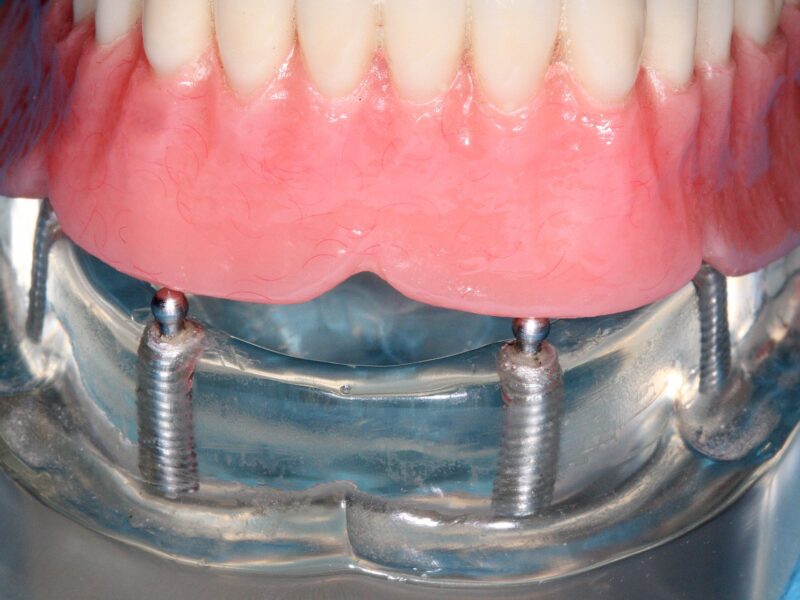
The crown that goes on an implant is usually zirconia too. Here it doesn't sit on a natural tooth but on the connecting piece attached to the implant. No tooth to prepare, no risk of decay. Gum and bone health still need guarding just as carefully, though. You'll find the details of the implant process on our dental implant treatment page.
Single Crown, Bridge or Smile Makeover?
One broken tooth? One crown does the job. If a tooth is missing, there are two options on the table: crown the neighbouring teeth and close the gap with a bridge, or place an implant in the gap and put a zirconia crown on top. When the neighbours are healthy, we usually lean towards the implant so we don't have to file them down. We weigh up the finer points of that decision in our article implant or bridge.
Want to change the colour, length and line-up of your front teeth all at once? Then we're no longer talking about single crowns. That gets planned as a smile makeover. The plan takes into account the proportions of your face, your lip line and how much gum shows when you smile. Which tooth gets zirconia, which a veneer, which just needs whitening: it all falls into place within the same plan.
And our man with the wedding photos? The old crowns came off, two teeth needed root canal treatment, and then his six front teeth got zirconia crowns. At his check-up he held his phone out to me again. This time it was a photo from a family dinner. His hand was resting on the table. If you're thinking about zirconia crowns, or wondering whether your old crowns need replacing, get in touch with us to book an examination at our Haliç or Pendik clinic in Istanbul; we'll go through the options for your mouth together, with your X-rays in front of us. There's more about the treatment on our zirconia crowns page.
Some teeth need nerve treatment before they can take a zirconia crown, so we answered how many visits a root canal takes and what recovery feels like in its own article.
Frequently Asked Questions
How long do zirconia crowns last?
Well-planned zirconia crowns that are looked after properly last 10 to 15 years or longer in most patients. What decides their lifespan most is the health of the tooth and gum underneath; if decay or gum recession develops at the edge, the crown may need replacing. It varies from person to person.
Do they file your teeth down for zirconia crowns?
Yes. Around 1 to 1.5 millimetres is removed from around the tooth to make room for the crown. It is done under local anaesthetic, so you feel no pain. Because a prepared tooth can never go back to how it was, crowns are not recommended for healthy teeth without a good reason.
Are zirconia crowns harmful?
Zirconia is a metal-free ceramic that the body tolerates well; it does not cause metal allergy, a metallic taste or a bluish tinge at the gum. Possible problems come from the treatment rather than the material: irreversible tooth preparation, temporary sensitivity in the first days, an occasional nerve reaction, and gum inflammation around poorly fitting crowns.
How many days does it take to get zirconia crowns?
If there is no underlying problem that needs treating first, zirconia crowns are usually finished in about a week, over two or three appointments. If root canal treatment, gum treatment or an implant is needed, it takes longer.
Zirconia or porcelain: which is better?
There is no single right answer. Zirconia contains no metal, so it leaves no grey line at the gum, and it is very strong; it stands out for bridges, back teeth and people who grind. For a single front tooth, glass ceramic can offer more translucency. Porcelain fused to metal is still used for long bridges. The choice is made at the examination, based on where the tooth is and how you bite.
Do zirconia crowns hurt?
The tooth is prepared under local anaesthetic, so there is no pain during the procedure. Teeth with a live nerve may be slightly sensitive to cold for the first few days, and this usually settles on its own.
Do zirconia crowns change colour?
No. Tea, coffee and smoking do not stain zirconia crowns, and whitening will not lighten them either. If your other teeth are going to be whitened, the whitening is done first and the crown shade is chosen once the colour has settled.
Can you put a zirconia crown on a root canal treated tooth?
Yes. Teeth that have had root canal treatment and lost a lot of structure are prone to fracture, so they are often protected with a crown. If needed, a post or a strengthening core filling is placed inside the tooth before the crown.