A photo landed on WhatsApp at 23:40. A woman from Düsseldorf, forty-two. Old fillings on her front teeth, yellowed with the years, and a gap on the lower left. Under the photo, one line: "I've got five days off. Is that enough for a Hollywood smile?"
We get this message, give or take a few words, several times a week. Sometimes from London, sometimes Rotterdam, sometimes Riyadh. And our reply always starts in the same slightly annoying place: "Could you send us a panoramic X-ray first?" Because a photo can't tell you what's possible in five days and what isn't. The bone tells you. So do the gums.
Dental treatment in Turkey has become the busiest door into health tourism over the last few years, and every week we see patients from abroad at our clinics on the Golden Horn (Haliç) and in Pendik. So which procedures are actually done here, how long do you need to stay, and what should you look for in a clinic? I'll tell you the way I would in the chair. No brochure talk, and yes, the annoying bits are included.
What Is Health Tourism, and Where Does Dental Work Fit In?
Health tourism simply means travelling outside your own country, on purpose and with a plan, to get treated. In dentistry that mostly means implants, zirconia crowns, porcelain veneers and smile design: work that can be finished in a few days or over two separate visits. Turkey is one of the most popular places in the world for it.
Now, the numbers. Handle them with a bit of care. According to USHAŞ, the state-owned International Health Services company, Turkey treated around 1.5 million international patients in 2024 and around 1.4 million in 2025, and in the first three months of 2026 the figure had already passed 302,000. But those are totals across every specialty. Nobody publishes a separate official figure for dentistry. So when you hear lines like "half a million dental patients a year" floating around the industry, take them with a pinch of salt.
The change that really matters isn't in the numbers, it's in the rules. Since the Regulation on International Health Tourism and Tourist Health came into force on 26 April 2025, every healthcare facility and every agency that accepts foreign patients has to hold an authorisation certificate from the Turkish Ministry of Health. Registration and inspections run through the HealthTürkiye portal. Hang on to that detail. It's the answer to the first question you'll be asking clinics further down.

The Most Common Dental Treatments in Turkey
Look at what patients from abroad ask for and the list barely changes. I've put it in order of how often we see each one in the surgery. Not a scientific ranking, just one dentist's notebook.
Dental implants
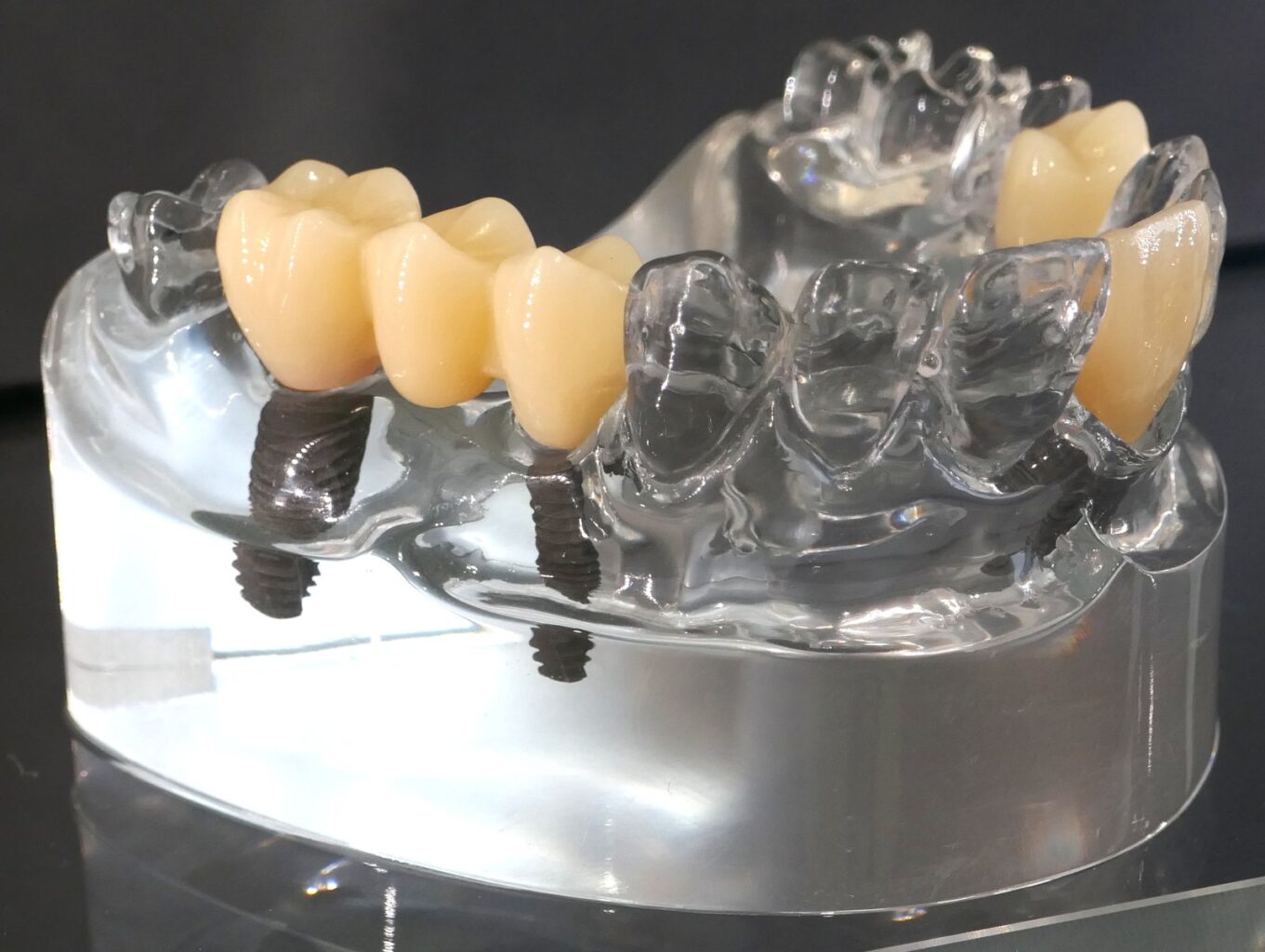
One missing tooth or several, this is the treatment people ask about most. An implant is a small titanium screw placed in the jawbone; a crown or bridge goes on top of it later. The surgical part usually takes somewhere between half an hour and an hour, under local anaesthetic. The real waiting happens in the bone: for the implant to fuse with it takes two to three months in the lower jaw as a rule, and three to six in the upper.
Which means that, for a dental tourist, implants almost always mean two trips. On the first, the implant goes in. On the second, the permanent tooth goes on top. To everyone who says "let's just get it all done in one go", let me be straight with you: in some cases a temporary tooth can be fitted the same day, but the permanent one still needs a stretch of patience. We've gone into the details in what a dental implant is and how it's placed, and if you're torn between a bridge and an implant for a gap, our implant or bridge piece should help.
All-on-4 and All-on-6: full-arch solutions
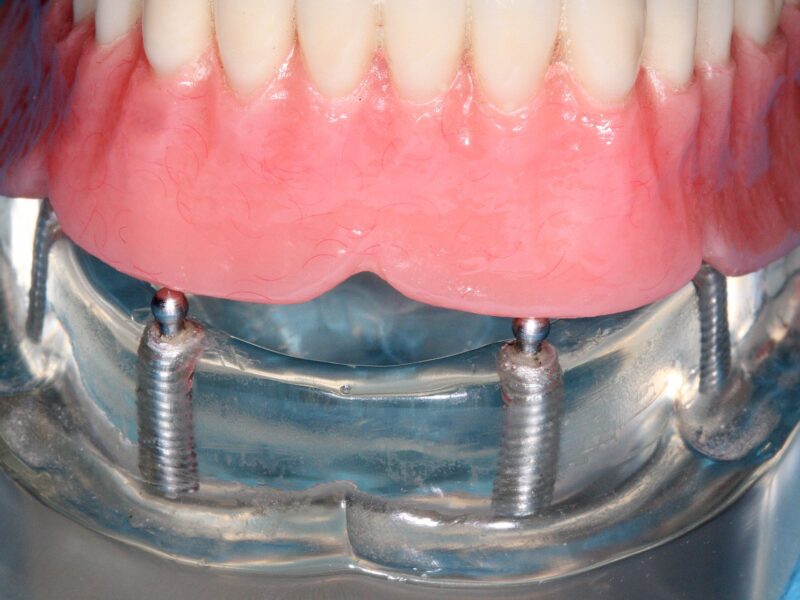
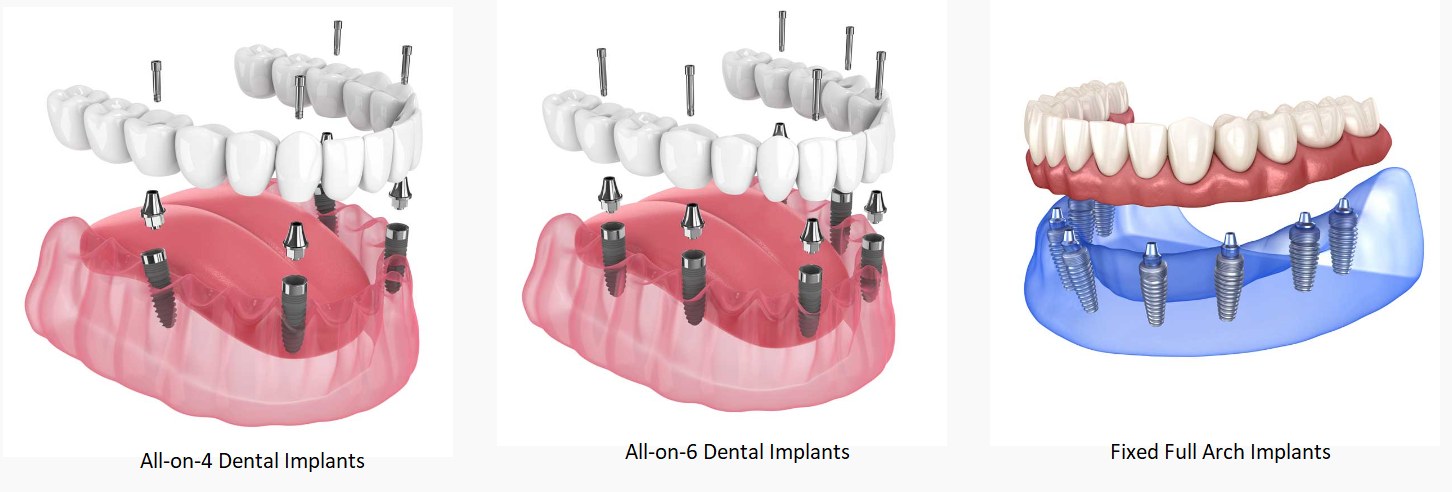
This is what comes up when all or most of the teeth are gone, or when the ones that are left can't realistically be saved. Four or six implants go into one jaw, and the whole row of teeth is replaced by a fixed bridge screwed onto them. For people who are fed up with dentures that come in and out, whose palate itches at every meal, who worry the plate will shift when they laugh, it can make daily life a great deal easier.
If the bone allows it, fixed temporary teeth can be fitted within a few days of the implants going in. So no, you don't fly home without teeth. The permanent bridge is made once the bone has healed, somewhere between three and six months later. If there isn't enough bone, bone grafting and sinus lifts come into the picture and the calendar stretches. You'll find the options in more detail on our All-on-4 implants page.
Zirconia and glass-ceramic crowns
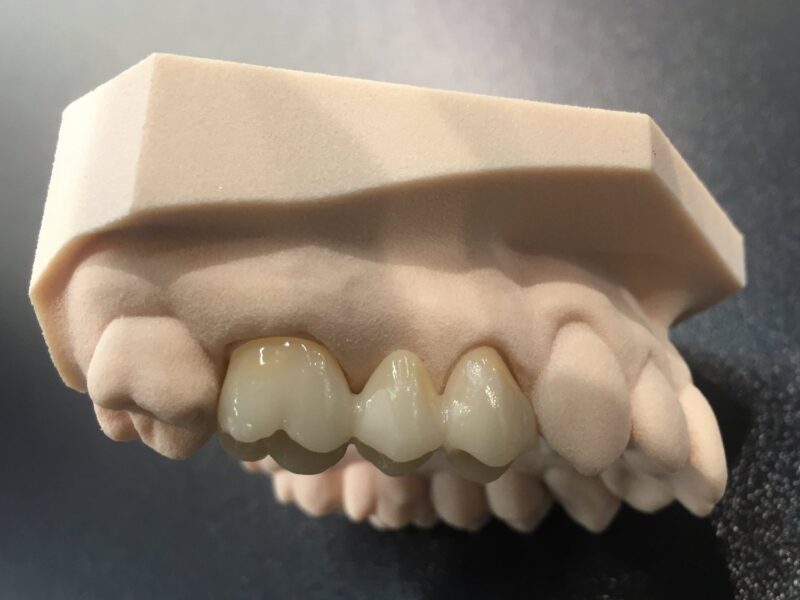
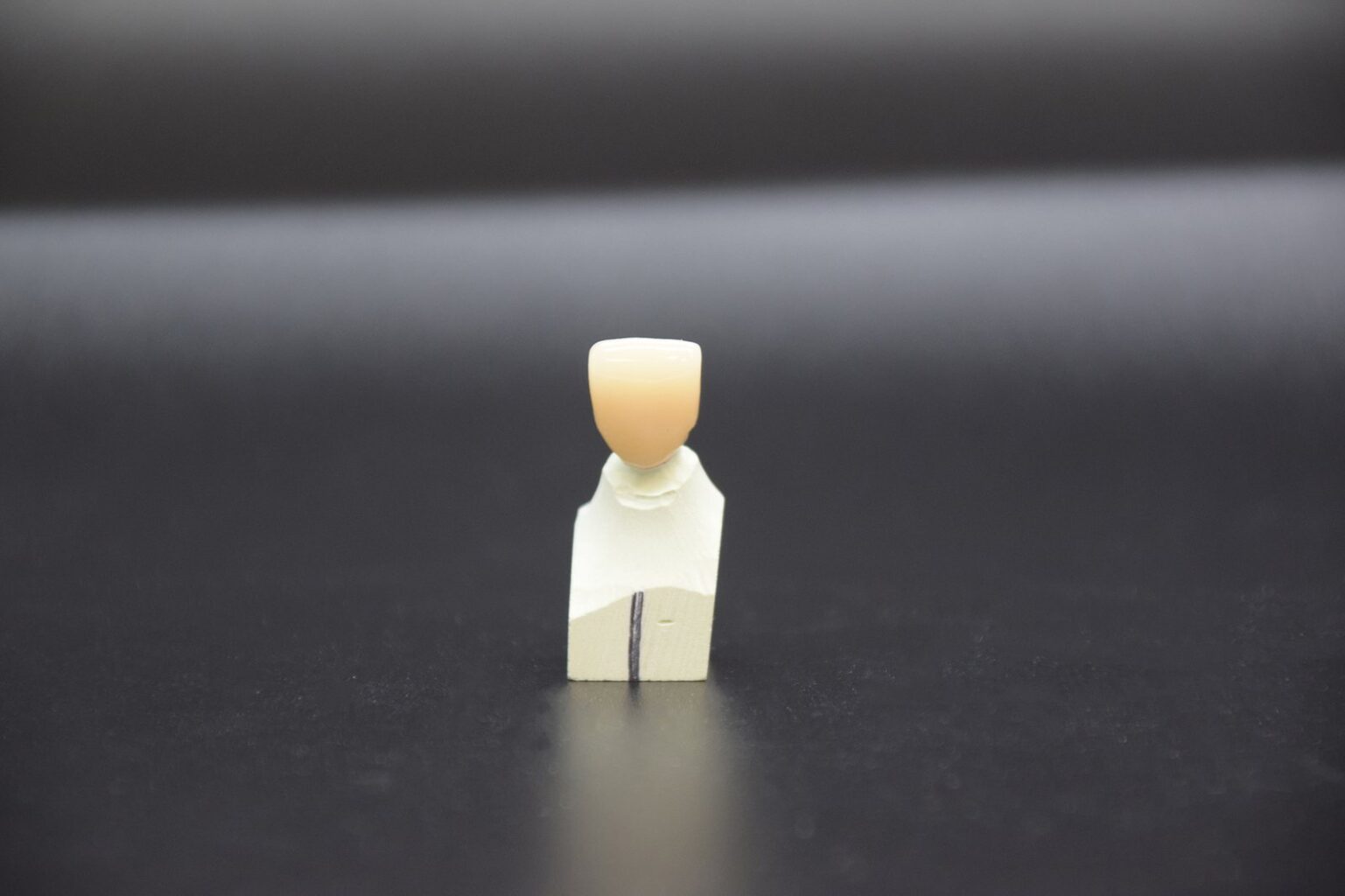
Patients who are sick of the grey line along the gum on their old metal-backed crowns, or who want to protect a broken or root-filled tooth, usually ask about zirconia first. On single front teeth a glass-ceramic crown sometimes lets light through more naturally; on bridges and back teeth, zirconia tends to win. Which one suits you comes down to where the tooth sits and how you bite.
The good news: if there's nothing underneath that needs treating first, crowns can usually be done in five to seven days, in one visit. The differences between materials, how long they last and how much of the tooth gets prepared are all covered, one by one, in our zirconia crowns article.
Veneers and smile design
What most of our English-speaking patients call a "Hollywood smile" (some just say a "smile makeover") is usually this: a smile redesigned to suit the proportions of your face, using thin porcelain shells or crowns on the front teeth. Smile design starts with a digital plan, and it takes into account the length of the teeth, your lip line and how much gum shows when you smile.
I need to open a bracket here, because this is the part of the business that gets abused the most. In the right case, porcelain veneers can be done with very little drilling. But not every mouth needs twenty of them. Sometimes whitening, two small fillings and a bit of gum contouring will give you a far better result than sixteen filed-down teeth. The dentist telling you that may well be selling you less work. Which is, perhaps, exactly why they're worth listening to.
Smaller but popular procedures
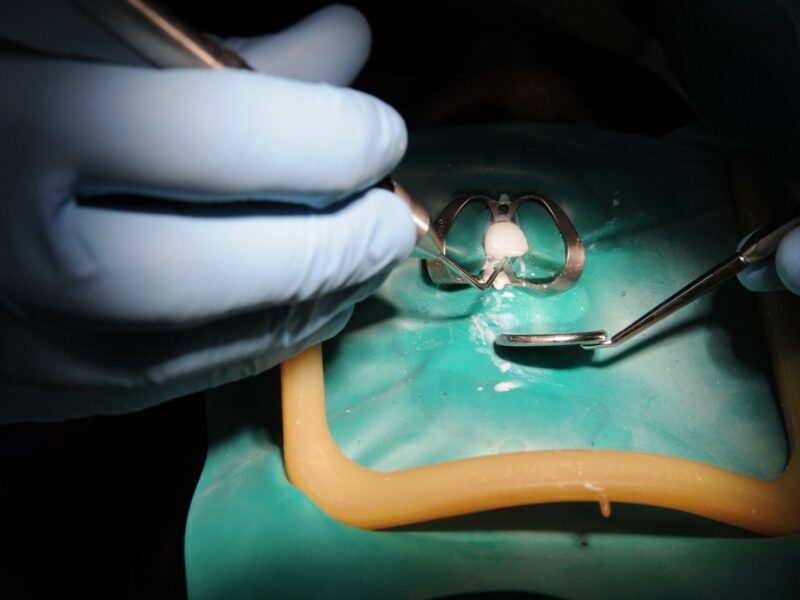
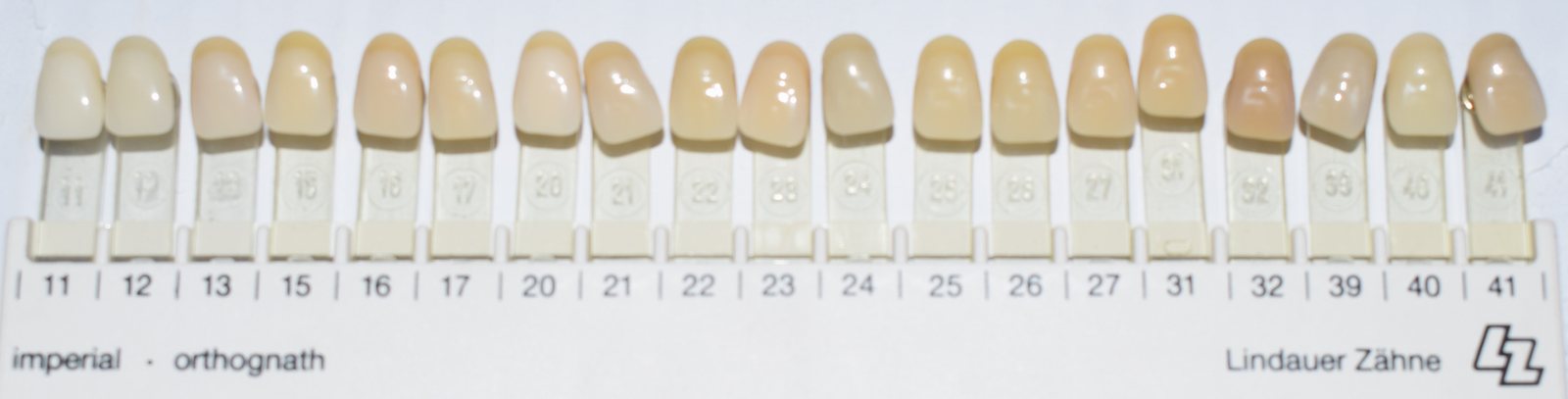
Then there are treatments at the short end of the trip that people still ask about all the time. Teeth whitening is a single session, done in about an hour and a half; if it's done at the start of a bigger treatment, the crown shade is chosen to match. Root canal treatment takes one or two sessions for most teeth. If you have gum disease, though, gum treatment has to come before any crowns or implants; we explain why in our piece on receding gums. Impacted wisdom tooth removal is possible too. Just bear in mind that flying with a swollen cheek isn't much fun, so plan your return date around it.
Clear aligner treatment is the trickiest item on this list. You wear the aligners at home, but they need check-ups at set intervals. Remote monitoring works, yet you should still count on at least two or three visits from the start.
How Does Dental Treatment in Turkey Work, Step by Step?
Clinics differ a little, but a process that runs properly looks roughly like this:
- First contact: You send your panoramic X-ray, a few photos and your medical details by WhatsApp or email.
- Preliminary plan: The dentist writes back with the likely treatment options and how many days and visits you'll need.
- Travel plans: Dates are fixed; flights, hotel and airport transfers get sorted.
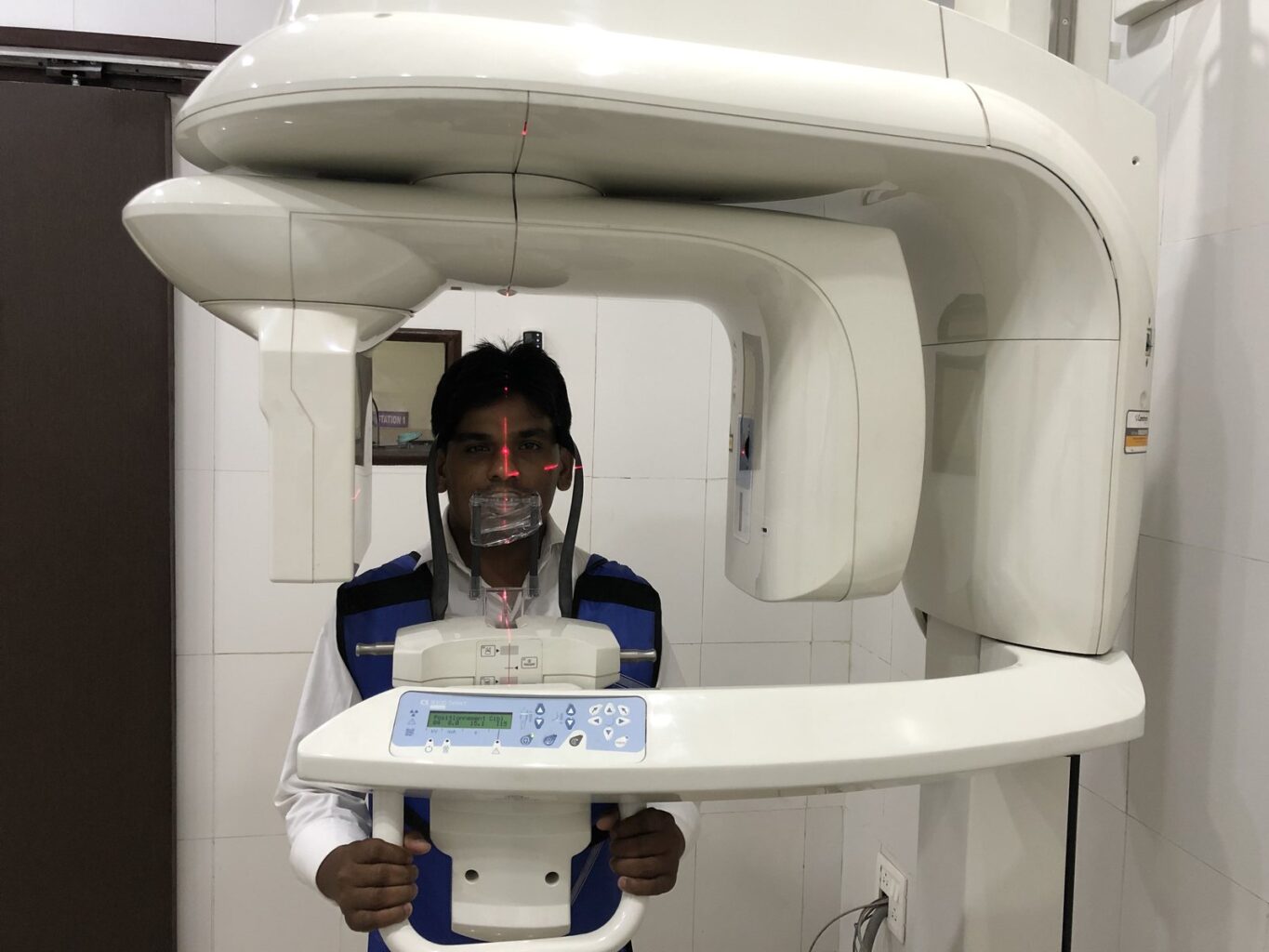
- Day one, examination: A clinical exam, a 3D CT scan if needed, and the final treatment plan. Consent forms are signed that day.
- Treatment sessions: Tooth preparation, impressions or a digital scan, lab work, try-ins. There are usually free days in between.
- Final check: Bite adjustment, a clean and aftercare instructions. You leave with copies of your X-rays and records.
- Follow-up at home: Remote check-ups with photos and, if needed, a plan for the second visit.
What should you send before you travel?
The list is short, but every item on it can change the plan. Top of the list is a panoramic X-ray taken in the last year. Don't have one? Not a problem, we'll take it here; the preliminary plan just stays a bit more general. For photos your phone is fine: smiling straight at the camera, teeth together, and then the upper and lower teeth separately. In daylight, no flash. Then your health details: diabetes, blood pressure, heart problems, blood thinners, and any medication for osteoporosis. That last one matters a lot for implant planning. Leave it out and we've got a real headache on our hands.
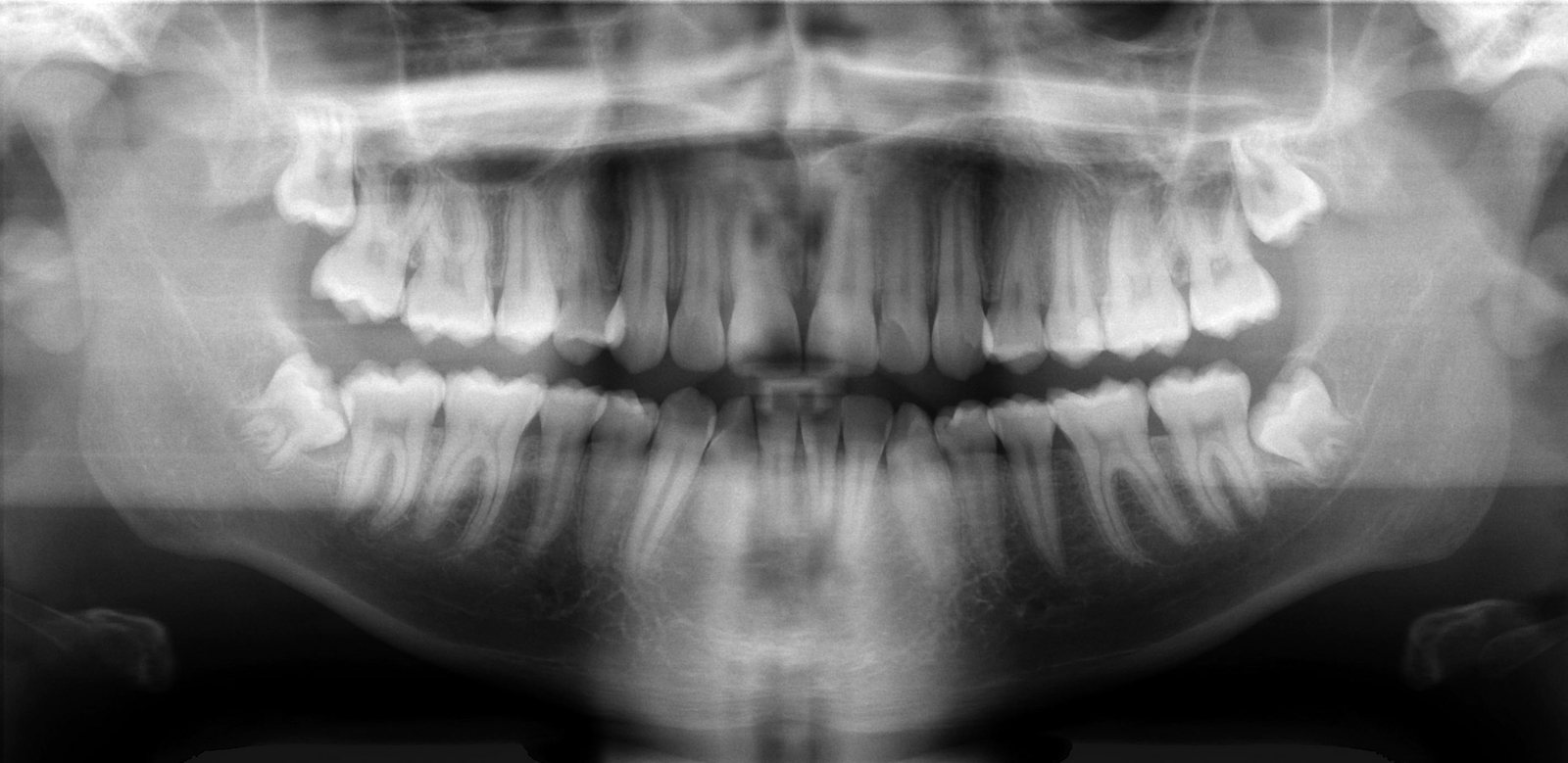
One thing I want to underline: an online assessment is not a diagnosis. A tooth that looks perfectly healthy in a photo can be hiding a large abscess, and bone that looks fine on an X-ray can turn out thin on a CT scan. The final plan is made on day one, after someone has actually looked in your mouth. That's why a serious clinic won't send you a definitive treatment list in its first message.
Why does the dental lab matter so much?
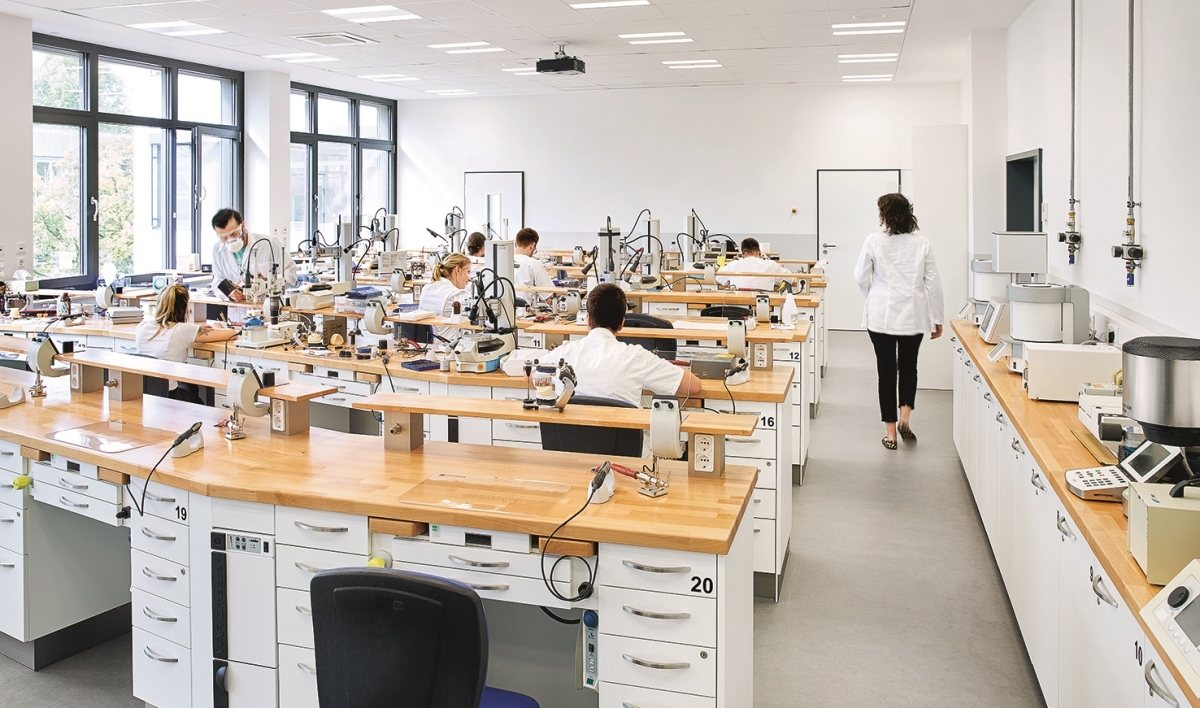
Every crown, every bridge, every implant-supported denture is made in a dental laboratory. When the lab is close to the clinic, a small problem with shade or shape spotted at the try-in can be fixed the same day. At our Golden Horn clinic the lab and the digital CT scanner are in the same building; for a patient on a short stay, that's half a day saved. If the lab is in another city, a single correction might mean moving your flight. So when you're choosing a clinic, ask: "Where's your lab?"
How Many Days Do You Need in Turkey for Dental Work?
It's the question I hear most in the consultation room, and the table below gives you a rough idea. The timings assume there's no underlying problem that needs treating first. Your own plan becomes clear after the examination.
| Treatment | First visit | Second visit | Note |
|---|---|---|---|
| Zirconia or glass-ceramic crowns | 5-7 days | Usually not needed | Longer if root canal or gum treatment is needed first |
| Veneers, smile design | 5-7 days | Usually not needed | Add 1-2 days if gum contouring is needed |
| Single or several implants | 3-5 days | After 3-6 months, 4-7 days | Permanent crown fitted on the second visit |
| All-on-4 or All-on-6 | 5-7 days | After 3-6 months, 5-7 days | Fixed temporary teeth fitted on the first visit |
| Bone graft, sinus lift | 2-4 days | After 4-9 months | Dentist's approval needed before flying |
| Teeth whitening | 1 day | Not needed | Session takes about 60-90 minutes |
| Root canal treatment | 1-3 days | Not needed | Usually followed by a crown |
A tip: book your return flight with a day of slack. Even when the plan runs like clockwork, it's far more comfortable to have a bite adjustment from the last day checked once more the next morning. Trust me, you don't want to discover at 35,000 feet that one of your teeth feels "a bit high".
Getting to Istanbul: Airports, Hotels and Flights
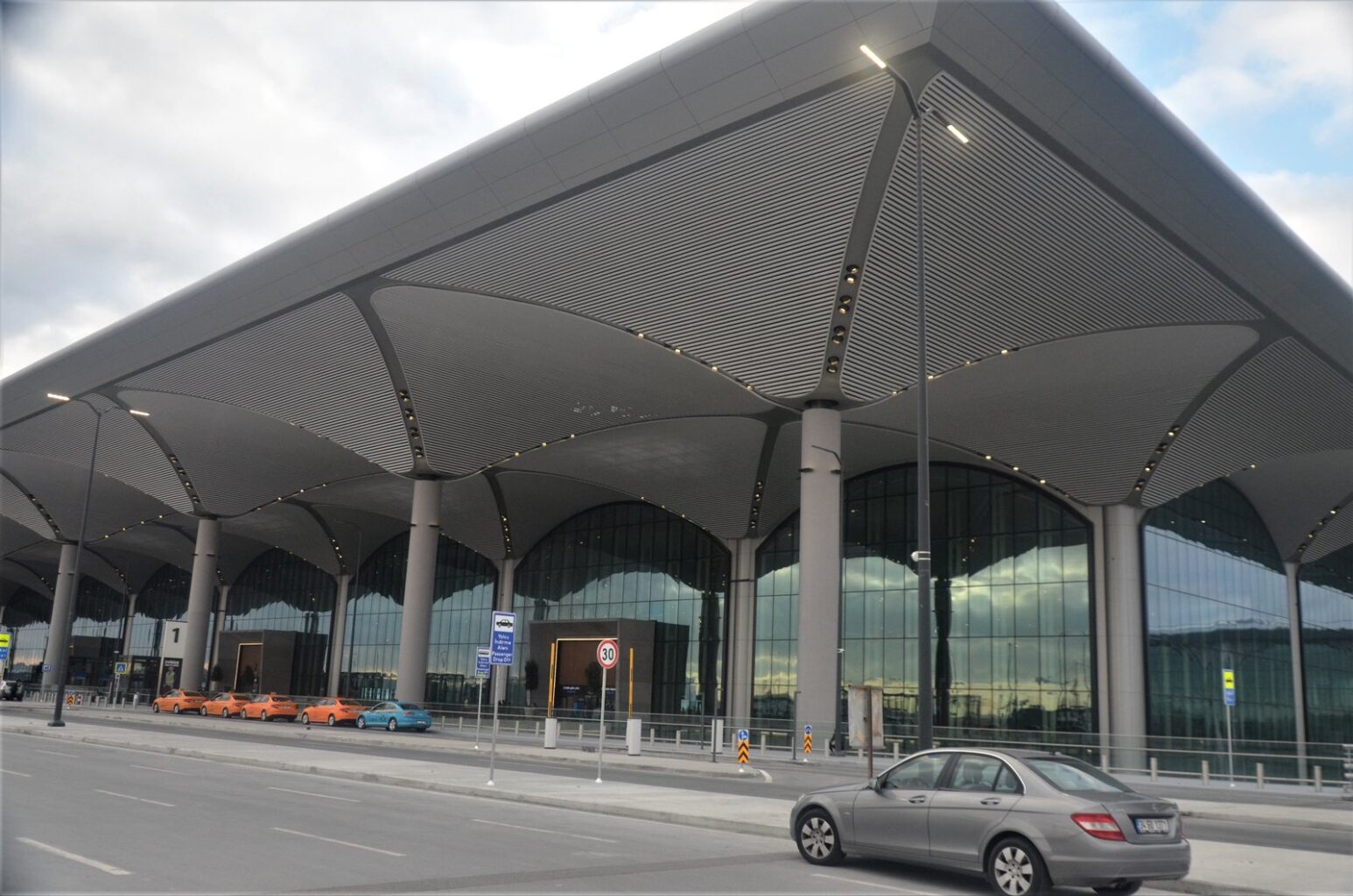
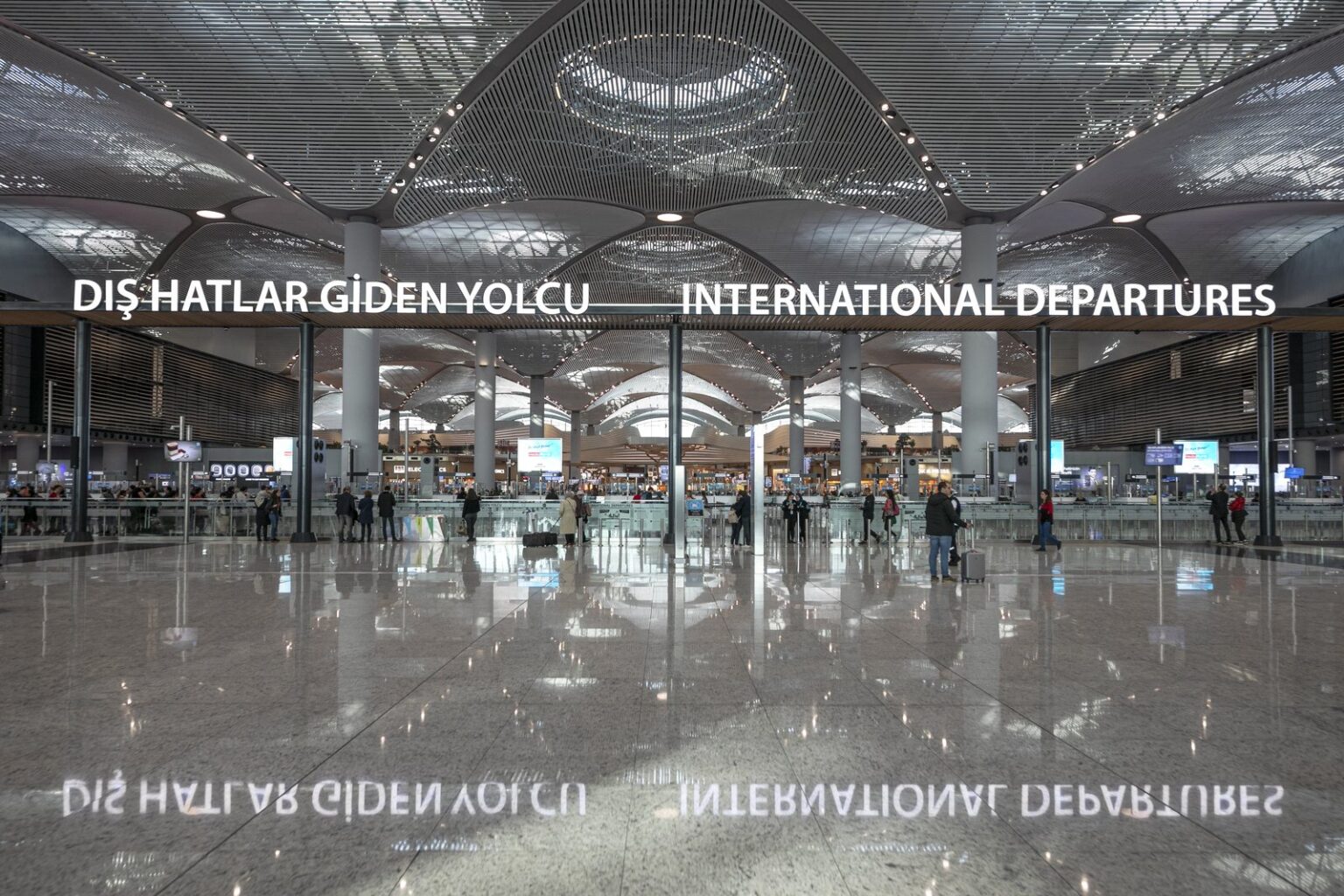
Istanbul has two big airports, and which one makes sense depends on which clinic you're heading to. Istanbul Airport is on the European side, 40 to 60 minutes from our Golden Horn clinic depending on traffic. Sabiha Gökçen is on the Asian side, very close to our Pendik clinic. Plenty of European cities have direct flights to both, and from most capitals you're in the air for three to four hours.
Pick a hotel near the clinic. Sounds obvious, I know. But nobody enjoys spending an hour and a half in Istanbul traffic on a treatment day, or trying to give a taxi driver directions with a numb lip. Our Golden Horn clinic is a short walk from the metro and the tram, and there are lots of places to stay nearby, anywhere from Hasköy down to Karaköy.

Visa rules depend on your passport. Citizens of many European countries don't need a visa for a short stay, and for some nationalities an e-Visa is enough. Before you book anything, check your own situation on the official e-Visa site run by the Turkish Ministry of Foreign Affairs.
When can you fly after dental treatment?
After crowns, veneers or whitening, flying the next day is fine. After an implant or an extraction we tell most patients to wait at least 24 to 48 hours, and during that time we keep an eye on bleeding and swelling. A sinus lift is a different story: cabin pressure can put strain on the sinus, so the wait is usually at least a week, sometimes longer. Diving is off the table for several weeks. Don't guess the date yourself. Ask your dentist.
Istanbul Between Appointments: Dos and Don'ts
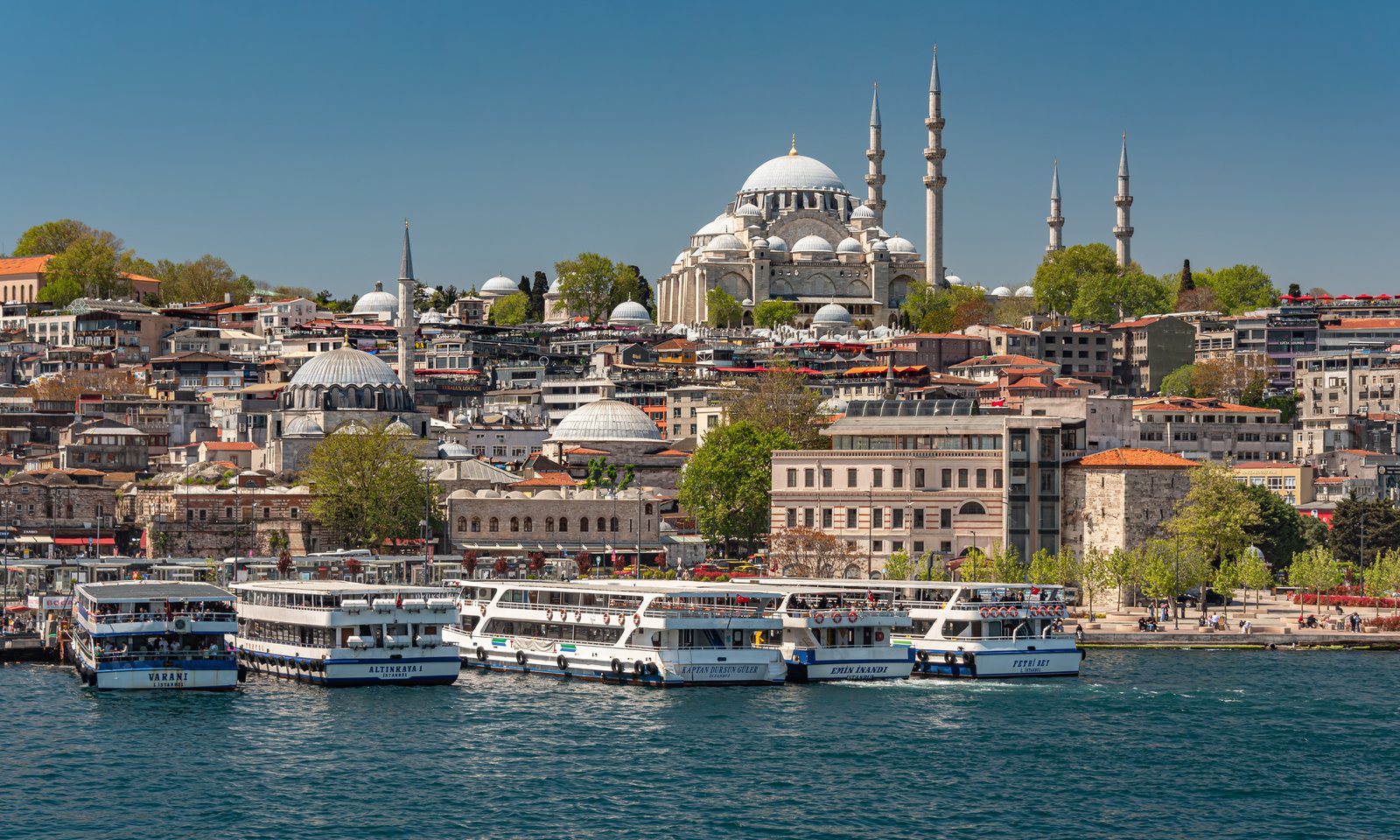
There are often free days between sessions, and most of our patients spend them out in the city. A ferry from the Golden Horn up the Bosphorus, a wander round Eminönü, the view over the rooftops from Galata. All lovely. We just have a few small requests.

On the evening after surgery, please don't spend three hours haggling in the Grand Bazaar. Tiredness, heat and lots of walking all make bleeding worse. No hammam, no sauna and no heavy workouts for the first two days. Smoking is the worst enemy a healing wound has; if you've just had implants, you'll never find a better excuse to quit. Keep food lukewarm and soft for the first few days: lentil soup, yoghurt, menemen (Turkish scrambled eggs with tomatoes and peppers). Save the balık ekmek, the simit and the crispy kebabs for the end of your treatment. They're not going anywhere, I promise.
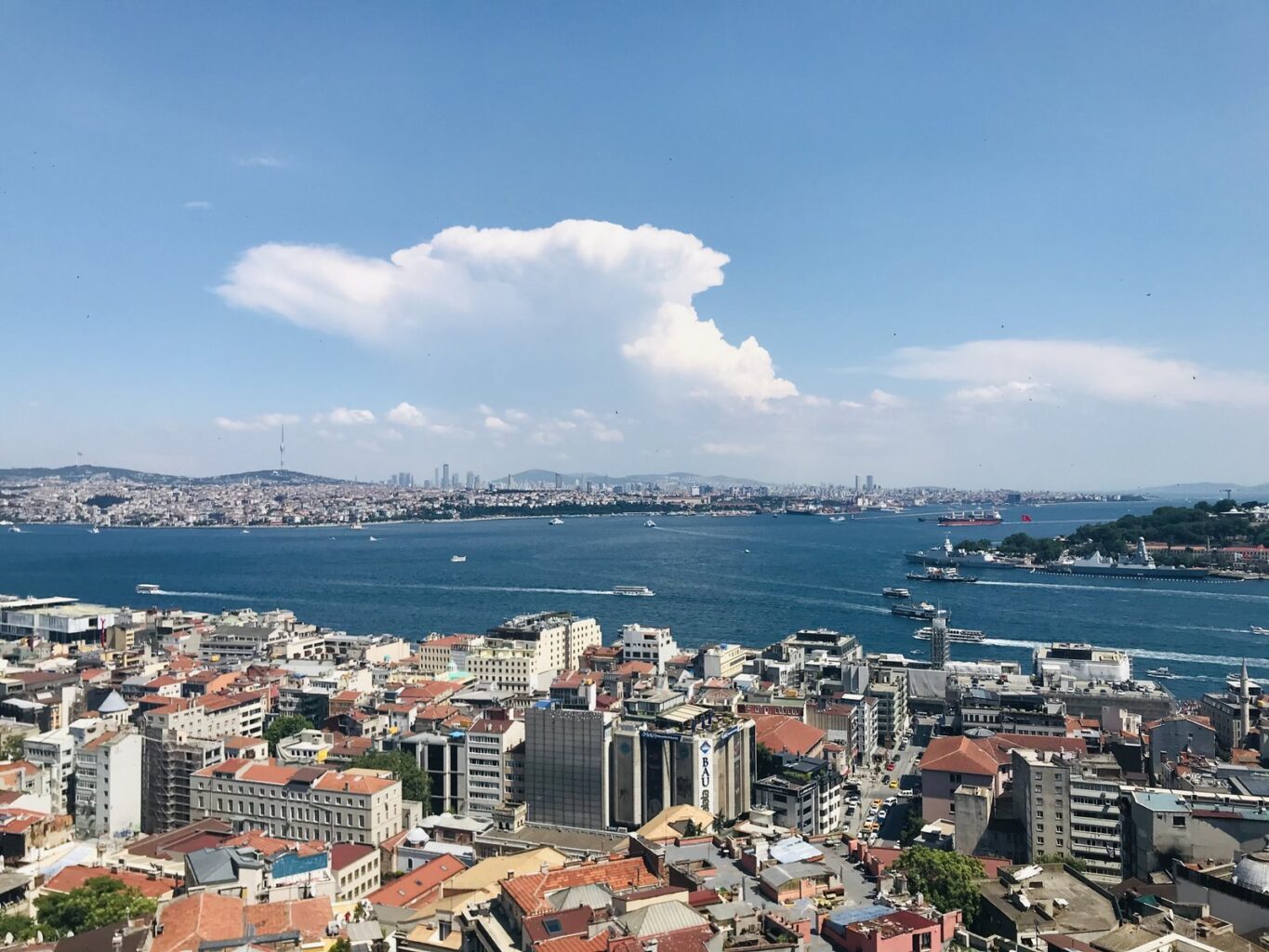
Why Turkey for Dental Treatment? The Upsides and Realistic Expectations
Most patients start looking because of cost. No point pretending otherwise. But it's rarely the only reason. You've got a three or four-hour flight from most of Europe. Digital workflows such as intraoral scanners, CAD/CAM and CT imaging are standard here, labs often work right next door to the clinics, and seeing a lot of patients builds a lot of experience. That's what puts Turkey ahead in this field. And then there's the chance to turn treatment into a proper trip. Don't underestimate that part.
You won't see any prices on this page. First, Turkey's health advertising regulation bans clinics from publishing prices and discounts on their websites. Second, a figure quoted without an examination is often misleading anyway; a list written before anyone has looked in your mouth can easily change on day one. What I can tell you is this: the gap between countries isn't down to materials. Implants and zirconia blocks are bought on similar terms all over the world. The difference comes mostly from labour, rent and the exchange rate. When you compare with a quote back home, factor in the flights, the hotel and a possible second visit. The exact fee is given to you in writing after the examination and CT scan.
"Turkey Teeth": The Other Side of the Coin
It would feel dishonest to skip this. In the UK there's a phrase, "Turkey teeth", and it isn't a compliment. In a survey the British Dental Association (BDA) ran among its members, the large majority of dentists said they had seen patients who'd been treated abroad, and 86 percent said they had treated complications in those patients. Crowns caused the most trouble.
The problems have a lot in common. Healthy teeth filed down far more than necessary. Crowns placed on top of untreated gum disease. Crowns with margins that don't fit, letting decay build up underneath. Clinics you can't reach when something goes wrong after you get home. None of this is unique to Turkey, but as the numbers grew, it got a lot harder to miss.
Our stance is simple: sometimes the right answer is "you don't need that". The woman from Düsseldorf had serious gum loss around two teeth on her X-ray. She wanted twenty veneers. We suggested gum treatment, an implant for the gap, whitening and two small fillings. Her first reaction, honestly, was disappointment: "So no Hollywood smile, then?"
8 Questions to Ask a Dental Clinic in Turkey
Having the hotel and transfers included is a nice touch, but the real decision lies in the answers to these questions. Ask them on the phone or in writing, and don't feel awkward about it; a good clinic won't mind.
- Do you hold an international health tourism authorisation certificate? Check that the facility is registered with HealthTürkiye.
- Which dentist will actually do my treatment? Get their name at the first consultation, and speak to the dentist, not only an interpreter or coordinator.
- Will you give me copies of my CT scan and X-rays? Digital copies are yours by right, and your dentist at home will need them.
- Which implant system will you use? It matters that the system is also available in your country, for spare parts later on. Ask for an implant card.
- Can I have a written treatment plan and timeline? How many teeth, which material, how many sessions, how many days.
- How much of my teeth will be filed down? Ask this plainly, especially if veneers or crowns are on the plan.
- What happens if something goes wrong once I'm home? How does remote follow-up work, and will they get in touch with a dentist in your country if needed?
- Can I read the consent form in my own language? Don't sign anything you don't understand.
Feel free to ask us that first question too. Actually, we'd like you to: Panorama is licensed by the Turkish Ministry of Health and holds an international health tourism authorisation certificate. You'll find the details, along with the support we offer patients from abroad, on our About us page.
Aftercare Once You're Back Home
Treatment doesn't end on the plane. Bring digital copies of your X-rays, your CT scan and, if you have one, your implant card. Don't be shy about telling your own dentist "I had this done in Turkey"; show them the records and you'll make their job much easier. If something feels "off" in the first month, say a crown that's a touch high or some tenderness around an implant, take a photo and message the clinic. Most complaints get sorted in a few messages, and if not, the second visit is scheduled around it. A check-up and clean every six months, though, is non-negotiable, whichever country you live in.
Our patient from Düsseldorf? On her first visit she had the gum treatment and the implant placed. Four months later she was back: a crown on the implant, whitening and two fillings. On the morning she flew home she sent us a photo from Eminönü, a fish sandwich in her hand. Two words underneath: "First bite."
If you're thinking of coming over from abroad, send your panoramic X-ray and a few photos via WhatsApp or through our contact page. Our dentists will look at them and tell you in writing which treatment can be done, in how many days and over how many visits. Then we'll plan the rest together. Our Golden Horn and Pendik clinics are open Monday to Saturday.
For patients travelling to Istanbul, root canal work is the treatment whose timing is hardest to predict, so we explain how many visits a root canal usually needs in detail.
Frequently Asked Questions
Is dental treatment in Turkey safe?
With the right clinic, yes. Since 2025, clinics that treat foreign patients must hold an international health tourism authorisation certificate from the Ministry of Health, and records are kept on the HealthTürkiye portal. Ask in advance about the certificate, the name of the dentist who will treat you, a written treatment plan and how follow-up works once you're home.
How long do I need to stay in Turkey for dental work?
Zirconia crowns, glass-ceramic crowns and veneers are usually finished in 5 to 7 days, in a single visit. For implants and All-on-4, the first visit takes 3 to 7 days, and a second visit is needed 3 to 6 months later for the permanent teeth. The exact length is confirmed after the examination and CT scan, and it's a good idea to book your return flight with a day to spare.
How many trips to Turkey do I need for dental implants?
Two, for most patients. The implant is placed on the first visit; the permanent crown or bridge is fitted on the second, once the bone has healed, usually within 3 to 6 months. If a bone graft or sinus lift is needed, the gap between visits can be longer.
What should I send before travelling to Turkey for dental treatment?
A panoramic X-ray taken within the last year, photos of your smile and teeth taken in daylight, and your medical details are enough. Things like diabetes, heart conditions, blood thinners or osteoporosis medication are especially important for implant planning. If you don't have an X-ray, it can be taken at the clinic.
How do I check a clinic's health tourism authorisation certificate?
Under the Regulation on International Health Tourism and Tourist Health, facilities that accept foreign patients must hold an authorisation certificate. You can ask the clinic for it directly and verify the registration through the Ministry of Health's HealthTürkiye portal and USHAŞ channels.
How soon can I fly after dental implants?
After an implant or extraction, most patients are advised to wait at least 24 to 48 hours. After a sinus lift, cabin pressure usually means waiting at least a week, sometimes longer. After crowns, veneers and whitening you can fly the next day. Your dentist will confirm the exact date.
Do they file your teeth down for a Hollywood smile?
It depends on the method. With porcelain veneers very little is removed from the front of the tooth, and in some cases nothing at all; a full crown needs about 1 to 1.5 millimetres taken off all the way round. Healthy teeth shouldn't be crowned for no reason, and sometimes whitening and small fillings are enough.
What happens if I have a problem after I get home?
Most minor issues are resolved through remote check-ups with photos and messages. If needed, a second visit is planned. If you keep copies of your X-rays, CT scan and implant card, your dentist at home can also help without much trouble.
Why do dental prices in Turkey differ so much from other countries?
The difference comes mostly from labour, rent and exchange rates, not from materials. Implants and zirconia are bought on similar terms worldwide. In Turkey, regulations do not allow clinics to publish prices on their websites; the exact fee is given in a written treatment plan after the examination and CT scan.
Can I go sightseeing in Istanbul during dental treatment?
Yes, on the free days between sessions. Rest on the day of surgery, avoid the hammam, sauna and heavy exercise for the first two days, and stick to lukewarm, soft food. A ferry trip or short walks are usually fine.