Root canal treatment is a procedure in which the inflamed or infected nerve of a tooth (the pulp) is removed, the root canals are cleaned, shaped and disinfected, and the space is sealed with a suitable filling material. The aim is to keep a tooth in your mouth that might otherwise have to be extracted. Most teeth are treated in 1-2 appointments; the plan becomes clear after the examination and X-ray assessment.
What is a root canal treatment and why is it needed?
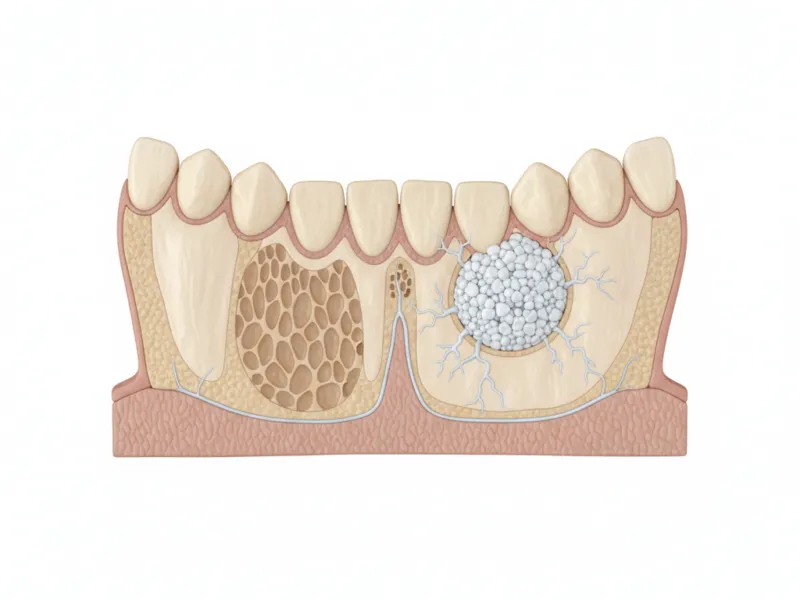
Root canal treatment is an endodontic procedure used when the pulp, the tissue of nerves and blood vessels inside the tooth, has been irreversibly damaged. The pulp can become inflamed because of deep decay, a crack, large fillings that have been replaced repeatedly, or a knock to the tooth. This inflammation does not go away on its own. If it is not treated, an abscess can develop at the tip of the root and the surrounding bone can be lost.
The tooth itself is not removed during the procedure; only the damaged tissue inside it is cleaned out. The root and the bone around it stay in place, which matters for chewing and for keeping the neighbouring teeth in position.
Not every tooth is suitable for a root canal. A tooth with a root fracture, advanced bone loss around it, or so much structure lost to decay that nothing is left at gum level may not be savable. For this reason, whether the tooth can be saved is assessed before treatment and the options are explained to you clearly.
What are the signs you need a root canal?
Teeth that need root canal treatment often show a typical pattern of pain, but sometimes they give no symptoms and are found on a routine X-ray. Common signs:
- An ache that lingers for seconds or even minutes after hot or cold
- Throbbing pain that starts on its own at night
- Tenderness when you press on or bite with the tooth
- Swelling of the gum, or a pimple-like bump (a fistula) that sometimes drains
- Darkening of the tooth, especially after a knock
These symptoms can be confused with other problems; clinical tests and an X-ray are needed to tell them apart. We have covered the different causes of toothache separately in our toothache article.
How is a root canal done, step by step?
Root canal treatment is done under local anaesthesia through a small opening made in the biting surface of the tooth, or in the back surface of front teeth. The general sequence is:
- Examination and X-ray: The number of roots, the curvature of the canals and any infection at the root tip are assessed.
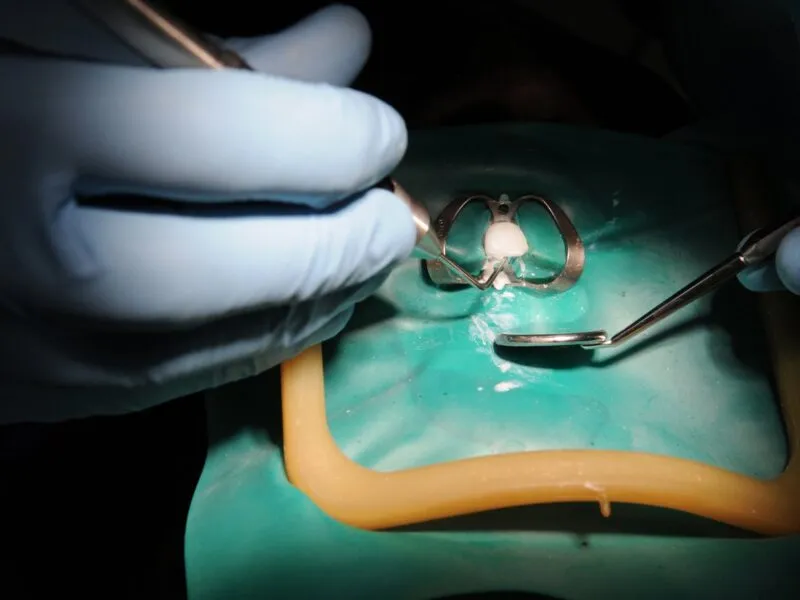
- Anaesthesia and isolation: The tooth is numbed and a rubber sheet (rubber dam) is placed to protect it from saliva and bacteria.
- Access and cleaning: Decay is removed, the pulp chamber is reached and the canal openings are located under magnification.
- Measuring and shaping: The canal length is measured with an electronic apex locator and the canals are shaped with rotary files.
- Disinfection: The canals are rinsed generously with antiseptic solutions.
- Root filling: The canals are sealed with a biocompatible filling material and sealer.
- Final restoration: The tooth is closed with a temporary or final filling, and a crown is planned if needed.
You can find more about what you will feel during the procedure in our article does a root canal hurt?
How many appointments does a root canal take?
Root canal treatment is completed in 1-2 appointments for most teeth, and each appointment usually lasts 45-90 minutes. Front teeth mostly have a single canal, so they take less time. Molars can have three, sometimes four canals. If there is a large infection or swelling at the root tip, medicine may be placed in the canal for a while and the filling done at the second appointment.
Exceptions where an extra appointment may be needed include re-treatment of a tooth that has had a root canal before, an instrument broken inside the canal, and very curved or calcified canals. The number of appointments is decided after the examination.
What should international patients know about visits?
Because most root canals are completed in 1-2 appointments, treatment can often be fitted into a single stay in Istanbul, and urgent cases with pain or swelling can usually be started during the first visit. If a crown is needed afterwards, it usually takes a further 2-4 sessions over about 1-2 weeks. Before you travel you can send photos and any existing panoramic or periapical X-ray by WhatsApp for a preliminary assessment; the final plan is made after the in-person examination and X-ray. After you return home, check-ups can be done with a local dentist, with remote contact for questions.
Is there pain after a root canal?
Tenderness when biting and a mild ache in the tooth for 2-3 days after root canal treatment is common and usually fades on its own. It is the natural reaction of the tissues at the root tip to the procedure. Practical advice for this period:
- Do not eat until the numbness has worn off, and take care not to bite your cheek and tongue.
- Do not chew hard food on that side until the final restoration is made.
- Take the pain reliever your dentist recommends at the recommended dose.
- Call the clinic if swelling increases, if pain gets worse after a few days or if the temporary filling falls out.
What are the risks and why can a root canal fail?
Root canal treatment is a common and well-defined procedure, but like any medical procedure it carries some risks. The main reasons treatment may fail in the long term are:
- An additional canal that was not detected, or a narrow section of canal that could not be fully cleaned
- A root crack or fracture that does not always show on an X-ray
- Bacteria re-entering the canal because a filling or crown leaks
- Using the root-treated tooth without protection and breaking it
In such a case, repeating the root canal, root-end surgery (apical resection) or, as a last option, extraction may be discussed. After an extraction, options such as an implant or bridge are considered for the gap.
Do you need a crown after a root canal?
A crown is usually recommended on root-treated molars and premolars, because these teeth have lost structure and are more likely to fracture under chewing forces. On front teeth, a good filling may be enough if most of the tooth structure is sound. If a crown is chosen, options such as zirconia crowns are planned according to the position of the tooth and the tooth structure that remains. Delaying the crown for a long time can increase the risk of leakage into the canal and of fracture.
Root canal examination in Haliç and Pendik
At the Haliç (Hasköy, Beyoğlu) and Pendik clinics of Panorama Oral and Dental Health, an examination, X-ray assessment and treatment plan come before a root canal. If you have pain or swelling, mentioning it when you book helps with appointment priority. For clinic details see the Haliç clinic page.
Sources
The results of any surgical or interventional procedure may vary from person to person. It is recommended that you obtain detailed advice from your physician before the procedure. The information on this page is for general informational purposes; the treatment suitable for you is determined after an examination.