Gum treatment is the general name for treatments that aim to stop gum inflammation (gingivitis) and disease that has spread to the bone supporting the teeth (periodontitis), and to repair lost tissue as far as possible. In the early stage, a professional clean and the right care at home are often enough; in advanced cases, deep cleaning (scaling and root planing) and surgical methods come into play. The scope and length of treatment vary from case to case and are decided after the examination.
What is gum disease?
Gum disease is a chronic inflammation of the gums set off by bacterial plaque and tartar building up on the tooth surface. In gingivitis, the first stage, the inflammation is limited to the gums and reverses with suitable treatment. If plaque is not removed, the inflammation spreads under the gum, to the root surface and the bone; this stage is called periodontitis. In periodontitis the bone that holds the teeth is gradually lost, gum pockets deepen and in later stages teeth can become loose.
Smoking, uncontrolled diabetes, hormonal changes in pregnancy, some medicines and family history can speed up the disease. Research points to a two-way link between periodontitis and general health problems such as diabetes and heart disease. For this reason gum treatment does not only protect the teeth; for people with chronic illness it is also seen as part of monitoring general health.
What are the symptoms of gum disease?
The earliest and most common sign is bleeding gums when you brush or floss. Other signs:
- Red, swollen gums or gums that are tender to the touch
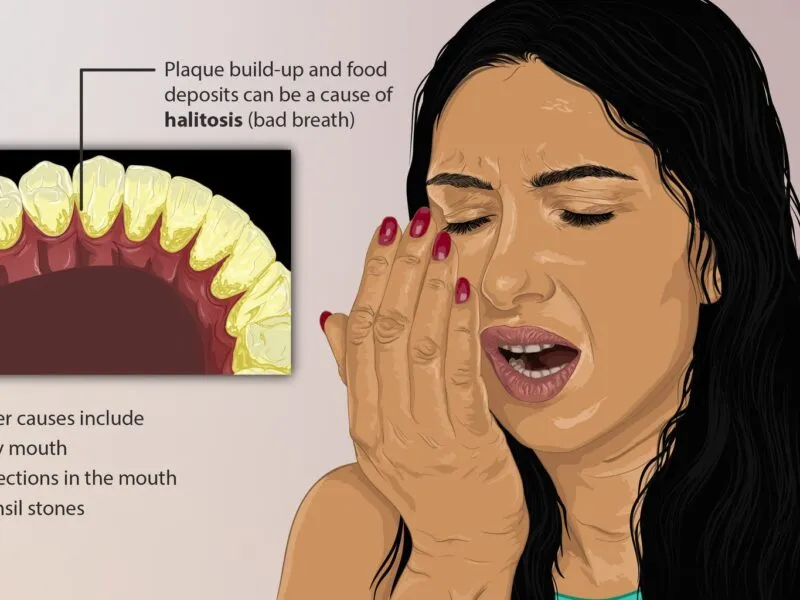
- Persistent bad breath or a bad taste in the mouth
- Teeth that look longer, which means the gums have receded
- New gaps between teeth, or teeth that have shifted
- Loose teeth, or teeth that seem to bite together differently
Periodontitis often progresses without pain, so bleeding should never be treated as normal. We cover the causes of bleeding in our bleeding gums article.
What is checked at a gum examination?
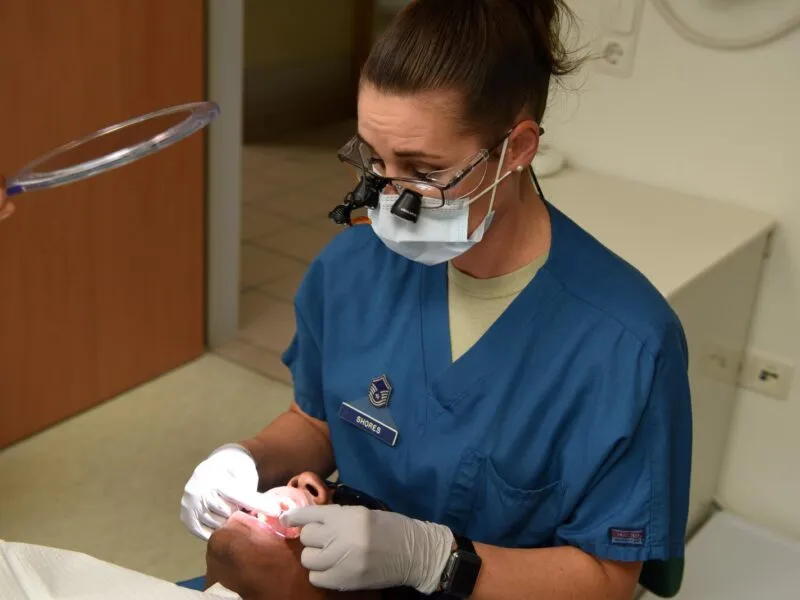
In a gum examination, the depth of the pocket around each tooth is measured with a thin, millimetre-marked probe and bleeding points are recorded. In healthy gums the pocket depth is usually around 1-3 mm; deeper pockets can be a sign of disease. The bone level is examined on X-rays, and the looseness of the teeth and the amount of gum recession are noted. With this information the stage of the disease is determined and a treatment plan is made. Telling us about the medicines you take, chronic conditions such as diabetes and whether you smoke helps tailor the plan to you. The first measurements are also recorded so that progress can be compared later.
How is gum disease treated?
Gum treatment goes step by step, from simple to more extensive, according to the stage of the disease.
1. Professional cleaning and oral hygiene instruction
Tartar and plaque above the gum line are cleaned with ultrasonic instruments. You are shown how to use the right toothbrush, interdental brushes and floss. At the gingivitis stage, this step and regular scale and polish are often enough.
2. Scaling and root planing (deep cleaning)
In periodontitis, the pockets under the gum are cleaned under local anaesthesia, removing tartar and inflamed tissue from the root surface. The mouth is usually divided into areas, and the procedure is completed in 1-4 appointments.
3. Surgical treatments
For deep pockets that do not heal despite deep cleaning, a flap operation gives direct access to the root surface for cleaning. In suitable bone defects, bone grafting and tissue regeneration methods can be used; connective tissue grafts can be used for gum recession, and gum reshaping for gums that show too much when you smile.
4. Maintenance appointments
Periodontitis can be kept under control but can come back. After treatment, check-ups and cleaning every 3-6 months are planned for most patients.
How long does gum treatment take?
The length of gum treatment depends on the stage of the disease: gingivitis can settle within a few weeks with a single cleaning appointment and home care, while periodontitis treatment needs several appointments spread over weeks, followed by a re-evaluation. About 6-8 weeks after deep cleaning, the pockets are measured again and it is decided whether surgery is needed. The exact plan is made after the examination.
What should you do after gum treatment?
After deep cleaning, there may be gum tenderness and sensitivity to hot and cold for a few days. As the inflammation settles, the gums tighten and the teeth may look a little longer; this is part of healing. During this period:
- Do not stop brushing; carry on gently with a soft toothbrush.
- Use interdental brushes or floss every day.
- Cutting down on very hot, spicy and hard foods in the first days eases sensitivity.
- If you smoke, consider quitting or cutting down; smoking slows healing noticeably.
- If you have diabetes, remember that blood sugar control also affects gum healing.
Do receded gums grow back?
Receded gums do not return to their former level on their own, but in suitable cases surgical methods such as a connective tissue graft can partly or fully cover the exposed root surface. The cause of the recession has to be brought under control first: hard brushing, inflammation, teeth grinding or thin gum tissue are the main ones. We discuss this separately in our receding gums article.
Gum examination in Haliç and Pendik
At the Haliç and Pendik clinics of Panorama Oral and Dental Health, we carry out a gum examination, pocket measurement, X-ray assessment and a treatment plan suited to the stage of the disease. If you have noticed bleeding when brushing, bad breath or a loose tooth, we recommend not putting off a check. For the address and directions of the Pendik clinic see the Pendik clinic page.
Sources
The results of any surgical or interventional procedure may vary from person to person. It is recommended that you obtain detailed advice from your physician before the procedure. The information on this page is for general informational purposes; the treatment suitable for you is determined after an examination.