Orthodontics is the field of dentistry concerned with correcting crowded, gapped or badly meeting teeth and mismatches between the jaws. The two most common methods are fixed braces, with brackets bonded to the teeth, and clear aligner systems, which are changed in sequence. Which method is suitable and how long treatment takes are decided after an orthodontic examination and a review of your records.
Which problems need orthodontic treatment?
Orthodontic treatment is recommended when the alignment of the teeth, or the position of the jaws in relation to each other, causes problems with chewing, cleaning, speech or appearance. Common situations:
- Crowded, overlapping teeth
- Gaps between the teeth
- Upper teeth sitting too far forward (overjet) or lower teeth closing in front of the upper teeth
- Deep bite (the upper teeth cover the lower ones too much) or open bite, where the front teeth do not touch
- Crossbite and a shifted midline
- The need to bring teeth into a suitable position before implants, crowns or veneers
Crowded teeth are not just a matter of appearance; areas that are hard to clean can raise the risk of decay and gum disease.
How do clear aligners and braces work?
Both methods apply a controlled, continuous light force to the teeth and move them slowly through the bone; the difference is in how that force is applied.
Clear aligners
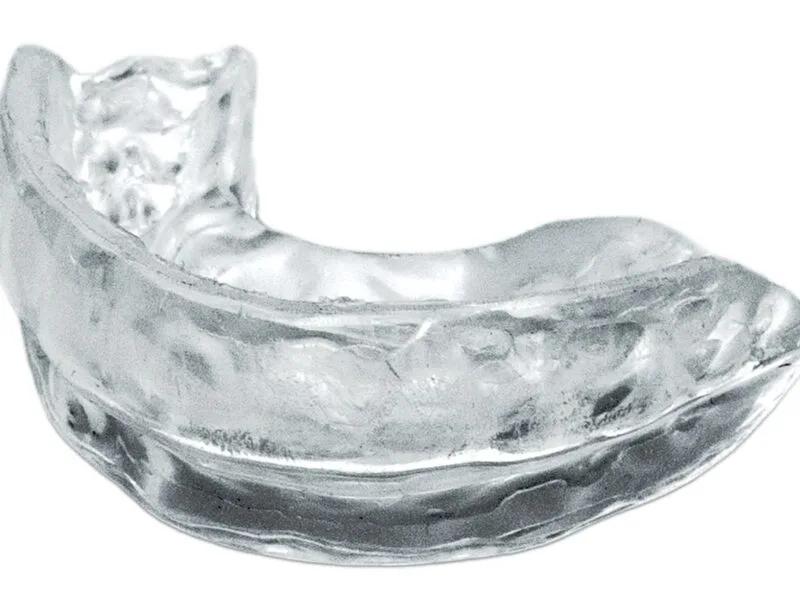
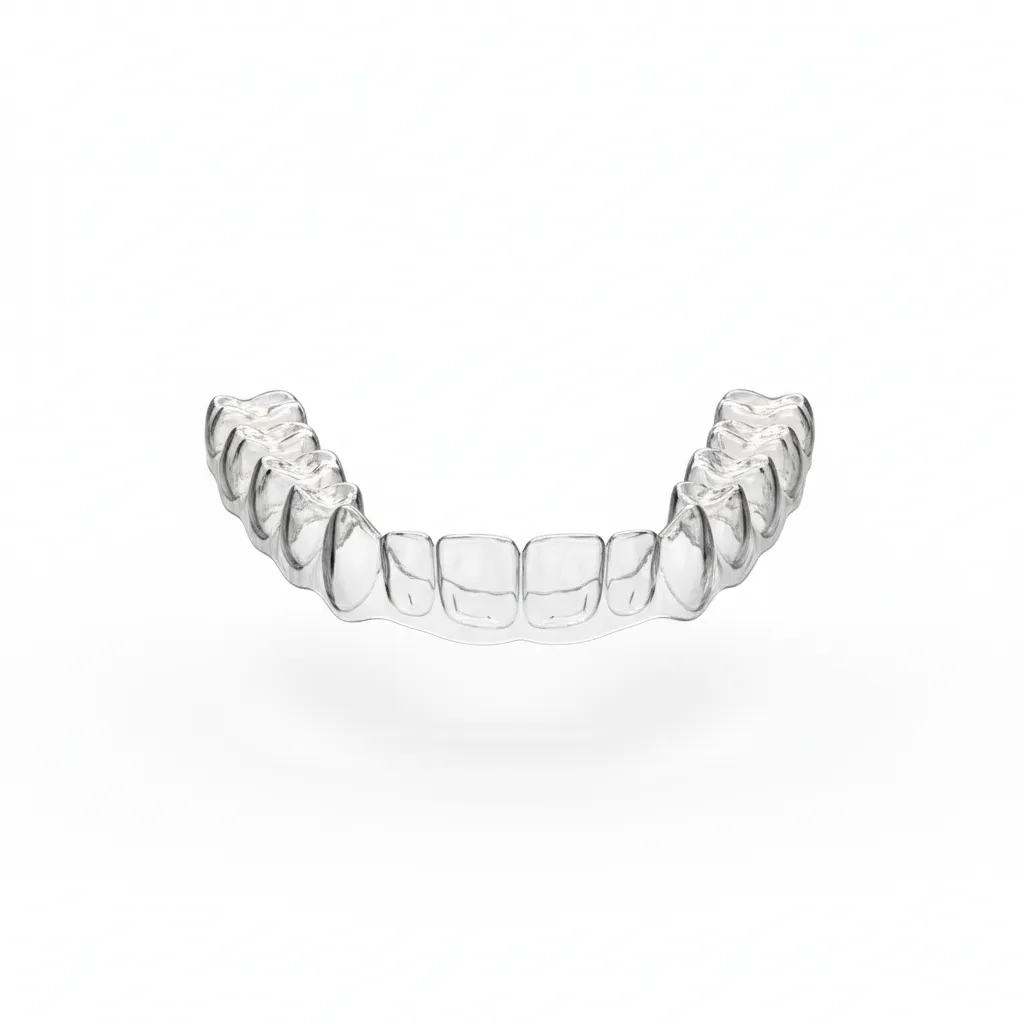
Clear aligners are an orthodontic system made of thin, transparent, removable trays planned from a digital scan of your teeth, which move the teeth in small steps. Each tray is made to move the teeth very slightly compared with the previous one, and you usually switch to the next every 1-2 weeks. Small tooth-coloured bumps (attachments) may be bonded to some teeth so that the aligner grips better.
For aligners to work they must be worn 20-22 hours a day; they are taken out for eating and brushing. If this routine is not kept, the teeth do not move as planned and treatment can take longer.
Braces (brackets)
Braces are a fixed orthodontic appliance made of small brackets bonded to the tooth surfaces and an archwire running through them. Brackets can be metal or tooth-coloured ceramic. The wire is changed or adjusted at check-ups, usually every 4-8 weeks, and the teeth are moved gradually. Because they are fixed, they do not depend on the patient putting them in and taking them out, and they offer a wide range of control for complex tooth movements and jaw mismatches.
Clear aligners or braces: which should you choose?
The choice between clear aligners and braces depends on the type of problem, the patient's age and whether the patient can wear the aligners consistently. There are cases where both methods are suitable and cases where each is limited.
| Feature | Clear aligners | Braces (brackets) |
|---|---|---|
| Appearance | Transparent, hardly noticeable unless looked at closely | Metal brackets are visible, ceramic brackets less so |
| Wear | Removable, must be worn 20-22 hours a day | Fixed, stay in the mouth throughout treatment |
| Eating | Few restrictions, since they are taken out for meals | Hard and sticky foods need to be avoided |
| Oral hygiene | Teeth are brushed as usual and the aligners are cleaned too | The area around the brackets needs careful cleaning with special brushes |
| Suitable cases | Mild to moderate crowding, gaps, some bite problems | A wide range from mild to complex, including skeletal problems |
For a closer comparison of the two, see our article clear aligners or braces.
How does orthodontic treatment progress, step by step?
- Examination and records: The mouth is examined; a panoramic X-ray and, if needed, a cephalometric X-ray, photographs and a digital scan or impressions are taken.
- Treatment plan: The records are analysed, and you are told which teeth will move and how, the suitable method and the expected length. With aligners, the planned movements can be shown in a digital simulation.
- Preparation: Any decay and gum problems are treated and, if needed, a scale and polish is done.
- Fitting the appliance: Brackets are bonded or the first aligners are handed over and you are shown how to use them.
- Check-ups: Progress is checked at regular intervals throughout treatment, and the plan is updated if necessary.
- Retention: When active treatment ends, a retainer is used to hold the teeth in their new position.
How long does orthodontic treatment take?
Depending on the scope of the problem, orthodontic treatment usually ranges from a few months to 2 years, and longer in complex cases. A patient with mild crowding of the front teeth only and a patient with a jaw mismatch will have very different timelines. With aligners, wearing them regularly affects the time directly, and with braces, missing check-ups does. Your own estimate is given after the examination and review of your records.
Is there pain during treatment?
Pressure and tenderness in the teeth for 2-3 days after moving to a new aligner or after a wire adjustment is common. This feeling shows that the teeth have started to move and usually fades on its own. With braces, the brackets can irritate the inside of the cheeks and lips in the first days; orthodontic wax helps in this period. In case of severe pain, a bracket that comes off or a wire that pokes, call the clinic.
Do teeth go back after treatment ends?
If the retainer is not worn regularly, the teeth can drift back towards their old positions over time, which is why the retention period is part of treatment. A thin fixed wire bonded to the back of the front teeth, a removable clear retainer, or both together can be used. Because teeth keep moving slightly over the years, wearing the retainer for a long time, mostly at night, is recommended. For information on early assessment in children, see our children's dentistry page.
Orthodontic examination in Haliç and Pendik
At the Haliç and Pendik clinics of Panorama Oral and Dental Health, an orthodontic examination, X-rays and records are taken, and aligner and braces options are assessed together. In adults, the condition of the gums and bone affects planning, and in children the growth period does. For Haliç clinic details see the Haliç clinic page.
Sources
The results of any surgical or interventional procedure may vary from person to person. It is recommended that you obtain detailed advice from your physician before the procedure. The information on this page is for general informational purposes; the treatment suitable for you is determined after an examination.