Teeth whitening is a procedure that uses peroxide gels to break down the colour molecules in the tooth structure and lighten the shade. It can be done in the clinic (in-office whitening) or at home with custom-made trays under a dentist's supervision. How much lighter your teeth get, and how long the shade holds, depends on the cause of the staining and on your habits.
How is teeth whitening done?
A gel containing hydrogen peroxide or carbamide peroxide is applied to the tooth surface for a set time and breaks down the colour molecules in the enamel and dentine. The teeth are not cut and the enamel surface is not scraped away. Before treatment, your teeth are checked for decay, fillings and gum condition, a scale and polish is done if needed, and your starting shade is recorded.
In-office whitening
The gums are covered with a protective barrier, then a higher-concentration gel is applied to the teeth several times in periods of 15-20 minutes. Some systems use the gel together with a light source; studies disagree on how much the light adds to the result. One session usually takes 60-90 minutes. At the end, a fluoride product may be applied to reduce sensitivity.
At-home whitening with trays
Thin, clear trays are made from impressions of your teeth. A lower-concentration gel is placed in the trays and worn for the times your dentist sets, usually over 1-3 weeks. In some cases a clinic session and home treatment are planned together.
In-office or at-home whitening: which is better?
In-office whitening lightens the teeth in a shorter time, while home whitening can reach a similar result at a lower concentration over a longer time.
| Feature | In-office whitening | At-home whitening with trays | Whitening toothpaste and over-the-counter products |
|---|---|---|---|
| Applied by | Dentist | You, under dental supervision | You, unsupervised |
| Time | Mostly 1-2 sessions | 1-3 weeks | Varies |
| Effect | Lightens the inner colour of the tooth | Lightens the inner colour of the tooth | Mostly reduces surface stains |
| Sensitivity | May be more frequent | Usually milder | Risk of enamel loss with abrasive products |
Who is teeth whitening suitable for, and who is it not?
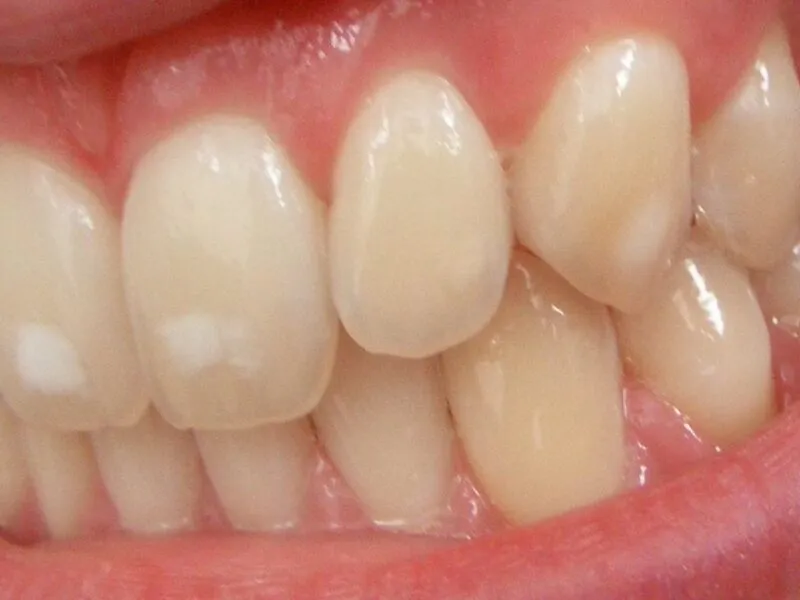
Whitening usually gives a clear lightening in healthy teeth without fillings or crowns that have yellowed with age, tea, coffee or smoking. Yellow-toned stains generally lighten more easily than grey-toned ones. Grey-brown discolouration caused by certain medicines, and fluorosis marks, may respond only to a limited degree. A single darkened tooth after root canal treatment is dealt with by a separate method of whitening from the inside.
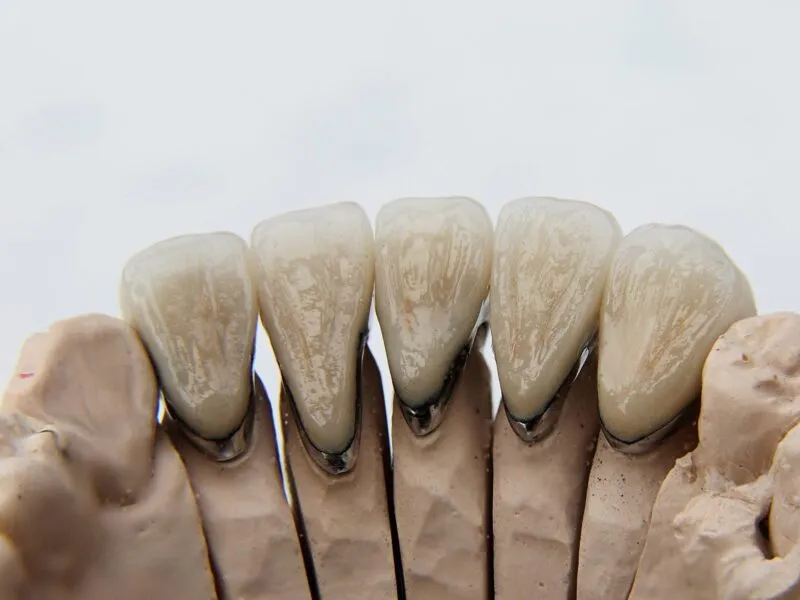
Whitening is usually postponed during pregnancy and breastfeeding, under the age of 18, when there is untreated decay or gum disease, and when root surfaces are exposed. Fillings, crowns and veneers do not change colour with whitening. If you have such restorations on your front teeth, a colour difference may appear after whitening and they may need to be replaced. If whitening cannot solve a colour problem, options such as porcelain veneers can be discussed.
Is teeth whitening bad for your teeth?
When carried out under a dentist's supervision at a suitable concentration, whitening is generally considered safe for healthy teeth. The most common side effects are temporary tooth sensitivity and gum irritation. Sensitivity usually appears during treatment or in the following few days and fades by itself. Where the gel touches the gums there may be brief whitening of the tissue or a burning feeling. Problems are seen mostly with overly frequent use, unsupervised high concentrations and treatment outside a dental setting. For more detail see our article: How is teeth whitening done, and is it harmful?
How many sessions does whitening take and how many shades lighter will teeth get?
In-office whitening is usually finished in 1 session, or 2 if needed; at-home whitening with trays usually takes 1-3 weeks. It is not possible to say in advance exactly how many shades lighter your teeth will become, because the starting colour, the type of staining and the structure of the tooth decide the result. Right after treatment the teeth may look a little lighter than they finally settle; the shade settles somewhat in the first 1-2 weeks. For this reason the result is assessed, and any decision about further treatment is made, after that period.
What should international patients know about visits?
Whitening usually needs only one visit, since in-office whitening is completed in 1-2 sessions. If a scale and polish or fillings are needed first, they can often be done during the same stay. Before you travel you can send photos of your teeth, and any existing panoramic X-ray, by WhatsApp for a preliminary assessment; the final plan is made after the in-person examination. If you choose a home kit, the trays are made during your visit and you use them at home with remote contact for questions. Later check-ups and cleanings can be done with your local dentist.
How long does the whiteness last?
The effect of whitening does not last indefinitely. The lighter shade gradually darkens again, usually over a period ranging from several months to a few years. How long depends largely on your habits. Frequent coffee, tea, cola and red wine, and smoking, bring the colour back faster. Regular brushing and a periodic scale and polish reduce surface stains. If your dentist considers it suitable, a periodic top-up with custom trays can be planned.
What should you do after whitening?
In the first 48 hours after whitening the teeth take up colour more easily, so dark foods, dark drinks and smoking should be avoided. During this period the following are recommended:
- Avoid tea, coffee, cola, red wine, tomato paste and dark sauces
- If you have sensitivity, avoid very hot and very cold foods and use the desensitising toothpaste your dentist recommends
- Use a straw for coloured drinks and rinse your mouth with water afterwards
- Do not use abrasive whitening toothpastes often
If sensitivity does not ease within a few days or gets worse, come in for a check. Two check-ups a year and a scale and polish help keep the shade.
Whitening consultation in Haliç and Pendik
Before whitening, your teeth and gums are examined at our Haliç (Hasköy, Beyoğlu) and Pendik clinics, the cause of the staining is assessed, and we discuss whether in-office or home whitening suits you. For clinic details see the Haliç clinic page.
Sources
The results of any surgical or interventional procedure may vary from person to person. It is recommended that you obtain detailed advice from your physician before the procedure. The information on this page is for general informational purposes; the treatment suitable for you is determined after an examination.