Last week a patient handed me her phone. "Could mine look like this?" On the screen, a smile run through a phone filter until it glowed. The honest answer is no. The more useful answer is this: teeth that white don't exist in nature, but yours can almost certainly come out several shades lighter than they are today. Half of what you read online about teeth whitening is advertising and another quarter is hearsay. Baking soda, lemon, charcoal, strawberries, strips that promise a new smile overnight... So let me work through the questions I get asked in the chair every single day: why teeth go yellow, how whitening is actually done, whether it damages enamel, how many years it lasts and who shouldn't have it. By the end you'll know what works and what is quietly grinding your enamel away.
Why Do Teeth Turn Yellow? You Can't Talk About Whitening Without Knowing Where the Colour Comes From
Most people assume the colour of a tooth comes from the enamel, the outer layer. It doesn't. Enamel is nearly translucent, a bit like frosted glass. The colour comes from the dentine underneath, and dentine is naturally yellowish, sometimes with a hint of grey. As we age the enamel thins and the dentine thickens, so teeth darken a little. That's why you rarely see brilliant white teeth on a seventy-year-old, even one who has done nothing wrong.
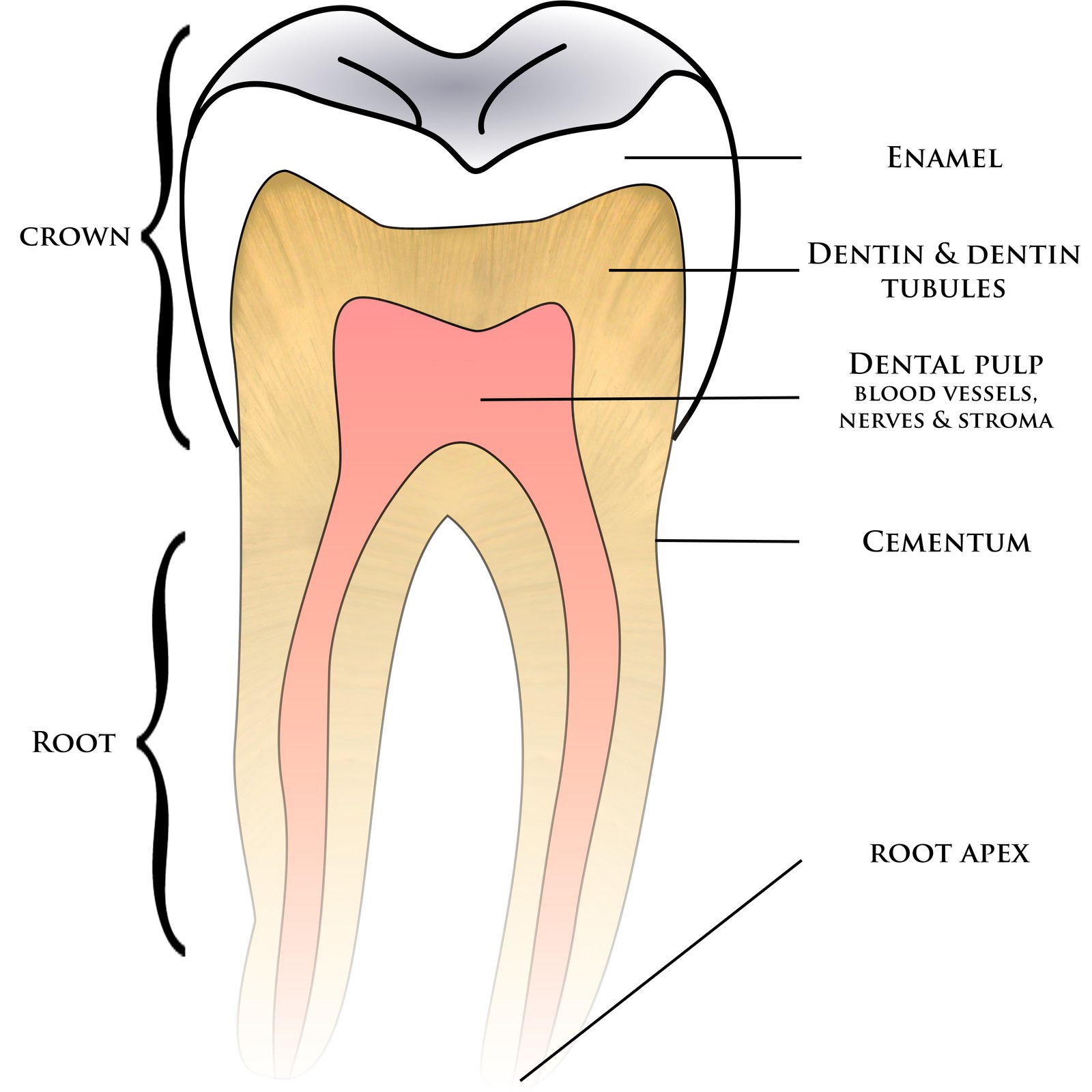
Yellowing has two separate sources, and telling them apart matters, because one responds beautifully to whitening and the other doesn't respond at all.
Stains from the outside
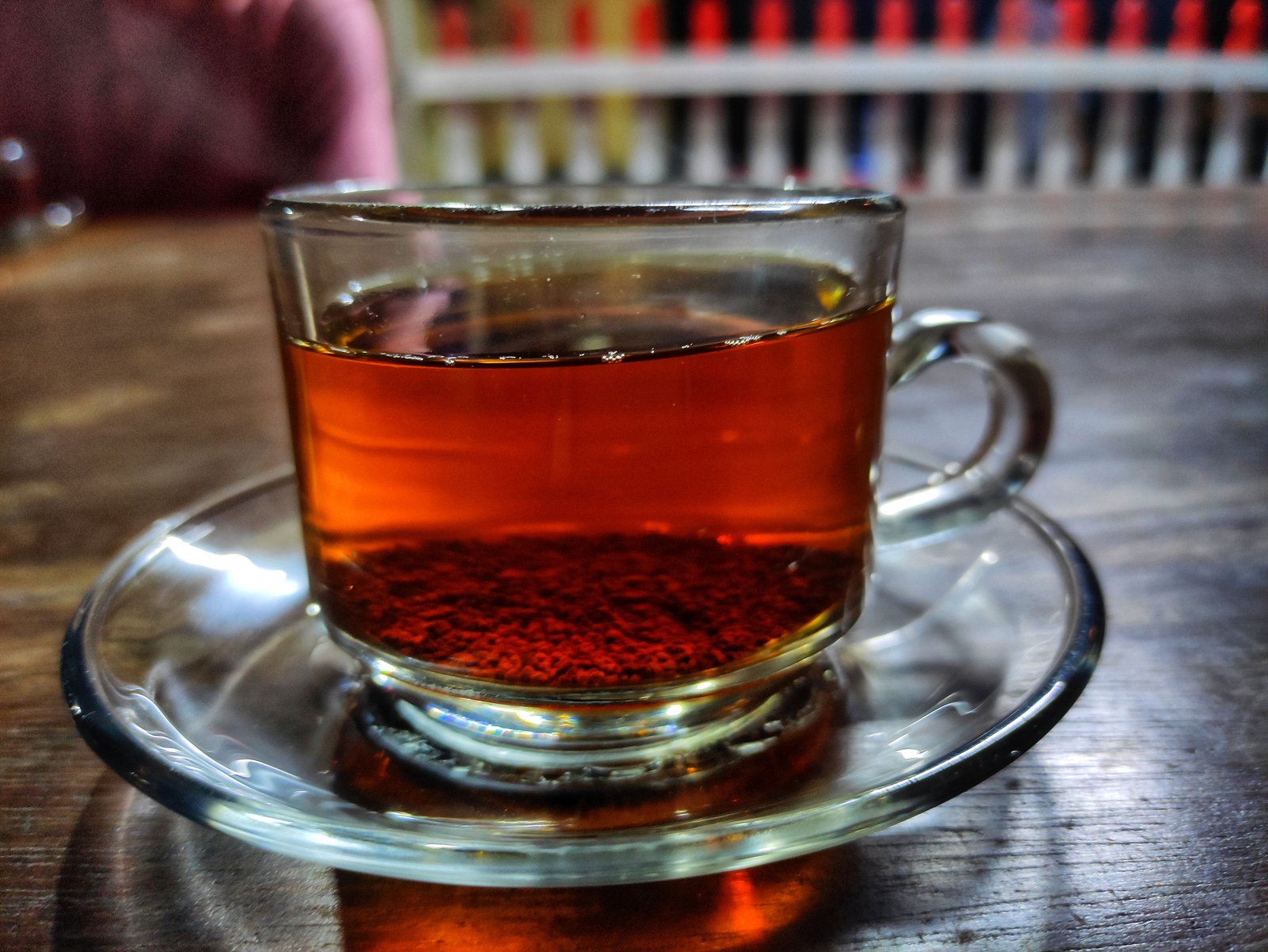
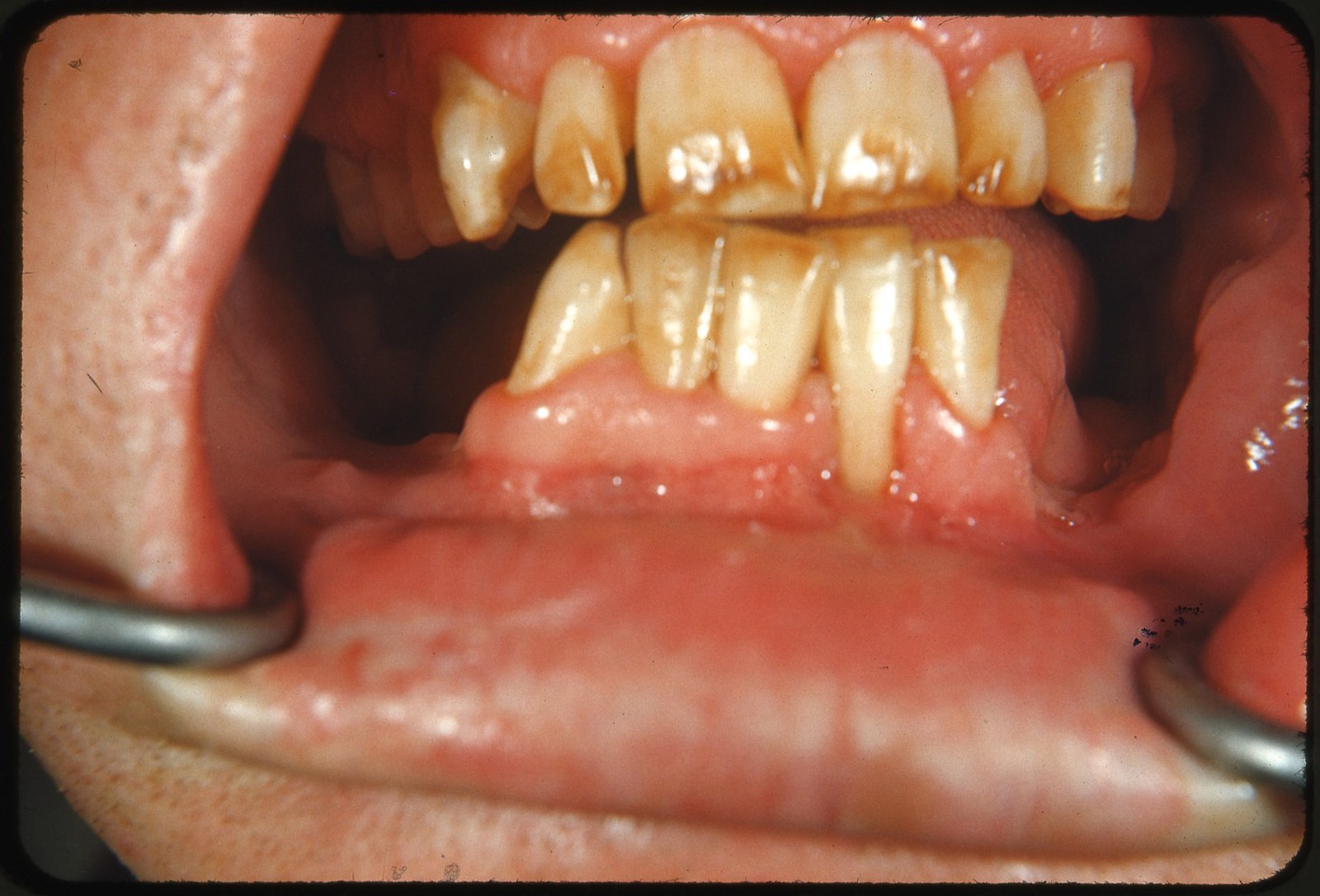
Coffee, strong tea, red wine, cola, cigarettes, pomegranate, dark cherries, soy sauce... All of them carry tannins or dark pigment. Those molecules cling to the thin protein film on the enamel surface (we call it the pellicle) and build up over months. Brushing takes some of it off; the rest stays put. The good news: most of this comes off with a professional clean and a round of whitening.

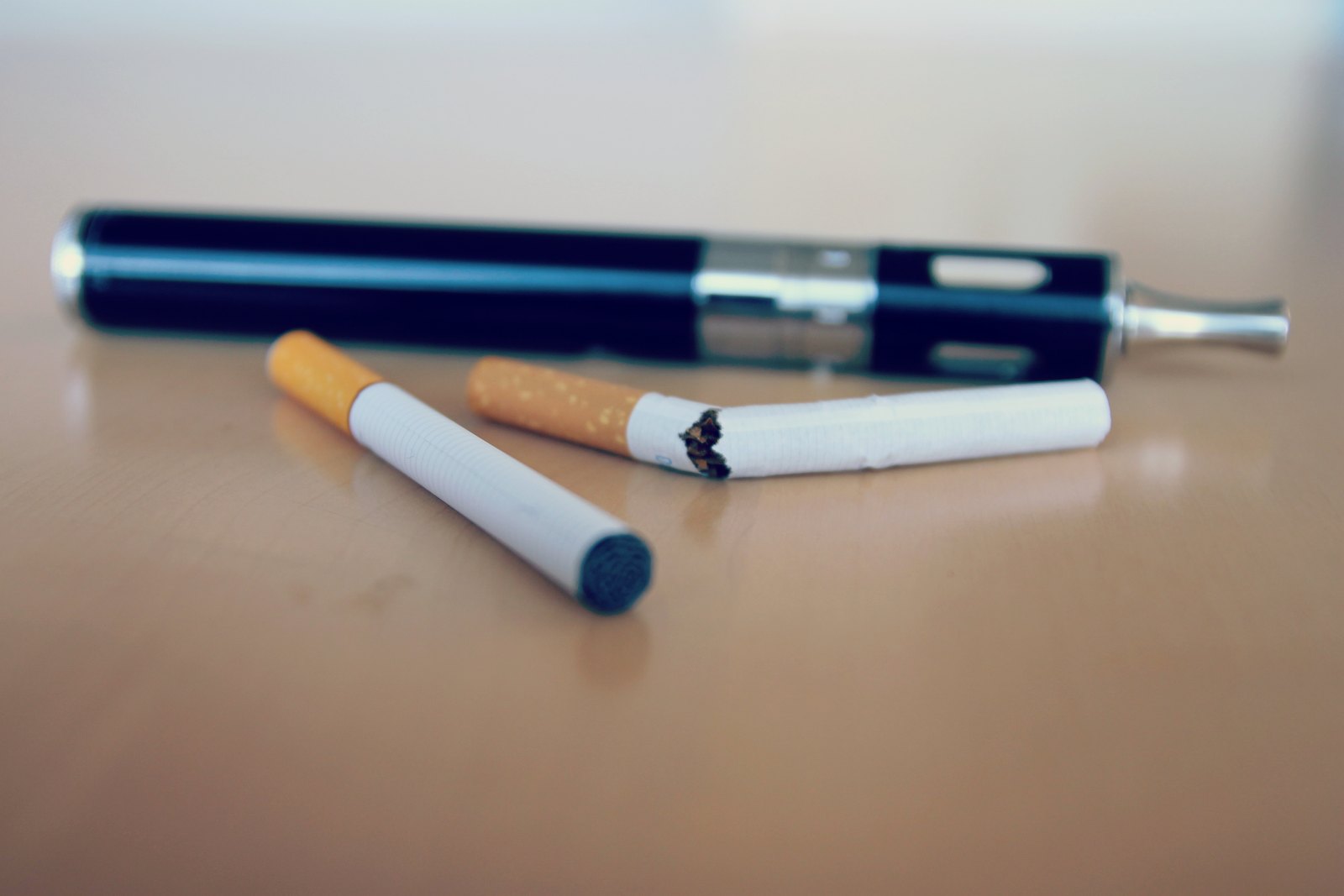
Coffee gets its own heading in my clinic, with tea a close second. When someone comes in on four or five cups a day, I can usually guess before I ask. Tea stains are actually more stubborn than coffee: a thin brown film, especially on the inside of the lower front teeth, and the stronger you brew it, the worse it gets. Smoking adds tar on top of that, and you end up with a yellow-to-brown layer that no toothbrush will shift.
Discolouration from the inside
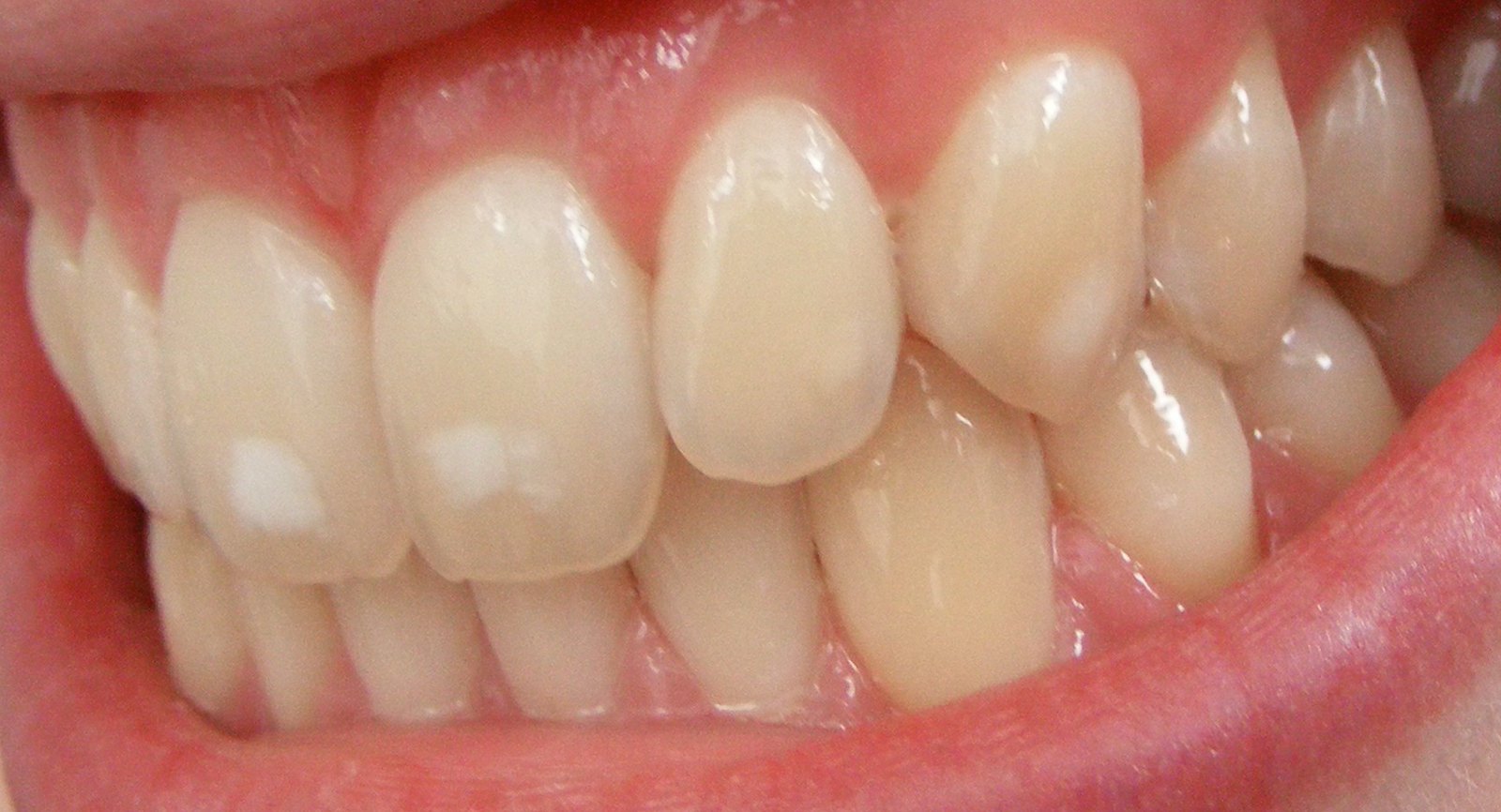
These live in the structure of the tooth itself. Certain antibiotics taken in childhood can leave grey bands across the teeth. Too much fluoride while the enamel was forming leaves white or brown patches (fluorosis). A tooth that took a knock and lost its nerve darkens on its own over the years. An old amalgam filling tints a tooth grey from within. In this group ordinary whitening works partly or not at all; the answer is usually a laminate veneer or internal bleaching of that one tooth. Working out which of these two groups you belong to is the first thing we do at the examination.
How Is Teeth Whitening Done? Methods in the Clinic and at Home
Every genuine whitening method rests on the same chemistry: hydrogen peroxide, or its slow-release cousin carbamide peroxide. The gel passes through the enamel and splits the coloured molecules in the dentine into small, colourless fragments. So it doesn't "paint" the tooth; it breaks up the thing that makes the colour. What differs is the strength of the gel and who is in control of it.
In-office whitening (at the clinic, one visit)
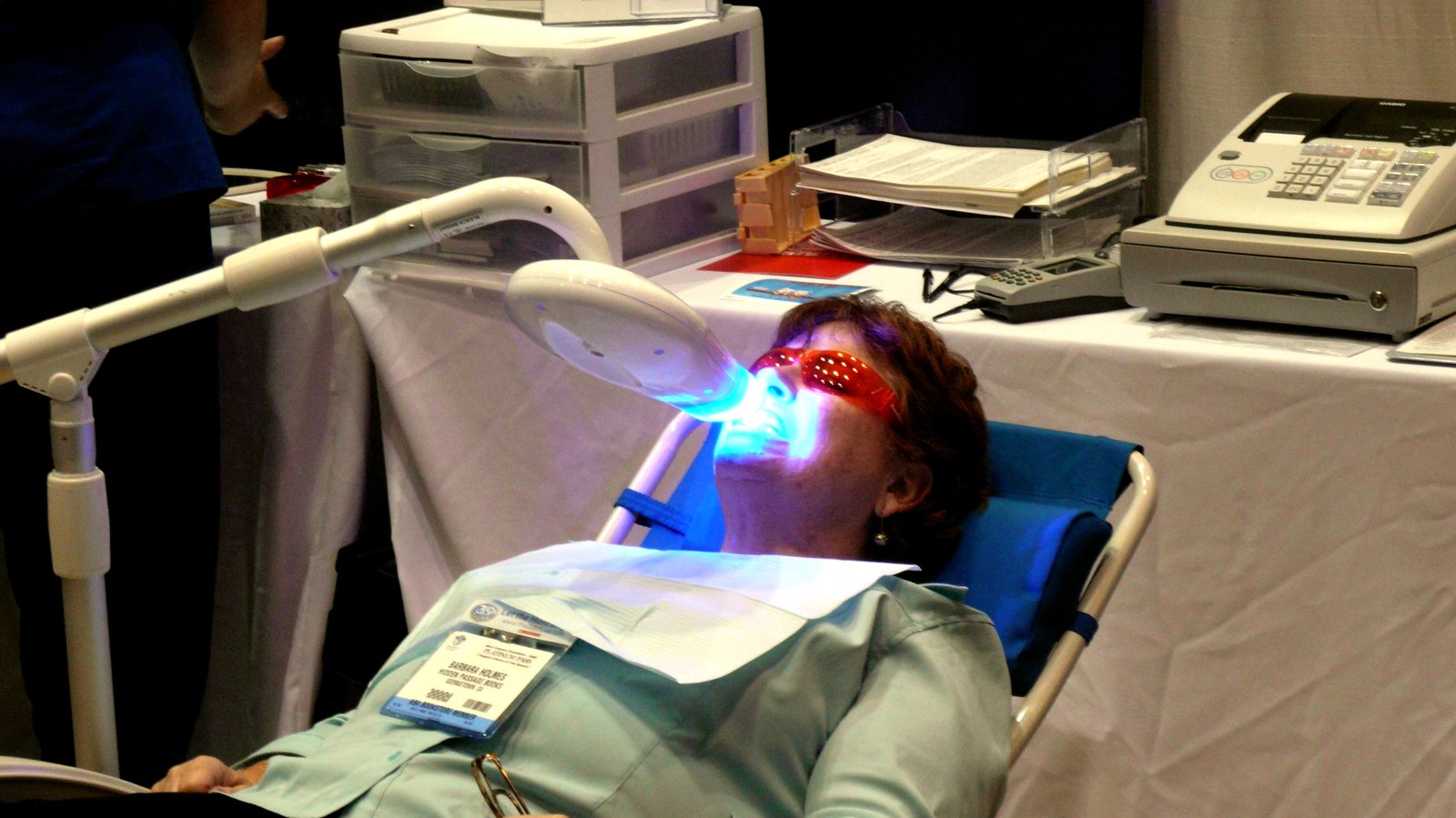
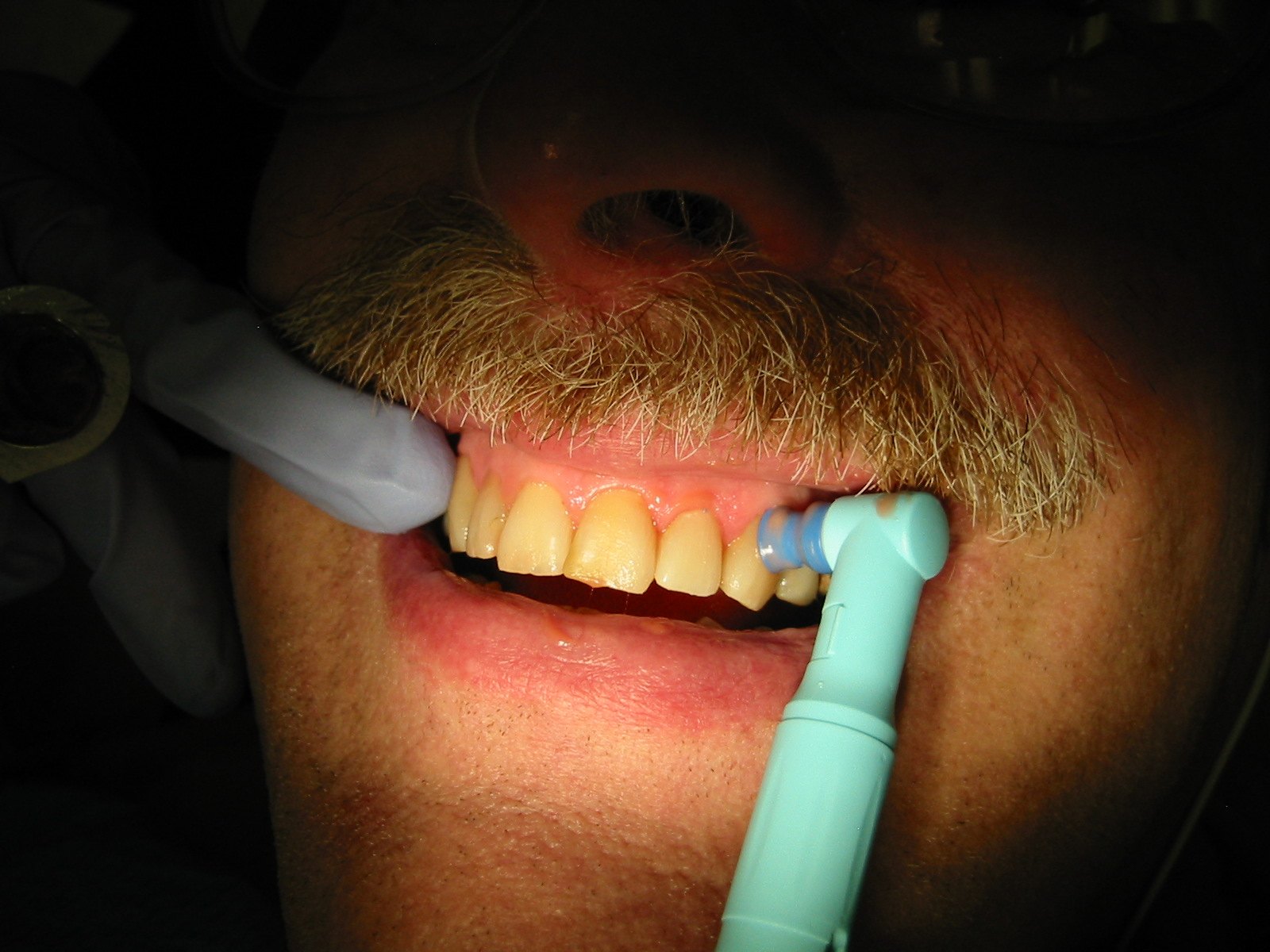
The fastest route. First we cover your gums with a flowable barrier, because high-strength gel burns gum tissue. Then the gel goes on the teeth and sits there in three or four rounds of about 15 minutes, activated by a light in some systems. You're in the chair for roughly an hour. Most patients see a few shades of difference the same day. Here's the thing nobody tells you: the gel does the work, not the light. Most of what gets marketed as "laser whitening" is the same gel sitting under a lamp. The magic isn't in the light.
At-home whitening (custom trays, supervised by your dentist)
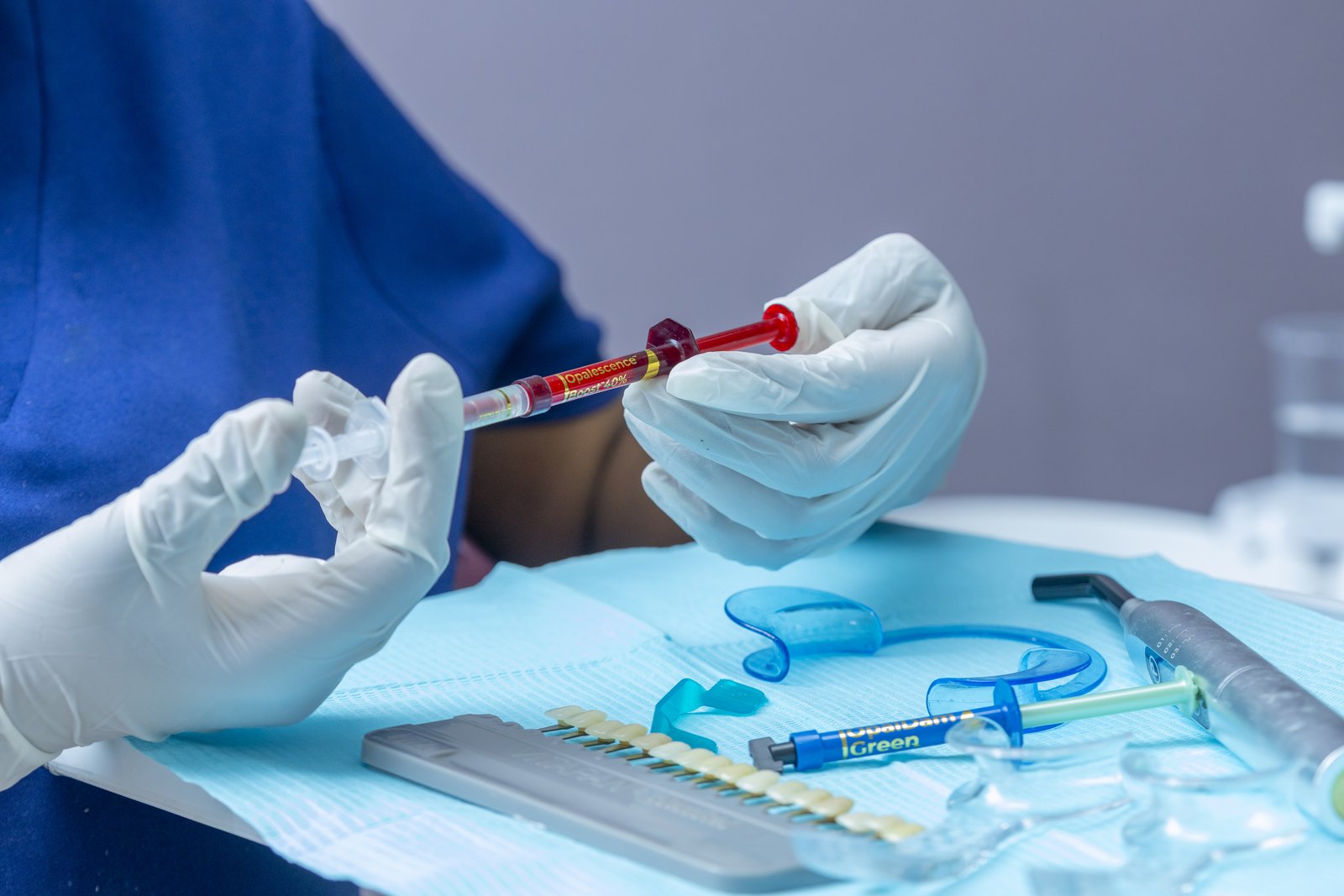
We take impressions of your teeth and make thin, clear trays that fit only you. You load a low-strength gel into the tray and wear it for a few hours each night, or an hour during the day, usually for two weeks. It's slower, but the result is more even and there's less sensitivity. Don't confuse this with the "one size fits all" trays sold at the chemist: those don't hug the teeth, so the gel leaks onto the gums and the result comes out patchy.
The combined approach
One session in the clinic, then a week of trays at home. You get the quick start and the result holds longer. For darker teeth, and for the patient who says "the wedding is in two weeks", this is the plan we suggest most often. The details are on our teeth whitening treatment page.
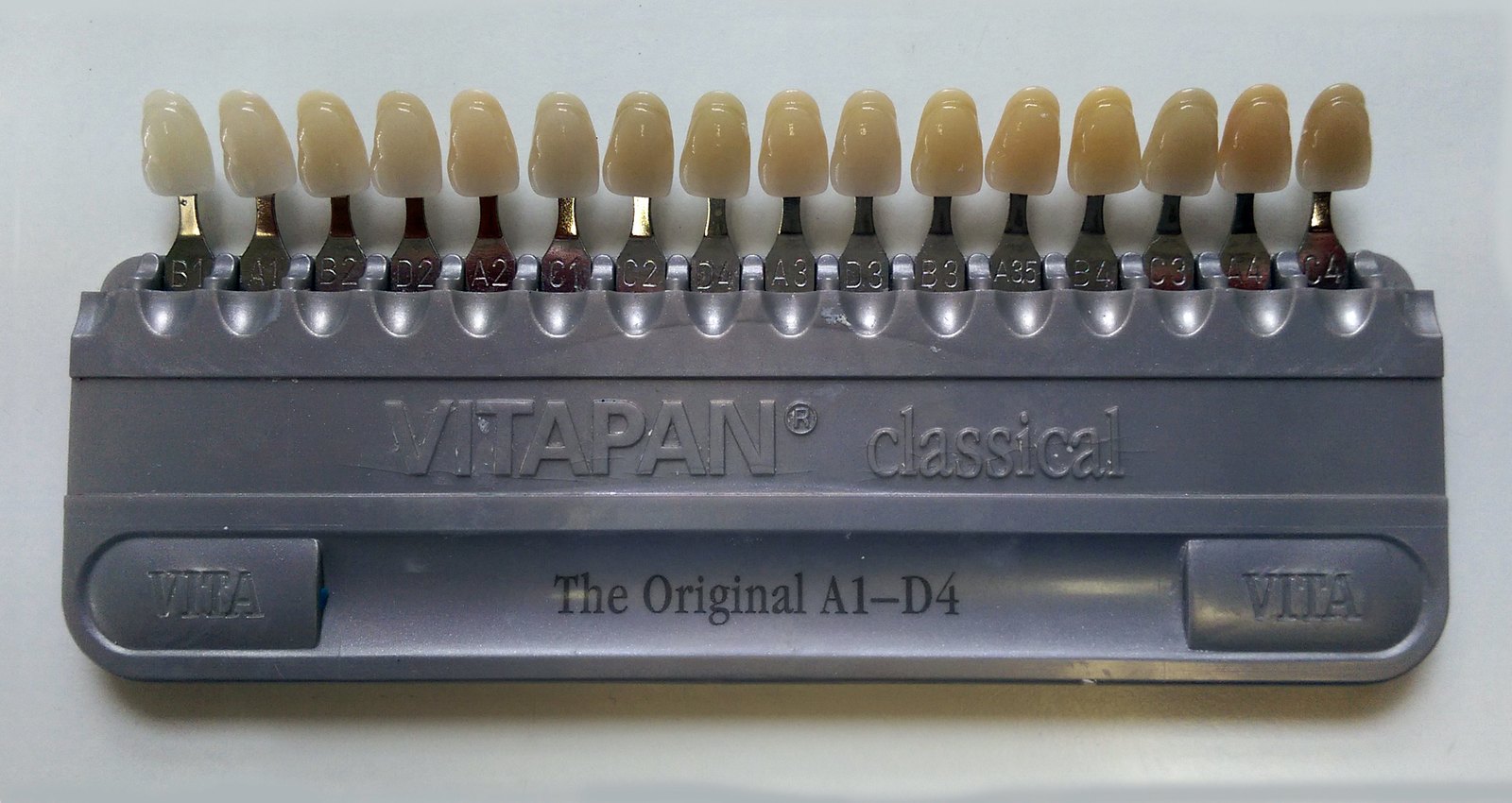
Then there's the question of measuring. Before we start we record your tooth colour against a shade guide; when we finish we check it against the same guide. "It hasn't really changed, has it?" is something I hear a lot, because the eye adjusts to the new colour within a few days. The shade guide doesn't adjust.
Is Teeth Whitening Harmful? The Truth About Enamel and Sensitivity
This is the question I'm asked most, so I won't dance around it. Peroxide applied under a dentist's supervision, to healthy teeth, at the right strength and for the right length of time, does not thin enamel, does not "dissolve" it and does not cause decay. This has been studied for decades and the findings are consistent. Damage shows up in three situations:
- Uncontrolled use. Wearing a high-strength gel bought online for hours at a time, day after day. The enamel dries out temporarily, sensitivity goes through the roof, and the gums turn white and peel.
- Whitening a tooth with decay or a crack. The gel finds its way through the cavity to the pulp and that tooth throbs for days. The examination before whitening isn't a formality.
- Abrasive "natural" methods. Lemon, baking soda, charcoal: they don't whiten, they scrape. More on those in a moment.
As for sensitivity: yes, it happens. Roughly half of patients describe a short, electric twinge with cold drinks for a day or two afterwards. It passes; the microscopic channels the gel opens up close again within a few days. If your teeth are already sensitive because of receding gums or worn enamel, we talk about that first, prepare for a few weeks with a sensitivity toothpaste, and whiten after that. We covered this at length in our piece on receding gums.
Teeth Whitening at Home: Baking Soda, Lemon, Charcoal, Strawberries... Does Any of It Work?
Forgive me, I get a little cross on this subject. At least once a month someone tells me "I whitened them with lemon and baking soda" and I look up to find front teeth that are worn, see-through at the edges and screaming at anything cold. Let's take them one at a time:
- Baking soda: Mildly abrasive. It scrapes off some surface stain and can't touch the colour of the dentine. Once a week, a tiny amount mixed into your toothpaste, fine. Every day and it thins the enamel, and the tooth looks yellower. Yes, yellower: the thinner the enamel, the more the dentine beneath shows through.
- Lemon, vinegar, apple cider vinegar: Acid. It softens the enamel, and the next pass of the brush scrapes it away. The only thing rubbing these on your teeth achieves is permanent wear. Please don't.
- Activated charcoal: The fashion of the last few years. It's abrasive, not a whitener, and the black powder settles into the gum line and the edges of fillings. Studies haven't shown any whitening effect.
- Strawberries, banana peel, turmeric: Harmless, and they do nothing. The malic acid in strawberries softens enamel, for good measure.
- Whitening toothpastes: They contain a fine abrasive and sometimes a very low dose of peroxide. They reduce surface stains; they don't lighten the tooth's own colour. Useful for holding on to your result after whitening, but not "whitening" on their own.
- Strips and pens from the chemist: Low-strength peroxide; on mild yellowing they can give you a shade or two. Gel creeping onto the gums and an uneven result are the usual complaints. If you have no cavities and modest expectations, it's a harmless experiment. Just don't expect a transformation.
How Long Does Whitening Take, and How Long Does It Last?
In-office whitening gives you the result in one session; the at-home version takes 10 to 14 days. How long it lasts is entirely down to you. Carry on with tea, coffee and cigarettes as before and the colour starts to drift back within 6 months; look after it and you get 2, sometimes 3 years. A short "top-up" session once a year, or a few nights in the trays at home, is usually all it takes. Don't expect us to put a guarantee on it: there are two hundred variables in a mouth, and the biggest one is the mug in your hand.
The first 48 hours are a story of their own. The enamel stays "open-pored" for a few days after treatment, and whatever you drink in that window soaks in. In the clinic we call it the "white diet rule": nothing on your plate that isn't white. Milk, yoghurt, chicken, white cheese, rice, bananas, pasta: yes. Coffee, tea, cola, cherries, pomegranate, beetroot, tomato sauce and cigarettes: no. Hold out for two days, then go back to normal.
Who Shouldn't Have Whitening? Fillings, Crowns, Pregnancy and Age
Here's the fact that surprises patients most: whitening only lightens natural tooth. A composite filling at the front, a zirconia crown, a porcelain veneer or a crown on an implant won't change colour at all. You lighten your teeth, the old filling stays exactly the shade it was, and suddenly it stands out. So for anyone with fillings in the front, the order is always the same: whiten first, give the colour two weeks to settle, then redo the fillings to match the new shade. Do it the other way round and you pay for the filling twice.
Situations where we postpone whitening or don't do it at all:
- Untreated decay, a fracture, or a crack running down into the root canal.
- Active gum inflammation and bleeding; gum treatment first, whitening after. We explained why gums bleed in our bleeding gums article.
- Pregnancy and breastfeeding. No harm has been shown, but there's no urgency either; we wait.
- Under 16. The pulp chamber is still large and the risk of sensitivity is high; we usually wait until 18.
- Severe enamel wear and advanced gum recession. Exposed root surface doesn't whiten, and it becomes very sensitive.
- Antibiotic grey banding and advanced fluorosis. Whitening disappoints here, so we talk honestly about laminates or a smile design instead.
One of my teeth is darker than the others. What can be done?
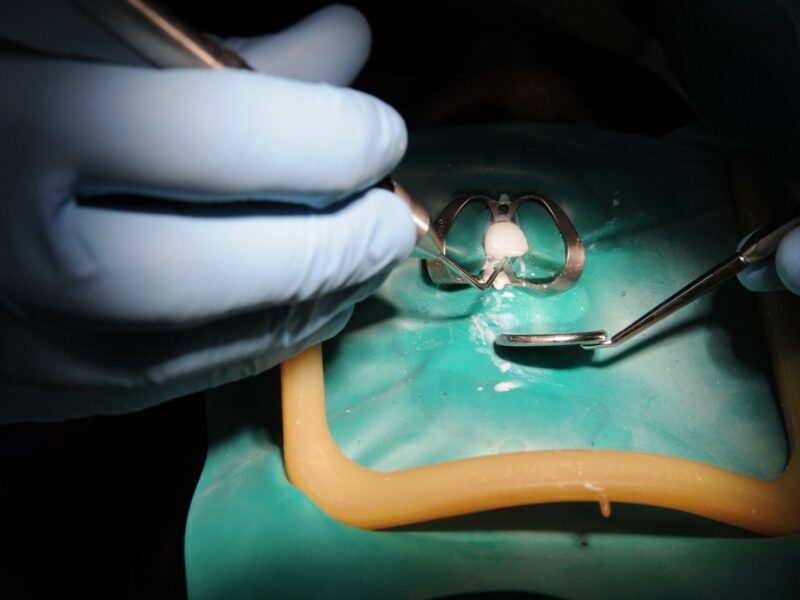
This one comes up several times a week, and the answer isn't ordinary whitening. A single dark tooth usually tells the story of an old knock, a dead nerve or a root canal treatment. Painting gel on the outside of a tooth like that gets you nowhere. Instead we place a low-strength gel inside the tooth, at the entrance to the canal, seal it with a temporary filling and refresh it every few days. We call this internal bleaching. Over three or four visits it gets close to its neighbours; sometimes it never quite catches up, and then a thin laminate on that one tooth is the cleanest fix. An X-ray first, then the decision.
Three common myths
"Whitening rots your teeth." No. Peroxide doesn't cause decay; put it on a tooth that already has decay and you get pain, that's all. "Once you've done it you have to keep doing it." No. Stop and the tooth drifts back to its old colour; it doesn't go darker than it was. "Leave it on longer and it gets whiter." No. Every tooth has a limit to how far it can lighten, and past that point extra time buys you nothing but sensitivity. Know these three and you protect your teeth and your wallet.
Before and After Whitening: The 10 Rules We Give in the Clinic
- Examination and a scale and polish first. Gel applied over tartar never reaches the tooth; sometimes the clean alone lifts two shades and whitening turns out to be unnecessary.
- If your teeth are sensitive, start a sensitivity toothpaste two weeks before the appointment.
- Brush before you come in on the day. No need for painkillers.
- White diet rule for the first 48 hours. A straw helps with coffee, but I've yet to meet anyone who drinks tea through a straw, so give it two days off.
- No smoking for at least three days. Might be a good excuse to stop altogether.
- First week: no whitening toothpaste. A fluoride toothpaste or a sensitivity toothpaste, and a soft brush.
- If cold sensitivity lasts beyond three days, call us and we'll take a look.
- If you're using home trays, a grain of rice of gel per tooth is enough; anything that spills over irritates the gum.
- Wait two weeks before replacing front fillings or crowns, so the colour has fully settled.
- A check-up and clean every six months. What keeps the colour longest isn't whitening toothpaste. It's clean teeth.
One last word, and back to that phone photo. In a real smile the teeth sit a touch darker than the whites of the eyes; teeth the same shade as the whites of the eyes make a face look artificial. The goal isn't "blinding white". It's a clean, lively shade that suits your face, your skin and your age. If your teeth have yellowed, let's work out why together first; the answer is often simpler than you think, and sometimes different from what you think. A whitening consultation at our Haliç and Pendik clinics doesn't take long, and the decision is one we make together.
Frequently Asked Questions
Is teeth whitening harmful?
Peroxide gels applied by a dentist to healthy teeth at the right strength do not cause lasting damage to enamel. Short-lived cold sensitivity can occur and settles within a few days. Damage comes from uncontrolled high-strength products and from abrasive home methods such as lemon, baking soda and charcoal.
How many years does teeth whitening last?
Depending on your tea, coffee and smoking habits, anywhere from 6 months to 3 years. A short top-up session once a year, or a few nights in home trays, keeps the colour. Results differ from person to person.
Can you whiten teeth at home with baking soda and lemon?
No. Baking soda lightly scrapes the surface, and the acid in lemon softens enamel and leads to permanent wear. Neither lightens the tooth's own colour; as enamel thins, teeth actually look yellower.
What should you not eat after teeth whitening?
For the first 48 hours stay away from anything dark: tea, coffee, cola, red wine, cherries, pomegranate, beetroot, tomato sauce, soy sauce and cigarettes. Light-coloured foods such as dairy, chicken, white cheese, rice and bananas are fine.
Do fillings and crowns whiten too?
No. Whitening only lightens natural tooth tissue; composite fillings, zirconia, porcelain veneers and crowns on implants do not change colour. Fillings in the front teeth are replaced to match the new shade two weeks after whitening.
Does teeth whitening cause sensitivity?
Around half of patients notice brief cold sensitivity for a day or two after treatment. A sensitivity toothpaste, a fluoride application and a lower-strength gel shorten this; if sensitivity lasts beyond three days, see your dentist.
Can you have teeth whitening while pregnant?
Whitening is postponed during pregnancy and breastfeeding. No harm has been shown, but since it is not an urgent procedure it is better left until after the birth and after breastfeeding.
Which is better, in-office or at-home whitening?
In-office whitening gives a fast result in a single session; at-home trays work more slowly over two weeks but lighten more evenly with less sensitivity. For darker teeth, combining the two gives the longest-lasting result. The choice is made at the examination based on tooth colour and sensitivity.