It was twenty to nine in the evening when the phone rang, and the voice on the other end was out of breath. "Doctor, we're at a football pitch in Kasımpaşa, the ball hit his face and half of his front tooth is gone. I have the piece, wrapped in a napkin." Within twenty minutes two men walked through the door, one pressing a hand to his mouth, the other holding the napkin like a ring box. They had searched for an emergency dentist Istanbul Beyoğlu and were trying to find somewhere open late. That evening made me decide to write this guide, because the first half hour after a dental accident can matter more than the treatment the next day. Let's go through it in order, what can wait, what cannot, and when you should skip the dentist and go straight to a hospital.
Emergency dentist Istanbul Beyoğlu, when do you need one?
Not every toothache is an emergency. That is easy to say and hard to hear when you are in pain, because everything feels urgent and waiting until morning feels endless. Still, the situations we treat as emergencies are fairly clear. Pain that does not respond to painkillers and keeps you awake. A tooth that is broken, cracked or loose. Swelling in the gum or cheek. An adult tooth knocked out of its socket. Bleeding after an extraction that will not stop.
Other problems matter too but can usually wait a day or two. Brief sensitivity to cold, a small filling that has come out, a crack that does not hurt. Even so, "can wait" does not mean "forget about it". Most problems that are left alone come back two weeks later at midnight.
Our Haliç clinic is in Hasköy and is open Monday to Saturday from 09.00 in the morning until 22.00 in the evening. We are closed on Sundays. Planning to come late? Call first. We will tell you over the phone how busy we are and how soon we can see you, so you do not make the trip for nothing.

When should you go to a hospital emergency room?
This is the most important part. If any of the following applies, do not lose time calling a dental clinic. Go to the nearest hospital emergency room or call 112.
- Facial swelling is spreading toward the eye, or the eye is closing.
- Swelling is moving down into the neck or under the jaw, and swallowing or breathing is getting difficult.
- There is a high fever, shivering or marked weakness.
- After a fall or accident the jaw seems out of place and the mouth will not close.
- There was a head injury along with dizziness, vomiting or confusion.
- Bleeding in the mouth has not stopped after half an hour of firm pressure.
A tooth infection can, rarely, spread into the deep tissues of the face and neck, and that is something to be managed in a hospital, not in a dental office. The UK's NHS also advises going straight to emergency care in its dental abscess guidance when swelling makes breathing or swallowing hard.
What should you do when a toothache starts in the evening?
A throbbing ache that begins at nine often gets worse at night. Lying down sends more blood to your head and the pain follows. Start with the simple things. Keep your head raised on a few pillows. Rinse with warm salty water. Take a painkiller at the dose on the box, if it is suitable for you. A cold compress on the outside of the cheek can help. Do not use a hot compress, because it may increase swelling.
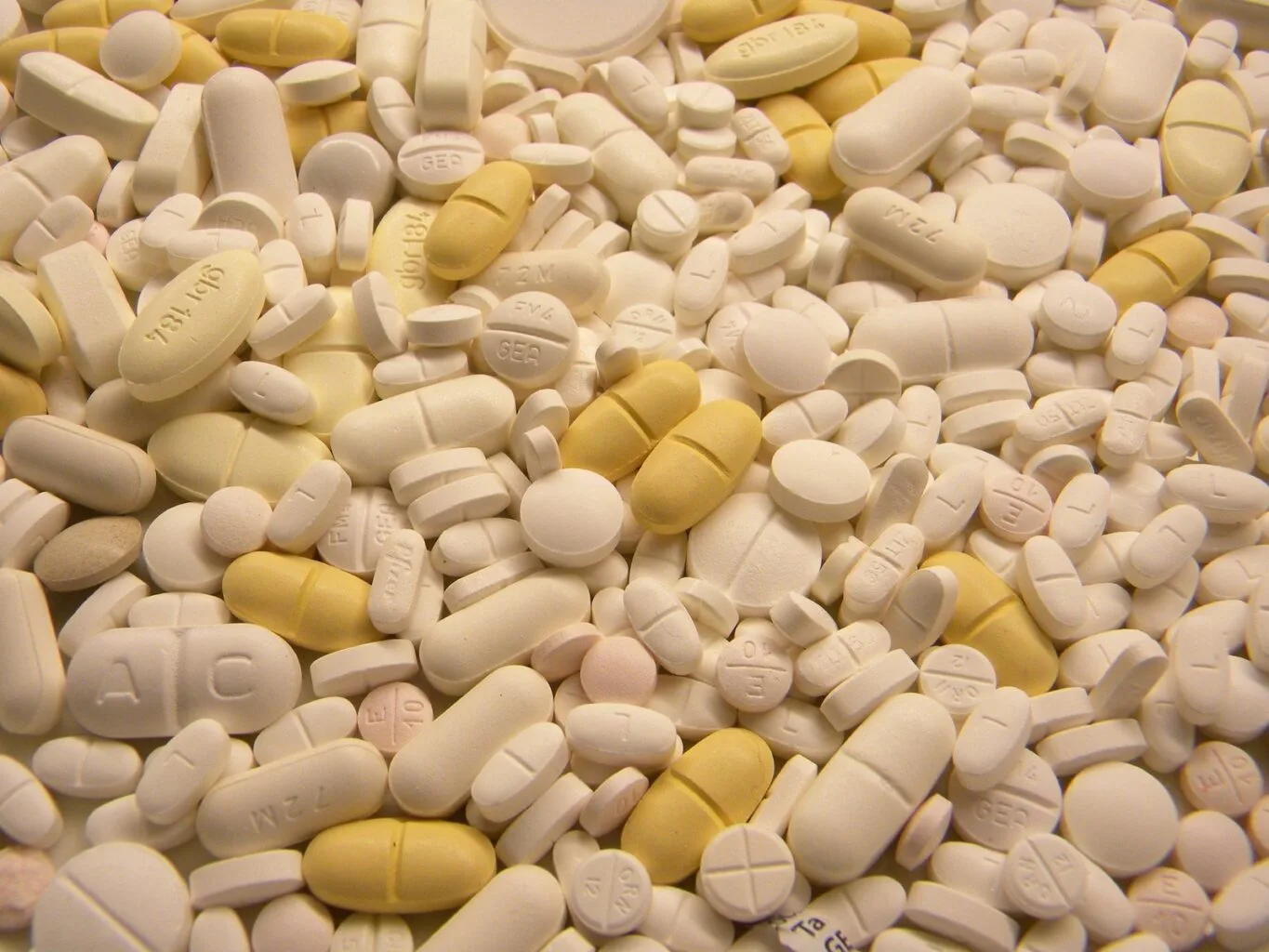
There are things to avoid as well. Placing an aspirin on the tooth burns the gum. Rubbing alcohol, cologne or clove oil on the tooth can irritate the tissue in the same way. Do not start an old antibiotic from a box at home on your own. The cause of the pain is not always an infection, and the wrong medicine can mask the real problem.
One more warning. If a tooth that has throbbed for days suddenly goes quiet, do not celebrate. The nerve may have died, and the infection can quietly move toward the tip of the root. In that case root canal treatment is often needed. Our toothache guide, which explains the causes in more detail, may also help.
What should you do if a tooth is broken or cracked?
Football, cycling, a swing at the playground, and the odd olive pit. Broken teeth usually come from one of these. First rinse your mouth with warm water. If you found the broken piece, do not throw it away. Put it in a clean container and add milk or saline solution, or keep it moist with a little water if you have neither. In some cases the fragment can be bonded back onto the tooth.
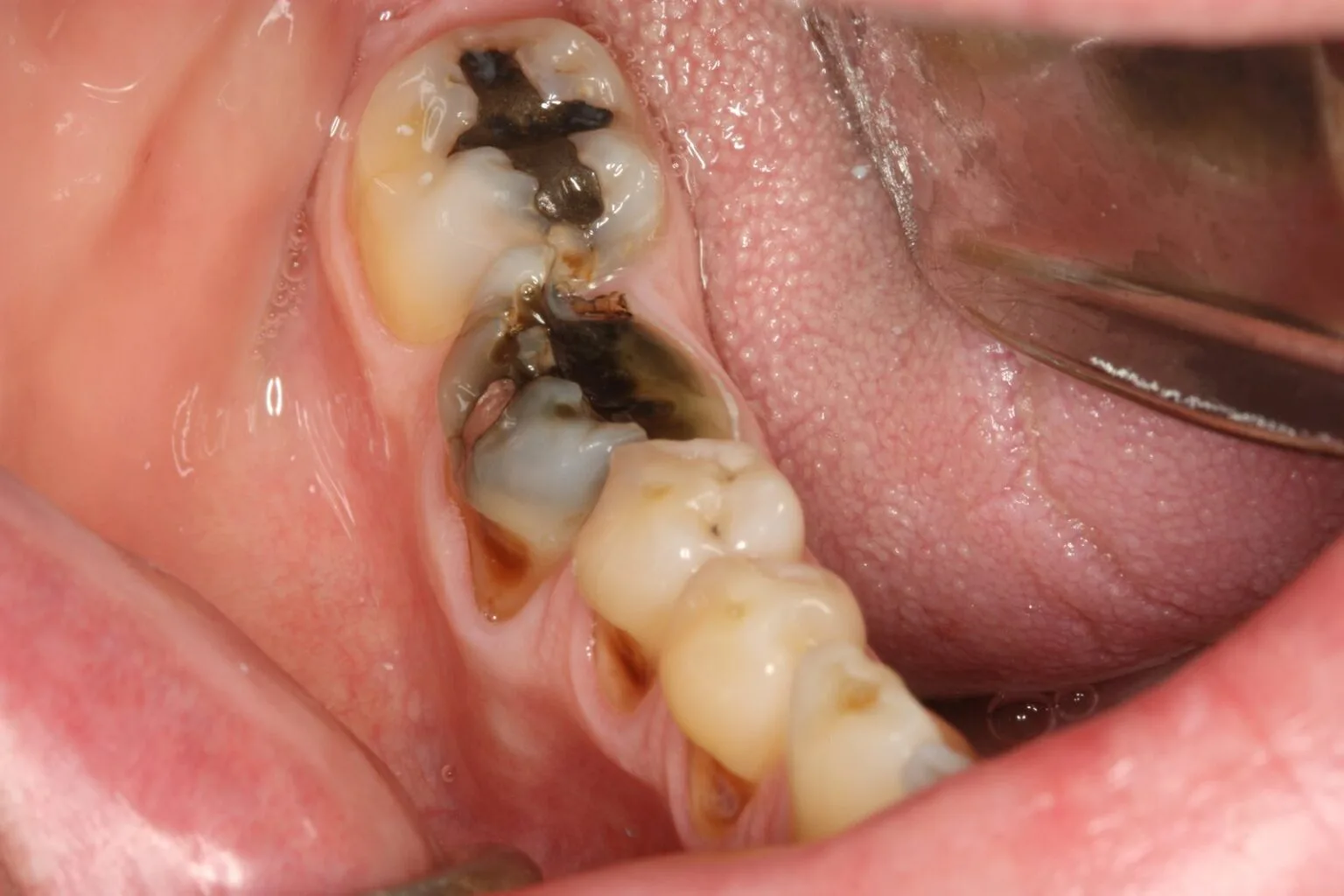
When the break is small and there is no pain, coming the next day may be enough. If you see a pink or red spot in the broken area, the nerve is exposed. That is an emergency and needs to be seen the same day. The longer the nerve stays exposed, the lower the chance of saving the tooth without a root canal.
Cracks in back teeth are sneaky. You bite down and feel a flash of pain that disappears when you let go. We tell patients who describe this to avoid chewing on that side and to come in for an exam as soon as possible. If the crack travels, the root of the tooth can split.
What should you do if a tooth is knocked out?
This is the only dental emergency where minutes truly count. If an adult tooth has come out completely, do the following.
- Hold the tooth by the white, shiny crown, not by the root.
- If it is dirty, rinse it briefly with milk or saline. Do not scrub it or brush it.
- If you can, put the tooth straight back into its socket and hold it in place by biting on a clean handkerchief.
- If you cannot, put the tooth in a glass of milk or keep it inside your cheek. Do not wrap it in a dry napkin.
- Get to a dentist without wasting time.
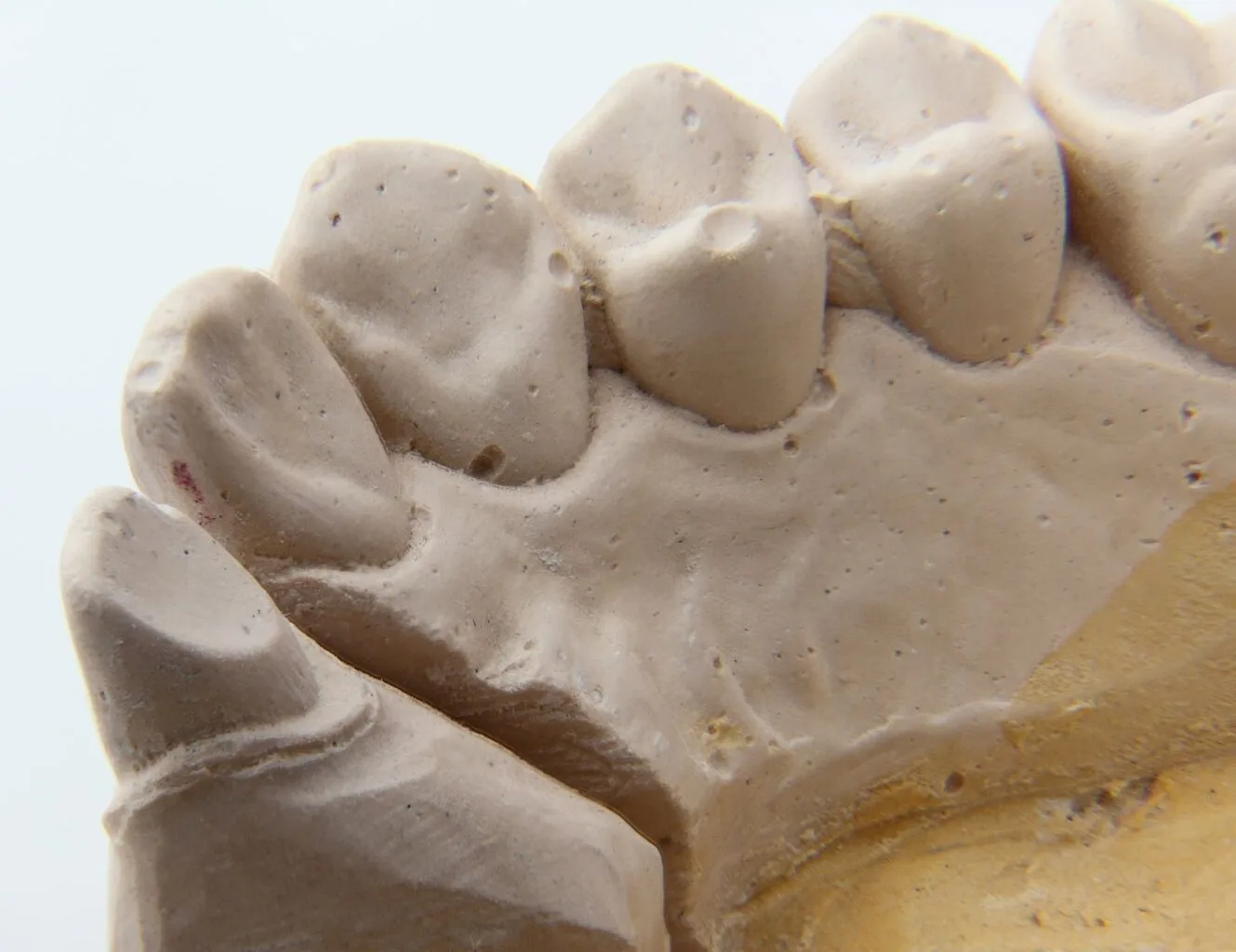
The rule is different for baby teeth. Do not try to push a knocked-out baby tooth back in, because it can damage the adult tooth developing underneath. Still bring the child in for an exam. The NHS broken or knocked-out tooth page summarises these steps clearly and briefly.
Sadly, not every knocked-out tooth can be saved. If it cannot, we can later talk about dental implant treatment or other options to close the gap. But first let's give the tooth itself a chance.
Can facial swelling be an abscess?
It can. Pus collecting at the tip of a tooth root or in the gum causes swelling in the cheek or jaw. It is usually accompanied by throbbing pain, a bad taste in the mouth, and sometimes a pimple-like bump on the gum. When the bump bursts the pain may ease, but that does not mean it has healed.
When the swelling is limited, there is no fever, and breathing and swallowing are comfortable, see a dentist the same day or early the next morning. The infection needs to be drained and its source treated. Antibiotics are sometimes necessary but are not a solution on their own. An abscess whose source is not treated swells up again after a few weeks. If the swelling reaches the eye or neck, go back to the list above and head to a hospital.
What should you do if a filling or crown comes off?
A lost filling is usually not an emergency, but it should not be left either. Once the inner part of the tooth is exposed, decay moves faster, and a small filling can turn into a root canal within a few weeks. The exposed tooth may be sensitive to hot and cold, and a sharp edge can cut your tongue. Avoid chewing on that side and come in the next day or at the first available appointment.
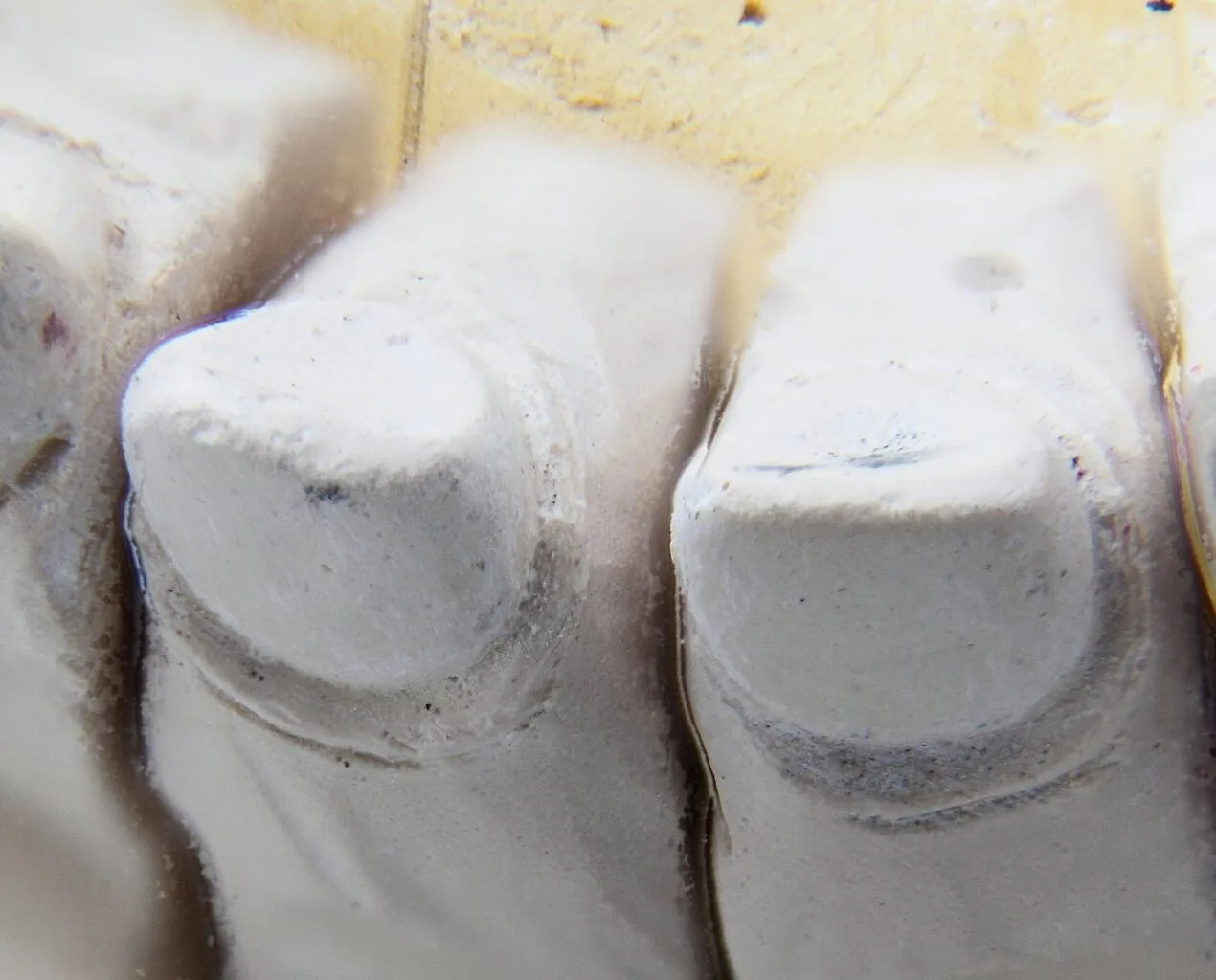
Once a crown or bridge has come off, keep it and bring it with you. It can often be cleaned and cemented back. I have one request. Please do not try to glue it back yourself with household super glue. Some of our patients have tried, and removing the crown afterwards strains the tooth as well. If you are curious how zirconia or porcelain crowns are made, see our zirconia crown article.
What should you do if bleeding does not stop after an extraction?
A slightly pink tinge in your saliva during the first hours after an extraction is normal. Red bleeding that keeps filling your mouth is not. Place a clean piece of gauze or a folded handkerchief over the extraction site and bite down firmly for thirty minutes without a break. Do not talk while biting and do not keep opening to check.
Should bleeding continue, call the dentist who did the extraction. If you take blood thinners, you should have told your dentist before the extraction. If you did not, tell them now. If blood is still flowing after half an hour of pressure and you cannot reach your dentist, go to a hospital emergency room.
What if a wisdom tooth is swollen and you cannot open your mouth?
When the gum over a partly erupted wisdom tooth becomes inflamed, you get swelling, pain, a bad taste and difficulty opening your mouth. It usually flares up during exam week, a busy period at work, or after a cold. Rinsing with warm salty water and cleaning the area gently with a soft brush can help during the first night.
Once you cannot open your mouth the width of two fingers, or if swelling is moving down toward the neck, do not wait. Once the inflammation has settled, we look at an X-ray to decide whether the tooth should be removed. We describe the process in our wisdom tooth extraction article.
What should you do if a child breaks a tooth in a fall?
Children fall off swings, bump into the corner of a coffee table, fly off bikes. Seeing blood in the mouth, parents panic, which is understandable, but lips and gums are very vascular and the amount of blood always looks frightening. First press gently with a clean cloth, calm the child, and look at the teeth.
When a baby tooth is loose or has been pushed into the gum, bring the child in the same day, since the adult tooth bud sits right behind it. If a permanent front tooth is broken or knocked out, follow the steps above. Also check that the child's tetanus vaccination is up to date, and if there was contact with soil, talk to your paediatrician. You can find more about our young patients on our paediatric dentistry page.
What should you bring when you come to an evening dental clinic?
People forget these things in a hurry.
- The names of the medicines you take, especially blood thinners and blood pressure tablets.
- Any allergies you have, especially to medicines.
- The broken piece, the crown that came off, or the knocked-out tooth, in a container of milk.
- A photo on your phone of any X-ray taken in the last year.
- The vaccination card, if the patient is a child.
Do not come on an empty stomach. Should a long procedure be needed, low blood sugar and dizziness make things harder. Eat something and brush your teeth before you come, or if the pain stops you eating, at least have a sweet drink.
How do you reach an evening dental clinic in Beyoğlu?
Our Haliç clinic is on Hasköy Street, between Kasımpaşa and Sütlüce. Because ferry services are fewer in the evening, most patients coming from Taksim, Cihangir and Kasımpaşa arrive by taxi or by car, and parking is available. You can find every transport option, district by district, in our Beyoğlu dental clinic guide. The address, map and phone number are on our Haliç branch page.

Our clinic is closed on Sundays and after 22.00. If there is a real emergency at those times, hospital emergency rooms are open, and some public oral and dental health centres run an on-duty service. If the problem can wait, keep the pain under control and call us at 09.00 in the morning.
Frequently asked questions
Is there an evening dental clinic in Beyoğlu?
Our Haliç clinic in Hasköy is open Monday to Saturday between 09.00 and 22.00 and closed on Sunday. If you plan to come late in the evening, call first and we will tell you when we can see you. For pain, a broken tooth or swelling, we try to make room for a same-day examination.
Which dental problems count as emergencies?
Pain that does not respond to painkillers, facial swelling, a broken or knocked-out tooth and bleeding that will not stop after an extraction count as emergencies. A small lost filling or brief sensitivity can wait a day or two. Problems that wait should still not be ignored.
When should you go to a hospital emergency room for a toothache?
If swelling is spreading toward the eye or neck, if breathing or swallowing is getting difficult, or if there is a high fever, go to a hospital emergency room or call 112. These are situations that need to be managed in a hospital, not in a dental office.
Can a knocked-out tooth be put back?
For an adult tooth this is possible, and the first hour is very important. Hold the tooth by the crown, rinse it with milk if needed, and either place it back in the socket or bring it at once in a container of milk. A baby tooth is never put back.
Can a broken piece of tooth be bonded back on?
In some cases the fragment can be bonded back onto the tooth. For this the piece must be brought in before it dries out, in milk or saline. If the break has reached the nerve, the state of the nerve is assessed first.
What can I do at home for a toothache at night?
Lie with your head raised, rinse with warm salty water and take a painkiller at the dose on the box. You can apply a cold compress to the outside of the cheek. Do not put aspirin on the tooth and do not use a hot compress.
Will a dental abscess go away by itself?
No. The swelling or pain may ease for a while, but if the source of the infection is not treated it returns. A treatment aimed at the source is needed, such as root canal treatment, gum treatment or an extraction.
Can I glue a crown back on myself?
Do not use household glue, because it can damage both the tooth and the crown. Keep the crown and bring it in, since it can often be cleaned and cemented back. Until then, try not to chew on that side.
What should I do if my tooth hurts on a Sunday?
Our clinic is closed on Sundays. For a real emergency you can go to a hospital emergency room or an on-duty public oral and dental health centre. If the pain can wait, call us on Monday morning.
What should I do if a child's baby tooth is pushed into the gum after a fall?
Bring the child to a dentist the same day. The bud of the adult tooth lies right behind the baby tooth and needs to be checked for damage. Do not try to pull the tooth out yourself.
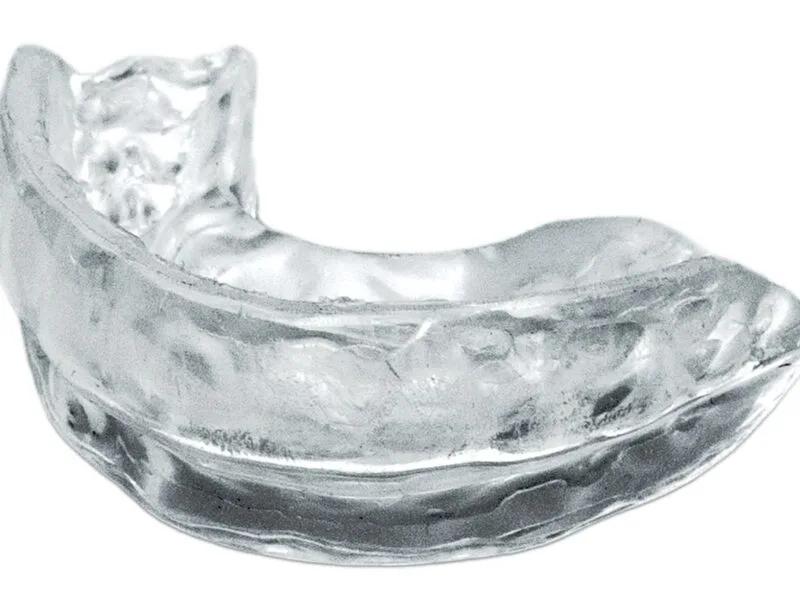
The young man from the football pitch had not let his piece dry out in the napkin, so we put it in milk. The nerve was not exposed that evening, and we bonded the fragment back onto the tooth. Two weeks later he came for his check-up with his football boots in hand, straight from a match. "Doctor, this time I wore a mouthguard," he said, and pulled one out of his pocket. That is the best moment in emergency dentistry, working so that you never have to come back.
If you are thinking of coming in during the evening with a toothache, a broken tooth or swelling, call or message us first and we will tell you right away when we can see you at our Haliç clinic. Contact page