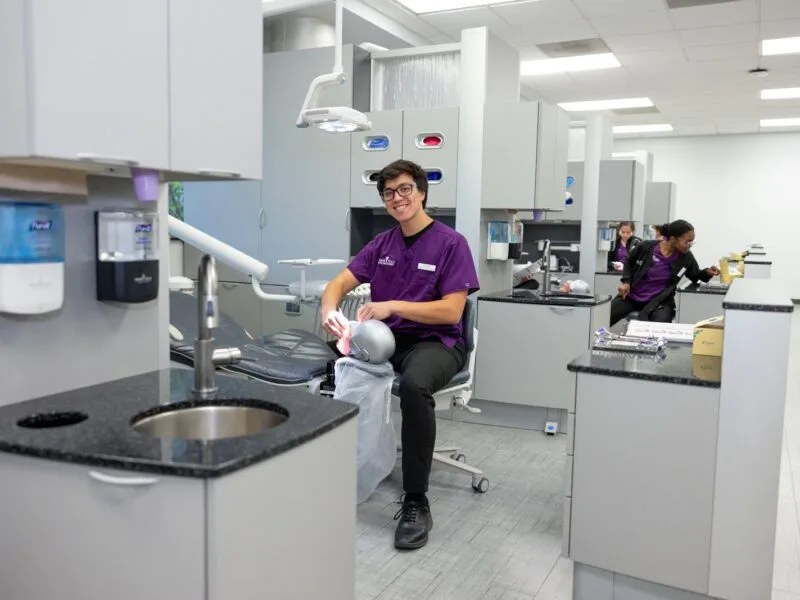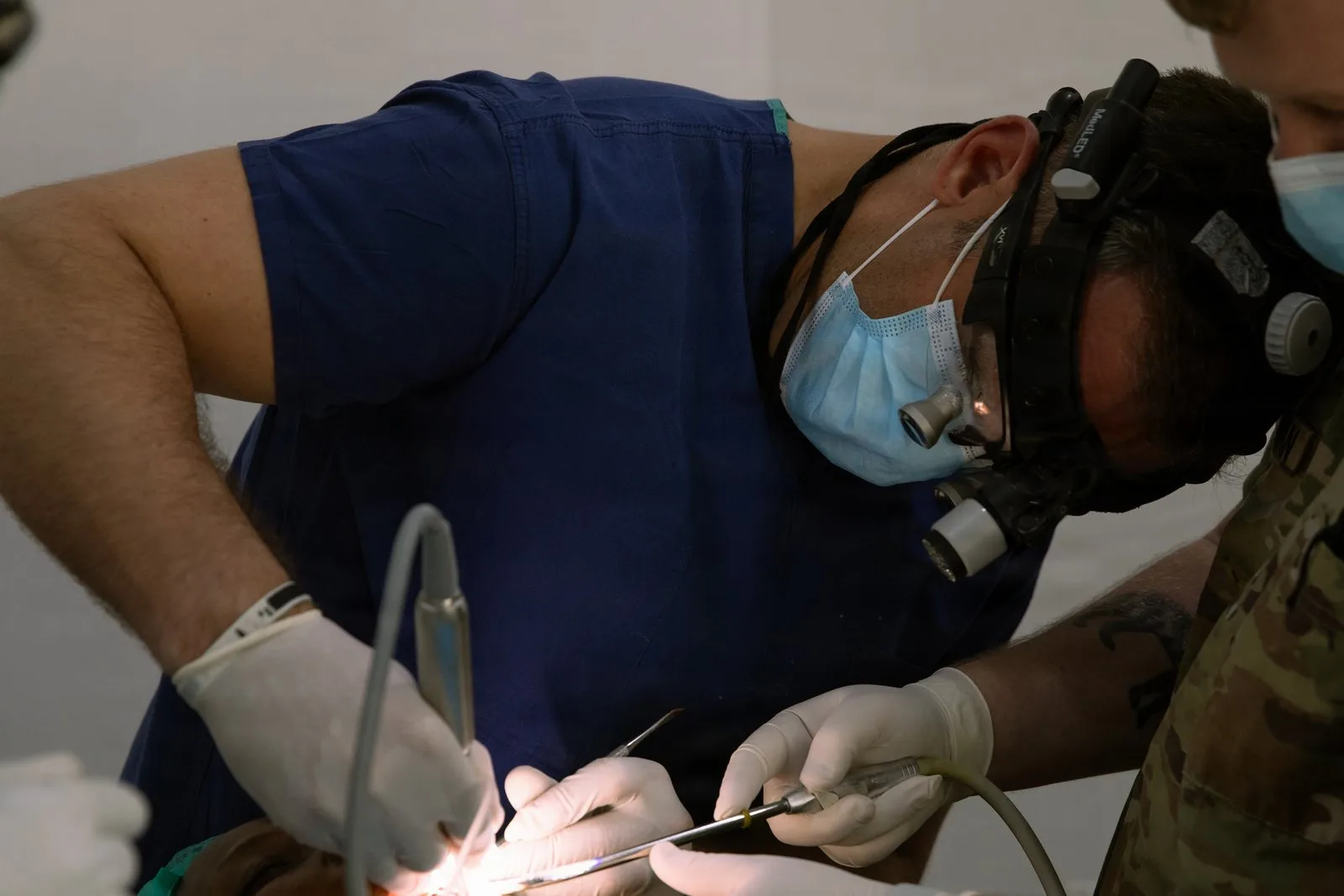
8.40 on a Monday morning. A man walks in from the ferry with an unopened bottle of water in his hand and says, "Doctor, I skipped breakfast because I thought you'd put me under. How many hours is this going to take, will I pass out?" We sat him down and ordered him a cup of tea. Dental implant surgery looks very little like the operating theatre most patients picture. No stretcher, no mask, and very often no sleep at all. It is still a real surgical procedure, though, and parts of it deserve respect. Below is what happens from the moment you sit in the chair to the day the stitches come out, in the same order we explain it in the consultation room.
What is dental implant surgery and why is it called surgery?
A dental implant is a titanium screw placed in the jawbone where the root of a lost tooth used to be. A crown, the visible tooth, is fitted on top later. The part where we place the screw in the bone is the implant surgery. We covered the bigger picture in our piece on what a dental implant is and how it is done, so here we stay with the day of surgery and what follows.
The word "surgery" scares people. I understand that. Technically it is the right word, because we cut into bone under sterile conditions and close the site with stitches. But for a single implant the operation is often shorter than a tooth extraction, and the patient is back home, or even back at work in the afternoon.
One thing up front. The operation itself is the shortest part of the whole story. The real work happens in the planning beforehand and in the months afterwards. The bone wrapping itself around the screw, which we call osseointegration, happens on the nights you spend asleep at home.
What happens before dental implant surgery?
The first thing we ask a new patient is not about the complaint but about the medication list. Blood thinners, osteoporosis drugs, diabetes tablets, blood pressure pills. Some of these affect the day of surgery, others affect how well the screw fuses with the bone. We went through which conditions and drugs matter in what to know before getting a dental implant.
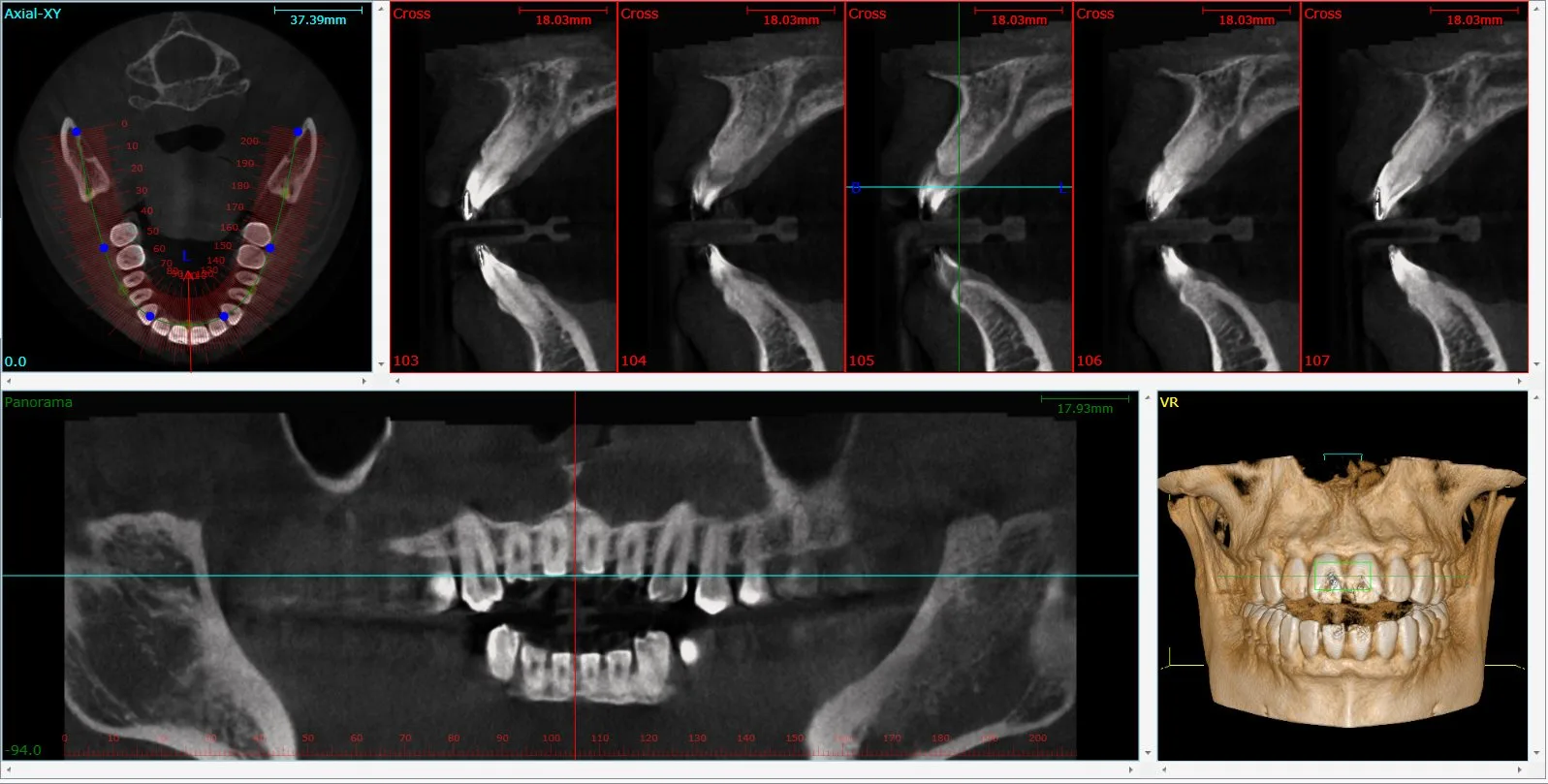
Then comes imaging. A panoramic X-ray gives a general map, but for implant planning it is often not enough. To see the width of the bone, the nerve in the lower jaw and the sinus cavity in the upper jaw, we ask for a cone beam dental CT scan. People ask whether the scan is really necessary. My honest answer is that in areas where an error of a few millimetres can land on a nerve or a sinus, yes, I think it is.
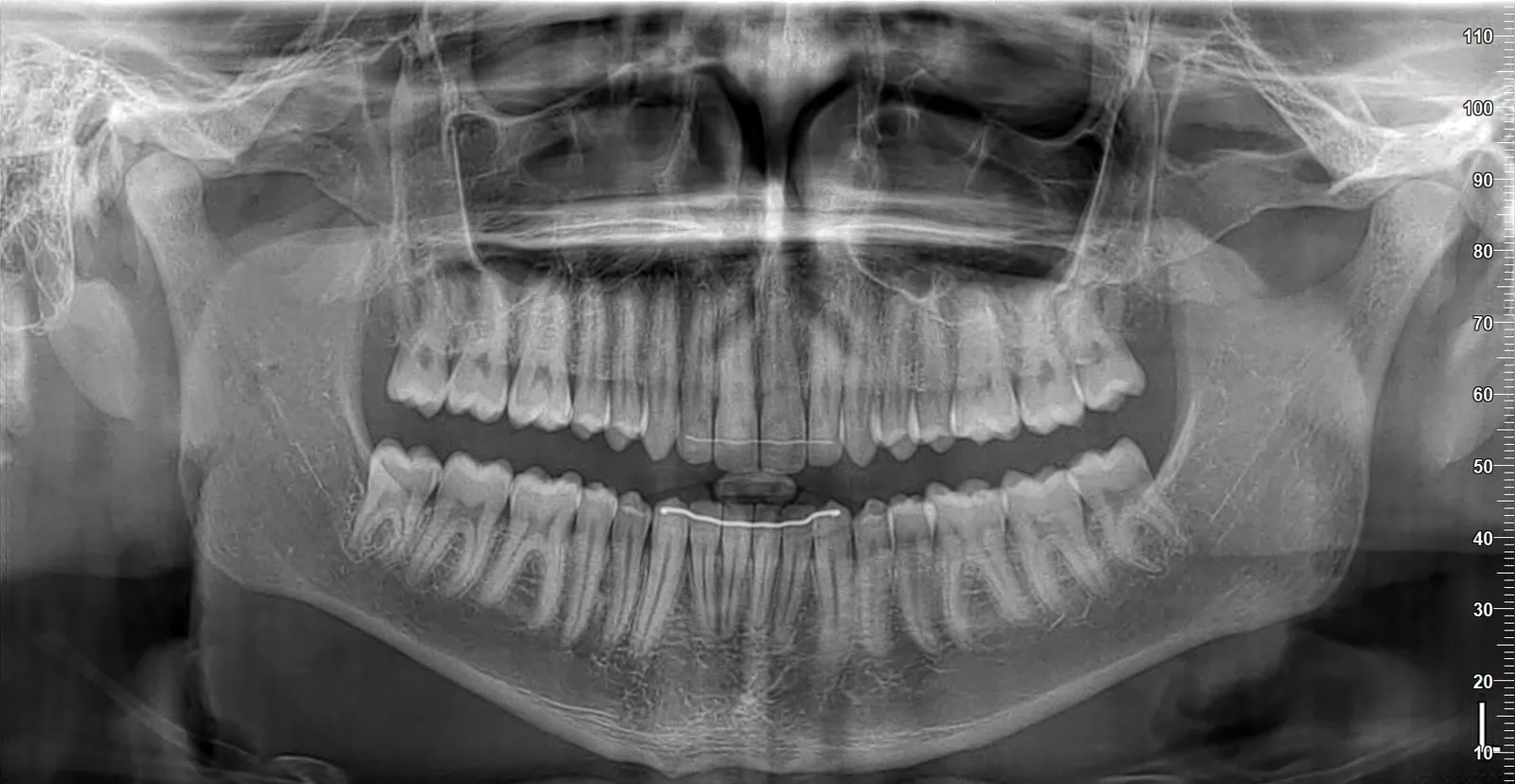
We also have a few small requests before the day itself.
- If you smoke, stop a few days ahead if you can, or at least cut down. The effect of smoke on healing tissue is well documented.
- If there is tartar or gum inflammation, we deal with that first. We do not like opening a new wound in a dirty mouth, so professional tartar cleaning is often the first appointment.
- If you take blood thinners, do not stop them on your own. We decide together with the doctor who prescribed them.
- With local anaesthesia you do not need to arrive hungry. Eat a light breakfast so your blood sugar does not dip.
So our ferry passenger did not need to skip breakfast after all. He drank his tea and we gave him a biscuit as well.
How is dental implant surgery done? The steps
The order below is that of a classic single implant. No two mouths go exactly the same way, but the skeleton is nearly always this. If you would rather watch a short animation first, the video below shows the whole process from start to finish.
1. Numbing
Local anaesthesia is the same numbing you get for a filling or an extraction. You feel the needle go in, and within a few minutes the area goes numb. We do not touch a single instrument until the numbing has taken. No rush. During the procedure you will feel pressure and vibration, but nothing sharp. If you do, raise your hand and we add more.
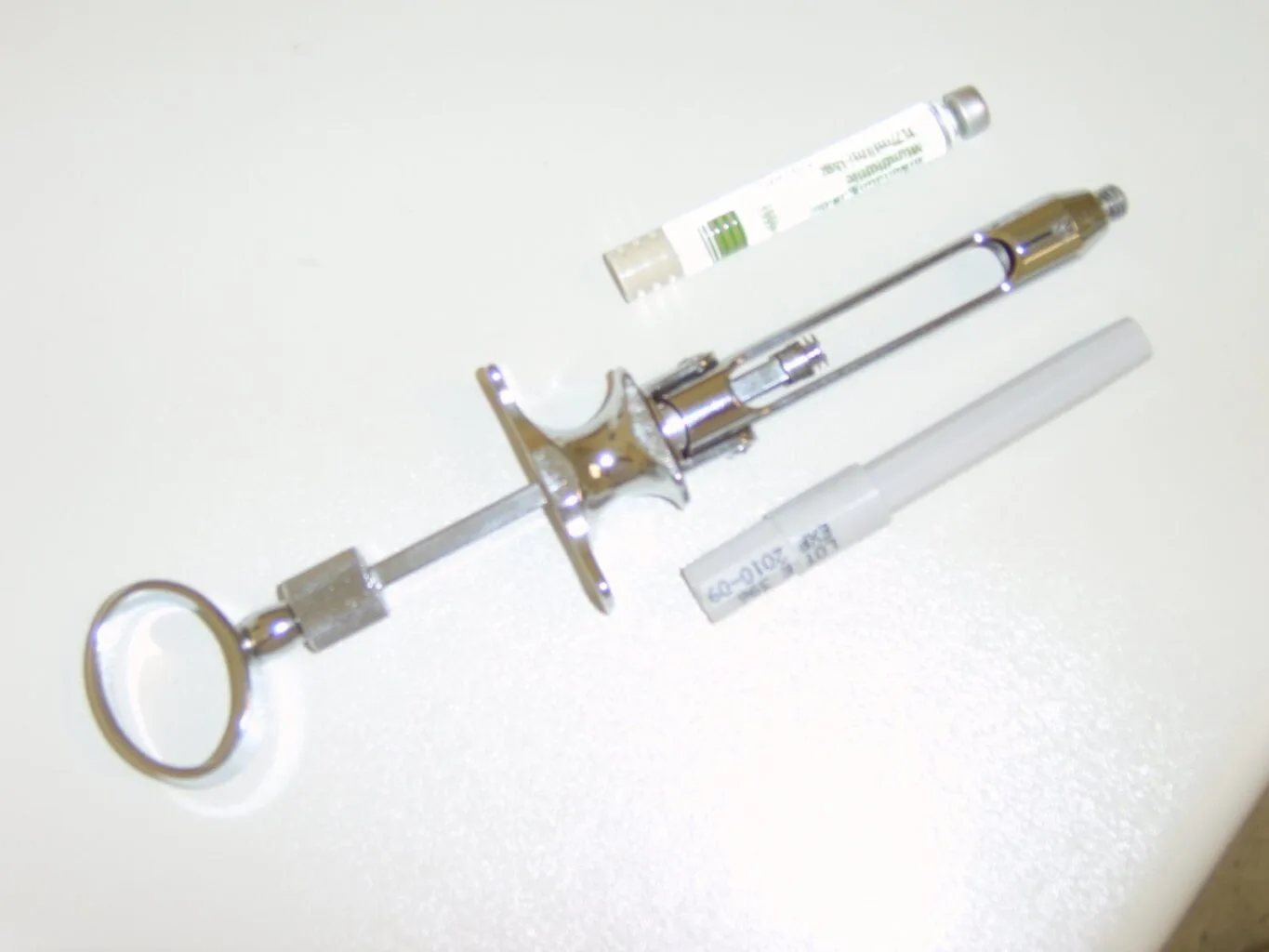
2. Opening the gum, or not
In the classic method the gum is lifted aside with a small cut and the bone is seen directly. When there is plenty of bone and the planning is very clear, we can work through a small round opening without lifting the gum at all. This is called flapless surgery. It usually means fewer stitches and often less swelling. It does not suit every mouth, though. If the bone is thin or a graft is needed, opening the gum is safer.
3. Preparing the socket in the bone
This is the part people ask about most, because the moment a patient hears that a tool goes into bone, the sound and the feeling grow in the imagination, while what you actually feel in the chair is a lot plainer. A socket matching the diameter of the screw is prepared with drills of gradually increasing size. Plenty of sterile saline runs over the site, because we do not want the bone to heat up. In this phase you hear a vibration and the sound of water. Some patients say "like a drill", and they are not wrong, but the speed is very low.
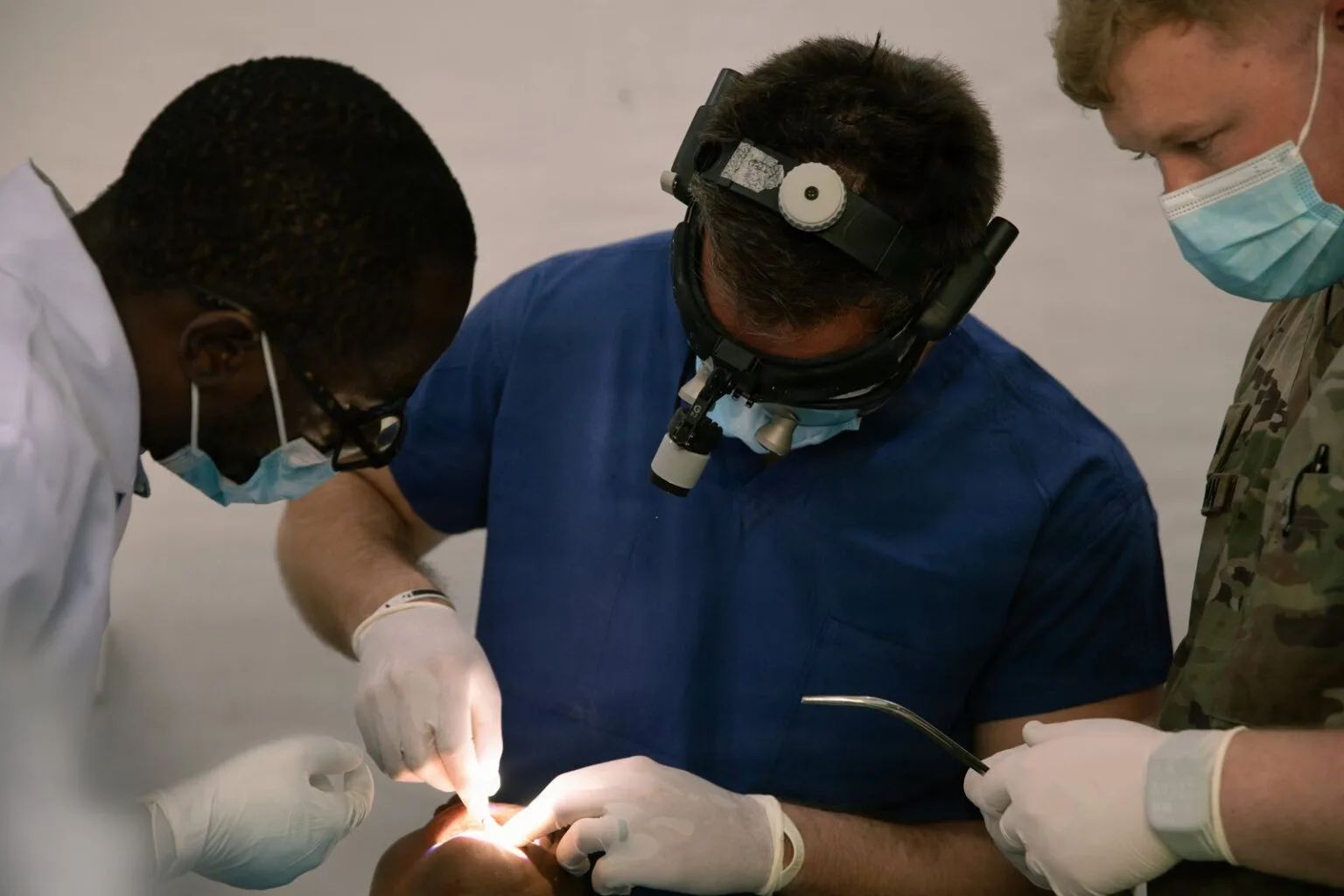
4. Placing the screw
Now the screw goes in. We measure how tightly it sits in the bone, which is called primary stability. If the grip is good, a healing cap can go on top, and in some cases even a temporary tooth. If the grip is weaker than expected, the screw is covered over and the bone is given time.
5. Stitches
The gum is laid back in place and closed with a few stitches. We often use stitches that come out after 7-14 days, and in some cases we prefer ones that dissolve by themselves. Then you bite on a piece of gauze and we take a control X-ray.
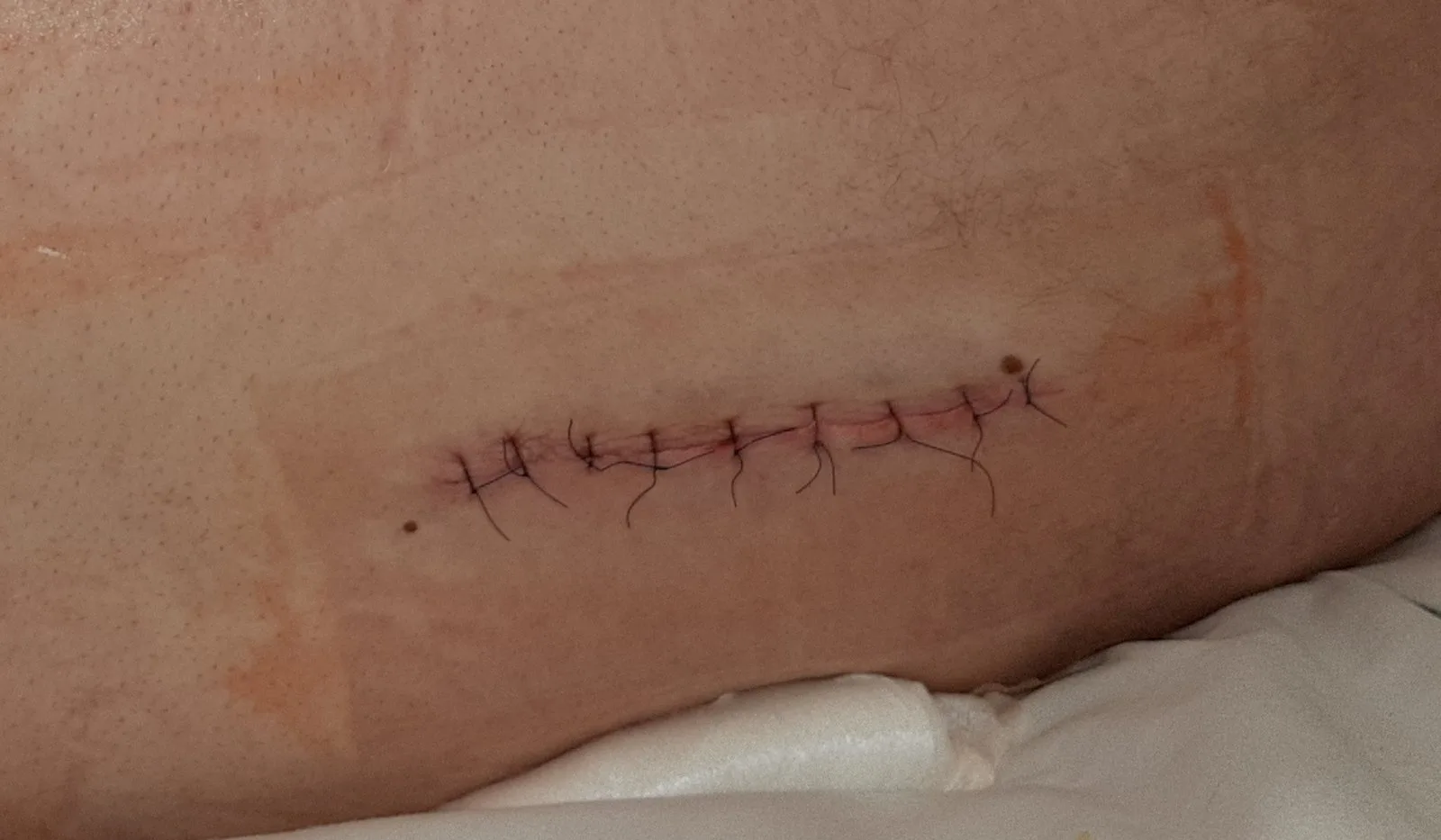
It reads long, I know. In the chair, though, most patients ask "is that it, really?"
How long does implant surgery take?
A single implant usually takes 30-60 minutes when there is enough bone and nothing extra is needed. That includes numbing and stitches. If two or three implants are going in at the same visit, or a bone graft is added, the time grows. When implants are placed in a whole jaw, it can reach 2-3 hours.
| Procedure | Approximate time in the chair |
|---|---|
| Single implant, enough bone | 30-60 minutes |
| Two or three implants, same area | 1-2 hours |
| Implant with a bone graft | 1-2 hours |
| Open sinus lift with implant | 1.5-2.5 hours |
| Whole jaw, fixed teeth plan | 2-4 hours |
What stretches the time is often not the screw itself. It is the details. Removing an old root, cleaning out infected tissue, reinforcing a thin wall of bone all take time. We look at the CT scan so that none of these come as a surprise on the day.
Are you put to sleep for dental implant surgery?
This was the real fear of our morning patient, being put under and not knowing what he would find when he woke up, which is honestly the worry behind most people's anxiety. For one or a few implants, the standard is local anaesthesia. You are awake, you can talk, and only that area is numb. If you do not feel safe in the chair, if your fear of dentists is heavy, or if the procedure will be long, sedation comes into the conversation.
| Method | What you feel | Who it is considered for |
|---|---|---|
| Local anaesthesia | Awake, area numb, pressure felt | Most single and few-implant procedures |
| Conscious sedation | Relaxed, drowsy, often you do not remember much | Anxious patients, longer procedures |
| General anaesthesia | Fully asleep, hospital setting needed | Very extensive surgery and special medical conditions |
If sedation is planned, the rules change, and in just the direction our morning patient guessed. Then you do need to arrive fasting, bring someone with you and avoid driving that day. An anaesthesiologist gives the sedation, and the decision is made by looking at your health. Saying "I want to be put to sleep" is not enough by itself.
Does implant surgery hurt?
During the procedure, if the numbing has taken properly, you should not feel pain. I do not want to hide anything when I say that. After the numbing wears off, an ache on the first night is normal. For most patients it is similar to or milder than the soreness after an extraction, and the painkiller your dentist recommends is enough.
The things that raise pain and swelling are known, and we ask every patient about them one by one and adjust the plan. A wide opening of the gum, adding a graft, a long procedure and smoking. After a short flapless procedure it is common for a patient to go to work the next day. After an extensive graft, 2-3 days of rest at home may be needed.
We tell our patients this. If the pain is increasing instead of easing after day three, that is not the normal course, so call us.
How does implant surgery change if there is not enough bone?
After a tooth is pulled, the bone melts away over time. In an area that has been empty for years, there may not be enough bone left for a screw to sit in. There are two roads then. Let me put it briefly. Either the volume is built up with a bone graft, or we go ahead with shorter or narrower implants, sometimes with a different plan altogether.
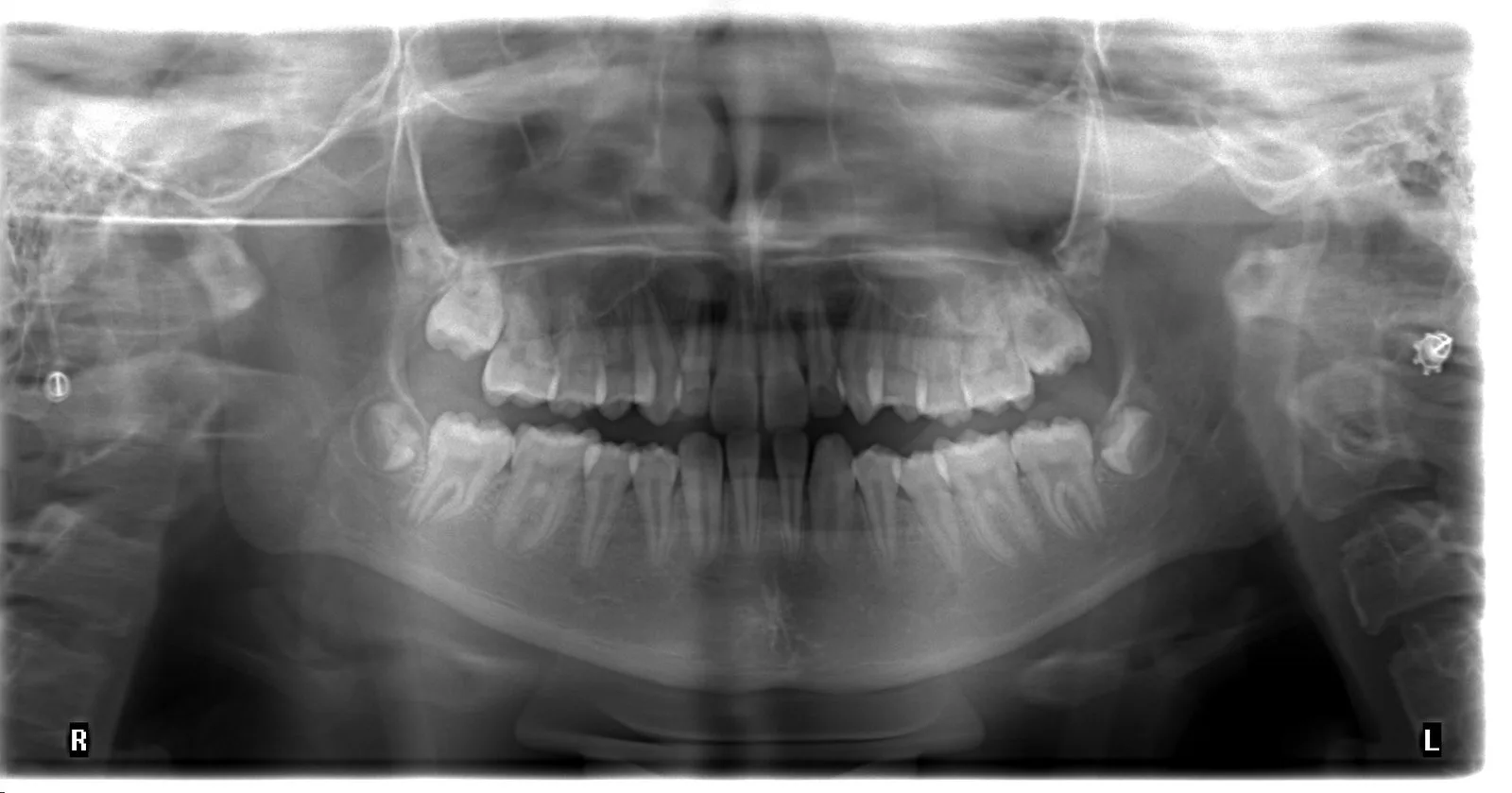
A graft is sometimes placed in the same session as the implant, which is often possible when the bone deficit is small and the screw can still sit tight. Other times it is done as a separate surgery and we wait a few months for the bone to mature. You can find the details on our bone graft and sinus lift page.
The back of the upper jaw has one more problem. The sinus cavity may hang low. In a sinus lift, the membrane on the floor of the sinus is gently raised and bone graft is placed underneath. If the bone is short by a few millimetres, this is done through the implant socket itself, and if it is short by more, through a small window opened from the side. The animation below shows both methods.
At the first consultation we often hear this sentence. "Somewhere else they told me I have no bone." Sometimes that is true, and sometimes that method simply was not offered on that day. Without a CT scan it is hard to say anything definite about it.
What is guided (computer-assisted) implant surgery?
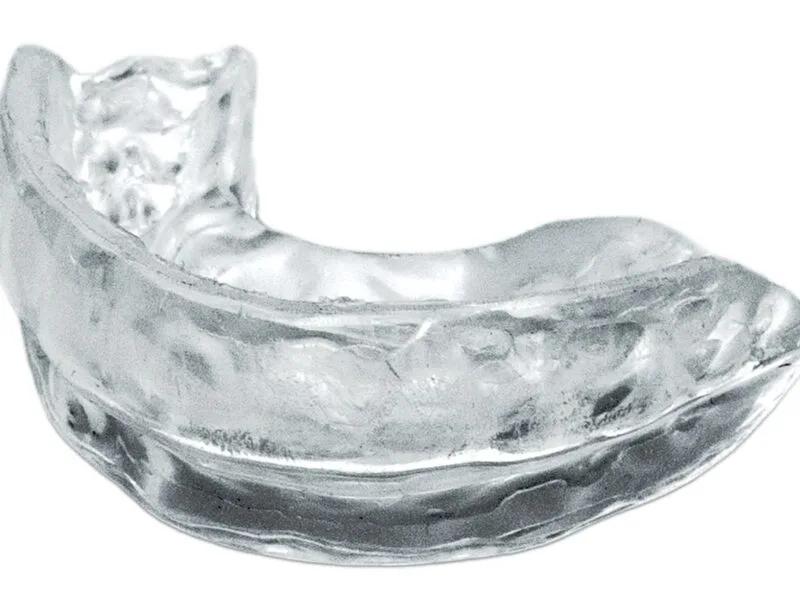
The CT scan and a scan of the mouth are combined on a computer, and the position, angle and depth of the implant are planned on screen. Then a surgical guide, a template that seats in the mouth, is made according to that plan. During surgery the drills pass through the guide holes in this template.
What is the benefit? A position closer to what was planned, and that difference counts most near nerves, with many implants and in flapless cases. Published studies show that guided surgery reduces deviation compared with freehand placement, but does not bring it to zero. A guide is a tool, that is all. The experience of the hand using it still decides.
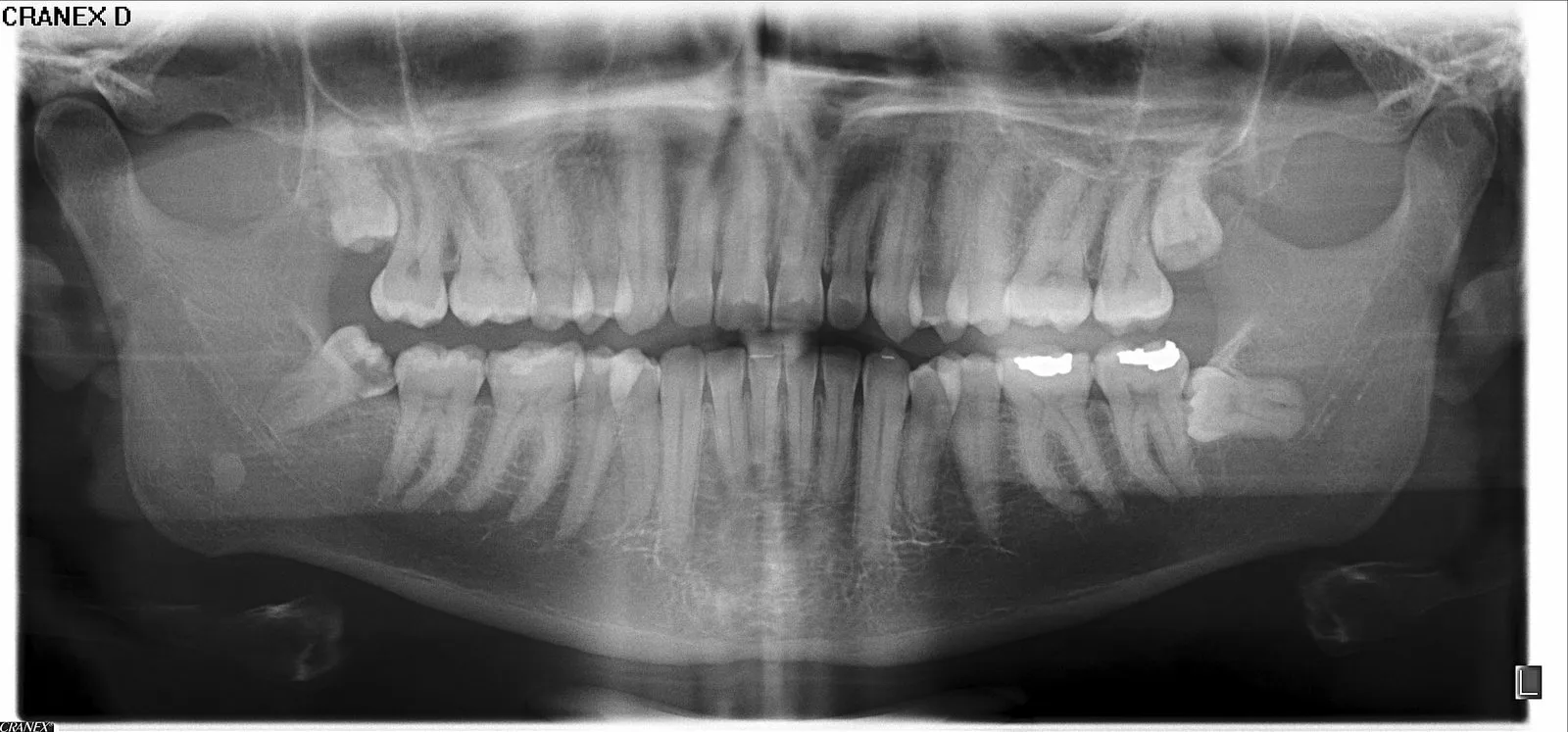
Is a guide necessary for every implant? No. With plenty of bone, away from the nerve, in a single lower molar area, an experienced dentist can place an excellent implant freehand too. The anatomy of the mouth makes the decision, not the habit of the dentist or a video the patient saw online.
What happens in the first 24 hours after dental implant surgery?
The first night after implant surgery lays the foundation of healing. Every small detail from the moment you leave the clinic until the next morning decides how comfortable the following weeks will be, which is why we keep this section a little long. It is also the topic of the longest conversation we have.
Bleeding
A pinkish ooze mixed with saliva in the first hours is normal. Do not panic. Bite firmly on the gauze for 30-45 minutes. Do not rinse your mouth often, because the clot can move. If the bleeding does not stop, press again with a clean piece of gauze, and if it still does not stop, call us.
Ice and swelling
On day one, ice on the outside of the cheek reduces swelling. Wrap the ice in a towel instead of putting it on bare skin, keep it on for 15-20 minutes and take breaks. Swelling usually peaks on the second or third day, then goes down. A patient who does not know this looks in the mirror on the third morning and panics. It is normal. Really.
Medication and sleep
Take the recommended medication on time, without waiting for the pain to start. Sleeping with your head one pillow higher at night cuts the swelling. No hot showers, saunas or heavy exercise on the first day. Postpone the five-a-side football for a week, the goals will still be there.
What not to do in the first 24 hours
Do not drink through a straw, do not spit, do not rinse forcefully. Do not smoke. Avoid very hot drinks and food. Do not touch the surgical area with your tongue or finger. Do not drink alcohol, especially while taking painkillers and antibiotics.
What can you eat after dental implant surgery and when does life return to normal?
Do not eat until the numbness has fully gone, or you may bite your cheek. After that the rule is simple. Warm and soft on day one, then slowly back to normal in the following days.

For the first 2-3 days, warm soup, yoghurt, mashed potato, omelette, custard and well-cooked pasta are fine. Chew on the other side. Hard and crumbly things like bagels, nuts, crisps and sunflower seeds should stay away from the surgery side for the first week. One of our patients told us he counted the days for a bagel for ten days, and he was right to wait.
If a temporary tooth was fitted straight onto the implant, the rules are stricter. You must not bite with that tooth, because the bone has not yet wrapped the screw. We talked at length about realistic expectations for same-day teeth in our same-day All-on-4 article.
Recovery after dental implant surgery, week by week
The table below shows an average course. If a graft was done, if you smoke or if your blood sugar control is weak, the times can be longer.
| Time | What happens | What is expected of you |
|---|---|---|
| 1-3 days | Soreness, swelling, sometimes mild bruising | Ice, medication, soft food, rest |
| 4-7 days | Swelling goes down, gum settles | Soft toothbrush, recommended mouthwash |
| 7-14 days | Stitches are removed or dissolve | Check-up appointment |
| 2-6 weeks | Gum heals, bone keeps working | Normal chewing on the other side |
| 2-4 months lower jaw | Bone wraps the screw | Control X-ray, smoke-free period |
| 3-6 months upper jaw | Bone wraps the screw, longer with a graft | Control X-ray |
| After fusion | Impression is taken, permanent tooth is made | Regular care and check-ups |
The bone wrapping the screw, osseointegration, is not something you can see. Because the patient feels fine, he thinks "it's over now". During this period it is important not to stress the implant and not to put early load on it.
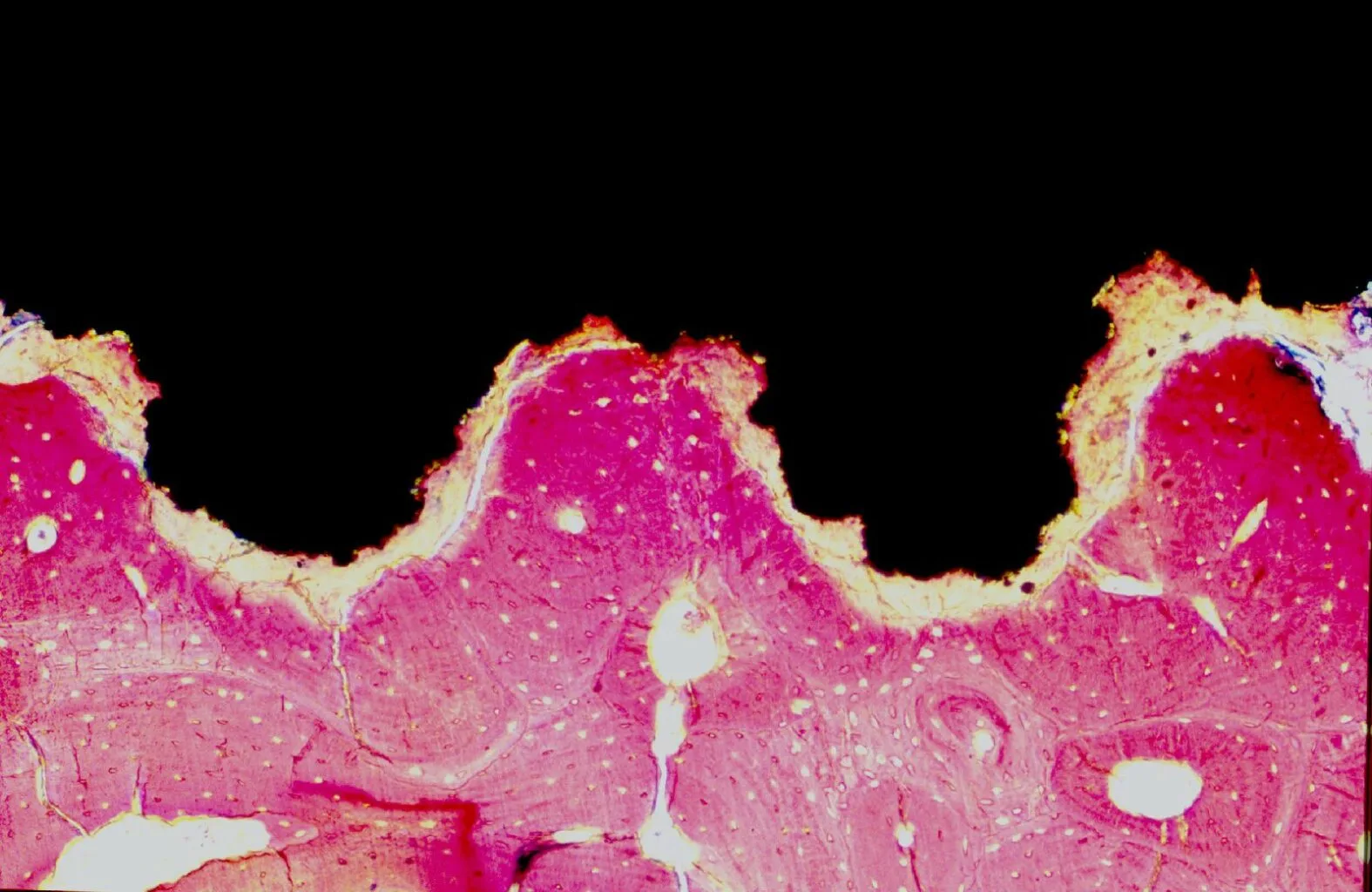
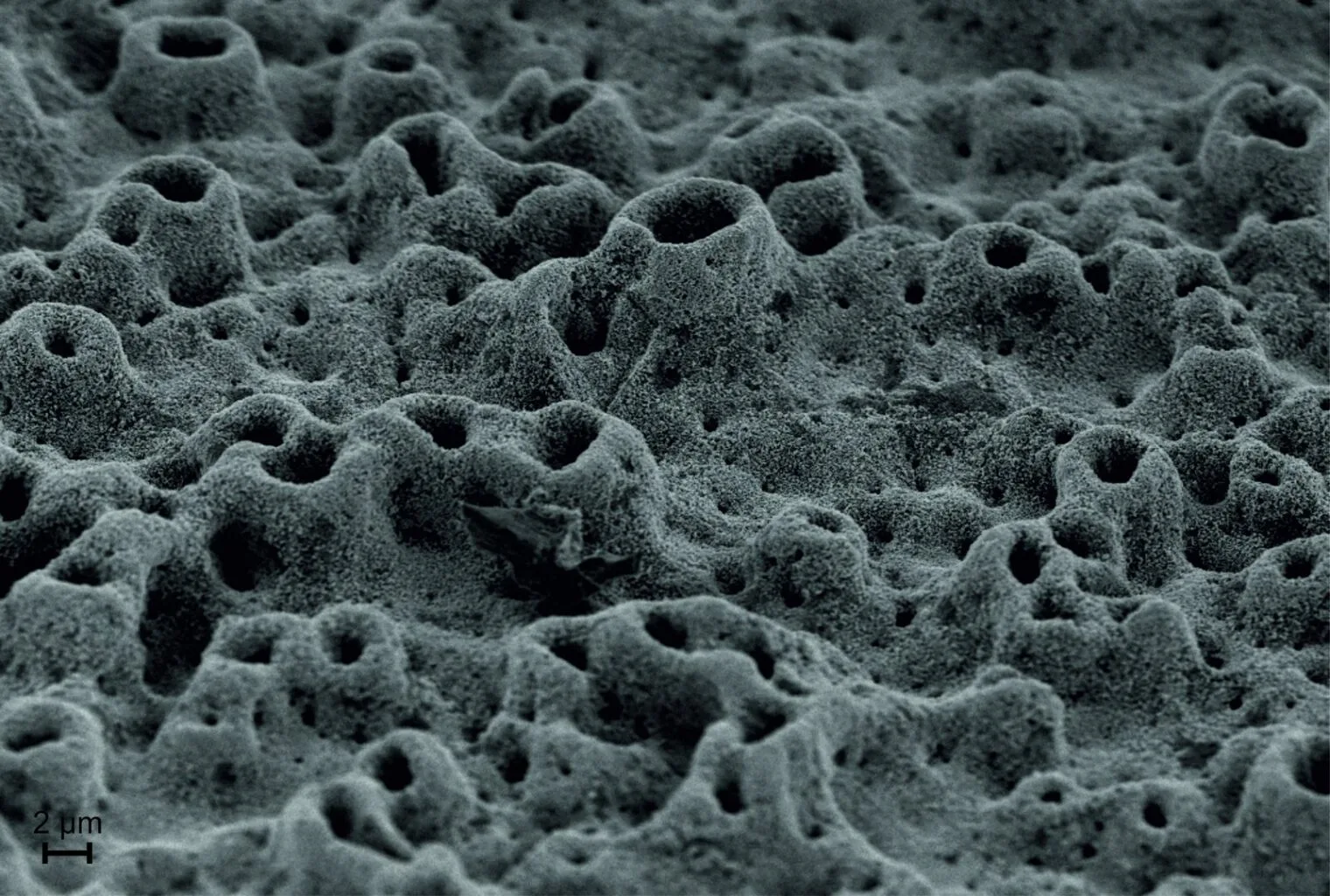
The surface of the screw also plays a part. Bone cells attach more easily on roughened titanium surfaces. Why the choice of implant system matters, and how easy it is to find parts years later, we explained in regrets of people who had implants.
There is one more small stage. For implants left covered, the gum is opened and a healing cap is fitted. A few weeks later an impression is taken and the permanent tooth is made.
When should you call the clinic after dental implant surgery?
The question we get most on the phone is "is this normal?". Most of the time it is. We would rather you call so that we can assess everything, but if you have any of the following, do not wait.
Situations where you should call without waiting
Bleeding that does not stop despite pressure. Pain or swelling that increases after day three. A fever above 38 degrees. A foul-smelling discharge from the surgical site. Numbness of the lip, chin or tongue that has not gone by the next day. Fluid coming from the nose or constant one-sided blockage after an upper jaw implant. A feeling that the healing cap or the screw is moving.
I want to stress lip numbness in particular. If we worked close to the nerve in the lower jaw, a temporary loss of feeling can happen. Noticing it early matters, because early action can change the course. The soundest way to lower this risk is to see the position of the nerve on the CT scan before surgery. You can read about similar risks in oral surgery on our wisdom tooth and jaw surgery page too.
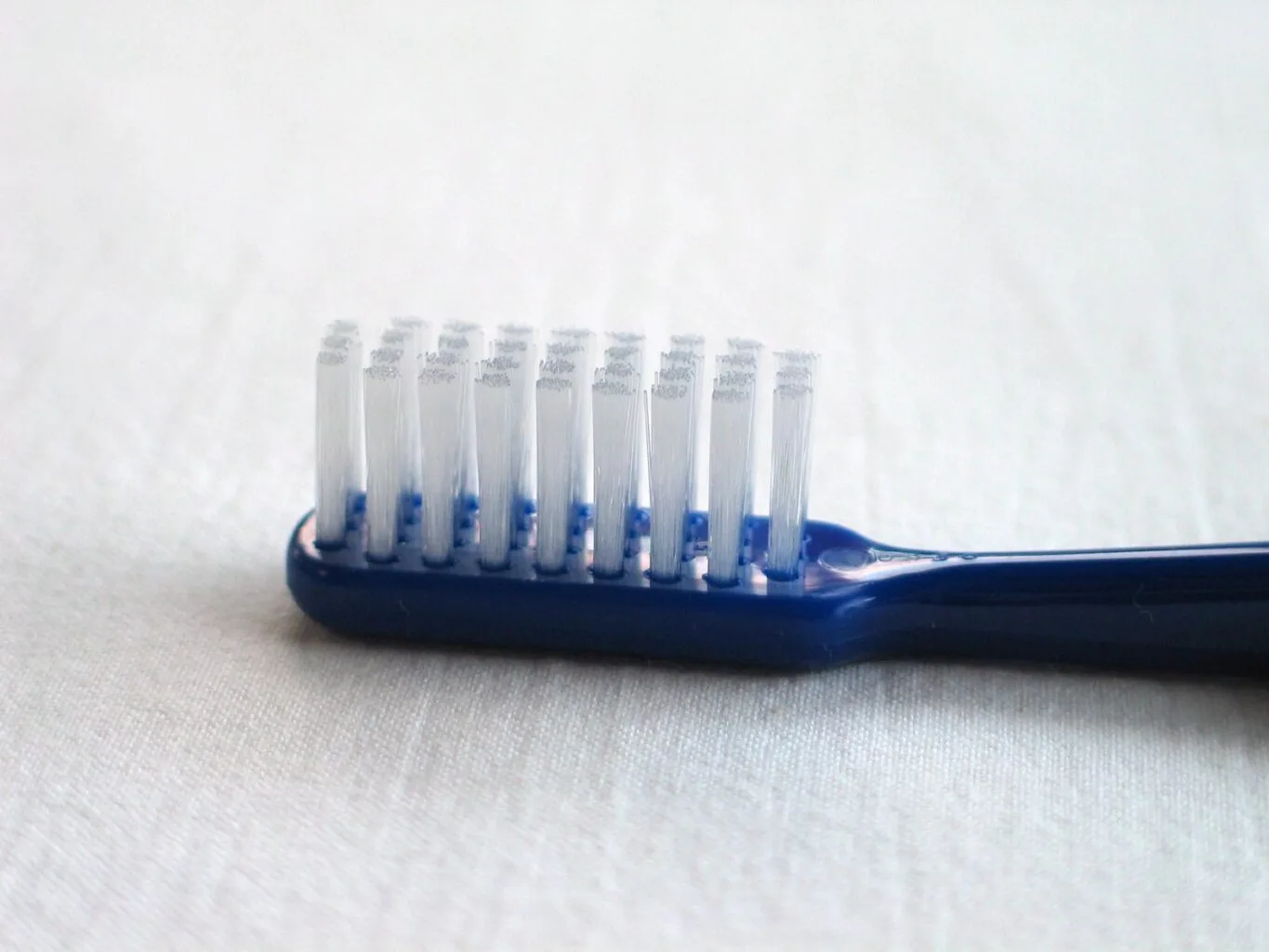
The job is not over once the bone has wrapped the screw. An implant cannot decay, but the gum and bone around it can become inflamed. This is called peri-implantitis and it moves quietly. Interdental brushes, regular check-ups and a smoke-free life are the best protection here. The patient page of the American Dental Association describes implant care in a similar way.
Planning dental implant surgery abroad, how should you set the calendar?
The question patients from Europe and the Middle East ask most is "how many days do I need to stay?". The implant surgery itself finishes in one day. But the first check, the stitch removal and the flight need to be thought about together.
- If a CT scan or panoramic X-ray is sent in advance, the plan can largely be made before you arrive.
- We suggest not flying for the first 24-48 hours after surgery, and after a sinus lift this period can be longer because of cabin pressure.
- If you can stay 7-10 days for the stitch check, that is ideal. If you cannot, we arrange it with dissolving stitches and a check by a dentist in your own country.
- The permanent tooth needs the bone to fuse first, so most plans involve two visits.
We described the overall process in detail in dental treatment and health tourism in Turkey. For plans covering all the upper teeth, our All-on-4 implant treatment page gives an idea.
The last word belongs to the bone. That is why we build the calendar by looking at your own X-ray, not at the "done in 3 days" stories you read online. Among international sources, Mayo Clinic's page on implant surgery also stresses that the stages are spread over months. For the general picture of oral health, the World Health Organization oral health fact sheet is a good starting point.
How medication, blood pressure and sedation are planned for older patients is covered in our article on implants in later life.
Frequently asked questions
How long does dental implant surgery take?
If the bone is sufficient and there is no extra procedure, a single implant usually takes 30-60 minutes. With more than one implant, a bone graft or a sinus lift, the time can rise to 1-3 hours. Plans for a whole jaw can take longer.
Will I be put to sleep for dental implant surgery?
Most single and few-implant procedures are done with local anaesthesia, which means while you are awake. For anxious patients or long procedures, sedation with an anaesthesiologist can be considered. General anaesthesia comes into question only for very extensive surgery and in a hospital setting.
Does dental implant surgery hurt?
Once the numbing has taken, you feel pressure and vibration during the procedure, not pain. For the first 1-3 days after the numbing wears off there may be soreness and swelling, which is usually managed with the recommended painkiller. Pain that increases after day three is not normal and the dentist should be told.
When can I go back to work after implant surgery?
After a short, single-implant procedure most people can return to a desk job the next day. If a bone graft or sinus lift was done, 2-3 days of rest may be needed. For heavy physical work and sport, waiting about a week is appropriate.
What can I eat after implant surgery?
For the first 2-3 days, soft foods such as warm soup, yoghurt, purees, omelette and custard are recommended. Chew on the other side, and stay away from hard and crumbly food for the first week. Very hot drinks and straws should not be used on the first day.
When are implant stitches removed?
Stitches that need removing are usually taken out within 7-14 days at a short check-up. In some cases dissolving stitches are used and they do not need to be removed. Stitch removal is generally a short procedure that needs no numbing.
How long does swelling last after implant surgery?
Swelling mostly peaks on the second or third day and clearly goes down within a week. Intermittent ice on the outside on the first day and sleeping with the head raised reduce it. After wider procedures with a graft, swelling and bruising may last a little longer.
Can I smoke after implant surgery?
Smoking cuts the blood supply to healing tissue and works against the bone wrapping the screw. It is advised not to smoke at all, at least in the first days, and if possible to quit for the whole fusion period. In the long term smoking also raises the risk of inflammation around the implant.
How many days after implant surgery can I fly?
After a simple implant procedure, waiting 24-48 hours is generally advised. After a sinus lift in the upper jaw this period can be longer because of pressure changes, and you should get your dentist's approval. The best approach is to set the flight date together when the surgery is planned.
Our morning patient got up 50 minutes later. He looked in the mirror, said "is that all?", and walked off to the ferry biting on his gauze. In the evening he rang to say he had eaten lentil soup and was saving the bagel until the stitches were out. The implant surgery was over that morning, and the real work, the months in which the bone quietly does its job, began that evening. If you would like to talk about how this fits into an implant treatment plan for you, our door is open.
If you have a CT scan or a panoramic X-ray, send it over and we will go through how dental implant surgery would be planned in your mouth with our dentist. Contact page