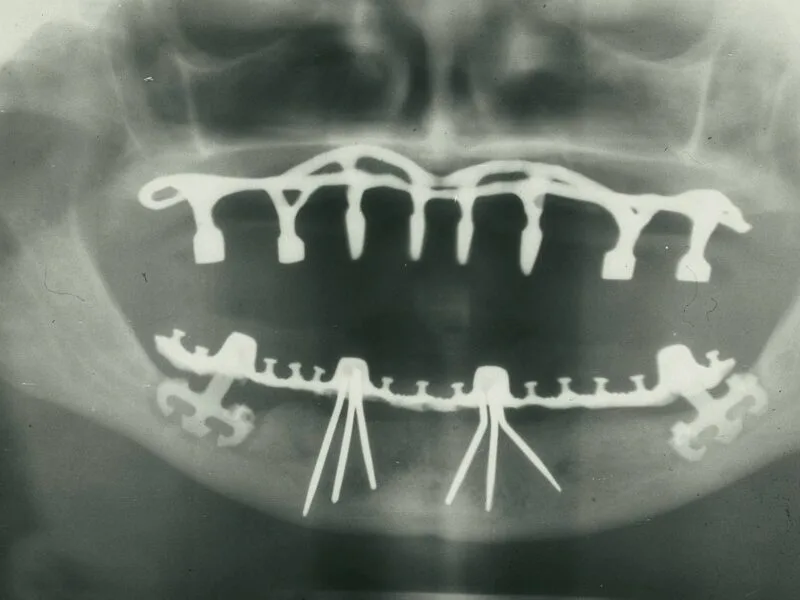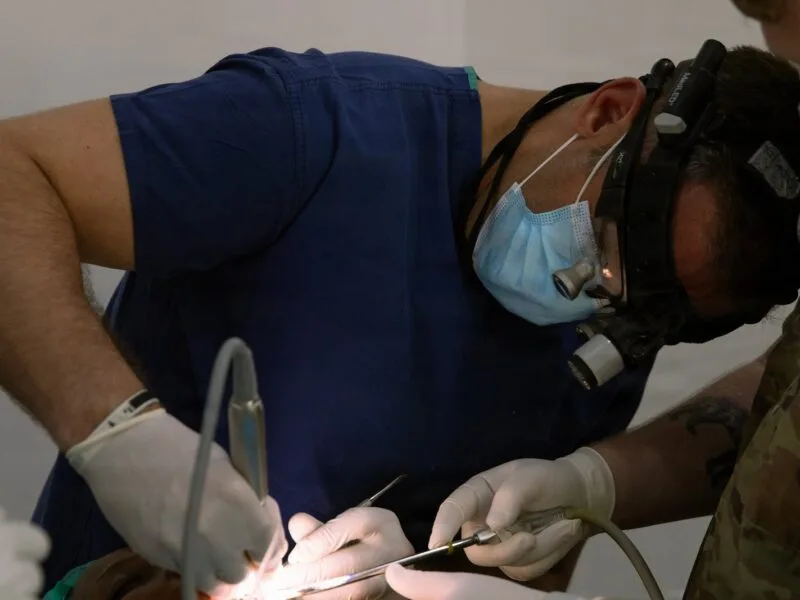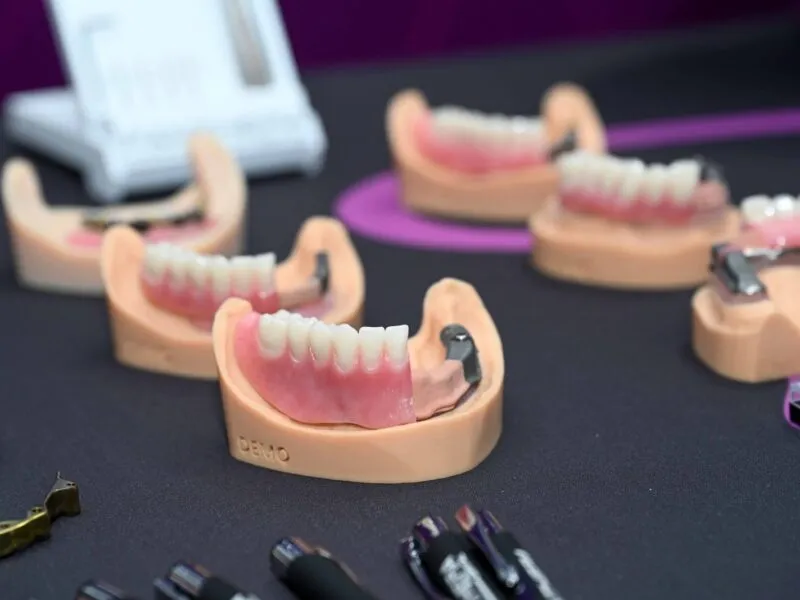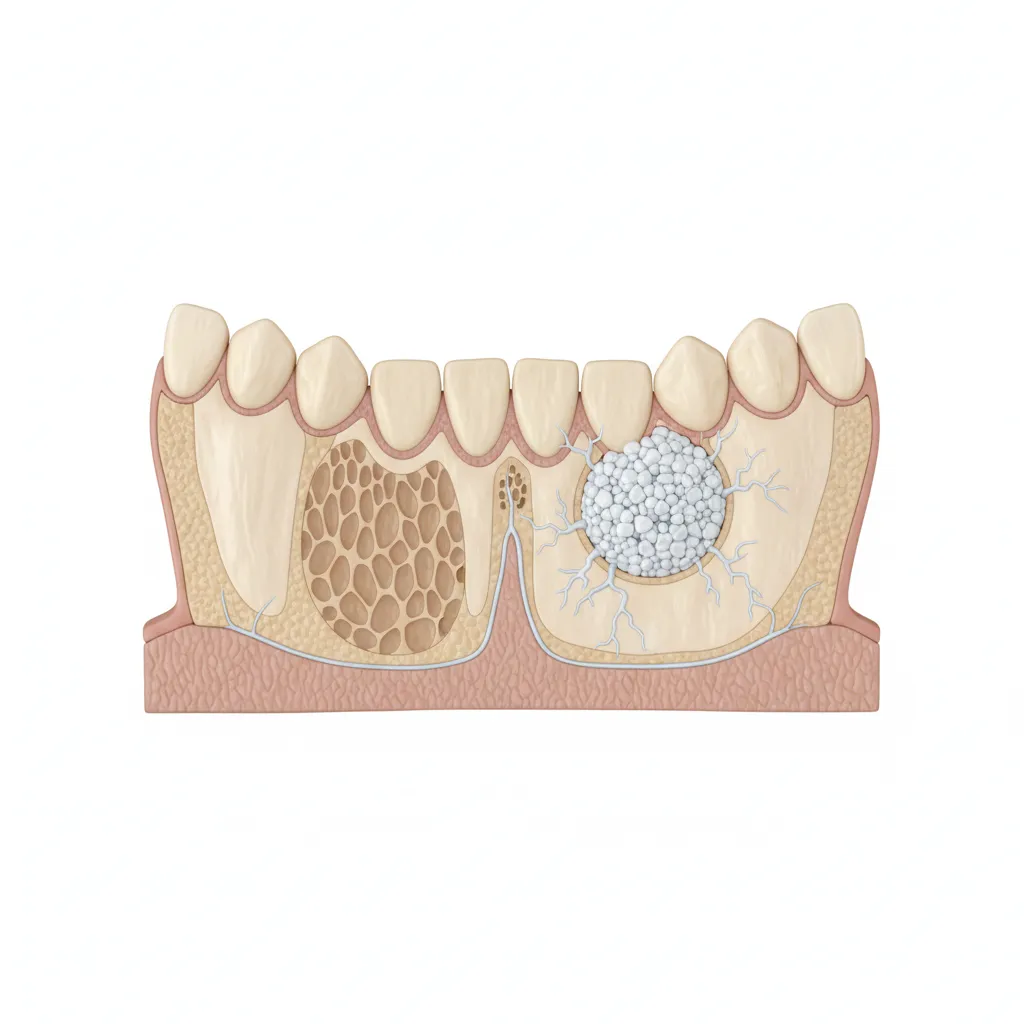
A bone graft is a surgical procedure that increases the volume of bone when the height or width of bone in the area where an implant is to be placed is not enough. Raising the floor of the sinus in the back of the upper jaw is called a sinus lift. The procedure is done under local anaesthesia, and the need for a graft and the method are decided after an examination and a CT scan.
What is a dental bone graft?
A bone graft means placing bone or a bone-like material where bone is missing so that the body builds new bone in that area. The material acts as a scaffold, and over time your own bone grows into it. The graft is often covered with a dissolvable membrane, which stops gum tissue from growing into the grafted area.
What graft materials are used?
The graft material can be your own bone, processed human or animal bone, or a synthetic material. The choice depends on how much bone is missing and where.
| Type | Source | Note |
|---|---|---|
| Autograft | Your own bone, usually from another part of the jaw | Needs a second surgical site |
| Allograft | Human bone processed in tissue banks | No extra surgical site needed |
| Xenograft | Processed bone mineral of animal origin | Dissolves slowly, which helps to maintain volume |
| Synthetic (alloplastic) | Bone-like material made in a laboratory | Contains no biological source |
These materials are often used together. What people call "bone powder" is usually this granular graft material. You can ask at your examination which material is planned and where it comes from.
Why does bone loss happen, and who needs a bone graft?
After a tooth is pulled, the bone in that area no longer takes chewing forces and gradually shrinks, so in areas that have been without teeth for a long time there may not be enough bone for an implant. Other common causes of bone loss include:
- Advanced gum disease (periodontitis)
- Removable dentures worn for a long time that press on the bone
- Infection at the root of a tooth, a cyst or a difficult extraction
- Accidents and injuries
A graft comes into question when the CT scan shows there is not enough bone to carry an implant safely. It is not needed where the bone is sufficient; in some cases a shorter implant or an angled placement may be considered instead of a graft. These options are weighed together when planning dental implant treatment.
What is a sinus lift?
A sinus lift means lifting the membrane that forms the floor of the sinus cavity, just above the upper back teeth, and placing graft material underneath it. After tooth loss in this area, the bone shrinks and the sinus expands downwards, so the bone left may be only a few millimetres thick. There are two techniques:
- Closed (crestal) sinus lift: If the bone loss is limited, the sinus floor is raised by a few millimetres by going in through the implant site. The implant is often placed in the same session.
- Open (lateral) sinus lift: If the bone is very thin, a small window is made in the side wall and the graft is placed. Depending on the bone that remains, the implant is placed in the same session or after healing.
How does bone graft treatment work, step by step?
1. Bone analysis
The height, width and density of the bone are measured on a CT scan. The thickness of the sinus membrane and whether there is inflammation in the sinus are also assessed.
2. Planning
It is decided whether the graft will be done in the same session as the implant or in a separate one, and which material will be used.
3. The surgery
The bone graft is placed under local anaesthesia, which aims to prevent pain during the procedure. The gum is closed with stitches, and these are usually removed after 7-14 days.
4. Healing and the implant
You wait for the graft to mature, and then move on to the implant stage after a follow-up CT scan.
How long does healing take after a bone graft?
After small grafts, you usually wait 3-6 months before the implant stage; after an open sinus lift or a large graft, this can be longer. If the graft was done in the same session as the implant, there is no separate wait, but the time needed for the implant to fuse with the bone may be longer. How long the bone takes to mature varies from person to person and is assessed on a follow-up CT scan. A temporary denture can be used in the area during the wait, but it has to be adjusted so that it does not press on the graft.
Do I need to travel more than once for a bone graft and implant?
Most international patients plan two trips. The first covers the examination, the CT scan, the graft and, where possible, the implant, over several days. Healing then takes place at home: usually 3-6 months before the implant stage, and then 2-6 months for the implant to fuse if it is placed later. The second trip is for the implant stage if it was not done at the first visit, and for the final crown or denture. Photos and an existing panoramic X-ray or CT scan can be sent by WhatsApp for a preliminary assessment before you travel, but the final plan is only made after the in-person examination. Check-ups after you return home can be done with a local dentist, with remote contact with our clinic in between.
What should I do after a bone graft?
- On the first day, a cold pack is applied to the outside of the cheek in short intervals, and you sleep with your head slightly raised.
- In the first days, soft, lukewarm foods are eaten, and you do not chew on the graft area.
- After a sinus lift, for two weeks you do not blow your nose, you keep your mouth open when you sneeze, and you do not drink through a straw. Ask your dentist for advice about flying and diving.
- If you have a removable denture in the area, it is not used until your dentist allows it, or it is used after being adjusted.
- Smoking impairs the blood supply to the graft; it is advised that you do not smoke during healing.
- The prescribed antibiotics and mouthwashes are used for the stated period.
What are the risks and possible complications of a bone graft?
A bone graft is a surgical procedure, and swelling, bruising and a few days of tenderness are expected. Less common problems include:
- Infection: It can lead to the loss of part or all of the graft.
- Stitches opening and the graft becoming exposed: Often the area is cleaned and followed up; sometimes further treatment is needed.
- A tear in the sinus membrane: It is noticed during the procedure and can often be repaired; with large tears, the procedure may be postponed. Sinusitis may develop afterwards.
- Nerve involvement: Numbness can occur in the lower jaw, depending on the area worked on or the area from which bone was taken.
Smoking, poorly controlled diabetes, poor oral hygiene and untreated sinus problems increase the risk. If you have active sinus inflammation, an ear, nose and throat assessment may be requested before the procedure. We have collected what you should know before surgery in our article on what to know before getting a dental implant.
Where can I be examined in Istanbul?
Whether a graft is needed can only be known from measurements on a CT scan. You can come to our Haliç (Hasköy, Beyoğlu) clinic or our Pendik clinic for an examination.
Sources
The results of any surgical or interventional procedure may vary from person to person. It is recommended that you obtain detailed advice from your physician before the procedure. The information on this page is for general informational purposes; the treatment suitable for you is determined after an examination.