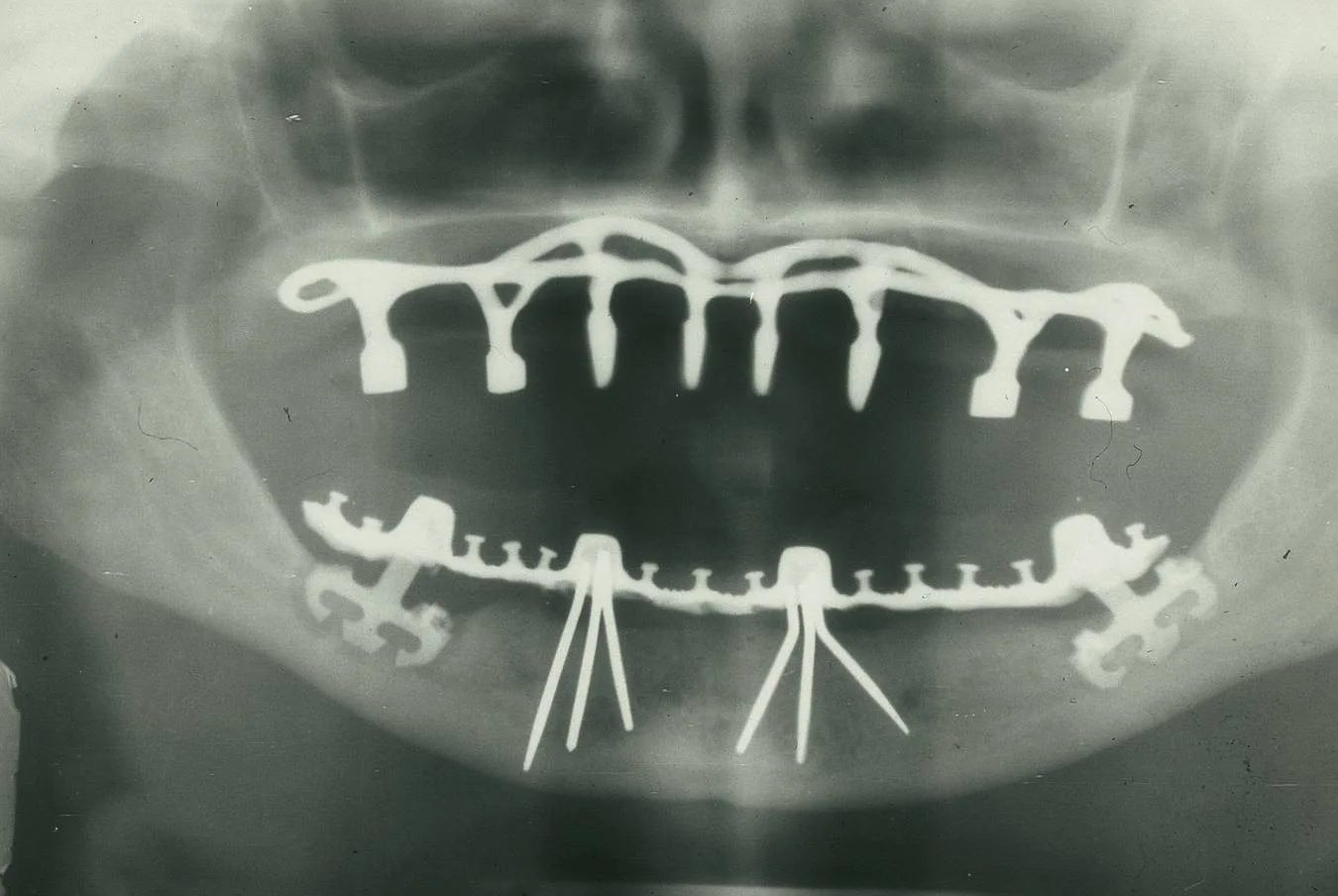
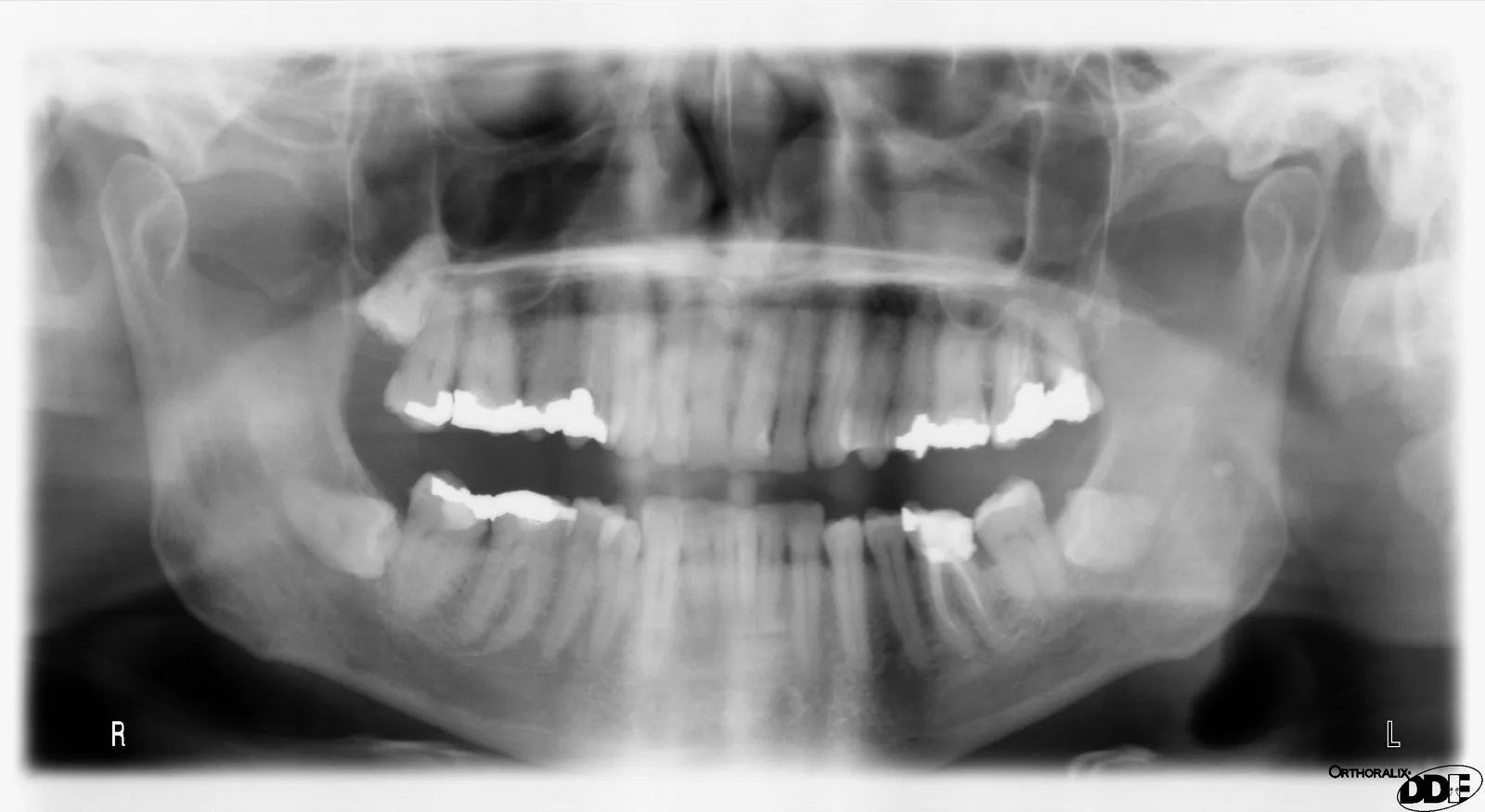
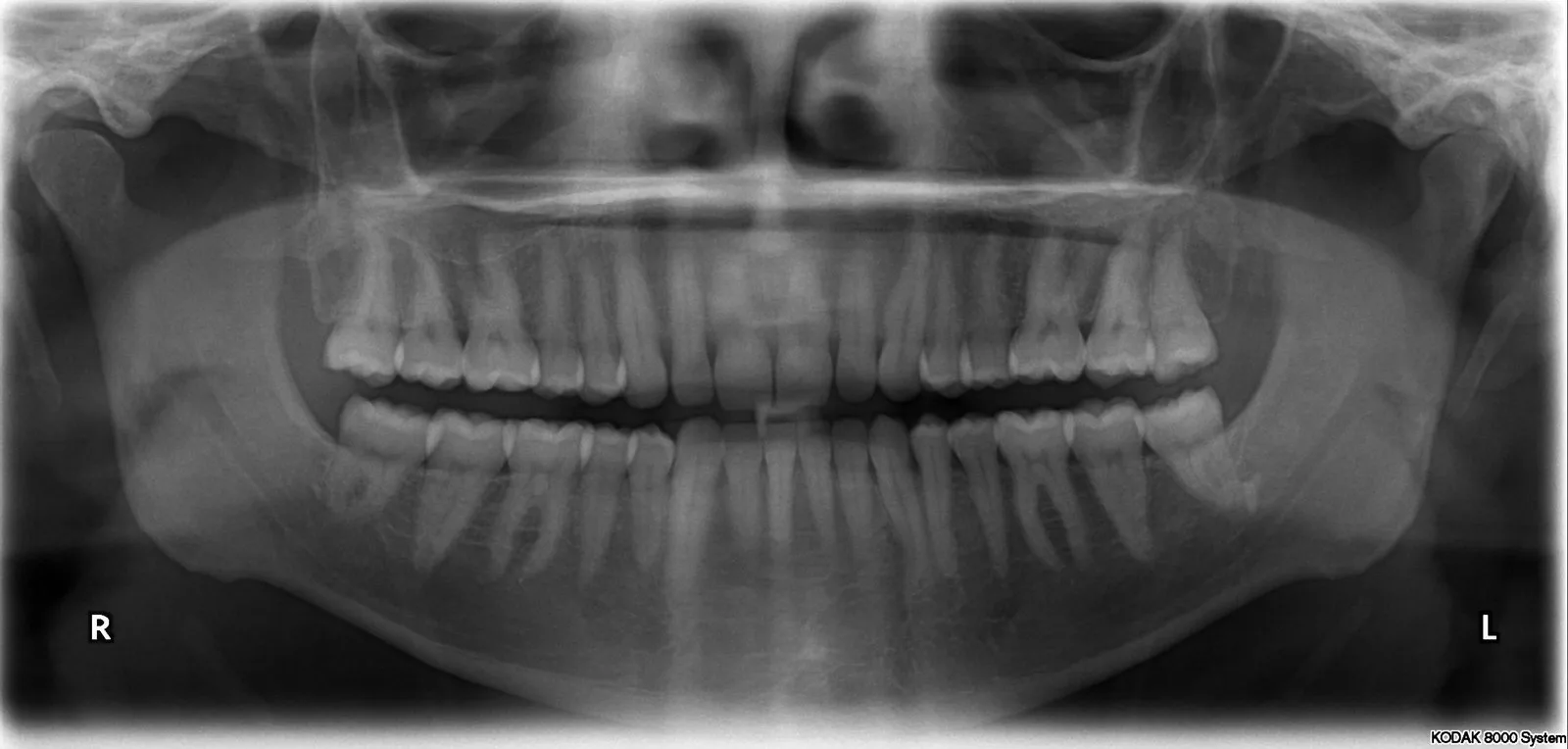
"You don't have enough bone, so no implant." Plenty of people hear that about a bone graft for dental implants long before anyone explains it. One patient told me this as he put a folded X-ray film in a plastic bag on my desk. It was six years old with a curled corner. "Doctor, I have been to two clinics and both said the same thing." There was some hurt in his voice and a bit of "you are going to tell me the same, aren't you." Two back teeth on the upper left had been pulled years ago, and he had been chewing on the right ever since. We looked at the scan. Sure enough, the bone where those teeth used to be was paper thin and the sinus above it had sagged downward. But "not enough bone" and "no implant" are not the same sentence. In between sit the graft, a sinus lift and a little patience.
Do you need a bone graft for dental implants when bone is low?
To be straight with you, I hear this question several times a week. Low bone height does not make an implant impossible. It only changes the plan. The job is to prepare the bed the implant will sit in before the implant goes in.
For an implant screw to hold firmly in the jawbone, you need a certain amount of bone in both height and width. In the back of the upper jaw that amount is often reduced by the sinus, and in the lower jaw the nerve canal sets the limit. In the front, the usual problem is thin bone, meaning there is height but no width.
In that case one of three routes is taken. Bone is added, or short or tilted implants make clever use of the bone that is there, or both are done together. Telling you which one suits you takes a 3D scan, no way around it. In our guide on what to know before getting dental implants we explain why this check should never be skipped.
Why does the jawbone shrink after a tooth is pulled?
The jawbone exists to hold teeth. Once a tooth is gone, the body reads that area as "no longer needed" and slowly pulls the bone back. It works like a muscle that thins when you stop using it. Quietly.
The bone loss is faster than most people think. In a clinical study that followed single tooth extractions for a year, about half of the bone width was lost, and most of that happened in the first three months. So every month of "it is only a gap, I will deal with it later" works against you.
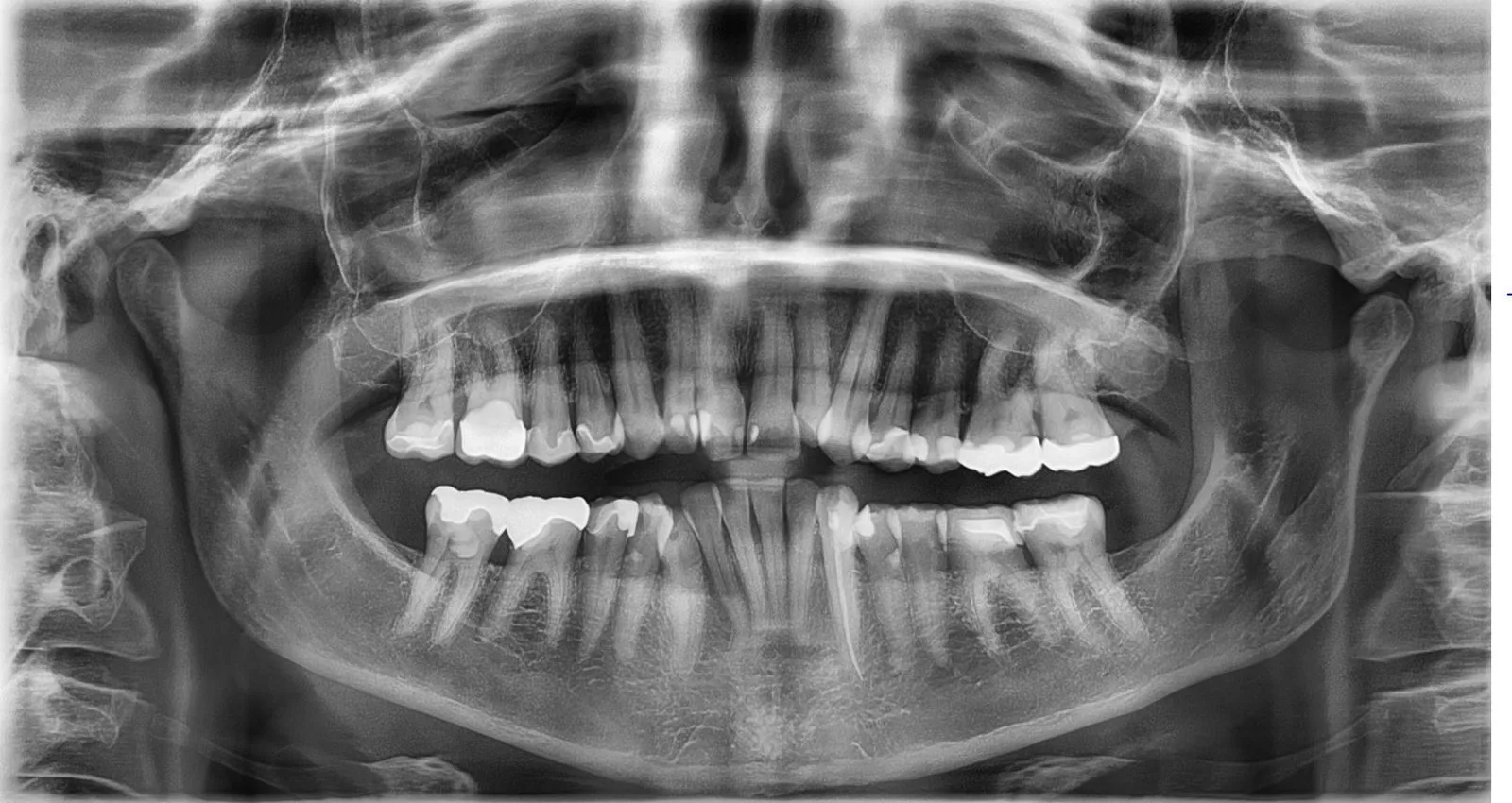
There is one more thing in the upper back area. When molars are pulled, the maxillary sinus above them gradually expands downward. This is called pneumatization of the sinus, and patients call it a "sagging sinus." You can end up with only 2-3 millimetres of bone where the tooth used to be, an air-filled space above and the mouth below. That is not enough for an implant.
Bone loss is more pronounced in people who wear dentures, because the denture presses on the gum and the bone underneath all the time. In most patients who come in complaining about a loose denture, the real problem is not the denture but the bone that has melted away beneath it over the years.
What is bone graft material and what is it made of?
Patients say "bone powder," and we say bone graft. It is the same thing, it just sounds more serious. It is material placed where bone is missing, acting like a scaffold that your body builds its own bone on. It is supplied as powder or small granules, which is where the everyday name comes from.
Here is the most important point. A graft is not a permanent filler. Over time your body sends blood vessels and bone cells into the scaffold and builds your own bone there over several months. However good the material is, the real work is done by your own bone cells.
Your own bone
This is considered the gold standard because it contains living cells. It is usually taken from the back of the lower jaw or from the chin. The downside is a second surgical site. It is preferred for larger defects and is often not needed for small gaps.
Human donor graft
This is processed, sterilised donor bone from a tissue bank. The patient does not have to give bone from a second site. It matters that the product is registered and traceable.
Animal-derived graft
This is the most commonly used group. It usually comes from cattle bone. High heat and chemical processing remove the organic part completely, leaving only the mineral framework. Because it dissolves slowly, it keeps its volume for a long time, which is why it is popular in sinus lift procedures.
Synthetic graft
These are calcium phosphate based materials made in a laboratory. They are a good option for patients who do not want animal or human sourced material.
In some cases a concentrate prepared from your own blood in a centrifuge is mixed into the graft or placed over it. The aim is to support healing. It is not needed in every case, and your dentist will suggest it if they see a reason.
Is bone graft made from cow bone and will my body reject it?
"Doctor, are you going to put cow bone in me?" This question usually comes with a frown. Yes, most animal-derived grafts come from cattle. But no cells, proteins or living tissue are left in them. What you end up with is a sterile framework that closely resembles natural bone mineral.
The body is not expected to reject this material the way it can reject an organ transplant, because there is no living tissue for the immune system to react to. A graft that fails to take is a different matter. Infection, the wound opening early, smoking or poor blood supply to the bone can cause it. So the issue is usually not "rejection" but healing conditions.
Some patients prefer not to have cattle-derived material for religious or personal reasons. Tell your dentist openly at the consultation. Pig-derived products also exist on the market, and you have the right to know that. Most cases can be solved with synthetic or human-derived options.
What is a sinus lift and who needs one?
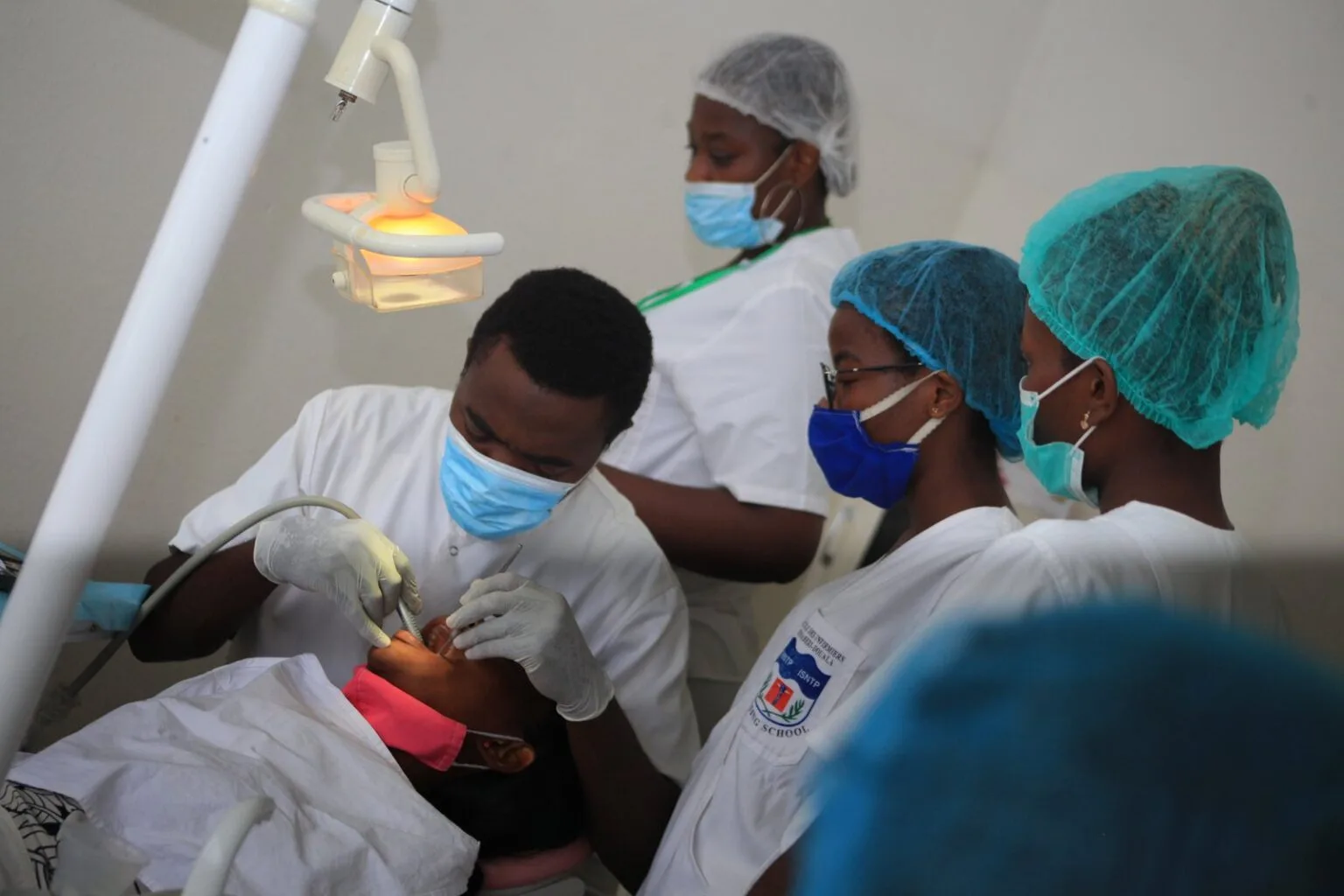
A sinus lift is a procedure in the back of the upper jaw. The thin membrane on the floor of the sinus is gently lifted, and bone graft is placed in the space that opens up beneath it. The name sounds as though the sinus itself is being moved, but it is not touched. What gets lifted is the lining of the sinus.
It is usually done for patients who are missing upper molars and premolars and whose scan shows that the bone between the sinus floor and the mouth is too short for an implant. There is no such thing as a sinus lift for the front teeth or the lower jaw, where other grafting techniques are used.
Who gets postponed? Patients with an active sinus infection, uncontrolled diabetes or heavy smoking are asked to sort those out first. If you have chronic sinus problems, we sometimes ask for an ear, nose and throat specialist's opinion too. On our bone graft and sinus lift page you can see the general outline of the procedure.
What is the difference between an open and a closed sinus lift?
There are two techniques. Which one is chosen depends largely on how much bone height is left.
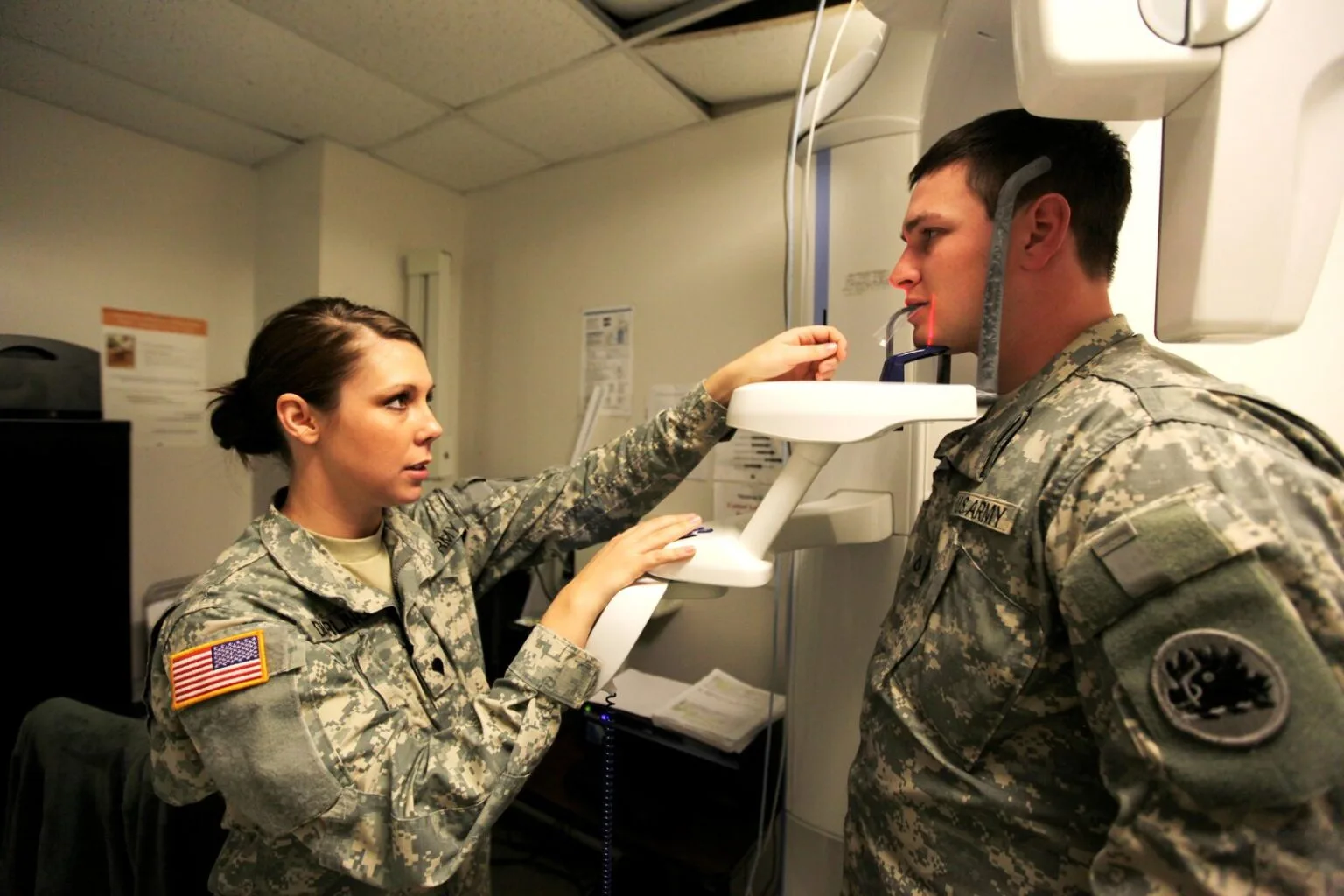
A closed sinus lift is done through the socket prepared for the implant. The socket is taken down to the sinus floor, the floor is pushed up a few millimetres with special instruments, graft is placed under it and the implant goes in during the same visit. No separate window is opened on the cheek side, so less swelling is expected. The amount that can be lifted is limited, though.
An open sinus lift is done from the cheek side by opening a small window in the side wall of the bone. The membrane is seen through this window and lifted, and a larger area is filled with graft. It is the method of choice when very little bone is left.
| Closed sinus lift | Open sinus lift | |
|---|---|---|
| When it is chosen | When a moderate amount of bone remains | When very little bone remains |
| Access | Through the implant socket | Through a small window on the cheek side |
| Height gained | A few millimetres | More |
| Implant timing | Often the same visit | Same visit or several months later |
| Swelling and bruising | Usually less | Can be more noticeable |
A systematic review that compiled the results of these techniques looked closely at long term follow-up data for the lateral window method. In short, both approaches are well known and have been used for years. What matters is choosing the right technique for the right case.
Can a sinus lift and an implant be done on the same day?
They can, with a condition. The implant must stay firmly in place even while the graft has not yet healed. We call this primary stability, and it comes from the natural bone that remains.
If a few millimetres of good quality bone remain, the implant can go in during the same visit as the sinus lift. If the bone has dropped to one or two millimetres, the screw has nothing to grip. Then the sinus is filled first and the implant is placed at a second visit once the bone has matured.
Patients sometimes insist on "getting it all done in one go." I understand. But forcing in an implant that cannot hold means gaining a few months and risking the whole job. Waiting a few extra months always costs less than throwing away a year, both in money and in nerves.
How long does a bone graft take to heal and when can the implant go in?
I do not like giving a fixed calendar, because every mouth heals differently. But this is the general frame I give patients.
- If the tooth was pulled and graft was placed in the socket, the implant is usually planned about 3-4 months later.
- For an implant placed together with a closed sinus lift, the tooth on top is often made after 4-6 months.
- In an open sinus lift the graft can take 6-9 months to mature. If the implant is placed afterwards, a few more months are needed for it to fuse with the bone.
- Where bone has been widened in the front area, the time varies between 4-6 months depending on the volume added.
"How will we know it has healed?" With a scan. When the density of the graft approaches the surrounding bone and its volume is holding, we move to the next step. The calendar bends to the patient's bone, and the bone does not bend to the calendar.
It sounds like a long process, I know. If the gap is in the front, a temporary tooth is made in the meantime, so nobody walks around with a hole for months. If you want to know how implant surgery is done step by step, our article on how implant surgery is done describes the healing period week by week.
Does a sinus lift or bone graft hurt?
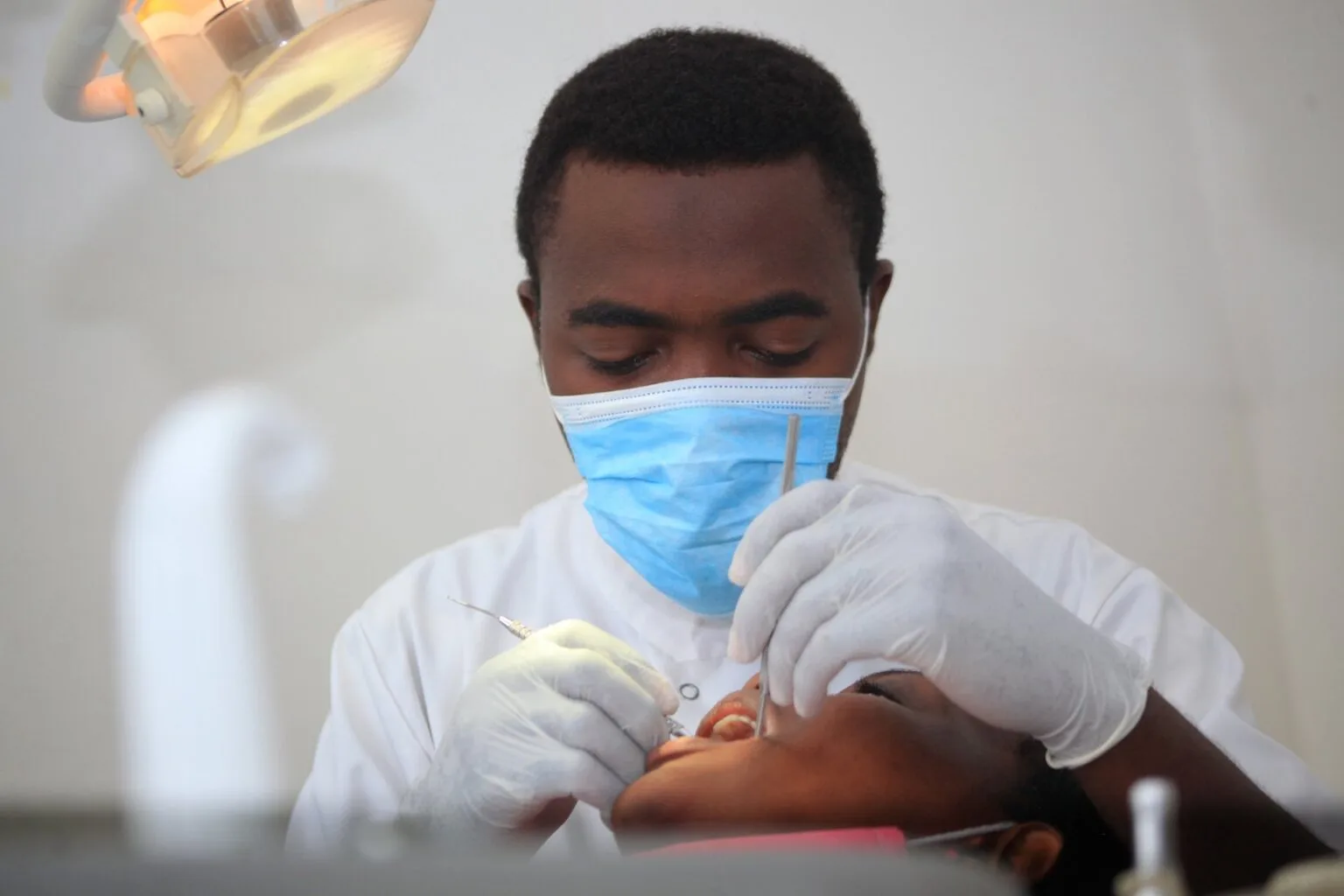
The procedure is done under local anaesthetic, so you do not feel sharp pain during it. You will feel pressure, vibration and hear the instruments. An open sinus lift takes longer, so for anxious patients conscious sedation can also be discussed.
What you actually feel comes afterwards. Expect swelling and soreness for the first two or three days, usually peaking on day two or three and then fading. After the open technique there may be bruising on the cheek, sometimes toward the lower eyelid. It looks alarming, but it turns yellow and disappears within two weeks. A slightly pink discharge or a few drops of blood from the nose in the first days is not surprising after this procedure.
Take your pain relief as your dentist tells you, regularly and before the pain starts, and it will be easier on you. One request from me. Use ice in short intervals on the first day. Do not press it against the cheek for hours.
What should you watch out for after a sinus lift?
The sinus membrane has been lifted and there is fresh graft under it. For the first weeks the aim is to keep pressure off that area. I always explain it with the same picture. You have put sand under a balloon, so do not blow the balloon up until it bursts.
- Do not blow your nose. Wipe the discharge or gently sniff it back, but never blow hard.
- If you feel a sneeze coming, sneeze with your mouth open. Sneezing with a closed mouth sends the pressure straight into the sinus.
- Do not drink through a straw, and give up smoking at least for this period. Smoking directly impairs the blood supply to the graft.
- Ask your dentist before flying or diving. Pressure changes are not wanted in the first weeks.
- Put off heavy exercise, bending over, saunas and steam baths for the first days.
- Do not chew on the treated side. Eat warm, soft food. Soup, yoghurt and well cooked pasta are fine. Leave the crusty bread for a while.
This point is especially important for patients travelling from abroad. Do not book the flight home for the day right after the procedure. We plan the timetable together at the consultation. Directions for reaching our Haliç clinic are on the branch page.
What are the risks of a sinus lift and bone graft?
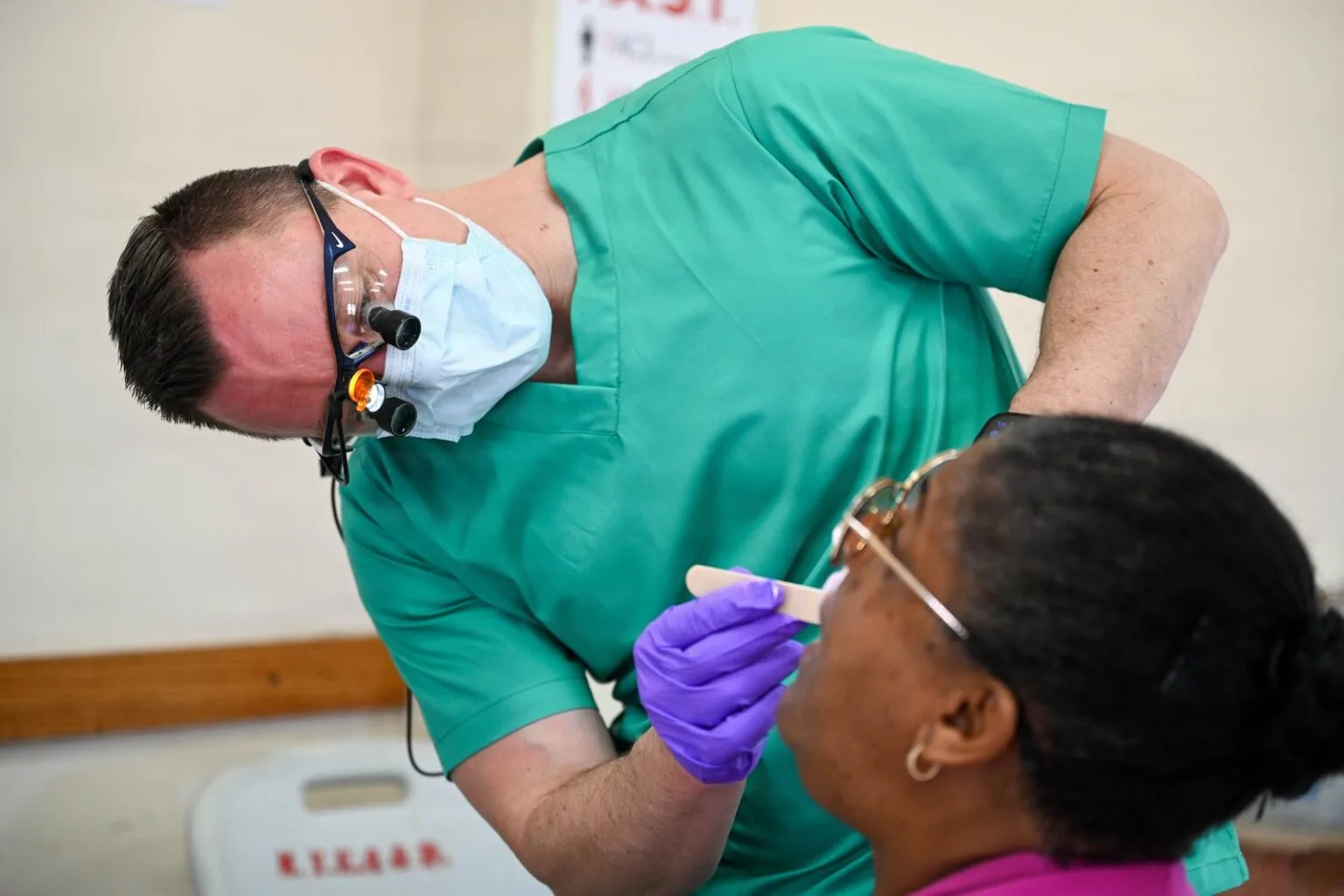
There is no surgery without risk. None. When patients know these in advance, they call the clinic instead of panicking if something happens.
The most common event is a small tear in the sinus membrane during the procedure. The membrane is very thin, sometimes as thin as cigarette paper. Small tears are usually covered with a special membrane in the same visit and the work carries on. With a large tear, stopping and waiting for the membrane to heal may be the better choice.
Other possible problems are the following. A sinus infection after the procedure, the wound edges opening early, part of the graft being pushed out, or less bone forming than expected. Rarely the implant may not take. In that case the area can often be tried again once it has healed.
Call us without waiting if you notice any of these. Swelling that grows after day three instead of shrinking, fever, foul smelling or yellow green discharge from the nose, water passing from the mouth to the nose, a salty and unpleasant taste in the mouth. Most of these are easily sorted out when caught early. In our article on what implant patients regret we also talked about what happens when a graft is skipped even though bone was missing.
Can you get dental implants without a bone graft?
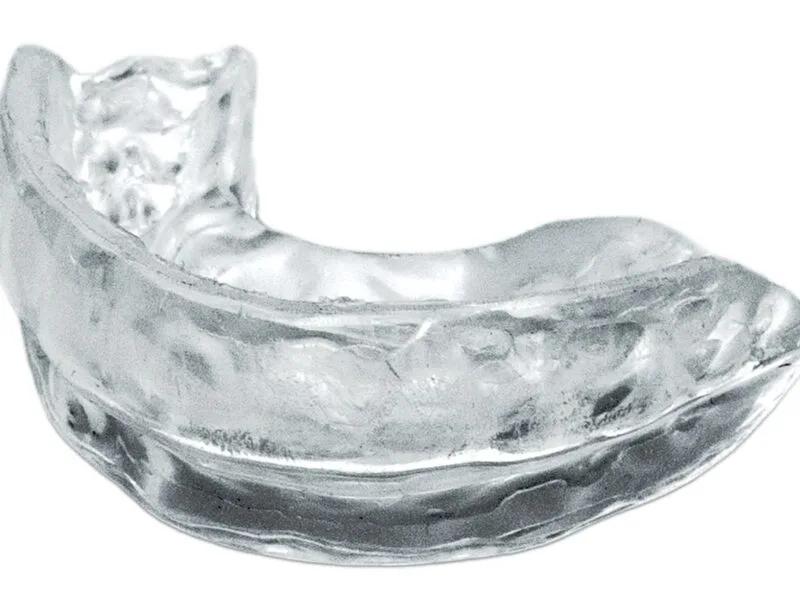
Sometimes you can. A bone graft is not compulsory in every case, and your dentist has other options.
Short implants can be used in the limited bone just below the sinus, or near the nerve in the lower jaw. In a suitable case they can make a sinus lift unnecessary.
Tilted implants are placed at an angle toward areas where the bone is stronger. The all-on-4 implant system used for patients missing all their teeth works on this logic. The back implants are tilted to bypass the sinus, and a graft is often not needed.
Zygomatic implants are long implants anchored in the cheekbone, used in the upper jaw when bone loss is very severe and no other option remains. It is a more advanced surgery and is not suitable for everyone.
One more thing. Not every missing tooth has to be replaced with an implant. If the neighbouring teeth are in the right condition, a bridge can be an option too. We discussed the implant or bridge question in a separate article. Before you decide, you can also look over the general process on our dental implant treatment page.
Is it worth placing a bone graft when a tooth is pulled?
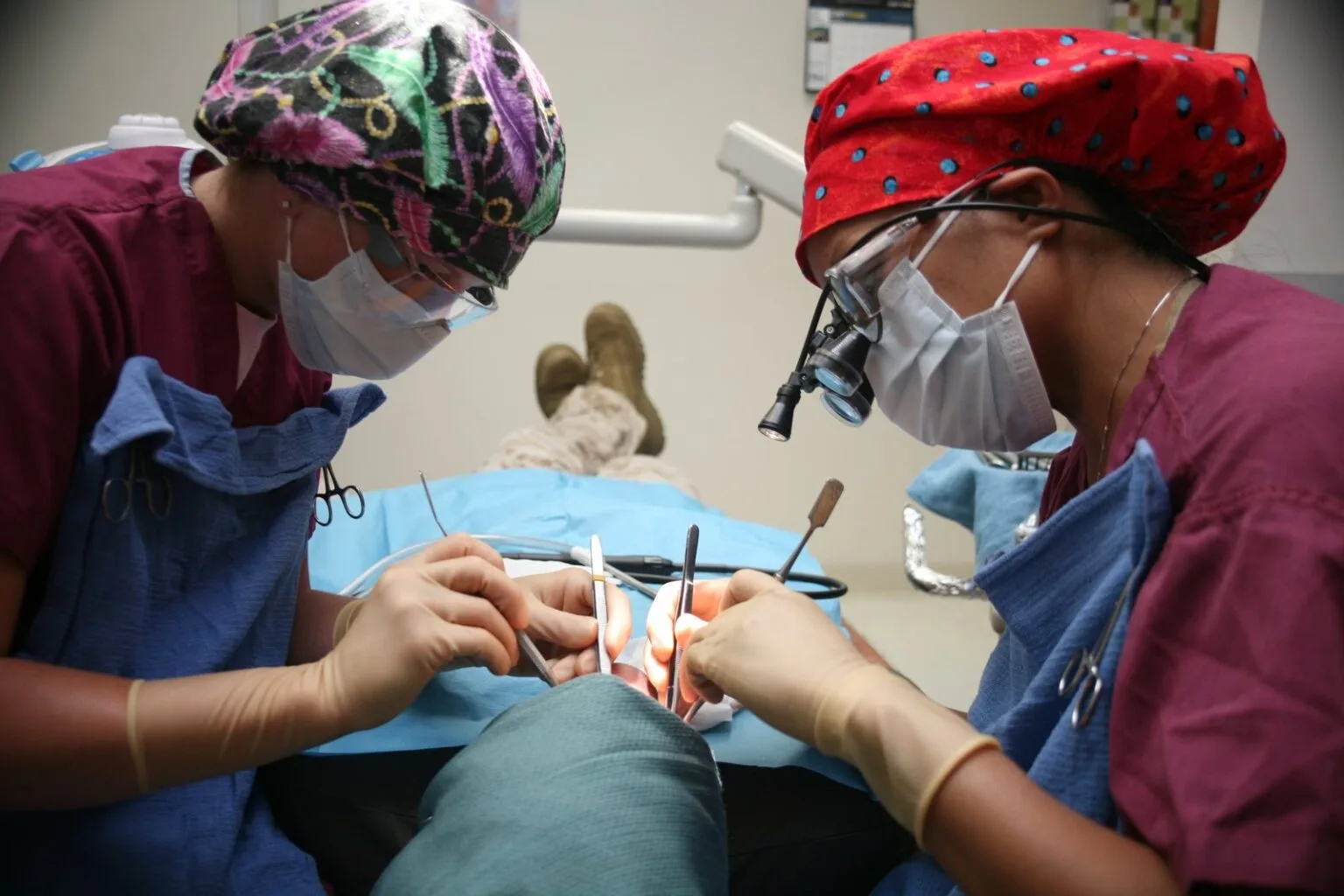
Often yes, especially if an implant is planned for that area later. If graft is placed in the empty socket right after the extraction and covered with a membrane, the collapse of the bone slows down considerably. This is called socket preservation.
Let me give you an example. Think of a patient who loses a front tooth in an accident. If the socket is left empty, a dip forms in the gum within a few months, and the tooth made later looks long and unnatural however nicely it is crafted. Socket preservation tries to prevent that dip from the start.
It is not needed for every extraction. It can be skipped for a wisdom tooth where no implant is planned, or for a socket suitable for an immediate implant. In short, asking "what will happen to this gap in the future" before the extraction changes the plan for the following months.
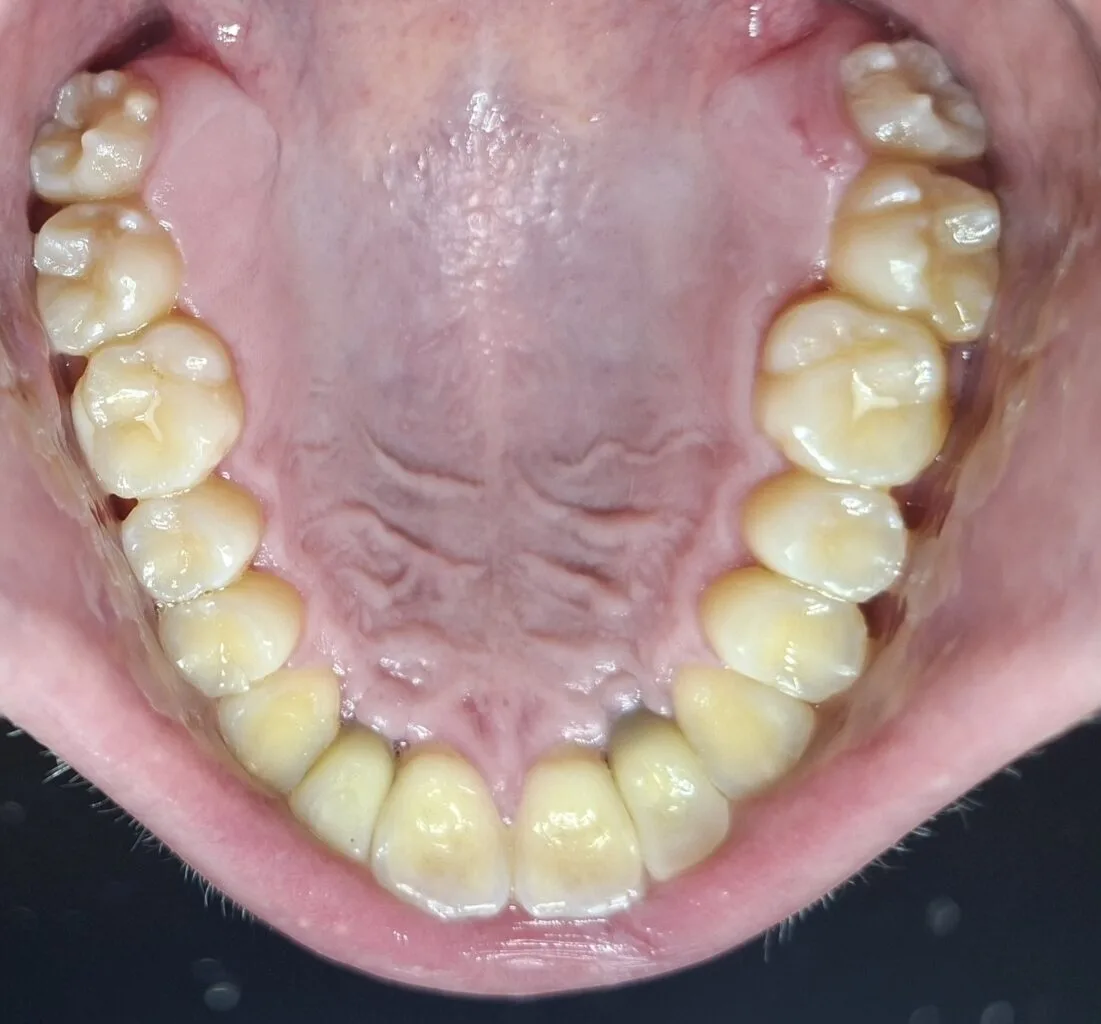
Why does the cost of a bone graft and sinus lift vary from person to person?
We do not write any figures here. The regulation on health advertising does not allow it, and even if it did, we would not. A price quoted over the phone is no more than a guess made without seeing your scan.
The things that shape the cost are actually quite concrete. How many tooth areas are treated, whether a closed or open sinus lift is needed, how much graft and what type of membrane is used, whether the implant goes in at the same visit or a separate one, and whether sedation is needed. One patient may need only a small lift on one side, while another needs open sinus lifts on both sides. Even if the two procedures share a name, they are not the same job.
My advice is this. At whichever clinic you go to, ask for the plan to state in writing the type of graft, the membrane to be used and how many stages are expected. Compare by plan, not by number.
How long does an implant last after a bone graft and sinus lift?
Once it has matured, bone built with a graft behaves like natural bone. For an implant, what matters is not where the bone came from but whether there is enough of it and whether it is healthy.
What decides longevity is no different from other implants. Regular brushing, cleaning between the teeth, staying away from smoking, a night guard for patients who clench at night, and a check-up at least once or twice a year. Gum inflammation around an implant can advance unnoticed, so it is important not to skip your check-up appointments. In our article on what a dental implant is and how it is placed we describe aftercare in more detail. The NHS dental treatments page also gives a patient friendly general overview of treatments including implants.
Back to the owner of the plastic bag. On the scan there were about two millimetres of bone under the sinus floor. We explained that we would start with an open sinus lift and place the implant months later, that he would need to be patient in between, and that the no-nose-blowing rule was no joke. As he got up, he folded the film again and slipped it into the bag, then stopped. "So you are not saying it can't be done, you are saying it takes time." Exactly, I told him. Most of the time the issue is not whether you have bone, it is doing things in the right order.
Frequently asked questions
What is a bone graft for dental implants and why is it used?
A bone graft is material placed where bone is lacking, and your body uses it as a scaffold to build new bone. It is used to create the bone volume an implant needs to sit firmly. Over time your own bone takes its place.
What is a sinus lift and who is it for?
A sinus lift means lifting the sinus membrane in the back of the upper jaw and placing graft underneath. It is done for patients who are missing upper molars and whose scan shows too little bone height for an implant. If there is an active sinus infection, that is treated first.
How long does a bone graft take to heal?
Graft placed in an extraction socket usually matures in 3-4 months, while graft used in an open sinus lift takes 6-9 months. The time depends on the size of the bone loss, the material used and how fast you heal. The next step is decided with a follow-up scan.
Can the body reject a bone graft?
Processed grafts contain no living cells or proteins, so rejection like that of an organ transplant is not expected. A graft that does not take usually fails because of infection, the wound opening early or something that impairs healing, such as smoking. That is why following the aftercare rules matters so much.
Is bone graft made from cow bone?
Most animal-derived grafts come from cattle bone and consist of a mineral framework with the organic part fully removed. Synthetic or human-derived grafts can be used for patients who do not want this material. It is enough to tell your dentist your preference at the consultation.
Can a sinus lift and an implant be done on the same day?
If enough bone remains to hold the implant without movement, it can be placed at the same visit as the sinus lift. If there is very little bone, the sinus is filled first and the implant goes in a few months later. The decision rests on the measurements on the scan.
What should you avoid after a sinus lift?
In the first weeks do not blow your nose, sneeze with your mouth open, do not use a straw and do not smoke. Wait for your dentist's approval before flying or diving. Put off heavy exercise and saunas in the first days too.
Can you get an implant without a bone graft?
In some cases implants can be placed without a graft, using short implants, tilted implants or systems such as all-on-4 for the whole jaw. If bone loss is very advanced, zygomatic implants may also be considered. Which one suits you is decided with a scan.
How long after a tooth is pulled does the bone start to shrink?
Bone loss starts straight after the extraction and moves fastest in the first few months. If you are thinking about an implant later, placing graft in the socket at the time of extraction can slow the loss considerably. That is why it helps to talk about the future of the gap before the tooth comes out.
If you have an old panoramic X-ray or a scan, send it over and we will go through the state of your bone and the route that suits you with our dentist. Contact page