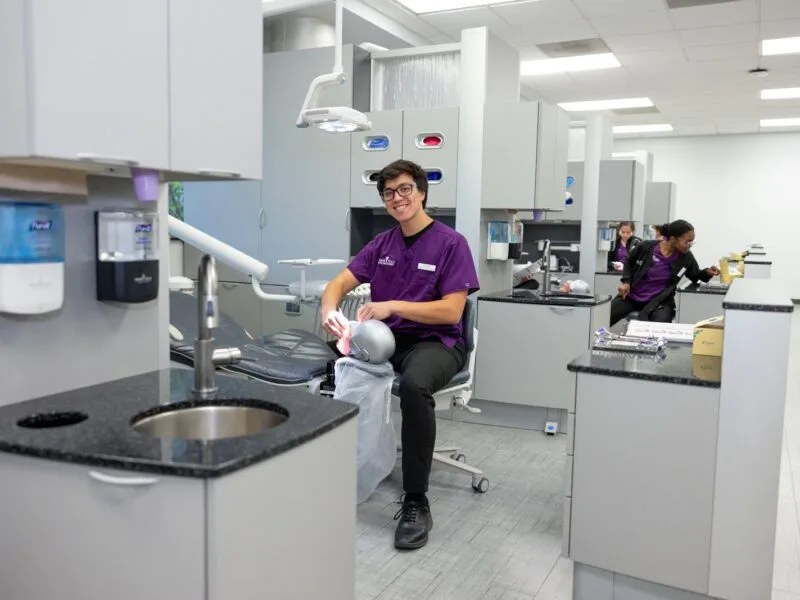
She sat down in the chair and held out her phone before I had said a word. On the screen was an ad, "take your own impressions at home, aligners delivered to your door". Twenty-nine years old, works in a bank, engagement party in three months. "Doctor, I cover my mouth with my hand when I laugh in meetings. Should I go for clear aligners vs braces, or is that online thing fine?" I hear this question almost every day now. Clear aligners have moved into the shop window of orthodontics in recent years, while braces still carry most of the heavy lifting. Both have their place. What matters is which one suits your mouth, and who decides that and how.
What are clear aligners and how do they work?
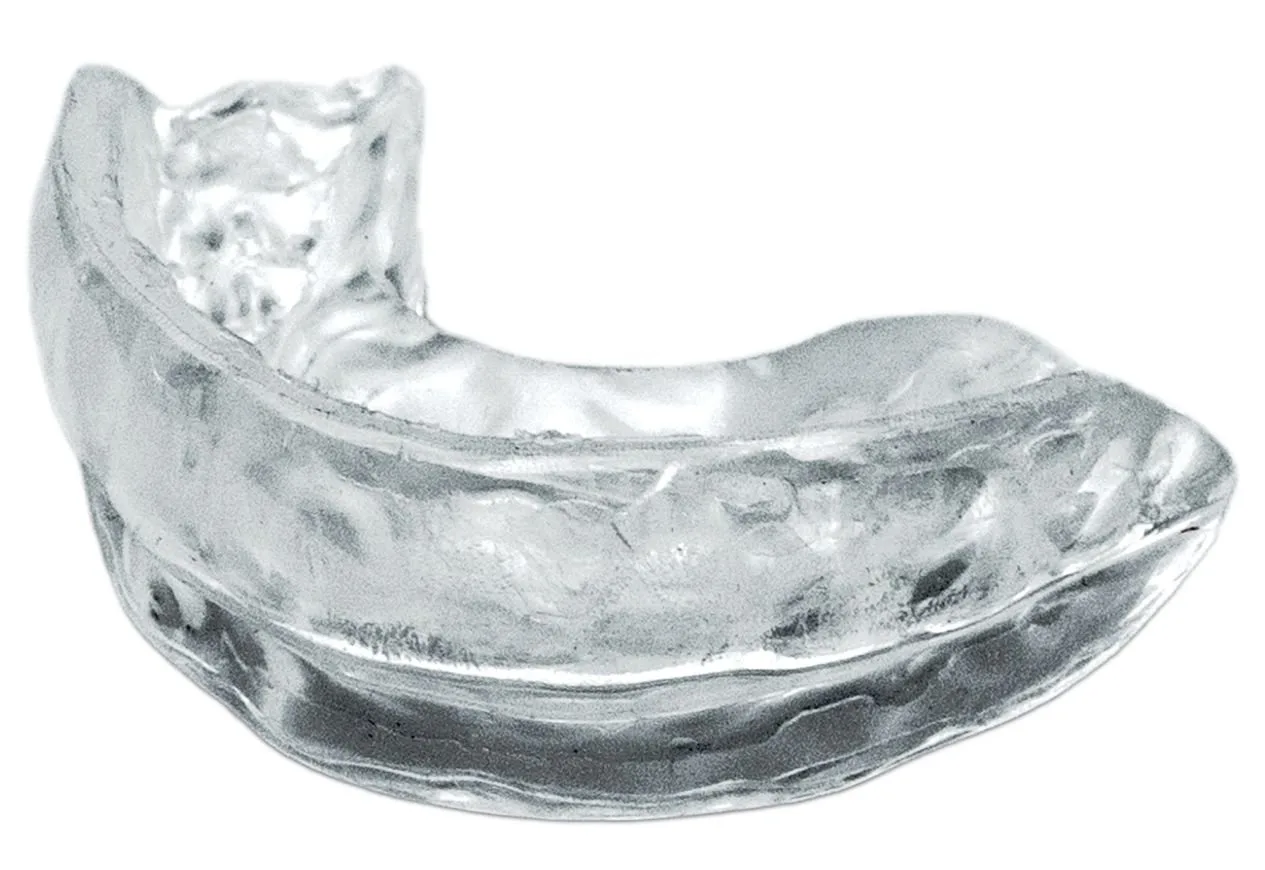
An aligner is a thin, transparent plastic shell that fits snugly over your teeth. It is not one tray but a series. Each tray nudges the teeth a tiny amount, a fraction of a millimetre, toward the planned position. You move on to the next tray every couple of weeks, and the teeth walk into place step by step.
We plan these steps on a computer beforehand. We take a digital scan of your mouth, move the teeth one by one on screen and see where they will end up. Some teeth need small tooth-coloured bumps bonded to them. Patients call them "buttons", and the aligner grips the tooth through these handles. When teeth are crowded, a very thin polish between them can be part of the plan too. We talk through all of this at the consultation so nothing comes as a surprise.
An aligner does not work on its own. The person wearing it makes it work. I mention it now and will come back to it below.
Clear aligners vs braces, which one is right for me?
Let me be honest. For mild to moderate crowding, gaps between teeth and teeth that have drifted after earlier treatment, aligners are often a very good option. When there is a clear mismatch between the jaws, or when teeth need to be rotated from the root or moved a lot vertically, braces can give a more predictable result. In some cases we use the two one after the other.
Before deciding we look at several things together, not in a fixed order. Your bite, the direction of the roots, the state of your gums and bone, and whether any tooth is impacted. Then there is your daily life. If you cannot wear aligners for more than twenty hours a day, they will not work even in a textbook-perfect case.
| Topic | Clear aligners | Braces |
|---|---|---|
| Appearance | Noticeable up close, most people do not see them from a distance | Metal or tooth-coloured brackets are visible |
| Wear discipline | 20-22 hours a day, responsibility lies with the patient | Fixed, cannot be removed |
| Eating | Taken out, then brushed and put back | Care needed with hard and sticky foods |
| Brushing | Normal brushing, aligners cleaned separately | An interdental brush is a must around the brackets |
| Complex cases | May be limited | Wider control over tooth movement |
| Check-up frequency | Usually less frequent | Regular appointments for wire adjustments |
The UK's National Health Service describes in a similar way when fixed and removable appliances are chosen, on its orthodontics page. The examination decides the choice. Advertising does not.
How long does clear aligner treatment take?
This is the second most common question, and the answer is a bit annoying. It varies. A mild crowding in the front teeth can be corrected in a few months, while clear aligner treatment that also changes the bite can take a year and a half. A similar range applies to braces, and complex cases can go beyond two years.
What stretches the timeline is well known. Wearing the aligners too little. Losing a tray and waiting for a new one. Missing check-ups. Having to pause treatment because of gum inflammation. One patient of mine left her aligner case on the back seat of a taxi on her way to a summer holiday, and a two-week trip added a month to our plan. She laughs about it now. She was not laughing that day.
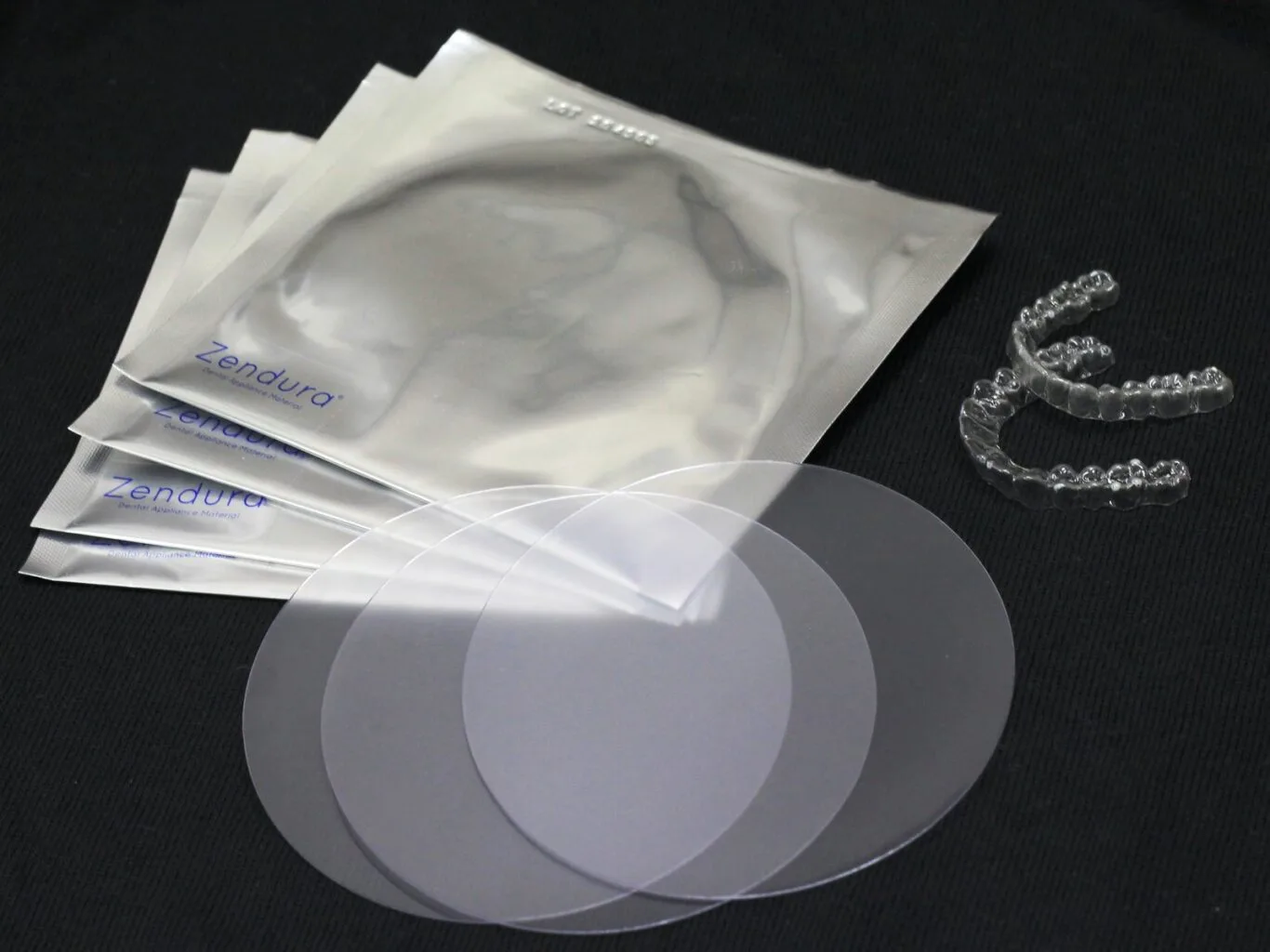
How many hours a day do you wear aligners, and what about eating?
20 to 22 hours a day. In other words, you take them out only to eat and to brush your teeth. While the aligners are in, you drink only water. Tea, coffee, fizzy drinks and juice all pool inside the tray, which stains it and leaves a sugary bath against the tooth surface.
In practice, constant snacking comes to an end. For someone who sips tea every hour at the office, that is a real change. Some patients turn it into a plus and give up the afternoon pastry. Others struggle in the first month. At the first visit I ask openly, does your daily rhythm allow this? If it does not, braces may be less tiring for you.
How do you clean aligners?
Morning and evening. Clean them with lukewarm water and a soft brush. Hot water can warp the shape, and an aligner dropped into boiling water will never seat on the teeth again, so that series has to be remade. Toothpaste sometimes scratches and dulls the surface, so plain soap or a cleaner recommended by your dentist is better. Whenever you take the aligners out, put them in their case. An aligner wrapped in a napkin ends up in the bin, and there are very few orthodontic patients who have not lived through that.
Do clear aligners hurt, and do they affect speech?
For the first day or two after you switch to a new tray you feel pressure on the teeth. Not pain, tightness. Soft foods help on those days. Putting the new tray in just before bed also works well, because the tightest hours pass while you sleep.
You may have a slight lisp for the first few days, especially on "s" and "sh" sounds. The tongue gets used to the aligner quickly. Patients who talk to clients on the phone or give presentations usually tell us it is unnoticeable within a week. Those who play wind instruments, a clarinet for example, can take the aligners out while playing, and that time simply has to be subtracted from the daily total.
What happens when braces are fitted?
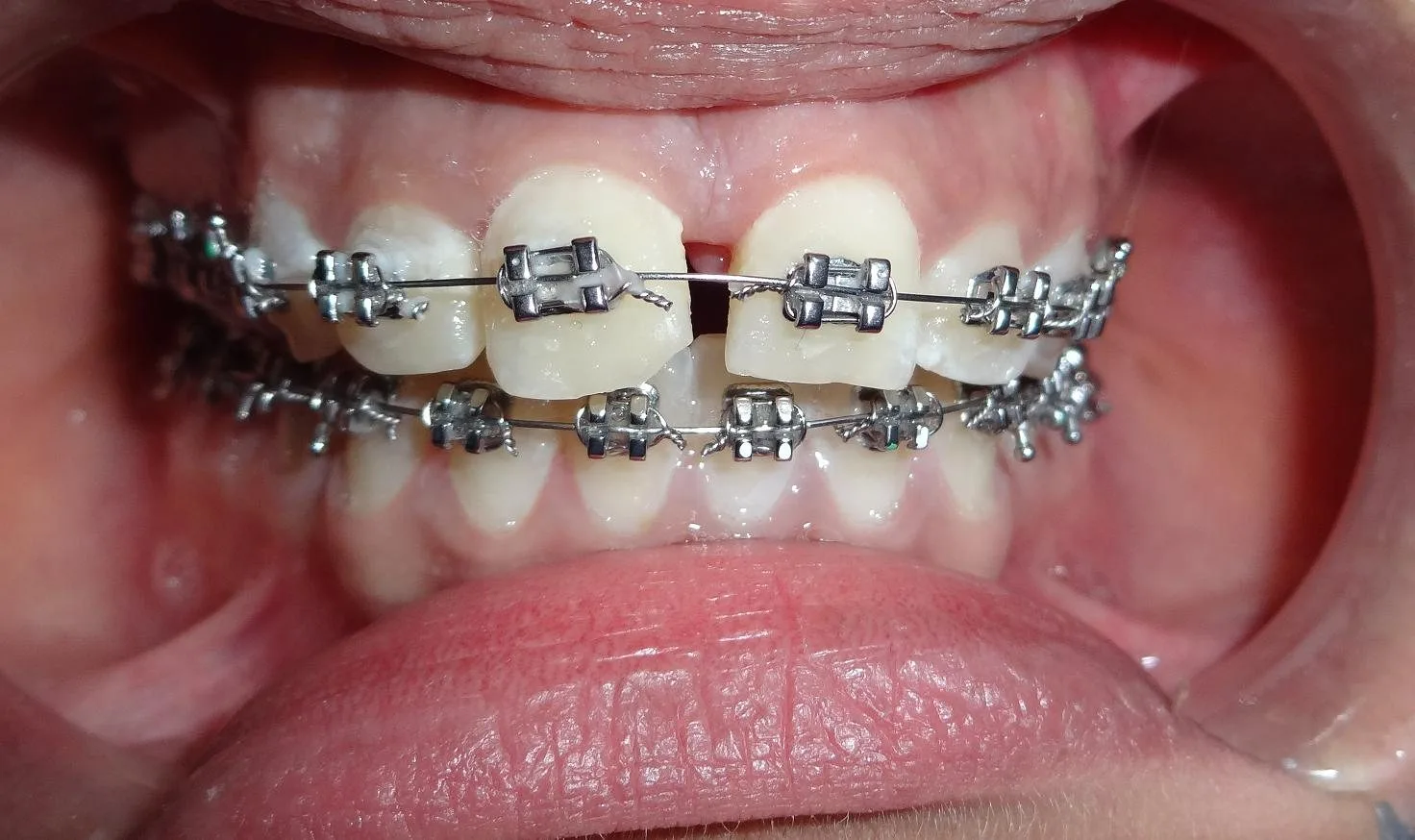
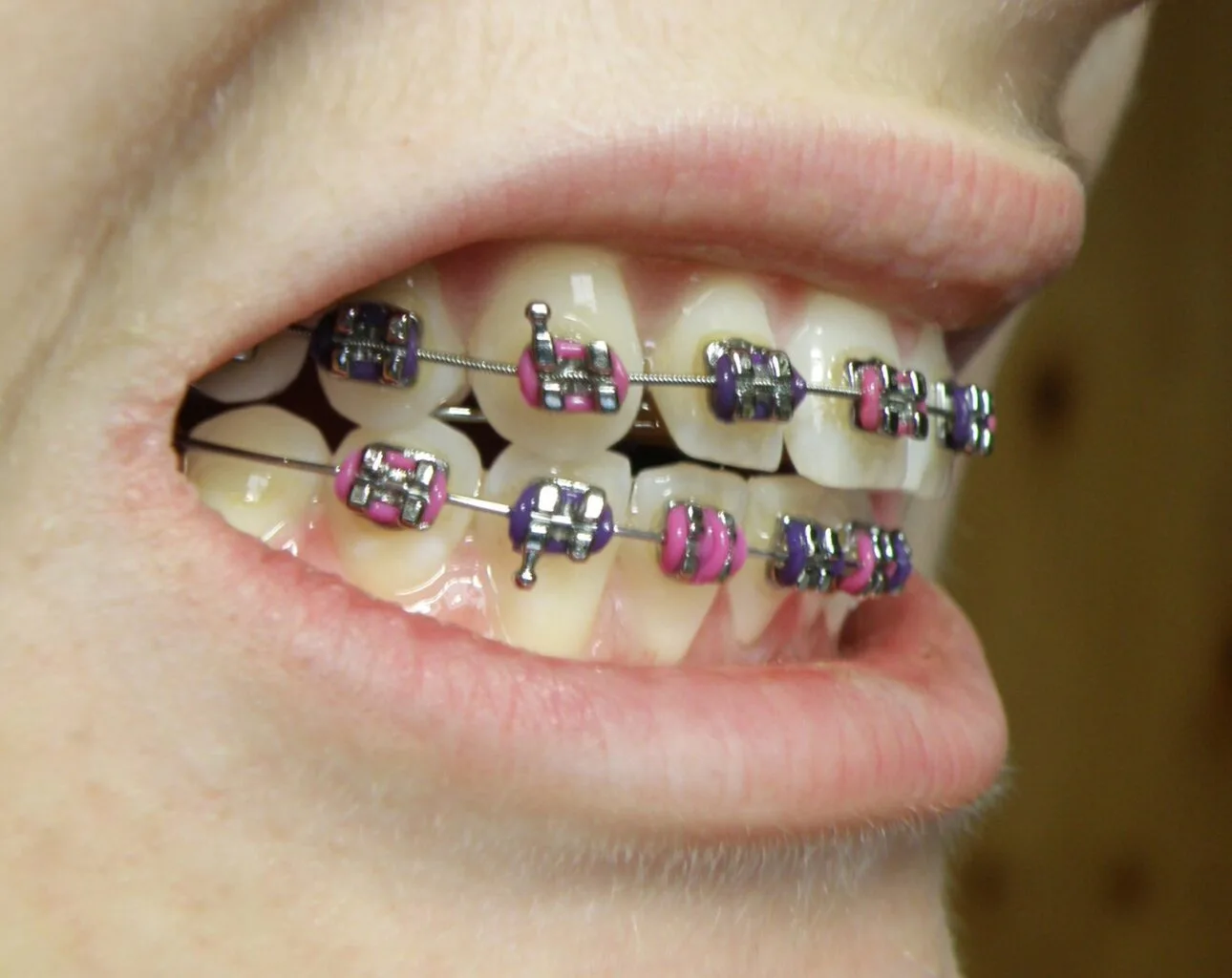
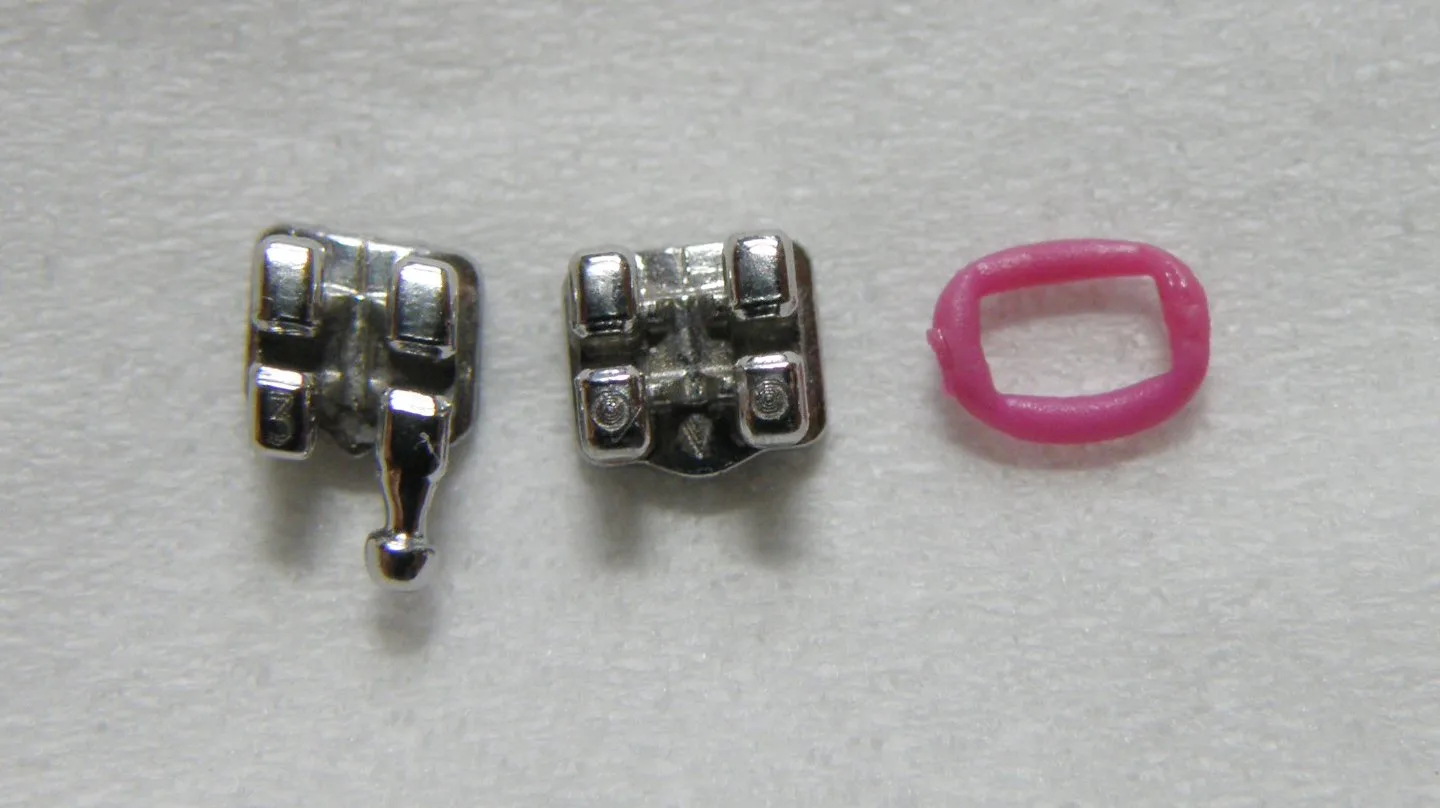
The braces go on in a single appointment. The teeth are cleaned, brackets are bonded and the wire is tied in. No injection is needed for the procedure. The real adjustment comes over the following week or two, when the brackets can rub against the inside of your cheek. Do not hesitate to use the protective wax we give you for that.
There are several types. Metal brackets are the most durable. Tooth-coloured ceramic brackets stand out less but are a little more fragile. Lingual braces, bonded to the inner surface of the teeth, cannot be seen from outside, although the tongue takes longer to get used to them and they do not suit every case.
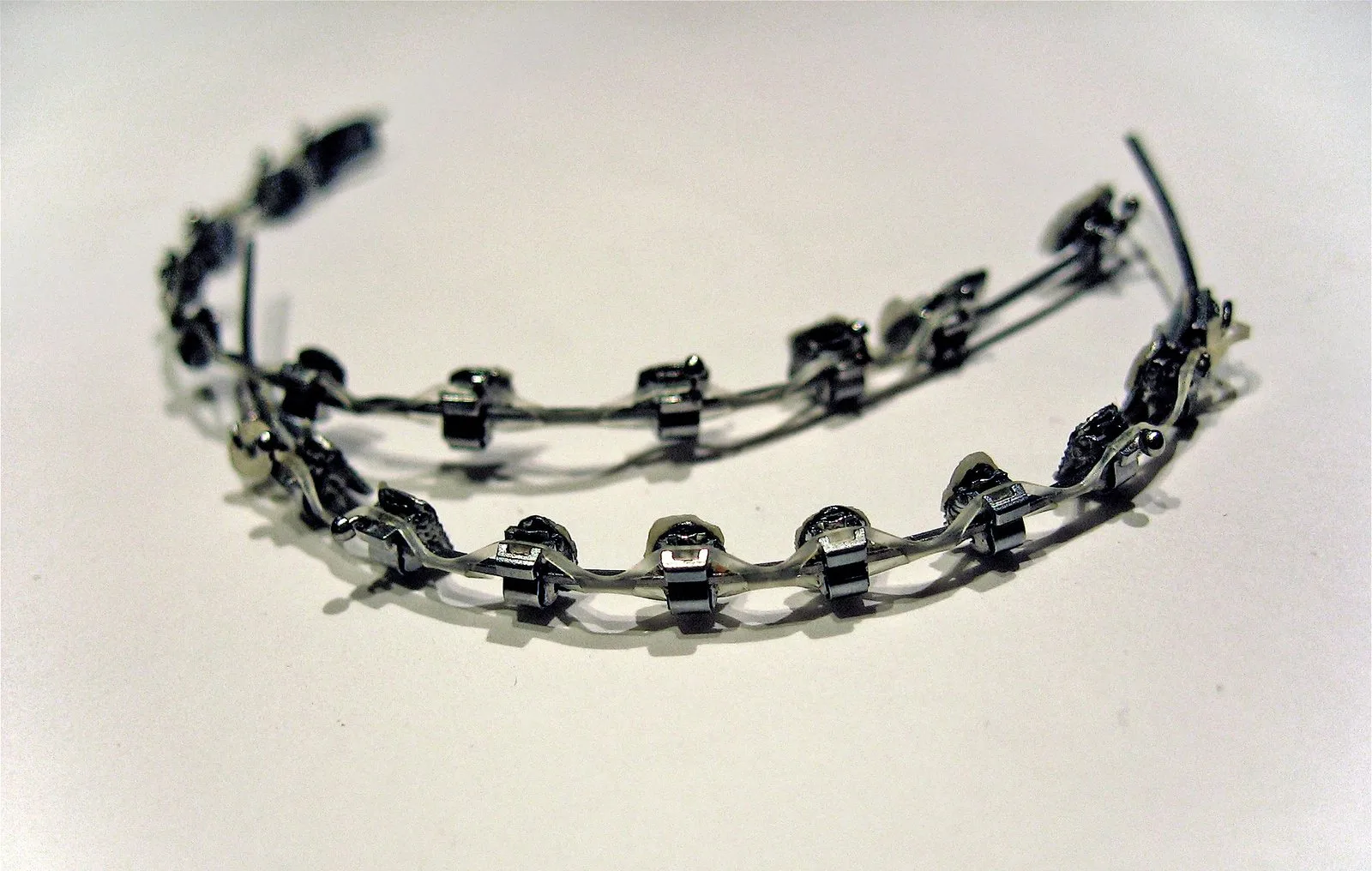
The hardest part of living with braces is keeping them clean. Food collects around the brackets, and if they are not cleaned well, white marks appear on the teeth and the gums begin to bleed. If your gums bleed, our article on why it happens and how it goes away will guide you. An interdental brush and, if needed, a water flosser are the best friends of anyone wearing braces.
I have one request. Do not postpone your check-ups. The wire is changed a little at each visit, so every missed appointment stretches the treatment, and a loose or broken bracket can sit unnoticed for weeks doing nothing. Fasting, holidays, exam week. I know them all. Please come anyway.
Can adults have orthodontic treatment?
They can. Most of the people who ask for aligners in my practice are in their thirties and forties. "They did not give me braces as a child, is it too late now?" they ask. As long as the teeth and the surrounding bone are healthy, there is no age limit for moving teeth. We have treated patients in their fifties.
What we watch in adults is the gum. If there is gum recession or bone loss, that is treated first and orthodontics comes afterwards. Otherwise a moving tooth can loosen even more in weak bone. If you are curious about the gum side, we explained it in detail in our article on gum recession. Sometimes orthodontics does not finish the job on its own either. For example, making room for a missing tooth and planning an implant there, or straightening the teeth and then doing a smile design.
When should a child see an orthodontist?
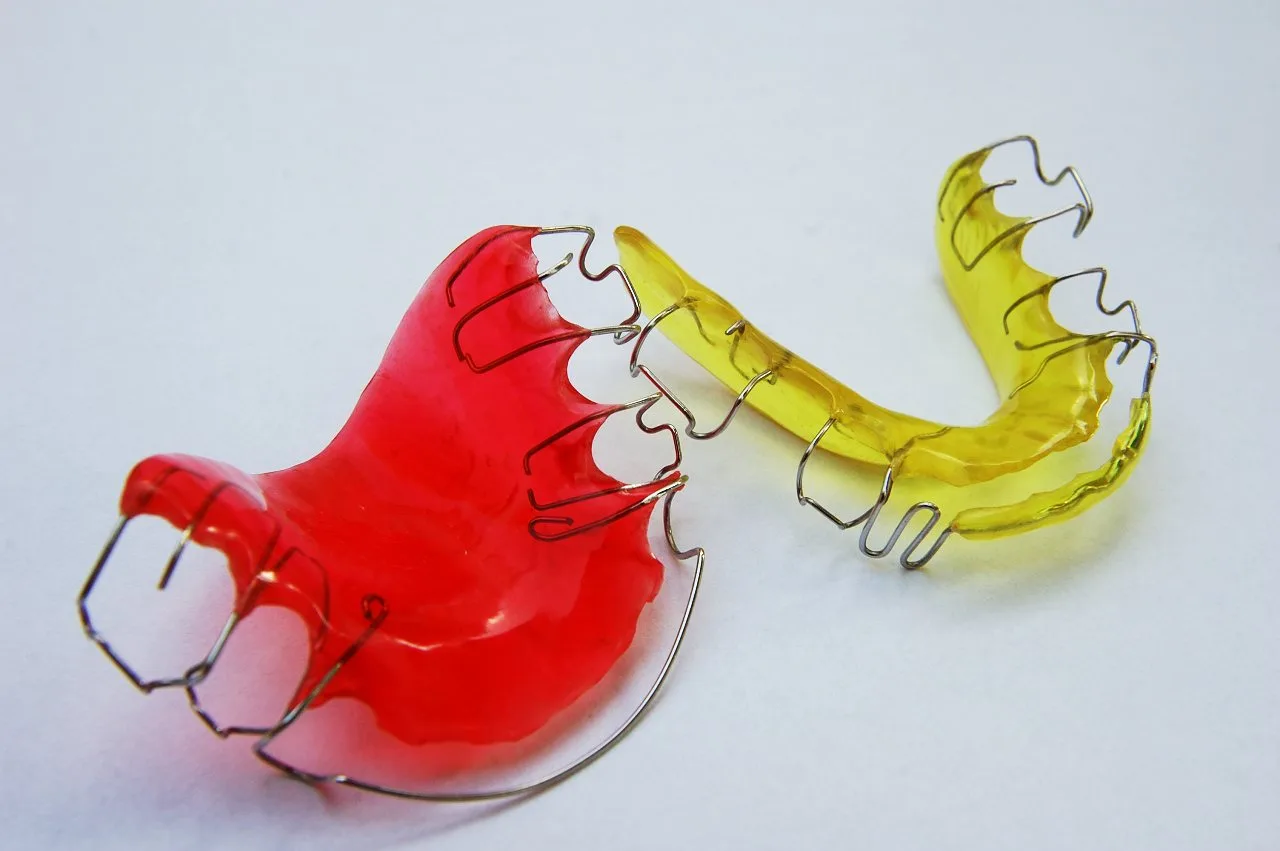
Around seven years old is a good time for a first orthodontic check. Most of the time we do not start treatment at this age, we simply follow jaw growth and the direction in which the permanent teeth are coming through. Some problems are easier to guide during the growth period. A narrow palate, a lower jaw that closes in front of the upper, and the marks left by thumb sucking, for example.
Removable appliances and fixed wires are widely used in children, while aligners generally come into the picture once the permanent teeth are complete. You can find more about your child's teeth on our paediatric dentistry page.
Are mail-order aligners safe?
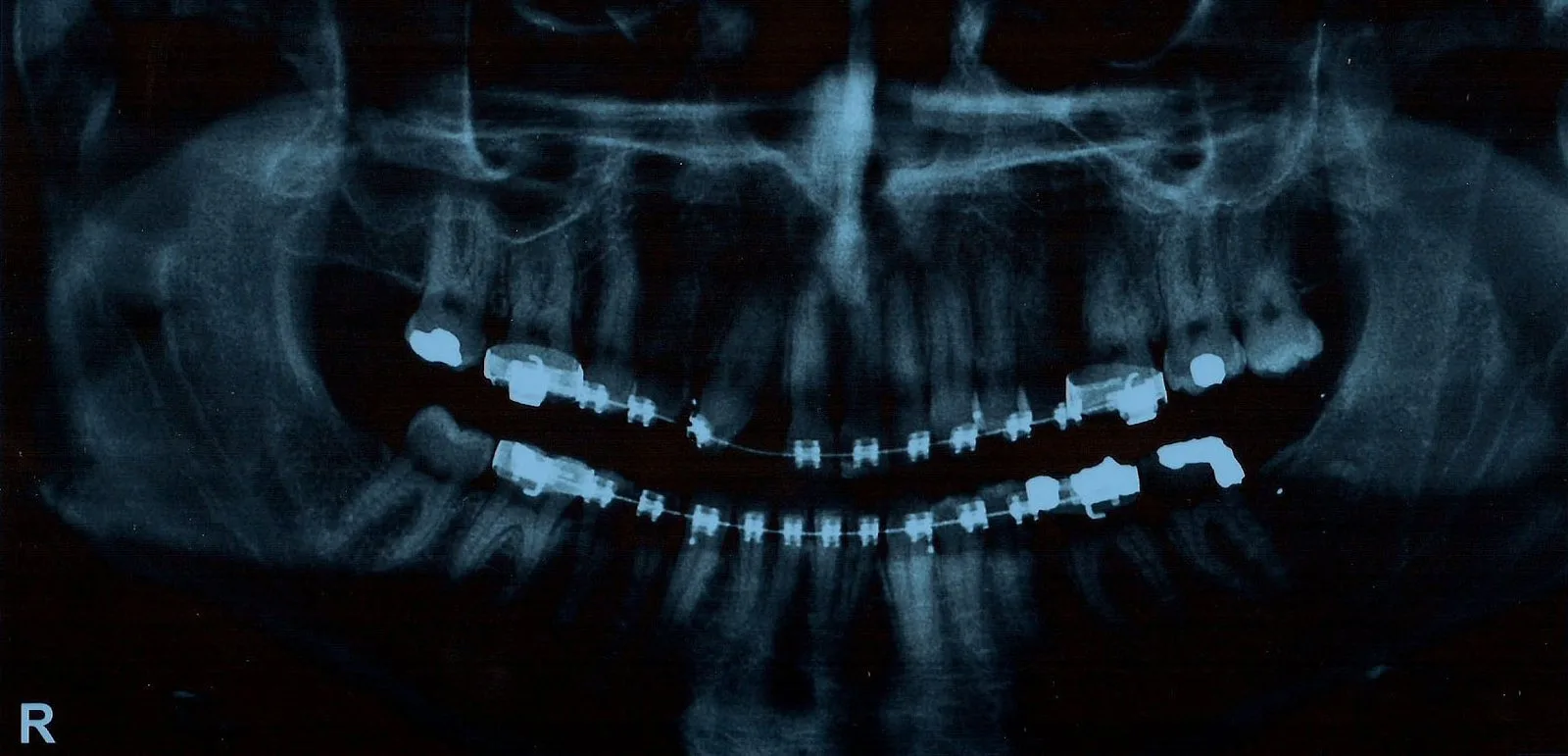
I get this question a lot because of the ads, and I will be direct. Moving teeth without examining the mouth and looking at an X-ray is a serious risk. Putting aligners on teeth with inflammation around a root, gum disease or an impacted tooth can speed up the problem. Without an X-ray nobody can see where the root goes inside the bone.
Then there is follow-up. Most of the work in orthodontics happens at the check-ups. Is the aligner seating, has a tooth lagged behind, are the gums red? We see these by looking into the mouth, not at a screen. Aligner treatment is not a product, it is a medical process carried out under a dentist's supervision. The World Health Organization also stresses, in its oral health fact sheet, how common gum disease is and how important regular check-ups are.
Do teeth drift back after treatment?
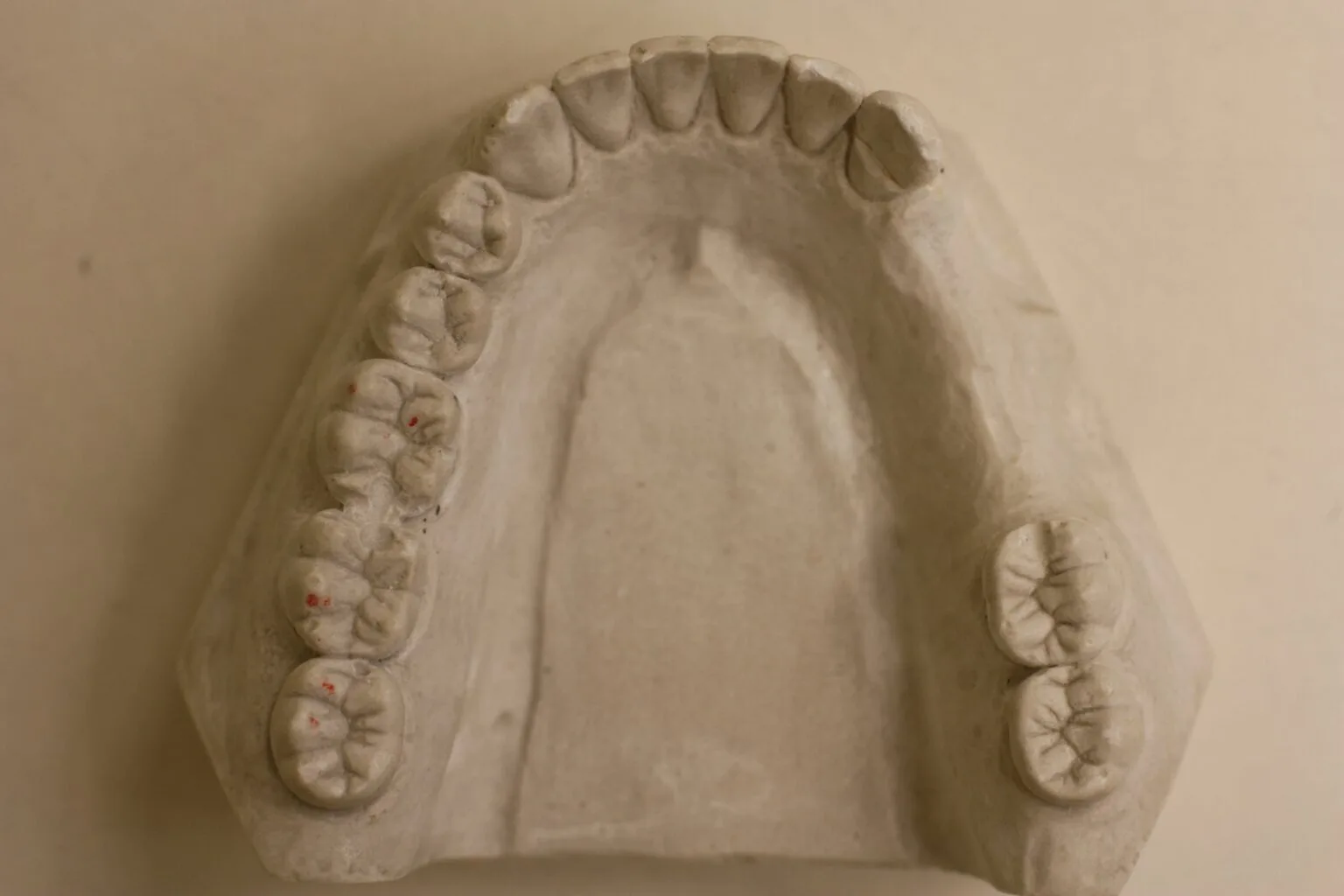
They can. Many people start treatment without knowing it. Teeth move within the bone, and until the bone settles around the new position it tends to pull the tooth back to where it was. That is why a retention period begins when treatment ends.
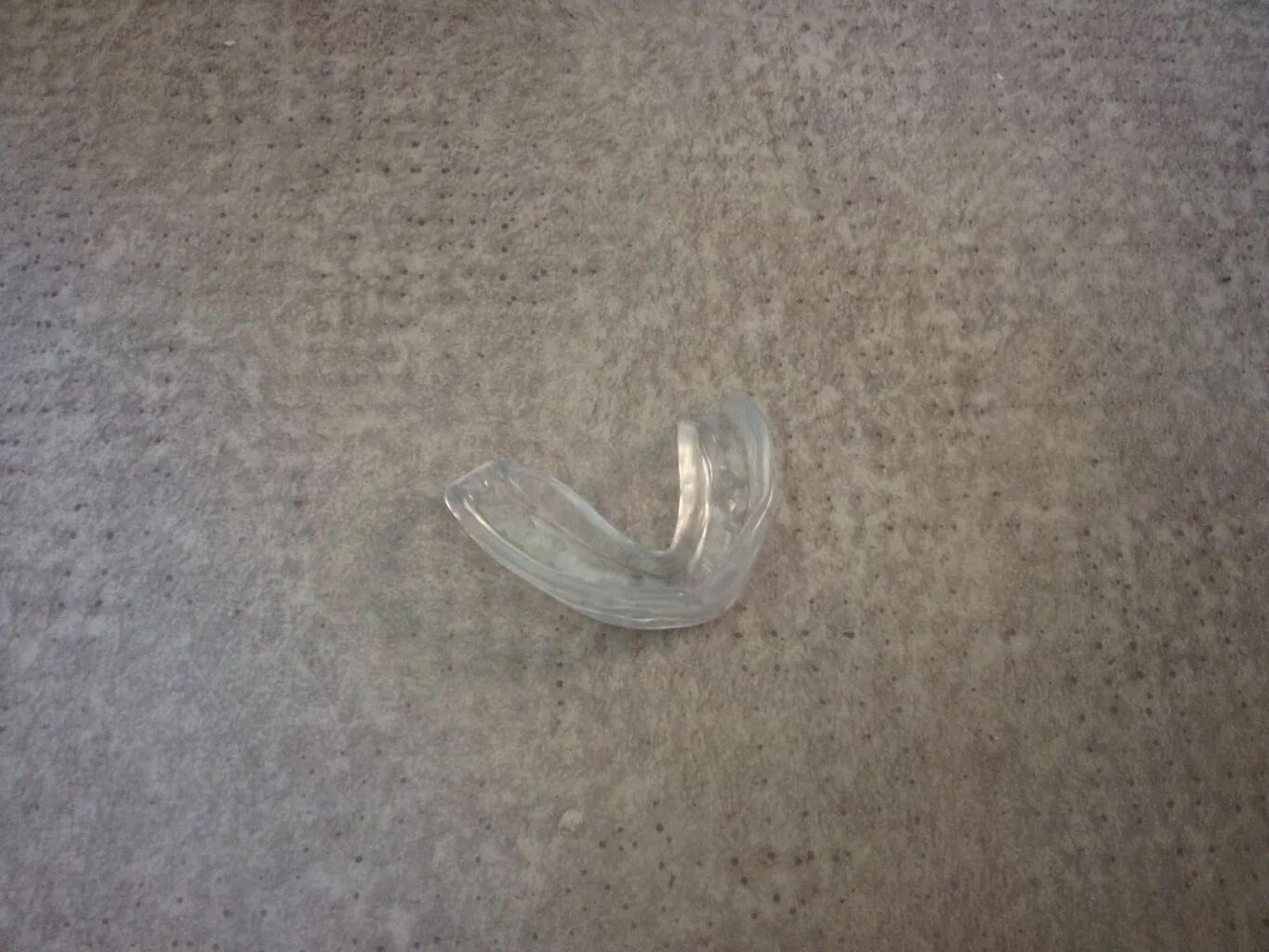
There are two ways. The first is a thin wire bonded to the inner surface of the teeth, which we call a fixed retainer. The second is a clear retainer worn at night. For most patients we recommend both together. A night retainer may need to be worn for years, and we say so from the start so that nobody is surprised later.
Why does the cost of clear aligners differ from person to person?
No figures here. The regulation on the promotion of health services does not allow price advertising, and it genuinely varies from person to person anyway. How many trays are needed, whether buttons or polishing are required, whether gum treatment or fillings are needed first, which retention method is used, all of these change the plan.
Also ask one thing. Does the quote include check-ups, extra trays and retention? If these items are not weighed separately, any comparison will be misleading. After the consultation we give you a written plan itemised line by line. We explained a similar logic for implants in our article on why prices differ, and the same applies in orthodontics.
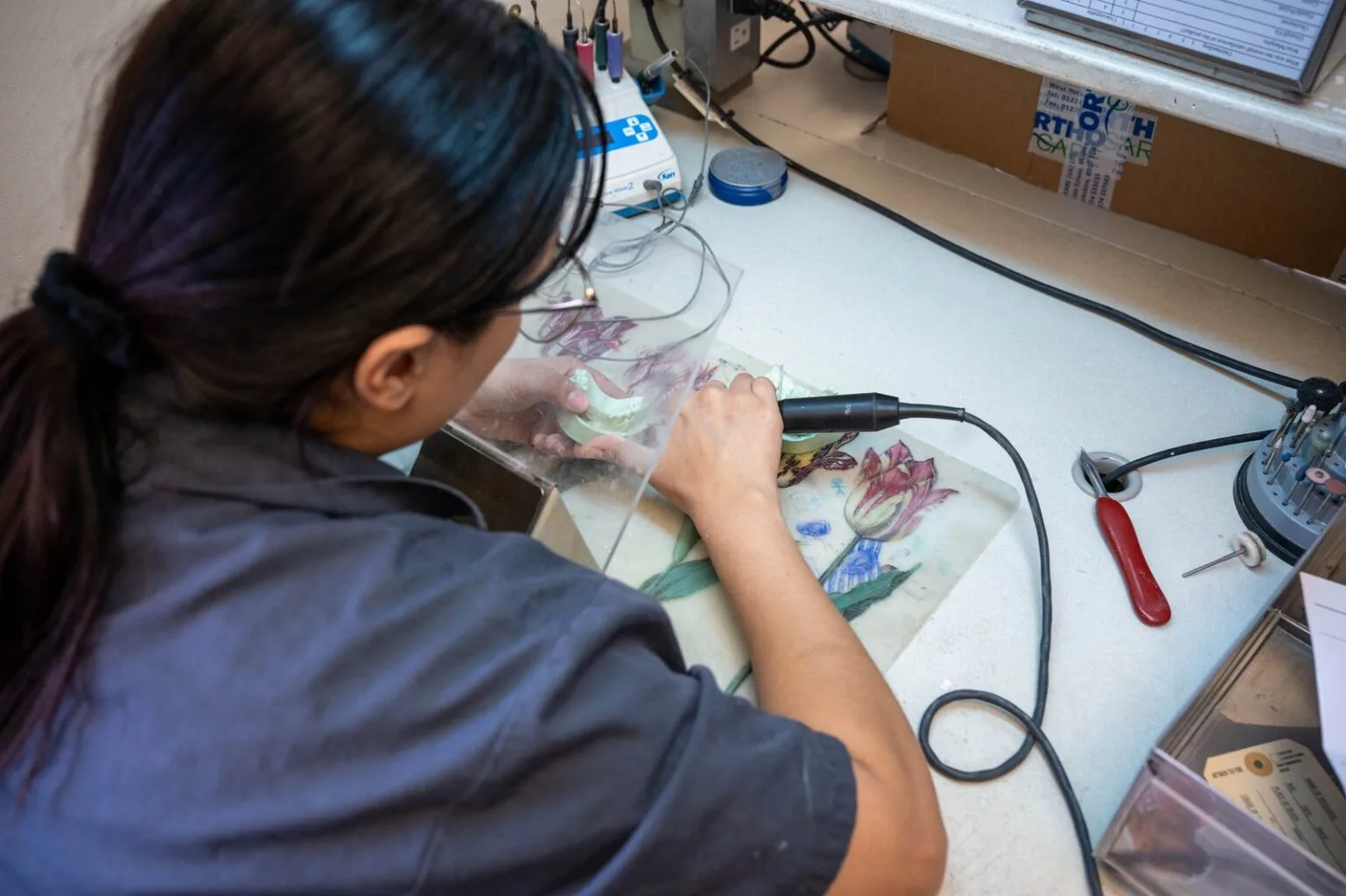
If you live near one of our clinics, you can have the first consultation there. For the European side, our Beyoglu dental clinic guide explains how to reach us. All of our treatment options are on the clear aligners and orthodontics page.
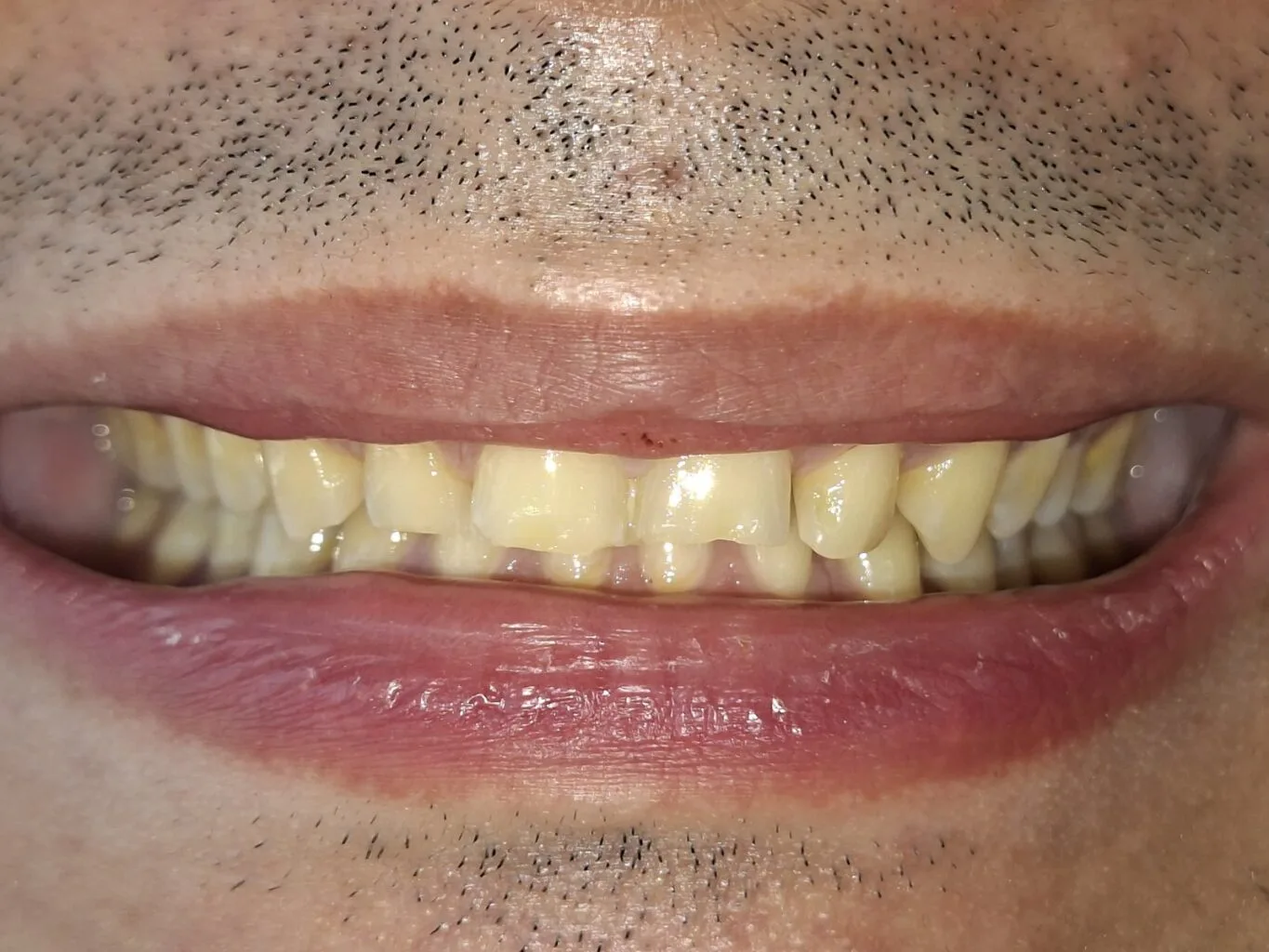
Frequently asked questions
Do clear aligners or braces give faster results?
For mild and moderate crowding the times are often close. In complex cases braces can be more predictable. With aligners, what really decides the timeline is whether they are worn 20-22 hours a day.
How many hours a day should clear aligners be worn?
They should be worn 20-22 hours a day. They come out only for eating and brushing the teeth. Drinking only water while wearing them is recommended.
How long does clear aligner treatment take?
A few months for mild crowding in the front teeth, and it can exceed a year in cases that include the bite. The exact time becomes clear after the examination and digital planning. Wearing the aligners too little lengthens it.
Do clear aligners hurt?
For the first day or two after switching to a new tray, you feel pressure on the teeth. This usually passes by itself. Putting the new tray in just before bed makes the first days easier.
Does speech change while wearing aligners?
For the first few days there may be a slight lisp, especially on "s" and "sh" sounds. The tongue usually gets used to the aligner within a week. People who give presentations or talk on the phone adapt quickly.
Can adults have braces or clear aligners?
Yes, as long as teeth and bone are healthy there is no age limit for tooth movement. If there is gum disease, it is treated first. Most adult patients prefer clear aligners.
Are mail-order clear aligners safe?
Moving teeth without an examination and X-ray risks missing root and gum problems. With no dentist checking you along the way, problems are noticed late. Always have an examination before starting aligner treatment.
Do teeth drift back after treatment ends?
They can if no retention is used. That is why a thin fixed wire is bonded to the inner surface of the teeth at the end of treatment, or a night retainer is provided. The night retainer may need to be used for a long time.
What can you not eat with braces?
Hard nuts, boiled sweets, sticky confectionery and chewing gum can pull brackets off. Apples and corn are safer eaten in small pieces. A loose bracket can be protected with wax until your appointment.
At what age should I take my child for a first orthodontic check?
A first assessment around seven years old is recommended. Treatment usually does not start at this age, and jaw growth is simply monitored. Some problems are easier to guide during the growth period.
My engaged patient finally looked at her X-ray and gave up on the online aligners. One of her lower teeth had a small infection at the root tip, and we treated that first. On the day she collected her aligners her phone was in her hand again. This time it was not an ad but the draft of her engagement invitation on screen. "It will not be finished by the photo, will it, doctor?" It will not, I told her, but you will not need to cover your mouth in the photo either.
Send us a photo of your teeth or your panoramic X-ray if you have one, and let us talk through clear aligners vs braces together with our dentist. Contact page