About the Treatment
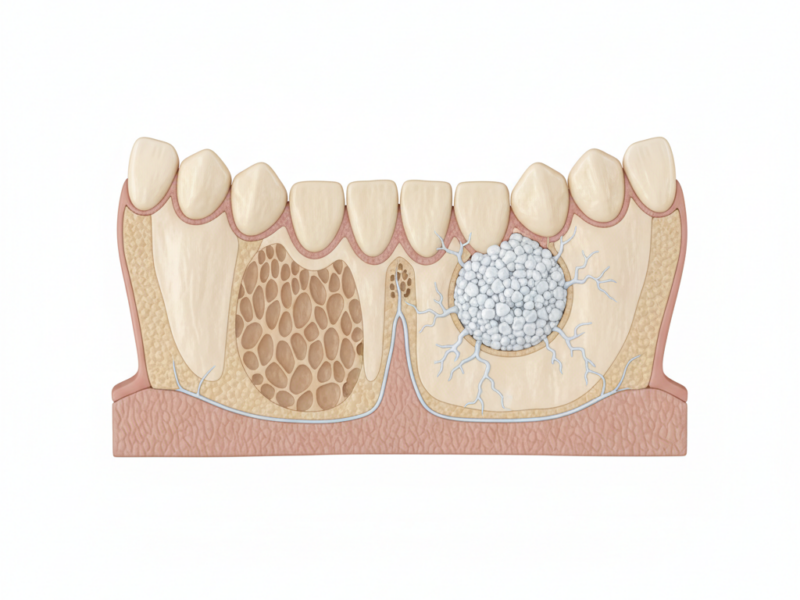
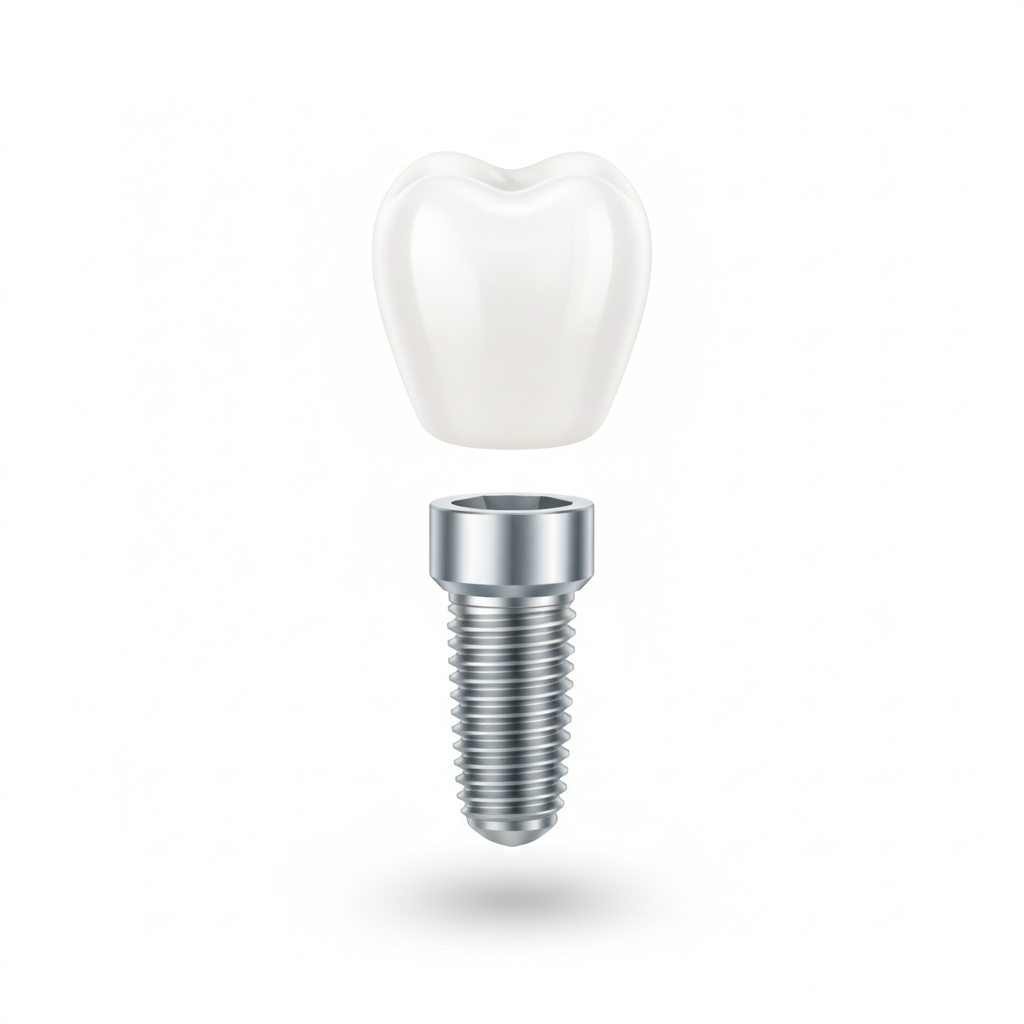
A dental implant is an artificial tooth root made from biocompatible titanium- or zirconia-based materials. Placed in the jawbone, the implant fuses with the bone through a process called osseointegration and forms the foundation for a prosthesis.
In the All-on-4 approach, a fixed full-arch prosthesis is placed on four implants; in All-on-6, on six. Which approach is suitable is determined by bone volume and general health.
The treatment process begins with a clinical examination, tomography and personalised planning.
Features
- Aims for a result close to the look and function of natural teeth
- Does not require grinding down neighbouring teeth
- Helps slow down bone loss
- Long-term success depends on oral hygiene, smoking and general health
Treatment Process
1. Examination and Planning
Oral analysis with tomography and a personalised treatment plan.
2. Implant Placement
The implant is placed in the jawbone under local anaesthesia.
3. Healing Period
Usually a 2–4 month osseointegration (bone fusion) period.
4. Restoration and Delivery
The treatment is completed by fitting a zirconia or porcelain crown/prosthesis.
The results of any surgical or interventional procedure may vary from person to person. It is recommended that you obtain detailed advice from your physician before the procedure. The information on this page is for general informational purposes; the treatment suitable for you is determined after an examination.