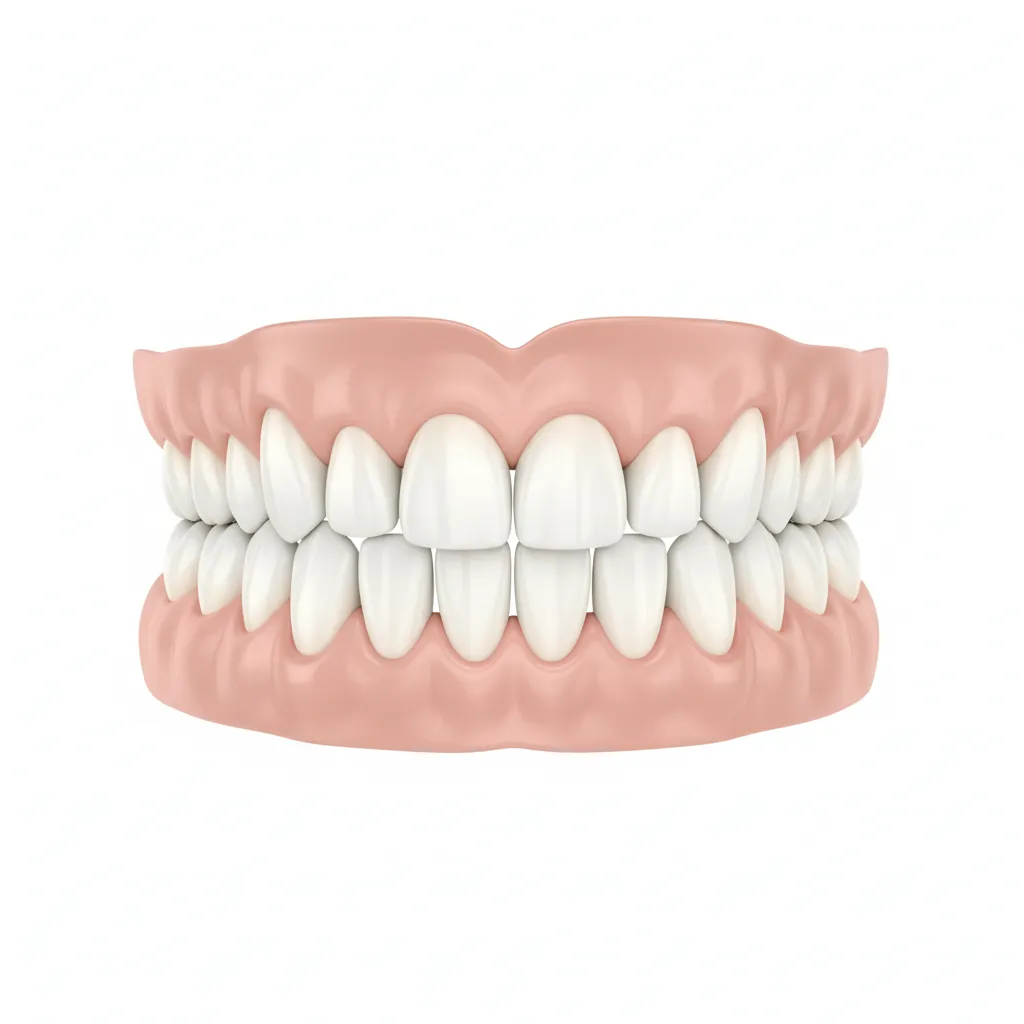
Smile design, often called a Hollywood smile, is a cosmetic dentistry approach in which the colour, shape, length and alignment of your teeth are planned together with your face, lips and gums. It is not a single procedure: whitening, orthodontics, porcelain veneers, crowns or gum reshaping are combined according to what you need. The aim is a smile that suits your face and keeps your teeth working properly for chewing; what can be achieved depends on your mouth.
What is a Hollywood smile?
"Hollywood smile" is a popular name for cosmetic work on the teeth that show when you smile, planned as one design. It is not a treatment technique in its own right. In most plans the 6-10 upper teeth that show when you smile are treated, and the lower teeth are added if needed. Very white, identical teeth do not suit every face. That is why shade, tooth length and the shape of the biting edges are chosen by looking at your age, skin tone, lip shape and your own expectations together.
Which methods are used in smile design?
The method depends on whether the problem is colour, shape, alignment or gum level. In many cases more than one method is combined.
| Method | What it is used for | Effect on tooth structure |
|---|---|---|
| Teeth whitening | Lightening the shade | No tooth reduction, temporary sensitivity possible |
| Clear aligners or braces | Crowding and gaps | No tooth reduction, takes months |
| Composite bonding | Small changes of shape and small gaps | Very little or no reduction |
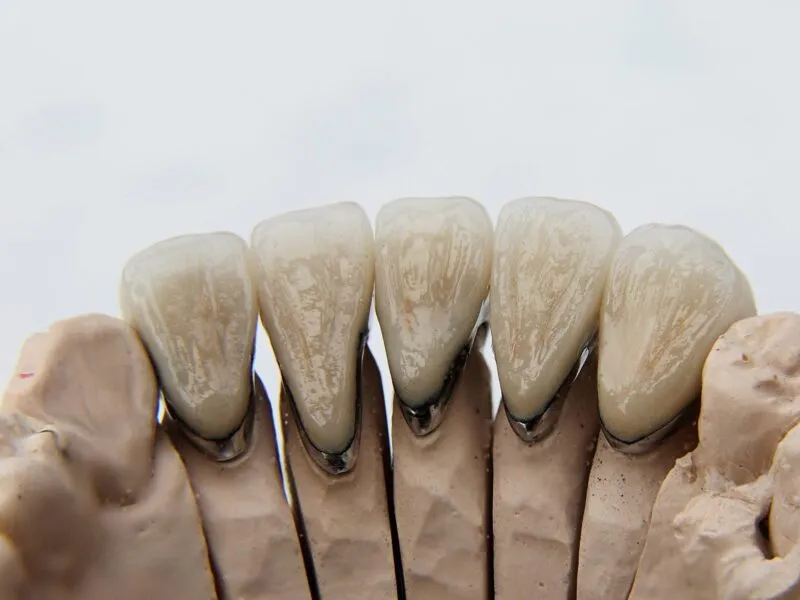
| Porcelain veneers | Colour and shape together | Usually 0.3-0.7 mm from the front surface |
| Zirconia or glass-ceramic crowns | Teeth with large fillings, fractures or root canal treatment | Reduction of all tooth surfaces |
| Gum reshaping | Uneven gum levels | Needs a small surgical procedure |
You can read more on the porcelain veneers and zirconia crowns pages.
Who is smile design suitable for, and who is it not?
Smile design suits people whose front teeth have problems of colour, shape, spacing or chipping, or old and discoloured fillings and crowns, and whose teeth and gums are already healthy. If you have active decay, gum disease or uncontrolled teeth grinding, these are treated first. When teeth are noticeably crowded, aligning them with orthodontics first can later reduce how much tooth has to be removed. Smile design should not be used to cover up a health problem; it should add cosmetic improvements on a healthy base. Expectations need to be realistic too: gum level, jaw structure and lip movement can limit the result, and these limits are discussed openly at the examination.
Do your teeth get filed down for a smile makeover?
Not in every case. The amount removed ranges from none at all to 1-2 mm, depending on the method. Whitening, orthodontics and most composite work do not cut the teeth. With porcelain veneers a thin layer is removed from the front surface, and with a full crown all surfaces of the tooth are reduced. Tooth tissue that has been removed does not grow back, so if the same cosmetic goal can be reached with less intervention, that route is preferred. Our detailed article on this: Are teeth cut for a Hollywood smile?
How is smile design planned and how many appointments does it take?
A smile design with veneers or crowns is usually completed in 2-4 appointments, about 1-2 weeks including the laboratory work. If orthodontics is added to the plan, the time is measured in months.
- Analysis: Photos of your face and smile, short videos and a digital scan are taken. The facial midline, lip line, amount of gum shown when smiling and your bite are assessed.
- Digital design and trial: The planned tooth shapes are prepared on a computer and placed over your teeth in a temporary material (a mock-up). You see how it looks while speaking and smiling, and changes can be made.
- Preliminary treatment: Any necessary fillings, root canal work, gum treatment or whitening are completed.
- Preparation and temporaries: The teeth are prepared as planned, impressions or scans are taken and temporary restorations are made following the approved design.
- Try-in and bonding: The final restorations are tried in, and once colour and fit are checked they are bonded and the bite is adjusted.
What should international patients know about visits and planning?
If your plan includes veneers or crowns, it usually takes 2-4 sessions over about 1-2 weeks in Istanbul, so many patients arrange it as one stay. If orthodontics or gum treatment is involved, the plan is split into stages and may need more than one trip. Before you travel you can send photos of your smile and any existing panoramic X-ray or CT scan by WhatsApp for a preliminary assessment. The final plan is only made after the in-person examination. After you return home, routine check-ups can be done by your local dentist, and we stay in touch with you remotely about how things are going.
What are the risks and disadvantages?
The main disadvantage of smile design involving veneers and crowns is that tooth reduction cannot be reversed. Other points to know:
- Sensitivity: Temporary sensitivity can occur after preparation and with whitening.
- Chipping and debonding: Grinding and biting on hard objects can chip porcelain restorations.
- Colour match: Ceramic restorations do not lighten with whitening, so a colour difference can develop over time with teeth that were not restored.
- Gum reaction: Gum irritation at the edges of restorations, or recession over the years, can occur.
- Expectation gap: A digital design is a planning tool; the result in your mouth may not match the screen exactly.
- Replacement: Restorations can wear or change colour over time and may need to be renewed later.
How long do the results last and how should you look after them?
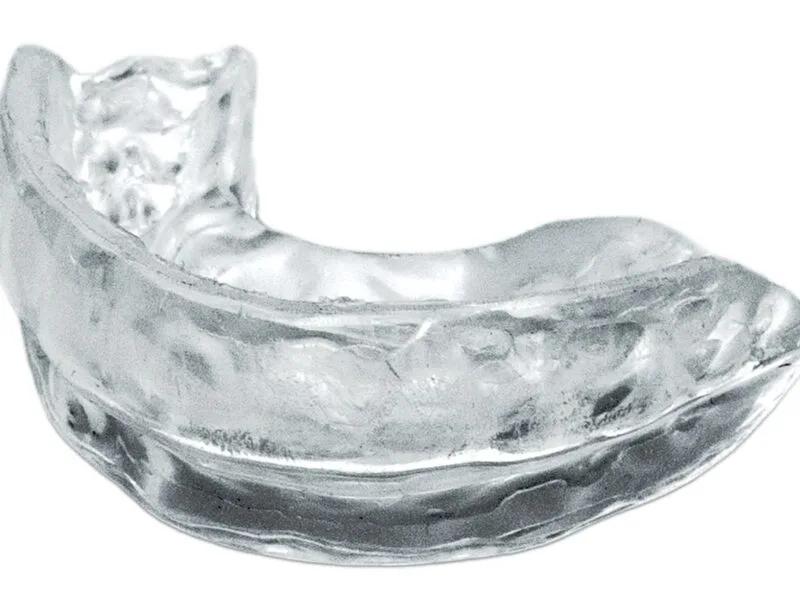
How long restorations last depends on the material, your bite and how well you look after them. Well-maintained restorations that are checked regularly can serve for many years, but giving an exact figure would not be honest. Brushing twice a day, cleaning between the teeth daily and having a check-up and scale and polish twice a year are the basics. If you grind your teeth, a night guard protects the restorations. Avoid habits such as opening bottles with your front teeth, tearing thread or cracking seeds.
Smile design consultation in Haliç and Pendik
Smile design starts with an examination, photo analysis and a digital scan at our Haliç (Hasköy, Beyoğlu) and Pendik clinics. At the first visit your expectations are heard, the condition of your teeth and gums is assessed, and we explain clearly which methods would be used and how much intervention each needs. For clinic details see the Pendik clinic page.
Sources
- ADA MouthHealthy: Veneers
- NHS: Teeth whitening
- American Dental Association: Materials for Indirect Restorations
The results of any surgical or interventional procedure may vary from person to person. It is recommended that you obtain detailed advice from your physician before the procedure. The information on this page is for general informational purposes; the treatment suitable for you is determined after an examination.