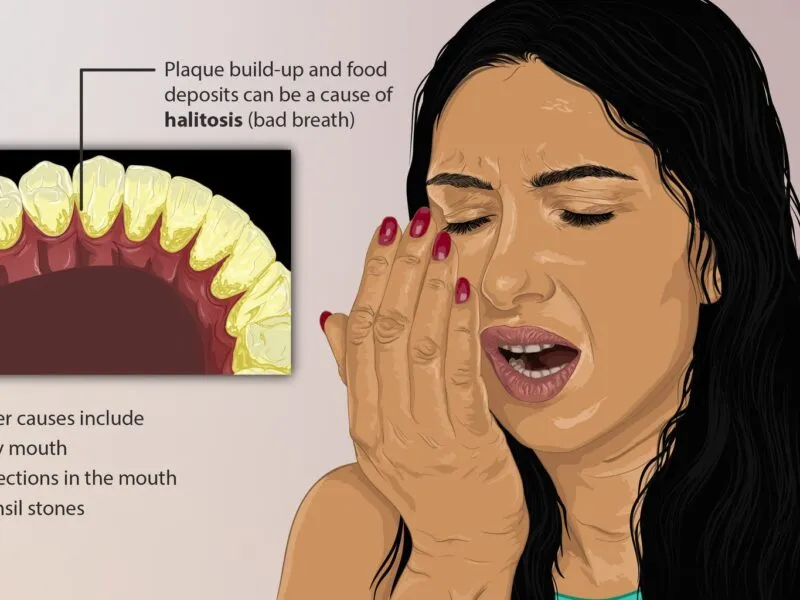
Teeth scaling and polishing (a scale and polish, or dental cleaning) is the removal of hardened plaque (tartar, also called calculus) from the tooth surfaces and gum line with special instruments, followed by polishing of the teeth. These deposits cannot be removed by brushing at home and are a common cause of gum inflammation and bad breath. The procedure is usually completed in a single appointment of 30-45 minutes.
What is tartar and why does it form?
Tartar is a hardened layer that forms when bacterial plaque on the teeth is calcified by minerals in saliva. Plaque can begin to harden within a few days, and once hardened it cannot be removed with a toothbrush or floss. It is seen most often on the inner surface of the lower front teeth and on the cheek side of the upper molars, because the ducts of the salivary glands open near these areas.
The surface of tartar is rough, which makes it easier for new plaque to stick. While it stays at the gum line, it prepares the ground for gum inflammation, bleeding and, in time, bone loss. How fast tartar forms varies from person to person; the make-up of saliva, diet, smoking and brushing habits all affect it.
How is a scale and polish done?
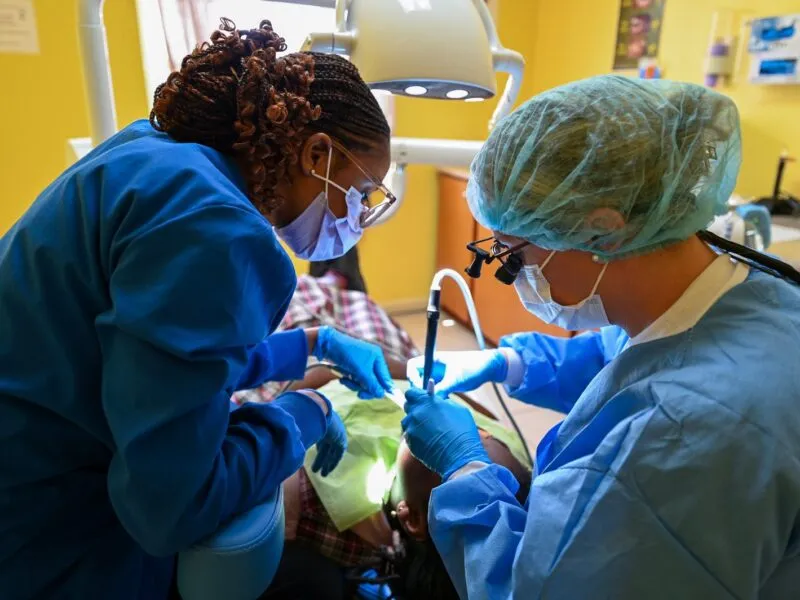
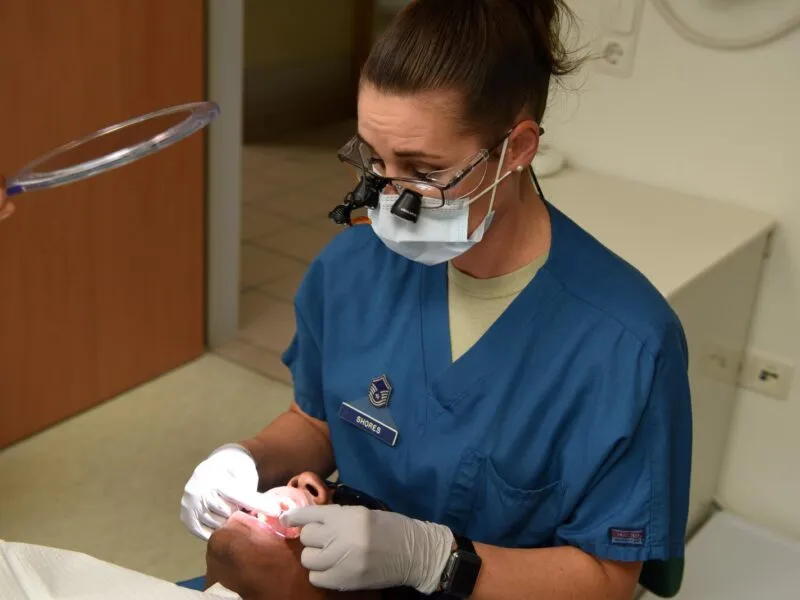
Tartar is broken up and removed with an ultrasonic instrument using vibration and water, then checked with hand instruments. The steps are:
- Check: Teeth and gums are examined; findings such as bleeding, pocket depth and decay are noted.
- Ultrasonic cleaning: Tartar above the gum line and just below it is cleaned off.
- Stain removal: Surface stains left by tea, coffee and smoking are removed, if needed, with a jet of air, water and fine powder.
- Polishing: The tooth surfaces are polished, which makes it harder for plaque to attach again.
- Fluoride and instruction: If considered necessary, fluoride is applied, and you are shown brushing and interdental cleaning suited to you.
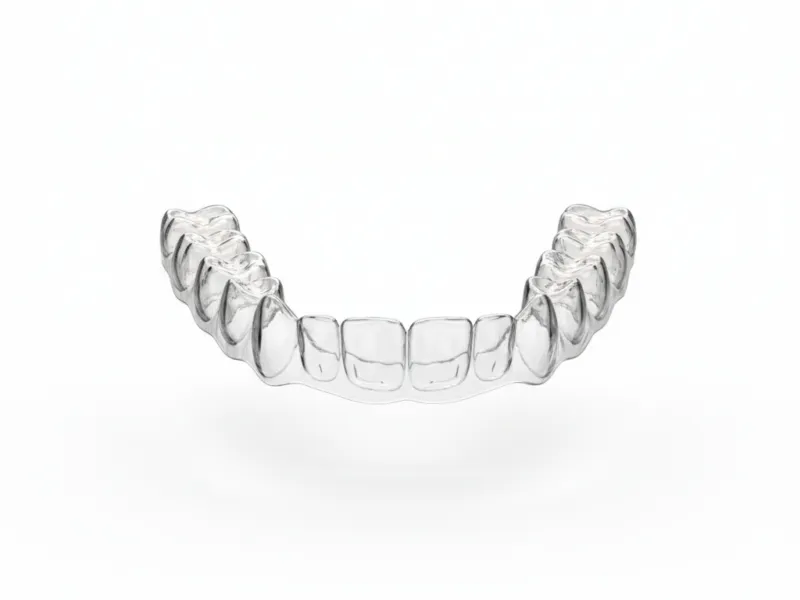
For people with implants, bridges or braces, the cleaning is done with tips suited to these structures and a more careful technique. Plaque building up around an implant can cause inflammation in a similar way to natural teeth, so regular cleaning matters especially for these patients. In some general health conditions, such as a heart valve problem, extra precautions may be needed before the procedure, which is why your health history is asked about at the examination.
Does teeth scaling damage the teeth?
Scaling done with the correct technique does not harm tooth enamel; ultrasonic instruments break up the tartar and do not wear away sound enamel. The feeling after cleaning that "my teeth got thinner" or "gaps opened between my teeth" comes from the spaces that tartar had been filling becoming visible. These areas were there before and were only covered by tartar. As the gum inflammation settles, this feeling usually fades. The real harm comes from leaving tartar in place: the gums recede and the bone that supports the tooth can be lost over time.
What do you feel during and after a dental cleaning?
Most people feel no marked discomfort during cleaning apart from vibration and the water spray. If the gums are inflamed or root surfaces are exposed, there may be sensitivity; in that case a numbing gel on the surface or local anaesthesia can be used. For 1-2 days after cleaning there may be slight gum bleeding and sensitivity to cold. Carrying on brushing with a soft toothbrush during this period supports healing.
How often should you have your teeth scaled and polished?
For many people a check-up every 6 months and a cleaning if needed is enough, but the right interval varies from person to person. In people who form tartar quickly, smokers, people with diabetes, people having orthodontic treatment or people who have had gum disease before, cleaning every 3-4 months may be recommended. The interval is set with your dentist according to the examination findings.
Some situations should not wait for the next check-up: bleeding every time you brush, a hard deposit you can feel on the inner surface of the teeth, persistent bad breath or swelling of the gum. These findings can show that gum inflammation has begun, and it is simpler to act early.
What is the difference between a scale and polish and gum treatment?
A scale and polish targets deposits above the gum line and at its edge, while gum treatment (deep cleaning) covers cleaning the root surface in the deep pockets under the gum. If the pockets are found to be deep at the examination, a cleaning alone is not enough and gum treatment is planned. This distinction is especially important for people whose gums have been bleeding for a long time.
How do you keep your mouth clean at home?
The effect of a professional cleaning is kept up by daily care at home. The basics:
- Brush twice a day for about two minutes with fluoride toothpaste, holding the brush at 45 degrees to the gum line.
- Clean between the teeth once a day with floss or an interdental brush; you can ask at the examination which size is suitable.
- Clean the surface of your tongue with a brush or tongue cleaner.
- Change your toothbrush every 3 months or when the bristles splay.
- Limit sugary and acidic drinks to mealtimes instead of sipping them through the day.
Persistent bad breath is also often related to plaque and tartar; we cover the other causes in our bad breath article. If you would like lighter teeth after cleaning, teeth whitening is considered as a separate procedure.
Booking a teeth cleaning in Haliç and Pendik
At the Haliç and Pendik clinics of Panorama Oral and Dental Health, a scale and polish is planned together with a short examination of the mouth beforehand. At the examination, decay, filling edges and gum condition are also checked, and if any additional treatment is needed it is explained to you separately. For Pendik clinic details see the Pendik clinic page.
Sources
The results of any surgical or interventional procedure may vary from person to person. It is recommended that you obtain detailed advice from your physician before the procedure. The information on this page is for general informational purposes; the treatment suitable for you is determined after an examination.