Dentures, both removable and fixed, are artificial teeth made to restore chewing, speech and appearance in place of missing teeth. Fixed prostheses are cemented or screwed onto teeth or implants, while removable dentures are put in and taken out by the patient. Which type is suitable depends on the condition of the remaining teeth, the structure of the bone and your expectations, and is decided at the examination.
What are dentures, and what types are there?
A dental prosthesis is a set of artificial teeth, made to fit your mouth, that replaces lost teeth and, where needed, the gum and bone volume around them. There are two main groups:
- Fixed prostheses: Crowns (caps), tooth-supported bridges and fixed prostheses on implants. You cannot take them out yourself.
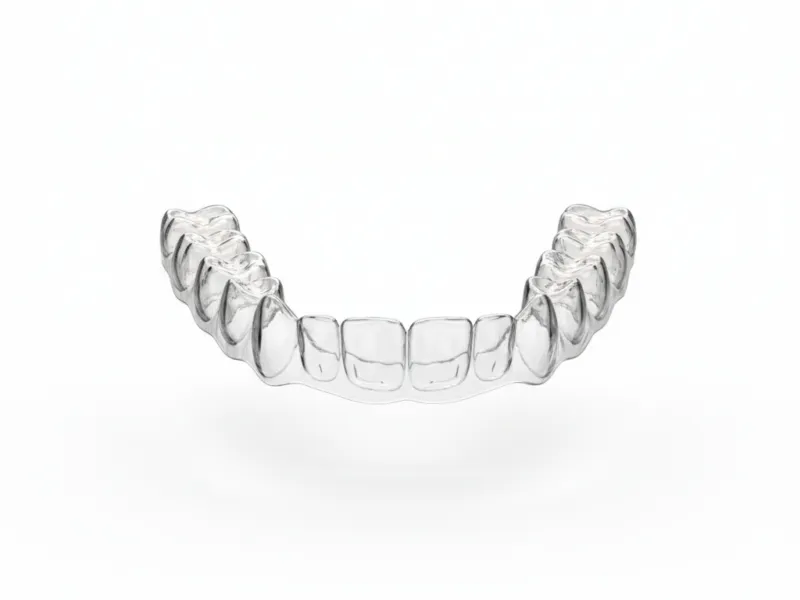
- Removable dentures: Complete dentures, partial dentures, precision-attachment dentures and implant-supported removable dentures. You take them out for cleaning.
What is a fixed denture or bridge?
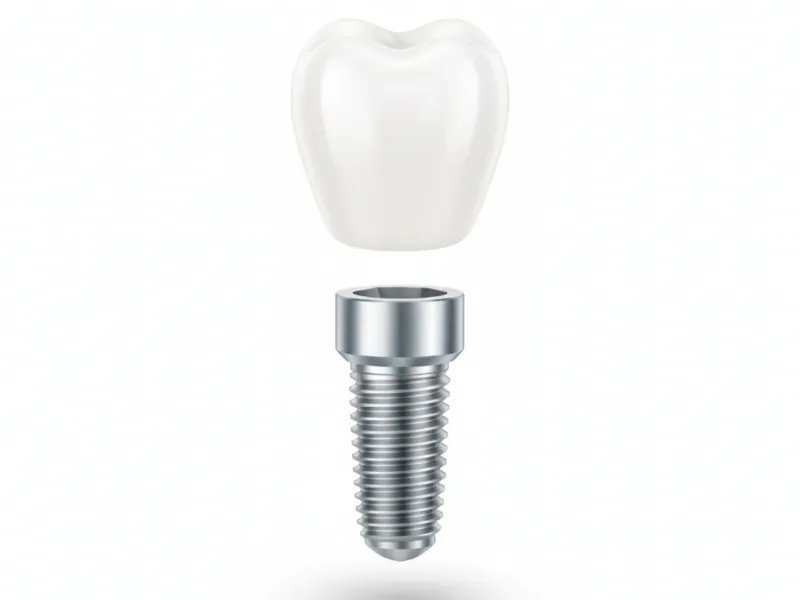
A fixed prosthesis stays in your mouth all the time and can only be removed by a dentist. The most common type is the bridge: the teeth on either side of the gap are reduced and crowned, and the missing tooth in between is attached to them. A bridge is completed quickly, but it needs the support teeth to be filed down. If you want to close a gap without touching the neighbouring teeth, a dental implant with a crown or bridge on top is an option.
Fixed prostheses are usually made from porcelain on a zirconia framework, full zirconia, or porcelain fused to metal. The choice of material depends on the position of the tooth, the biting force and the look you expect; see our zirconia crowns page for details.
What is a removable denture?
A removable denture is one that you can put in and take out yourself, and that takes support from the gum and the remaining teeth.
- Complete denture: Used when no teeth are left in the jaw. An upper denture stays in place by gripping the palate, while a lower denture rests on the gum; the grip of a lower denture is usually weaker.
- Partial denture: It fills the gaps while some teeth are still present. The common type has a metal framework and clasps that hold on to the teeth.
- Precision-attachment denture: Instead of clasps, it is held by small connectors placed inside crowned teeth, so there are no visible clasps.
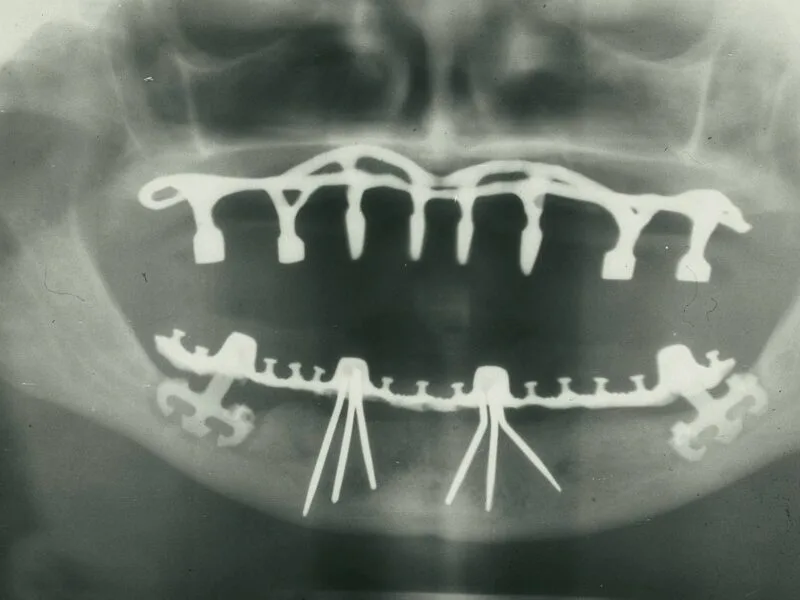
- Implant-supported removable denture: It clips onto two or four implants by a stud or bar system. It is chosen especially to reduce the movement of a complete denture in the lower jaw.
Which type of denture is chosen in which situation?
The main factors are the number of missing teeth, the health of the remaining teeth, the amount of bone, and whether you want a fixed or a removable denture.
| Situation | Options often considered |
|---|---|
| One tooth missing, neighbouring teeth healthy | Implant crown or bridge |
| One tooth missing, neighbouring teeth already filled or crowned | Bridge or implant |
| Several teeth missing at the back, no support tooth behind | Partial denture or fixed denture on implants |
| No teeth in the jaw | Complete denture, implant-supported removable denture, or fixed denture on four or six implants |
Whether an implant or a bridge is more suitable is a common question; we compare the two options in our article on implant or bridge.
How are dentures made, step by step?
- Examination and X-ray: The remaining teeth, gums and bone are assessed. If needed, decay, root canal or gum treatment is done first.
- Preparing the teeth: For a fixed denture, the support teeth are reduced and a temporary tooth is fitted. For a partial denture, small seats may be prepared for the clasps.
- Impression or digital scan: An impression of the jaws and a record of the bite are taken.
- Try-ins: The framework, the tooth arrangement and the shade are tried in the mouth; you see the appearance at this stage.
- Delivery and adjustment: The denture is fitted, and any sore or high spots are corrected at later check-ups.
Fixed prostheses are usually completed in several sessions. For removable dentures, there may be more try-ins. The time varies with the pre-treatment needed and is made clear at the examination.
Do I need to travel more than once for dentures?
For fixed bridges and crowns, most international patients can complete the work in one stay of about 1-2 weeks, in several sessions with laboratory time in between. Removable dentures usually need more try-ins, so a second visit may be advised. If implants are involved, plan two trips, because healing takes 2-6 months. Photos and an existing panoramic X-ray or CT scan can be sent by WhatsApp for a preliminary assessment before you travel, but the final plan is only made after the in-person examination. Check-ups after you return home can be done with a local dentist, with remote contact with our clinic in between.
How long does it take to get used to dentures, and how do I look after them?
Getting used to a fixed denture usually takes a few days; with a removable denture, you may notice extra saliva, changes in speech and some sore spots in the first weeks. In this period it helps to eat soft foods in small bites, and sore spots are corrected at a check-up.
- Underneath a fixed denture and under the body of a bridge is cleaned every day with floss, bridge floss or interdental brushes.
- A removable denture is taken out after every meal and cleaned under running water with a soft brush; soap or a denture cleaner is used instead of toothpaste.
- To let the gum rest, a removable denture is taken out at night and kept in water or in a dry container, as your dentist advises.
- A check-up is done at least once a year. Because bone shrinks over time, a removable denture may need to be relined or replaced.
What are the risks and possible problems with dentures?
Dentures do not need surgery, but some problems can develop, and they should be discussed at the examination:
- Decay and gum inflammation at the support tooth: It can develop if the edge of a bridge is not cleaned well. Teeth that have been filed down may need root canal treatment later.
- Sores and rubbing: Painful sores can form where a removable denture presses; do not keep wearing it without having it adjusted.
- Fungal infection under the denture (denture stomatitis): It can occur if the denture is left in at night and cleaning is poor.
- Bone loss: Removable dentures do not stop the bone from shrinking over time, so the fit changes.
- Fracture or chipping of porcelain: Clenching and hard foods increase this risk.
Smoking, diabetes and poor oral hygiene speed up gum problems and harm the fit of the denture.
Where can I be examined in Istanbul?
Which denture is suitable is discussed, with the pros and cons of each option, after the remaining teeth and bone have been assessed. You can come to our Haliç (Hasköy, Beyoğlu) clinic or our Pendik clinic for an examination.
Sources
The results of any surgical or interventional procedure may vary from person to person. It is recommended that you obtain detailed advice from your physician before the procedure. The information on this page is for general informational purposes; the treatment suitable for you is determined after an examination.