Gum recession is the gradual retreat of the gum that surrounds a tooth, leaving part of the root exposed. The teeth begin to look "longer", cold drinks and sweets start to sting, and a darker line appears where the tooth meets the gum. The question we hear most often is: does receded gum grow back? The short answer: not on its own, but its progress can be halted and, in suitable cases, the exposed root can be covered again surgically. In this article we have gathered the causes of recession, its early signs, what can be done at each stage and what to watch for at home, in the same plain language we use with our patients every day.
What Is Gum Recession?
Healthy gum hugs the tooth tightly up to the point where the enamel ends, and covers the bone beneath it. When the edge of the gum drops below this line, the root surface, which has no enamel to protect it, is exposed to the mouth. Unlike enamel, the root is made of softer tissue (cementum and dentine); it is sensitive to heat, cold and acidic foods, wears easily and is more prone to decay.
Recession usually begins on a single tooth, most often the canines and premolars. Because it progresses slowly, patients tend to notice it only years later, when the teeth look "longer" or the sensitivity starts to interfere with daily life. Yet when it is caught early, the measures needed are far simpler.
What Causes Gum Recession?
There is no single cause; in most patients several factors come together. Telling them apart during the examination matters, because the treatment depends on the cause.
1. Gum disease (periodontitis)
The most common cause. Plaque and tartar building up along the gum line first lead to bleeding gums; as the inflammation deepens, the fibres and bone that hold the tooth break down. As the bone is lost, the gum above it follows and retreats. This type of recession usually affects several teeth and comes with bleeding gums and bad breath.
2. Hard, incorrect brushing
The idea that "pressing harder cleans better" damages the gums. A hard-bristled brush, a horizontal sawing motion and excessive pressure wear the gum away mechanically, especially on the outer surface of the canines. In these patients the gums usually look pink and healthy and there is no bleeding, but individual teeth show V-shaped recession and brushing wear on the root surface.
3. Thin gum tissue (thin biotype)
Some people are born with thin gums, and the bone covering the outer surface of the tooth is paper-thin. This type of tissue is less resistant to other factors; the same brushing habit that causes no trouble in a thick biotype can turn into recession in a thin one.
4. Clenching and grinding (bruxism)
In patients who clench at night, the excessive load on the teeth can contribute to micro-cracks at the neck of the tooth and to the gum margin pulling back. Jaw fatigue in the morning, flattened tooth surfaces and notch-shaped wear at the neck of the teeth are the typical findings in this group.
5. Other causes
- Orthodontic movement: Moving a tooth outside the bone that surrounds it can thin the gum. This is why orthodontic planning takes the gum tissue into account.
- Fillings and crowns with poorly fitting margins: Edges that overhang beneath the gum or are rough trap plaque and set the stage for inflammation.
- Smoking: It impairs the blood supply to the gums, masks inflammation and slows healing.
- Piercings and habits: A tongue or lip piercing, or habits such as biting on pens, create constant trauma in particular areas.
- Hormonal changes: During pregnancy and the menopause the gums become more sensitive to inflammation.
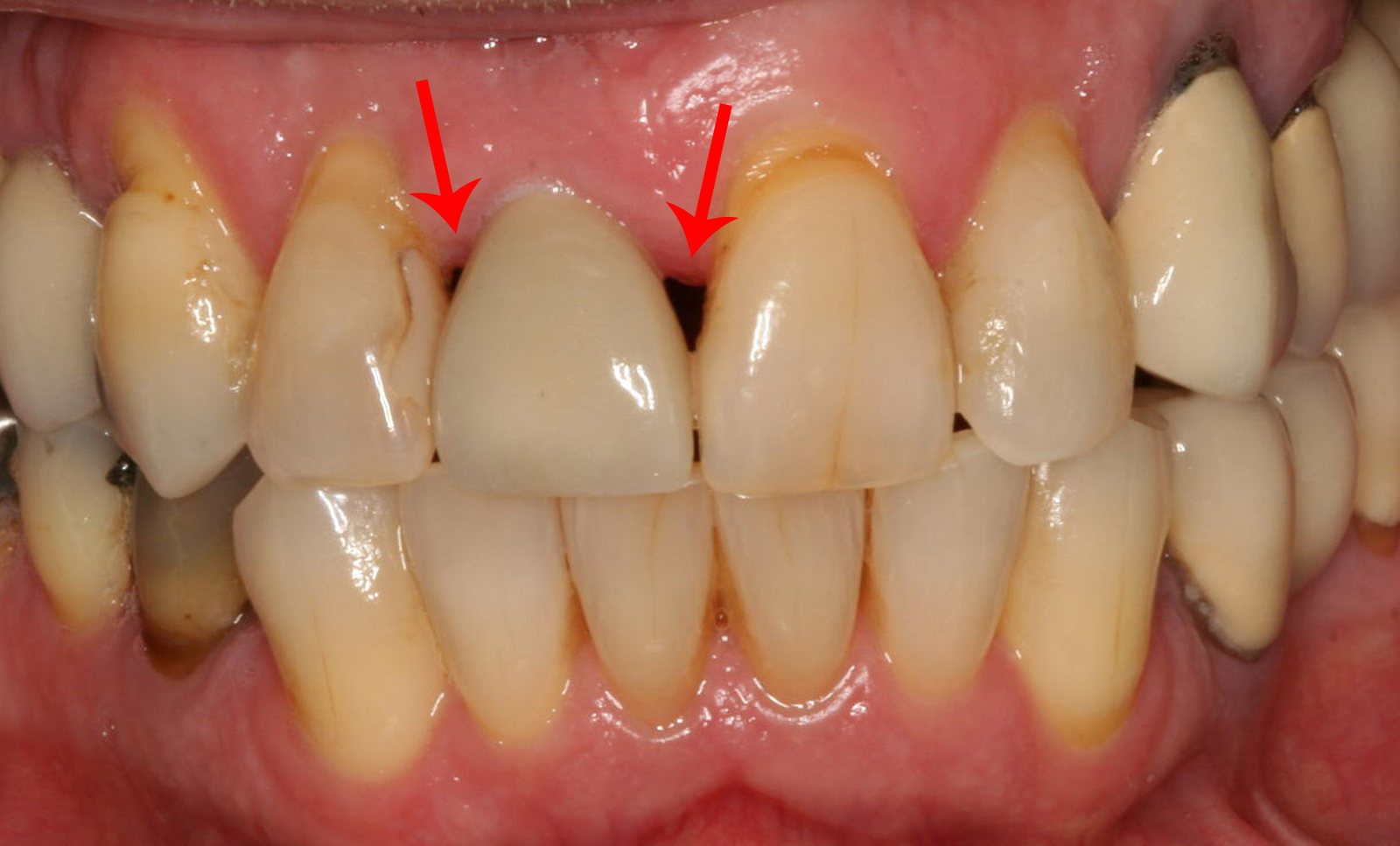
Symptoms of Gum Recession
Because recession progresses without pain, knowing the signs is the key to early diagnosis. Look for the following in the mirror:
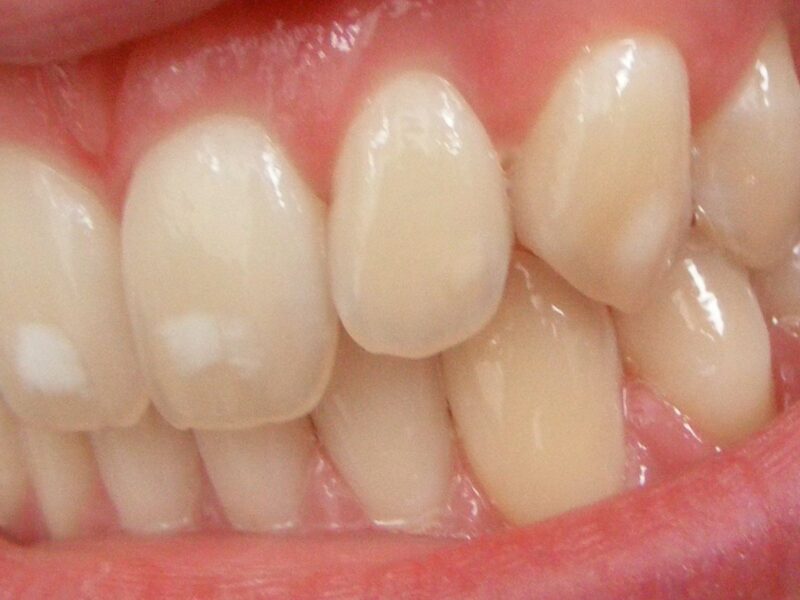
- Teeth that look longer than they used to, and black triangular gaps between them.
- A yellowish or darker band at the border between tooth and gum (the exposed root surface).
- A brief sharp twinge with cold, heat, sweets or brushing.
- A notch or step at the neck of the tooth that you can feel with a fingernail.
- Redness or swelling at the gum margin, or bleeding when brushing (in recession caused by inflammation).
- A slight feeling of looseness in a tooth (in the advanced stage, together with bone loss).
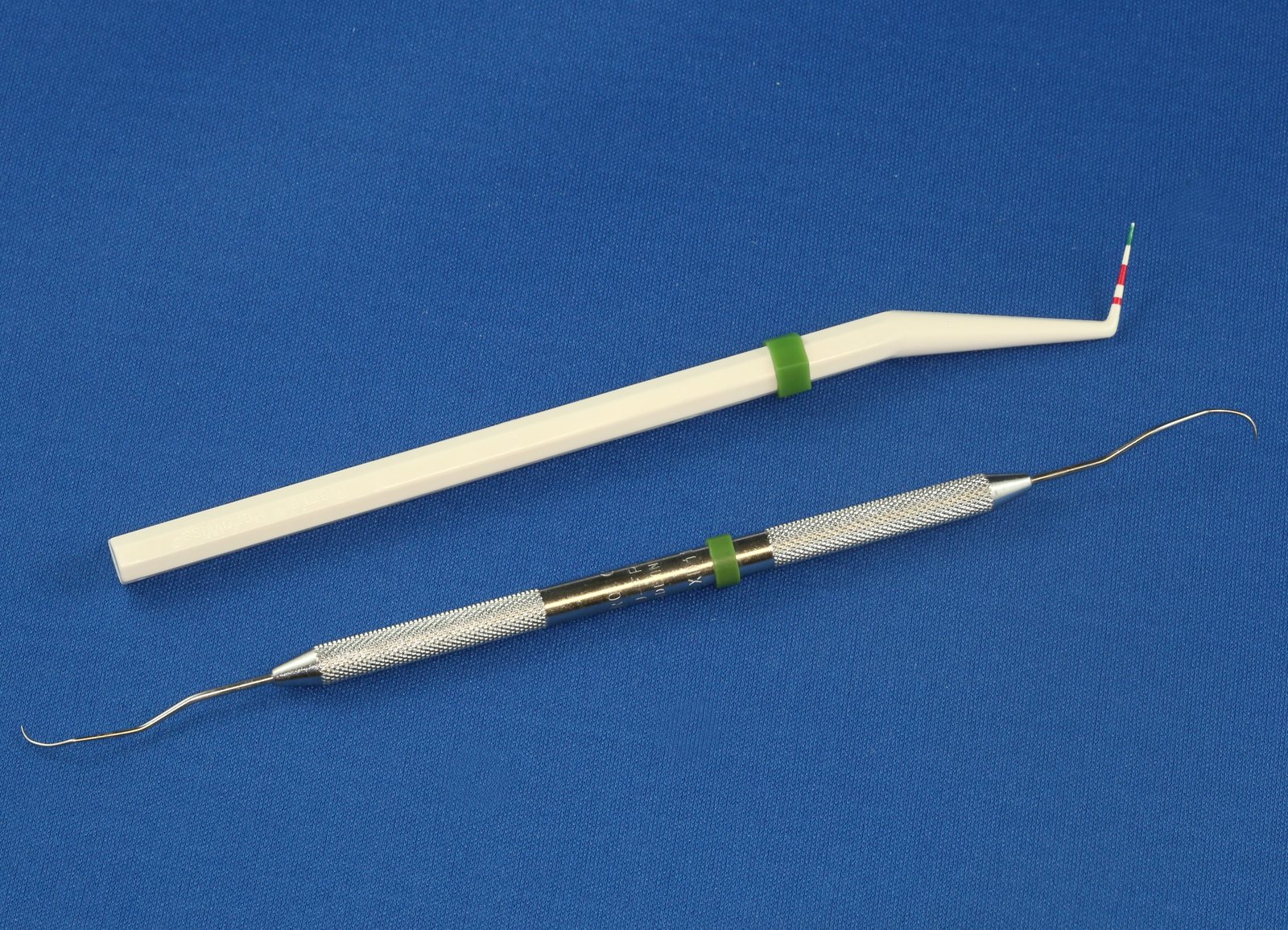
If you have even one of these signs, do not put off an examination. Your dentist uses a special measuring instrument (a periodontal probe) to measure the depth of the gum pocket and the amount of recession in millimetres, and checks the bone level with an X-ray if needed.
Does Receded Gum Grow Back?
Lost gum tissue does not grow back on its own; unlike skin, the gum is not a tissue that renews itself and returns to its former level. Home remedies suggested online, such as oil pulling, salt water or aloe vera, may ease inflammation a little, but they do not bring receded gum back. Two things, however, are certainly possible:
- Stopping the progression: Once the cause is removed (removing tartar, correcting the brushing technique, a night guard), the recession stays where it is in most patients.
- Covering the root again: In suitable cases, the exposed root is covered surgically with a thin piece of tissue taken from the patient's own palate or with a ready-made tissue graft. This is called a gum graft or root coverage.
How much of the root can be covered depends on the type of recession. If the gum between the teeth (the papilla) and the bone have been preserved, full coverage can be expected; if the bone between the teeth has also been lost, the aim is partial coverage and stopping further progression.
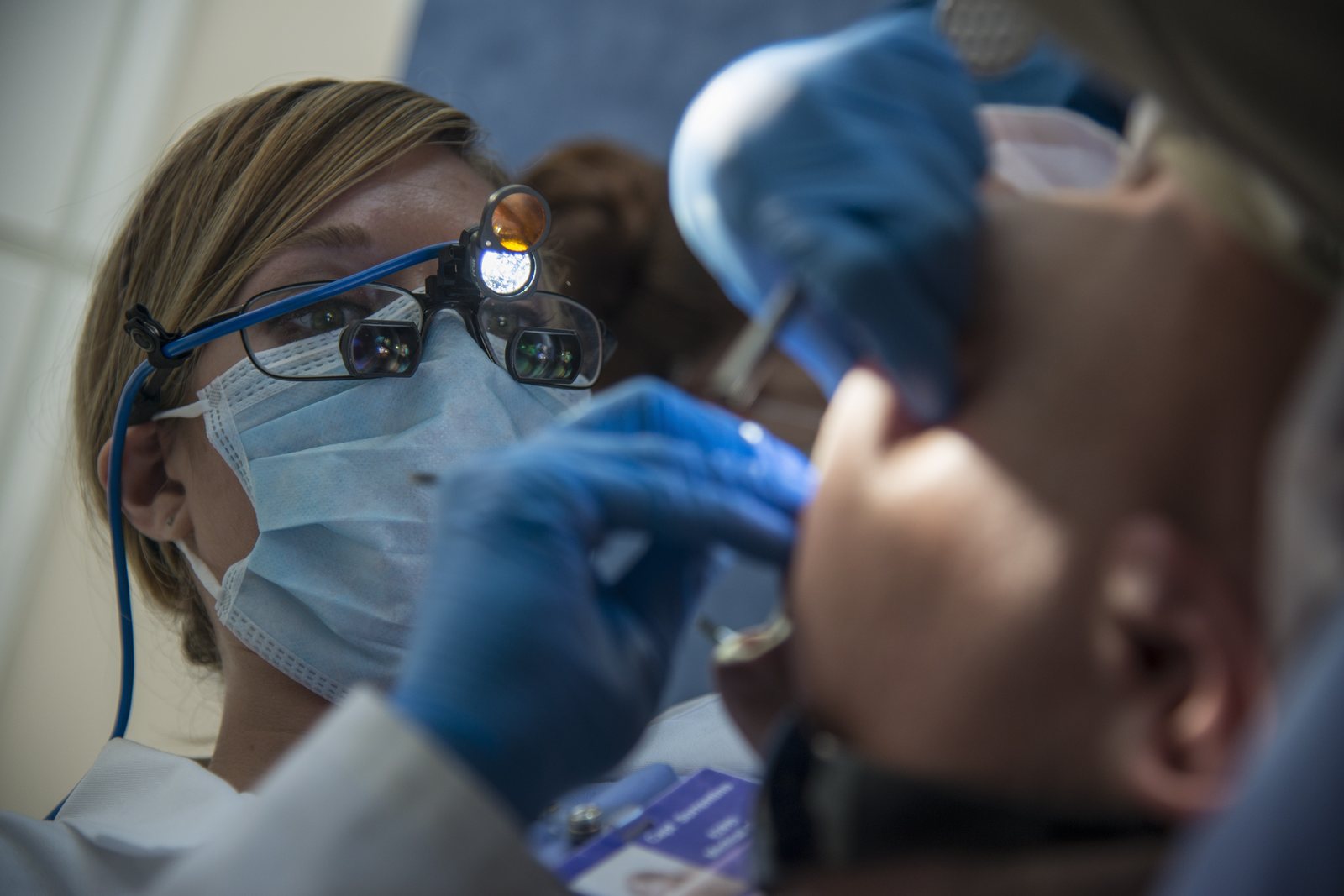
Gum Recession Treatment
Treatment has two steps: first the cause is brought under control, then, if necessary, the exposed root is covered surgically. A graft placed without correcting the cause will recede again over time, because the same factors are still at work.
Timing matters too. When the recession is 1 to 2 millimetres, the measures taken are usually enough; once it exceeds 3 millimetres and the root surface has started to wear, a graft comes up for discussion more often. So rather than waiting with the thought "it stings a bit, but I can live with it", being examined as soon as you notice the signs makes treatment both shorter and simpler.
Treating the cause
- Scaling and root planing: The first step in recession caused by inflammation. The tartar and bacterial layer beneath the gum are removed; in advanced cases this is done under local anaesthetic over several visits. See our scaling and tartar removal page for details.
- Brushing instruction: You are taught to use a soft-bristled brush at a 45-degree angle with small vibrating movements (the Bass technique). Those using an electric brush are advised to choose a model with a pressure sensor.
- Night guard: For patients who clench, a clear guard is made to spread the load on the teeth.
- Replacing ill-fitting fillings and crowns: Edges that irritate the gum are adjusted or the restoration is replaced.
- Stopping smoking: It both slows the progression and directly affects the outcome of surgery.
Gum graft (root coverage)
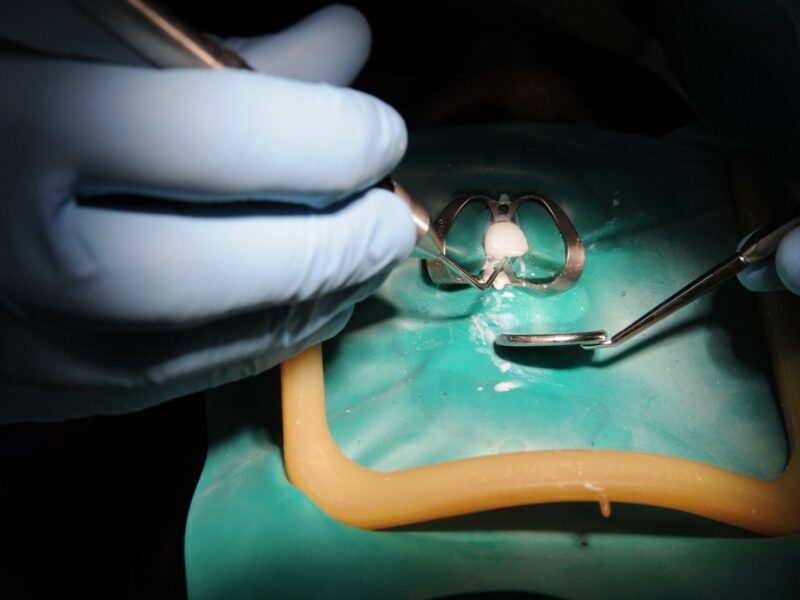
A graft is considered when the recession causes an aesthetic problem, persistent sensitivity or root decay, and the cause has been brought under control. The most commonly used method is the connective tissue graft: a thin piece of tissue taken from the palate is placed over the exposed root, and the gum is slid over this tissue and stitched in place. In some cases the same result is aimed for without taking tissue from the palate, by sliding the gum upwards (a coronally advanced flap) or by using a ready-made tissue graft.
The procedure is carried out under local anaesthetic and usually takes 45 to 90 minutes. The stitches are removed after 10 to 14 days; it takes a few months for the tissue to mature and settle into its final colour. Because the graft both covers the root and thickens the gum, it reduces the risk of recession returning in the same area.
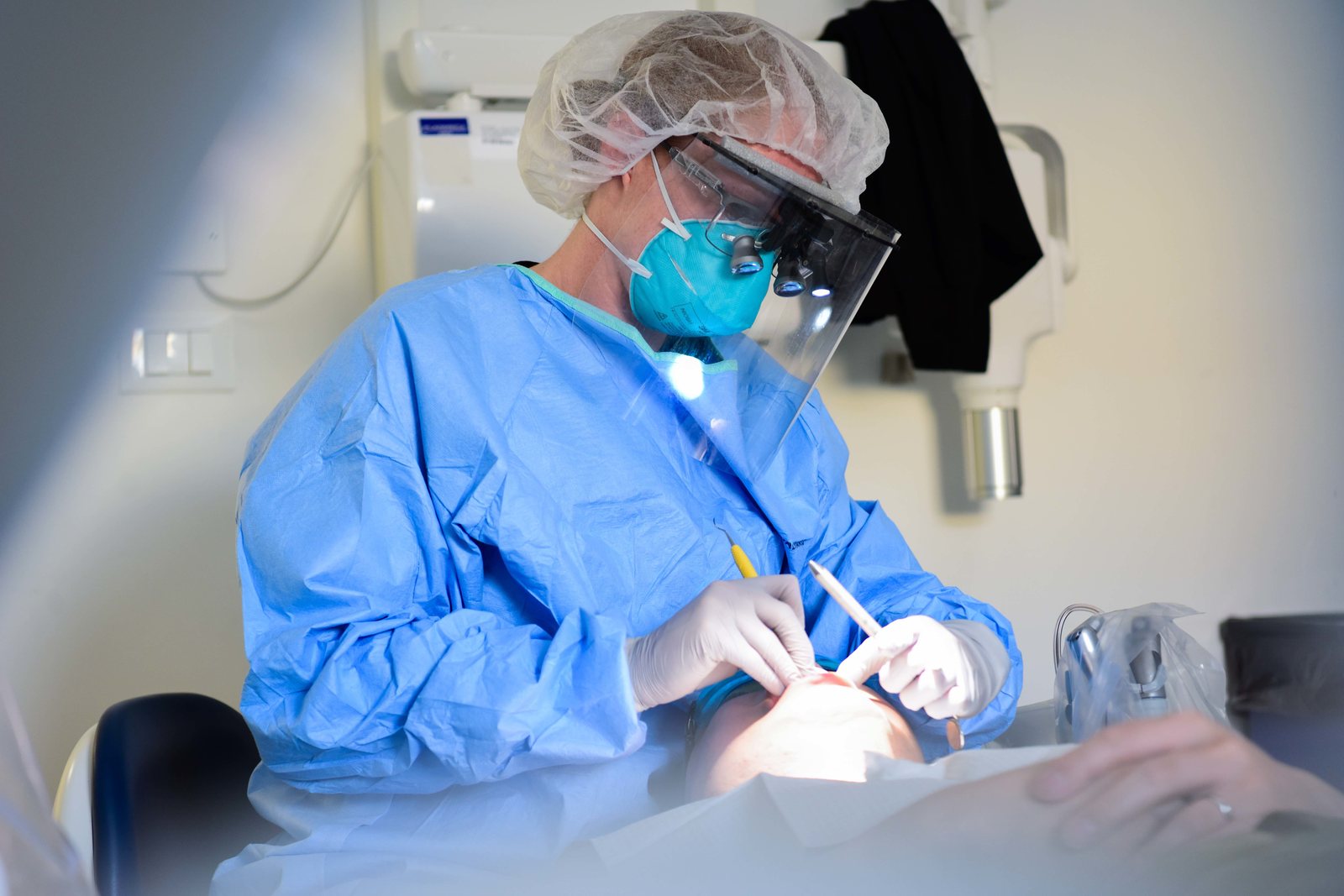
Healing after a graft
- For the first 24 hours, apply ice and stick to soft, lukewarm foods; keep the toothbrush away from the area and use the mouthwash your dentist recommends.
- If tissue was taken from the palate, the palate may be tender for a few days; a protective plate makes it more comfortable.
- Once the stitches are out, the area is cleaned with a very soft brush, using vertical strokes only.
- Smoking and alcohol in the first weeks of healing directly affect whether the graft takes.
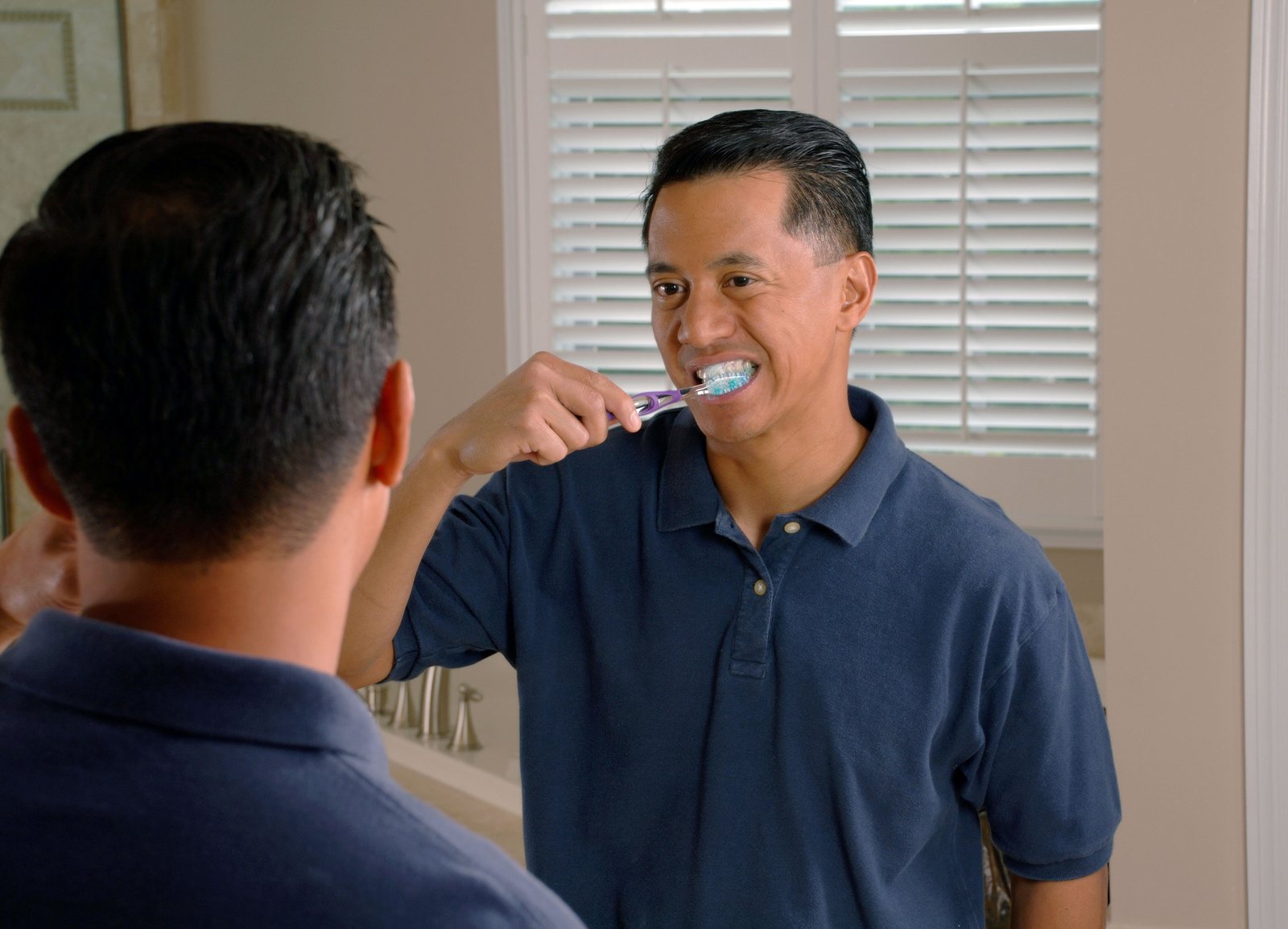
Brushing Correctly at Home: The First Step to Stopping Recession
Whatever stage of treatment you are at, your brushing technique decides the fate of the recession. The correct technique is as follows:
- Choose a soft-bristled brush; leave medium and hard brushes behind. With an electric brush, prefer a model with a pressure warning.
- Place the brush against the gum margin at a 45-degree angle, so the bristles slip gently into the groove between tooth and gum.
- Instead of a horizontal sawing motion, make short, vibrating movements; then sweep the brush from the gum towards the tooth.
- Ease off the pressure: if the bristles splay out within the first month, you are pressing too hard.
- Brush twice a day for two minutes, and use interdental brushes or floss every day.
- For sensitivity, use a toothpaste containing potassium nitrate or stannous fluoride; avoid abrasive whitening toothpastes.
What Happens If It Is Left Untreated?
When recession is left to itself, the exposed root surface becomes vulnerable to wear and root decay. In recession caused by gum disease, bone loss continues; the tooth starts to loosen and, in the advanced stage, may need to be extracted. When an implant is planned to replace the lost tooth, the resorbed bone may first require a bone graft. In other words, a problem that could have been solved early on with a simple cleaning and a change of toothbrush can turn into far more extensive treatment over the years.
Which Specialist Should You See, and What Happens at the Examination?
Gum recession falls within periodontology, the field that deals with gum disease and gum surgery. At the examination the dentist measures the gum pocket depth around every tooth, records the amount of recession, assesses the thickness of the gum and the width of the attached gum, and evaluates the bone level with an X-ray or CT scan. A plan then follows according to the cause: for some patients cleaning and brushing instruction alone are enough, for others a night guard is added, and for some a graft is planned.
Gum examinations, periodontal measurements and gum graft procedures are carried out at our Haliç and Pendik clinics. If you have noticed recession or your sensitivity to cold is increasing, you can book an appointment for an examination. A small step taken early prevents the larger treatments that might otherwise be needed later.
Frequently Asked Questions
Does gum recession grow back on its own?
No. Lost gum tissue does not grow back by itself. Once the cause is removed, the progression can be stopped; in suitable cases the exposed root can be covered again surgically with a gum graft.
How can gum recession be stopped?
First the cause is identified: if there is tartar and inflammation, the teeth are cleaned; if the brushing is too hard, a soft brush and the 45-degree vibrating technique are taught; if there is clenching, a night guard is used. Once the cause is under control, the recession stays where it is in most patients.
Is a gum graft painful?
The procedure is carried out under local anaesthetic and no pain is felt during it. Afterwards there may be mild soreness for a few days and, if tissue was taken from the palate, some tenderness there; it passes comfortably with the painkiller and protective plate your dentist recommends.
At what age does gum recession occur?
It can occur at any age. In younger people it is more often linked to hard brushing, orthodontic movement and thin gum tissue; after the age of 40, recession caused by gum disease becomes more prominent.
What can be done at home for gum recession?
A soft brush, the correct technique, daily cleaning between the teeth, a sensitivity toothpaste and stopping smoking all slow the progression. Home remedies do not bring receded gum back; a dental examination is needed for diagnosis and tartar removal.
Are gum recession and bleeding gums the same thing?
No, but they often occur together. Bleeding is an early sign of inflammation; if the inflammation is not treated, it can progress to bone and gum loss, in other words recession. Recession caused by hard brushing can also occur without any bleeding.