Half past two in the morning. Your head hits the pillow, and the tooth you'd been waving off all evening as "just a bit of a twinge" decides to start throbbing. You sit up and it eases off a bit. Lie back down, there it is again. First thing in the morning you're reaching for the phone. We've heard this story at the clinic so many times that we can usually guess which tooth we'll be looking at before the patient has finished their first sentence. Here's the thing though: a toothache isn't actually bad news. It's the tooth saying "look at me, something's going on in here." The trick is reading that message properly. What follows is more or less what I'd tell you if you were sitting in my chair. Which pain points to what, how to get through the night, and the handful of situations where waiting for morning is a genuinely bad idea.
Why Does a Tooth Hurt? The 8 Most Common Causes
Quick anatomy lesson first, and I promise it's short. On the outside of the tooth is enamel: hard as rock, and it feels nothing. Under that sits dentine, a layer full of tiny tubules that carry signals inward. Right at the centre is the pulp, a little bundle of blood vessels and nerve. Pain starts when something gets through to that nerve. The "something" is sometimes decay, sometimes infection, and sometimes a problem next door that has nothing to do with the tooth at all. These are the ones we see most often.
1. Tooth decay
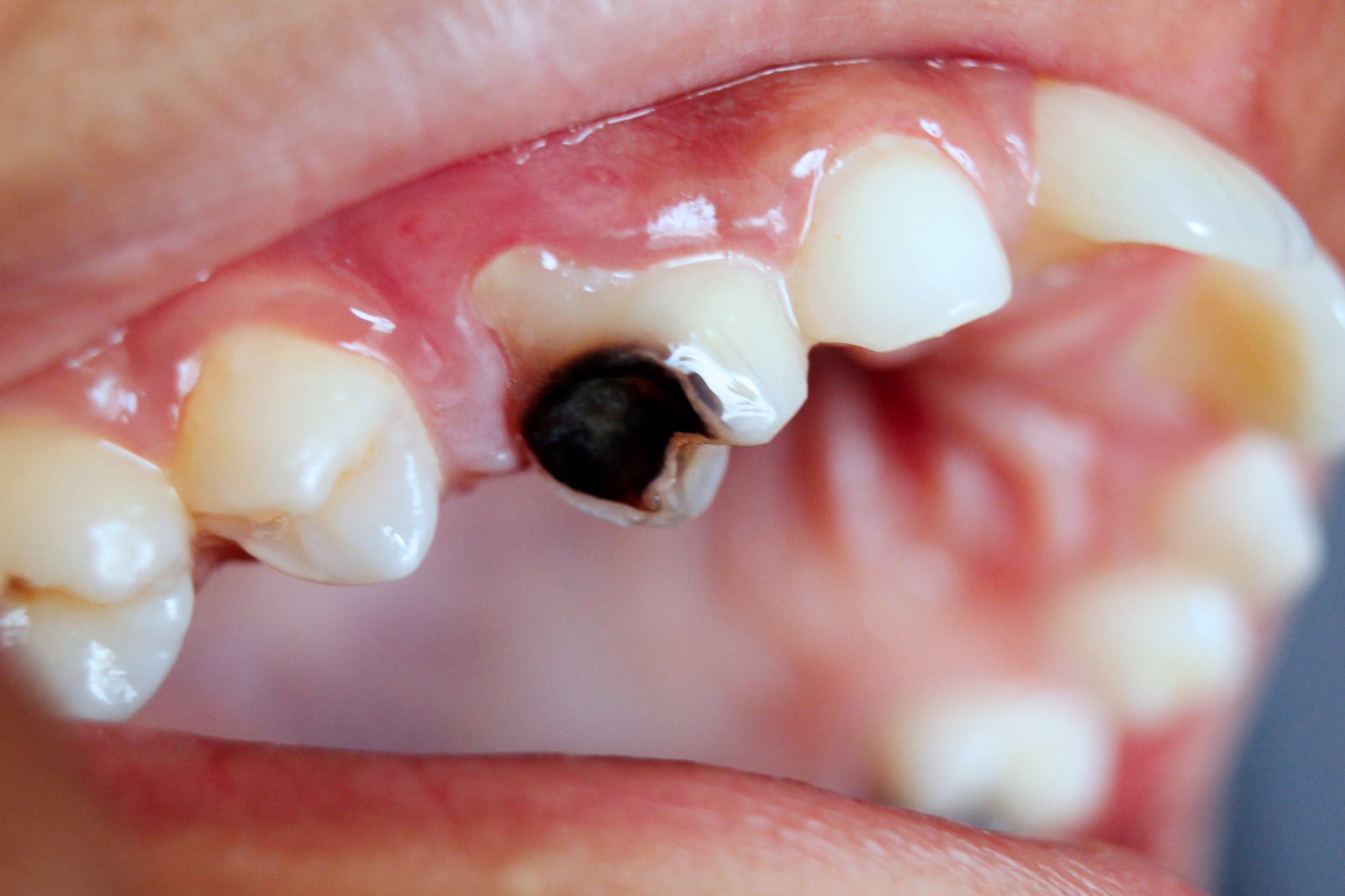
Top of the list by a mile. The annoying part is this: while decay is still in the enamel, you feel absolutely nothing. Which is why "it doesn't hurt, so it must be fine" is a sentence that always makes us wince a little. Once the decay reaches dentine you get a short, sharp twinge with cold or sweet things, then it passes. By the time it's close to the pulp, the pain no longer waits for an invitation. It turns up on its own, hangs around, and gets worse at night. When a patient tells us "my tooth tingles when I eat sweets", we find a cavity nearly every single time.
2. Inflamed pulp (pulpitis)
When decay, or a very deep old filling, gets right up against the nerve, the pulp becomes inflamed. Early on this is reversible: you sip something cold, you go "ow", and within a few seconds you've forgotten about it. Let it carry on and the picture changes. Hot tea sets it off, the throbbing goes on for minutes, and lying down makes it worse. A tooth that has got this far rarely gets away with just a filling. At that point we're usually talking about a root canal.
3. Dental abscess
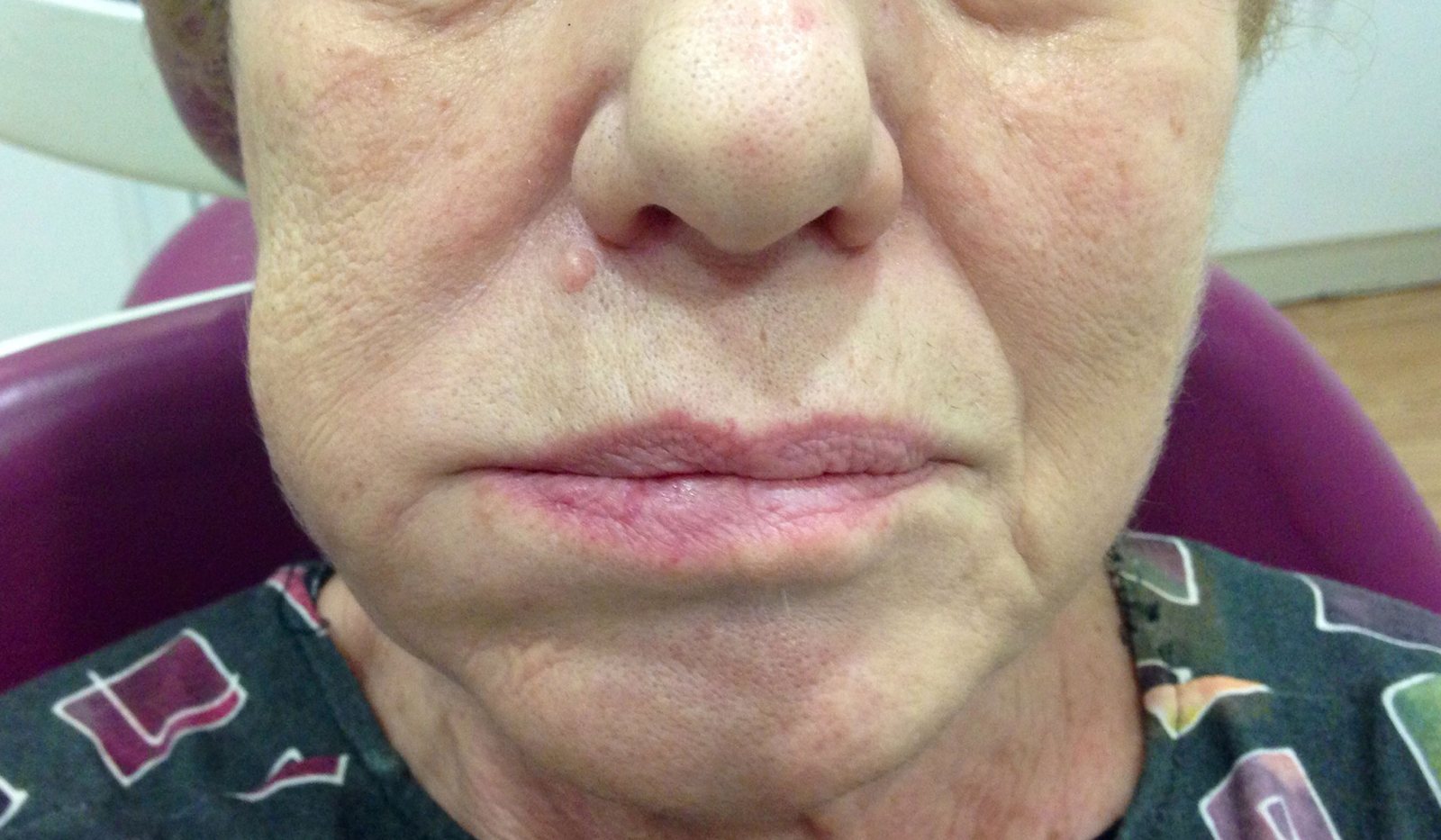
Once the nerve has died completely, infection leaks out of the tip of the root into the bone and an abscess forms. The tooth hurts when you bite, and patients describe it as "feeling taller, like it touches before the others do." A small pimple-like bump can appear on the gum, and the cheek may swell. There's a trap here, and I have to mention it: one day the pain can simply stop. The patient is delighted, says "it's gone", and cancels the appointment. What's gone is the nerve. The infection carries on quietly growing underneath.
4. Gum disease
This one feels different. Dull rather than sharp, spread across an area rather than sitting in one tooth. Bleeding when you brush comes with it, sometimes bad breath too. Tartar has built up and the gums have become inflamed. In the later stages the gum recedes, the root surface is exposed and cold sensitivity joins the party. We've written about this at length in our pieces on bleeding gums and receding gums, so if you want the full story, it's there.
5. Cracked or broken tooth
Ice crunchers know this one. So do people who've bitten down on an olive stone, and anyone who clenches in their sleep. A crack forms in the tooth that you can't see with the naked eye. The symptom is very typical: not pain while you're chewing, but a short, knife-like stab the moment you release the bite. Most of the time the X-ray shows nothing at all. That's why we have you bite down on each tooth in turn during the examination. When you say "that's the one!", we've found the crack.
6. Wisdom teeth
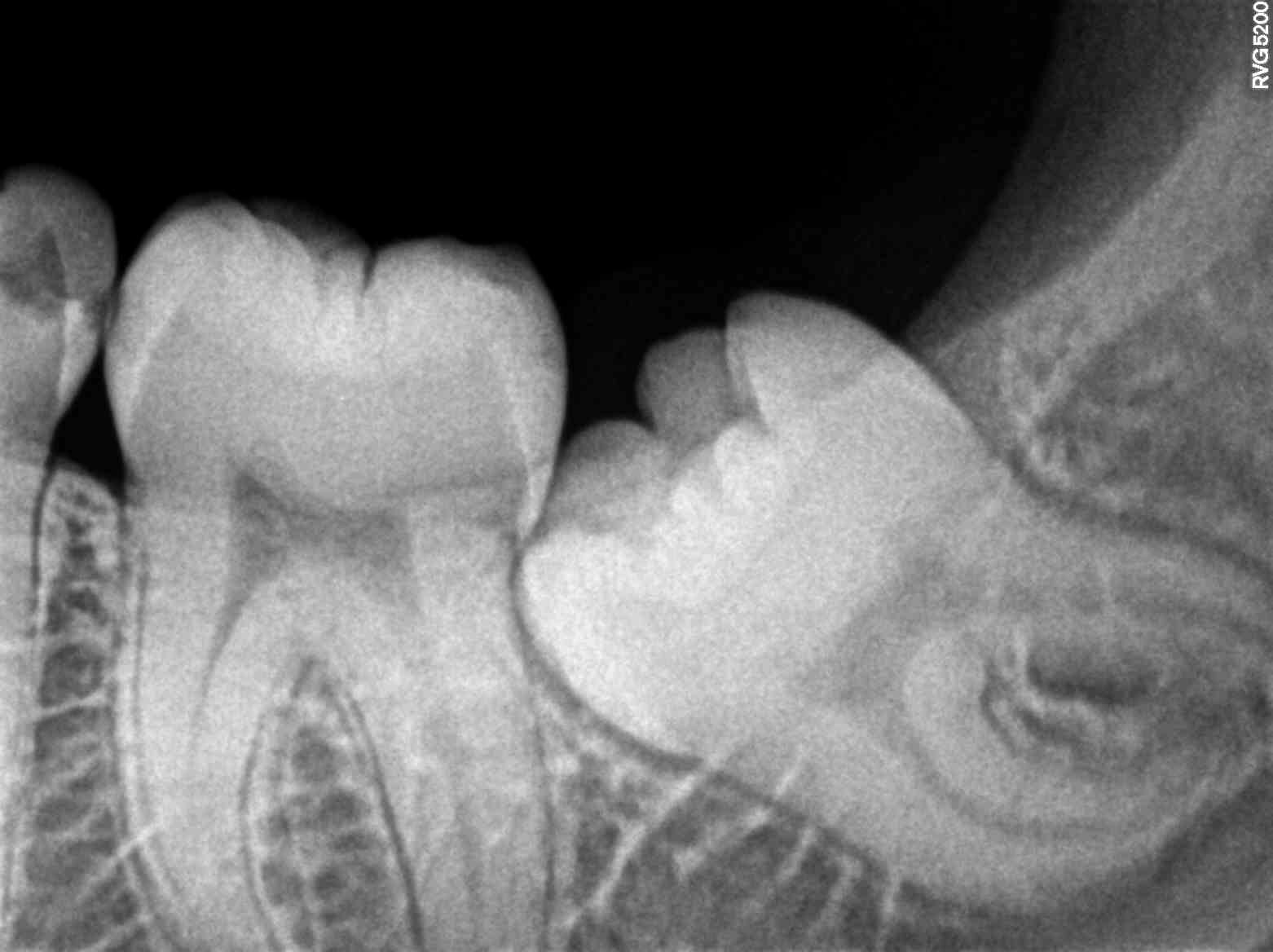
The teeth right at the back of the jaw that can't find room, so they come through sideways or only halfway. The flap of gum covering them flares up every so often, the mouth becomes hard to open and even swallowing gets unpleasant. We call that pericoronitis. It usually shows up between 18 and 25, in exam week or two days before a wedding. The worst possible moment, in other words. Whether a wisdom tooth needs to come out is covered on our wisdom teeth and oral surgery page.
7. Clenching and grinding
The patient who wakes up with a tired jaw and aching temples and says "all my teeth hurt, but I couldn't tell you which one." That sentence is a clue in itself. Decay hurts one tooth. Clenching hurts the lot. Your partner saying "you grind your teeth at night" counts as a diagnosis as far as we're concerned.
8. Causes that aren't the tooth at all
The roots of the upper back teeth sit just underneath the sinus. When you have sinusitis, all of those teeth ache at once, it gets worse when you bend forward, and the X-ray shows a perfectly healthy tooth. An ear infection, jaw joint problems and, rarely, even pain coming from the heart can be felt in the lower jaw. If we can't find anything wrong with your teeth we won't keep you going round in circles. We'll send you to the right doctor.
What Does the Type of Pain Tell You?
Before you come in, get to know your pain a little. What sets it off, how long does it last, where exactly is it? Your answers to those three questions save us minutes in the chair. Roughly speaking, this is how we read it:
- A twinge that comes with cold and fades in a few seconds: Early decay, an exposed root surface or worn enamel. The good news is that it's early. A small filling or some sensitivity treatment usually sorts it out.
- Throbbing that gets worse with heat and lasts for minutes: The pulp inflammation has progressed. The only thing waiting will get you is a smaller chance of saving the tooth.
- Pain that gets worse when you lie down: Lying flat sends more blood to the head and the pressure inside an inflamed tooth rises. The classic reason for night-time pain.
- Sharp pain when you bite: A cracked tooth, a filling that sits too high, or infection at the tip of the root.
- Dull, widespread pain felt in the gums: Gum inflammation or clenching.
- Pain that comes with swelling, fever and a bad taste in the mouth: An abscess. Not a "let's see how it is tomorrow" situation.
What Helps a Toothache? First Aid at Home
Let me be honest with you: nothing you do at home will seal a cavity or dry up an abscess. What it can do is get you through the night in some comfort, and that's not nothing. Here's what I tell my own patients. Put the words "until you can get to a dentist" in front of every single one.
Warm salt water. A teaspoon of salt in a glass of warm water, swish for thirty seconds, spit it out, a few times a day. It works surprisingly well for inflamed gums and wisdom tooth pain, and it flushes out bits of food as well.
Floss. Don't underestimate it. A strand of meat or a bit of pepper skin wedged between two teeth can, all on its own, produce the kind of pain that has you climbing the walls. Ease it out gently. Sometimes the pain is gone in five minutes and you never need us at all. It really can be that simple.
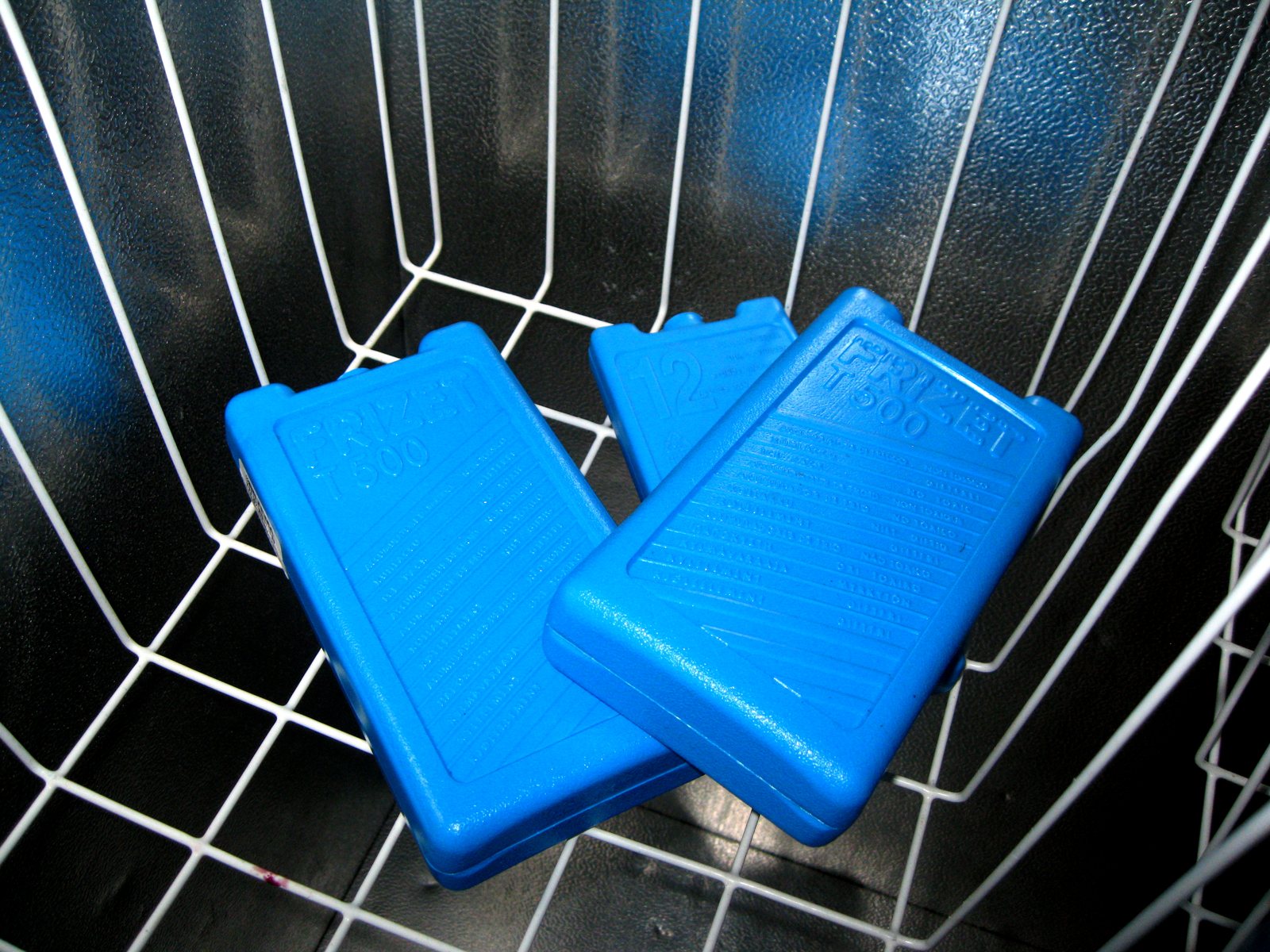
Cold, not heat. If there's swelling, hold ice wrapped in a towel against the outside of the cheek: fifteen minutes on, fifteen minutes off. A warm compress feels soothing, but it can help an infection spread. If you suspect an abscess, keep heat well away from it.
A painkiller, but the right one. A painkiller your doctor or pharmacist considers suitable for you will let you sleep. If you have a sensitive stomach or a kidney condition, if you're pregnant, or if you take blood thinners, ask first. And one request: don't put the tablet on the tooth. Every week we see at least one patient with the white burn an aspirin leaves on the gum.
Prop your head up. An extra pillow when you lie down takes some of the blood pressure off the tooth. Small thing. At midnight it makes a big difference.
Avoid the triggers. Very hot, very cold, sweet, hard... Smoking and alcohol fan the flames too. Clove oil is a remedy our grandparents swore by and it's not bad at all: one drop on a cotton ball, held on the tooth for a short while. Keep it off the gum, it irritates.
What not to do
- Putting aspirin or any other tablet on the tooth. It causes a chemical burn, so now you have a sore on top of the pain.
- Applying heat to the painful side, or dabbing rubbing alcohol or perfume on it.
- Taking more than the dose "so it goes away faster." Painkillers don't heal anything. They just turn the volume down.
- Getting antibiotics from the pharmacy or from a neighbour. Antibiotics are only needed when infection has spread, and only on a dentist's say-so. They can't reach the infection inside the tooth anyway.
- Cancelling the appointment because the pain has stopped. A tooth that goes quiet is usually a tooth that has died, not one that has healed.
When Should You See an Emergency Dentist?
Most toothaches get sorted within a day or two with a normal, planned appointment. Some situations, though, won't wait. If any of these apply, get hold of a dentist the same day:
- Swelling in the face, jaw or neck, especially if it's spreading up towards the eye or down into the neck.
- Fever, feeling washed out, a bad taste in the mouth.
- Not being able to open your mouth, or trouble swallowing or breathing. In that case don't call us, call the nearest emergency department. The dentist comes afterwards.
- Throbbing that goes on for hours despite painkillers.
- A tooth that's broken, loosened or knocked out completely after a blow. Don't scrub a knocked-out tooth under the tap. Bring it in a glass of milk, and if you reach us within thirty minutes there's a chance we can put it back.
- Bleeding that won't stop after an extraction or an injury.
At Haliç and Pendik we try to open up a slot the same day for patients who call in pain. A quick description over the phone also lets us talk through what to do, and what not to do, before you set off.
What Happens at the Appointment, and Which Treatment Fits Which Cause?
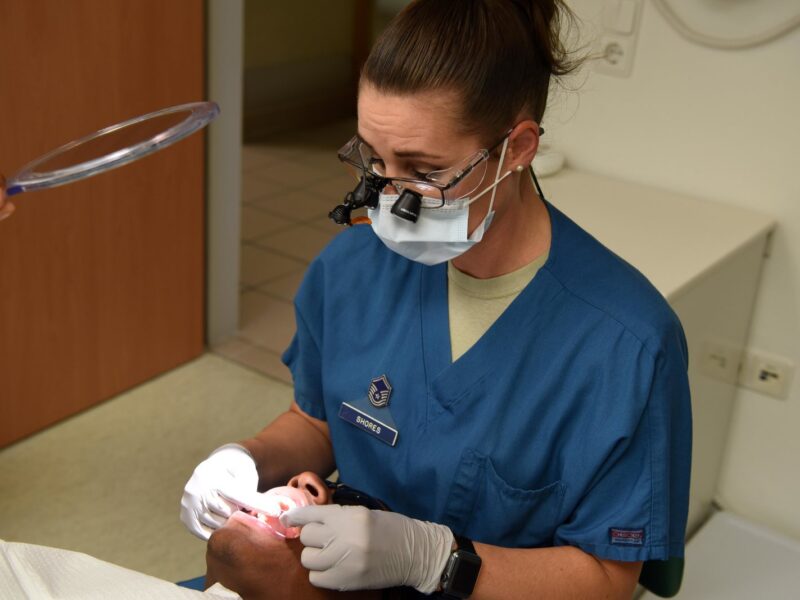
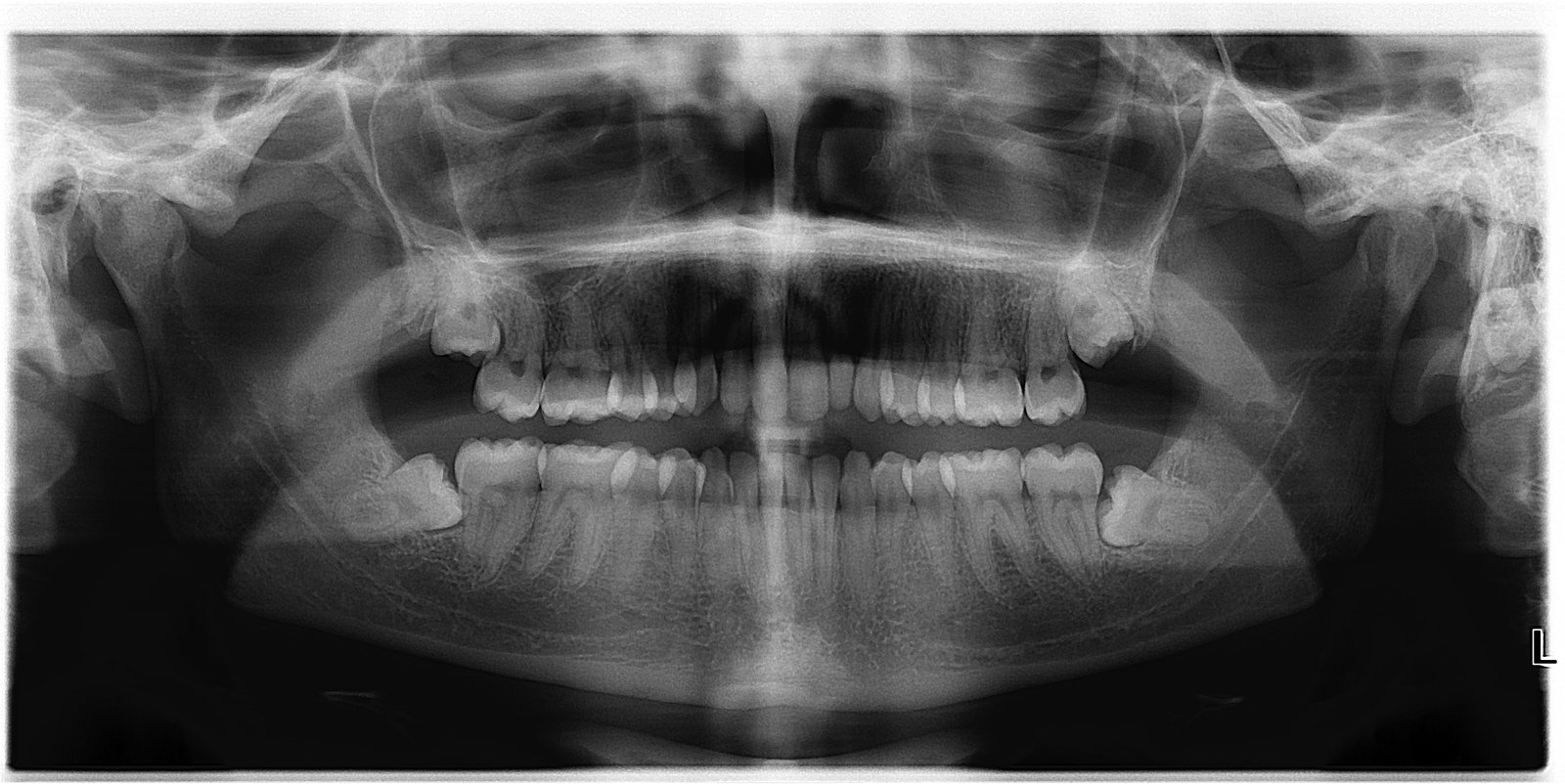
The examination starts with a conversation. We listen to when the pain started and how it behaves. Then we put something cold on the teeth, have you bite on each one in turn, and take a small X-ray or a panoramic film if we need it. Ten or fifteen minutes in, most patients have a diagnosis. What happens next depends on the cause.
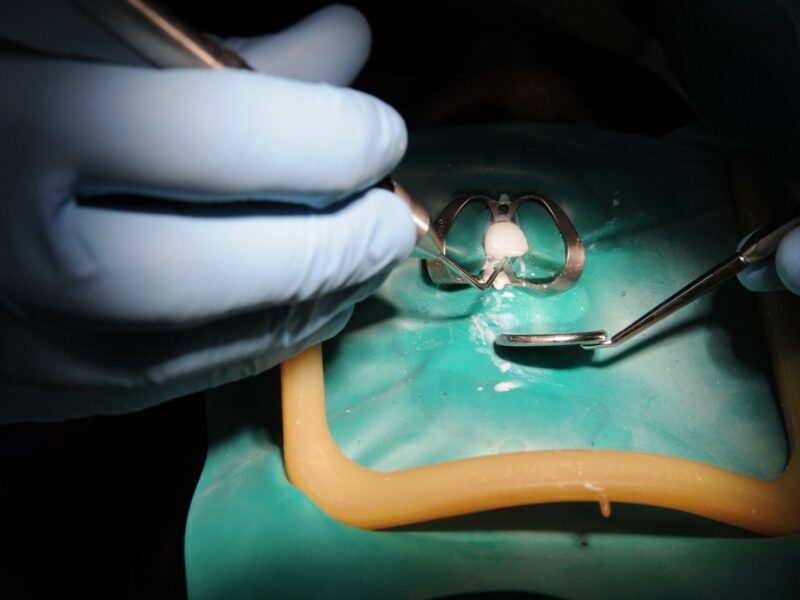
Decay gets cleaned out and filled. Very close to the nerve? Then a protective lining goes in first and we watch the tooth for a few weeks. Inflamed pulp or an abscess means a root canal: the infected tissue is removed, the canals are shaped and filled. With an abscess we let the infection drain first, and we don't finish the treatment until the swelling has gone down. If the root is beyond saving, the tooth comes out and we talk about an implant to fill the gap. When the problem is in the gums, it's scaling and root planing, and in advanced cases periodontal treatment. A cracked tooth gets a filling, a crown or a root canal depending on how deep the crack goes; if it runs down into the root, sadly, it's an extraction. With a wisdom tooth we treat the infection first, then remove the tooth if there's no room for it. For clenching we make a night guard and repair the worn teeth. For sensitivity, fluoride, a desensitising toothpaste and covering the exposed root surface are the options on the table.
Is pain after a filling or root canal normal?
For a while, yes. A few days of cold sensitivity after a deep filling, or a mild ache on biting for a few days after a root canal, is expected. The nerve endings are settling down while the tissue recovers. Our rule is simple: the pain should ease a little every day. Pain that lasts beyond a week, gets worse, turns into throbbing or comes with swelling needs checking. The filling may be sitting high, there may be a spot in the canal that got missed, the tooth may have cracked. Give us a call. More often than not a small adjustment fixes it.
Toothache in Children and During Pregnancy
In children there are two big causes: decay in the baby teeth, and teething. We hear "it's going to fall out anyway" a lot. If only it were that simple. A decayed baby tooth hurts, and it can also disturb the development of the adult tooth growing underneath it. With teething, the gums go red, the child gets grumpy and everything ends up in their mouth. A chilled teething ring, or gently rubbing the gum with a clean piece of gauze, brings relief. How we work with children is explained on our children's dentistry page.
In pregnancy, hormones make the gums more sensitive. Bleeding and sore gums are common, particularly in the second trimester. Let me be clear about one thing: pregnancy is not a reason to avoid dental treatment. Fillings, scaling and even root canals are done safely in the second trimester. Any medication we choose together, always. Going through a pregnancy with an infected tooth is a far bigger risk than having it treated.

6 Habits That Keep Toothache Away
We tell every patient these. Most say "I know", few actually do them. The ones who do see a lot less of us, which, believe it or not, we count as a good thing.
- Brush twice a day, two minutes, with a fluoride toothpaste. If you're going to skip one, skip the morning, not the night.
- Floss or interdental brushes, every day. Most cavities start between the teeth, where the brush can't reach.
- Don't sip sugary or acidic drinks all day long. You're bathing your enamel in acid for hours. If you're going to have one, have it with a meal, in one go.
- A check-up and a scale and polish every six months. A small cavity ends with a filling, a big one with a root canal. The difference between them is one X-ray, that's all.
- Clench at night? Wear a guard. And don't crack ice, pens or nutshells with your teeth.
- A mouthguard if you play sport. Most of the broken front teeth we see come from five-a-side football.
Let me wrap up. A toothache is a warning. Catch it early and it's a small job, catch it late and it's a long one. Taking a two-second twinge seriously genuinely does spare you the sleepless nights and the drawn-out treatment months down the line. If you're in pain, call today. The examination doesn't take long, and the relief usually starts the same day.
A throbbing ache that wakes you at night and eases with cold water usually means the nerve is inflamed, and we explain how root canal treatment works and whether it hurts in a separate guide.
Frequently Asked Questions
What helps a toothache?
Until you can get to a dentist: rinse with warm salt water, clean between the teeth with floss, hold something cold against the outside of the cheek if there is swelling, keep your head raised and take a painkiller that is suitable for you. None of this removes the cause; the source has to be found at an examination and treated.
Why does toothache get worse at night?
When you lie down, more blood flows to the head and the pressure inside an inflamed tooth rises. With fewer daytime distractions you also simply notice the pain more. Pain that gets worse at night is usually a sign of pulp inflammation or an abscess.
What is a throbbing toothache a sign of?
Throbbing pain that starts on its own and gets worse with heat usually means the inflammation in the pulp has progressed. At this stage the tooth can usually be saved with a root canal; waiting increases the risk of it turning into an abscess.
Does toothache go away on its own?
Pain caused by food wedged between the teeth can go once the debris is removed. Pain from decay, pulp inflammation or an abscess doesn't go away by itself. When pain stops suddenly it's usually because the nerve has died; the infection carries on.
Should I take antibiotics for toothache?
Only when a dentist prescribes them, and only for signs of spreading infection such as swelling and fever. Antibiotics can't reach the infection inside the tooth; the answer is a root canal, drainage or an extraction.
My tooth twinges with cold, is it a cavity?
Brief cold sensitivity can be early decay, an exposed root surface or worn enamel. If it passes in a few seconds it's still at an early stage; an examination finds the cause, and a filling or sensitivity treatment is usually enough.
What should I do about toothache in pregnancy?
Pregnancy is not a barrier to dental treatment; fillings, scaling and root canals are done safely, especially in the second trimester. Choose painkillers and antibiotics together with your dentist and don't put the treatment off.
When should I see an emergency dentist?
Swelling in the face or neck, fever, difficulty opening the mouth or swallowing, throbbing that painkillers don't touch, a tooth broken or knocked out by a blow and bleeding that won't stop all need to be seen the same day. If you have trouble breathing, go straight to the emergency department.