On Monday mornings in Pendik, the first patient through the door is usually the same type. One hand on the cheek, eyes heavy from a night without sleep. Last week one of them started talking before he even sat down. "Doctor, I got up at three, took cold water from the fridge and held it in my mouth. It stops while the water is there. The second I swallow, it kills me. Please don't say root canal. Just pull it out."
To be honest, we hear that sentence several times a week. Root canal treatment sounds frightening because everybody has an aunt or a colleague with a horror story. But what kept you awake that night was not the treatment. It was the inflamed tissue inside the tooth. Below we explain what happens in the chair, give you a straight answer to the question "does a root canal hurt", and tell you how long a root canal takes, the same way we do it at the consultation.
What is root canal treatment and what happens inside the tooth?
Think of a tooth as a hard shell. Enamel sits on the outside, dentine lies beneath it, and right in the centre there is a soft tissue called the pulp. Nerves, tiny blood vessels, connective tissue. It reaches down to the jawbone through very thin channels in the roots.
When decay goes deep, when a tooth cracks, or when bacteria leak in under an old large filling, the pulp becomes inflamed. Inflamed tissue wants to swell, but it is surrounded by rigid walls. It has nowhere to go. That pressure is exactly what makes the throbbing.
During the procedure the dentist makes a small opening at the top of the tooth, cleans the inflamed or dead pulp out of the canals, disinfects and shapes them, and then seals them so they cannot leak. The tooth stays in your mouth. It loses its blood supply but keeps doing its job when you chew. On our root canal page we explain in more detail when we choose this route.
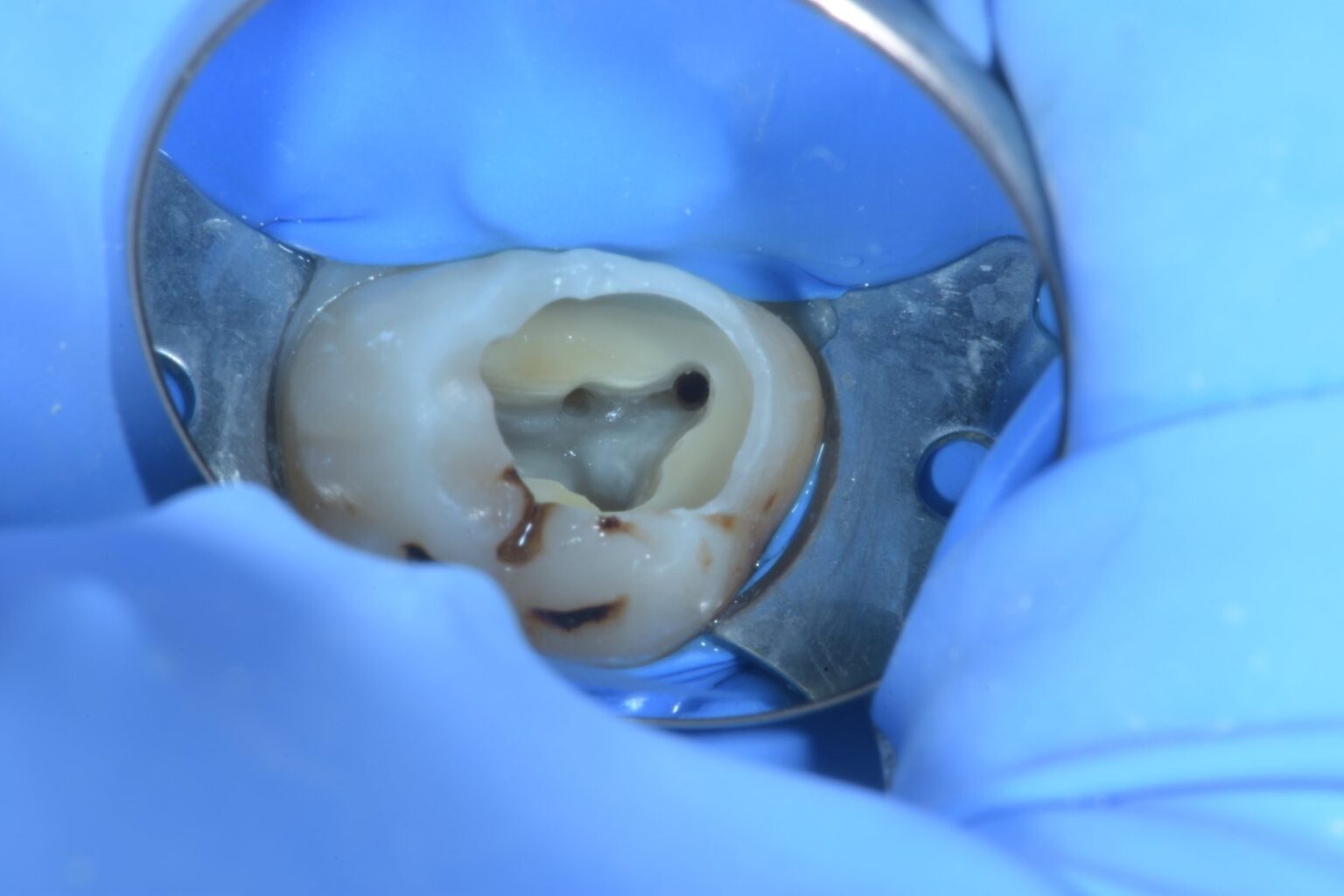
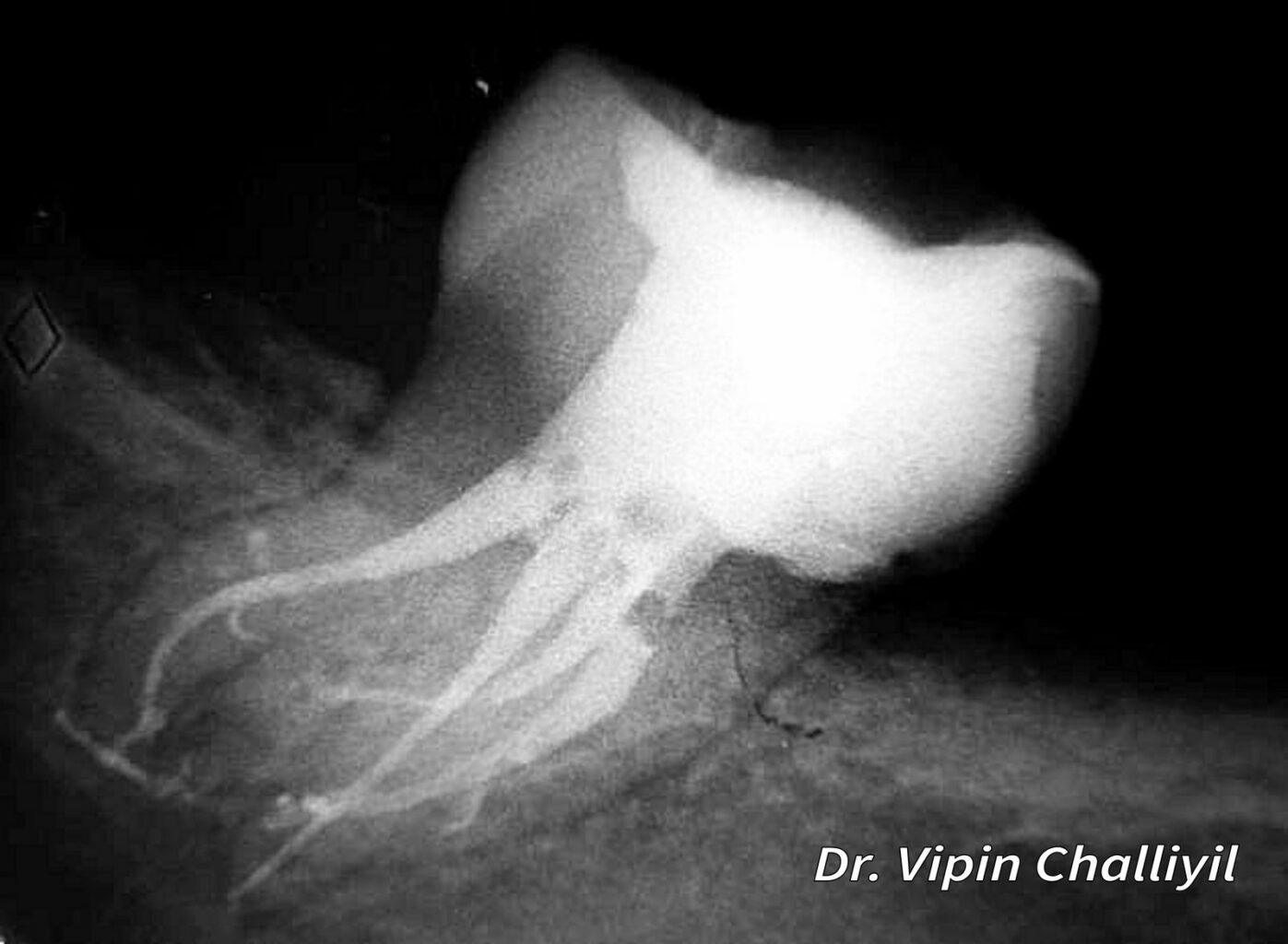
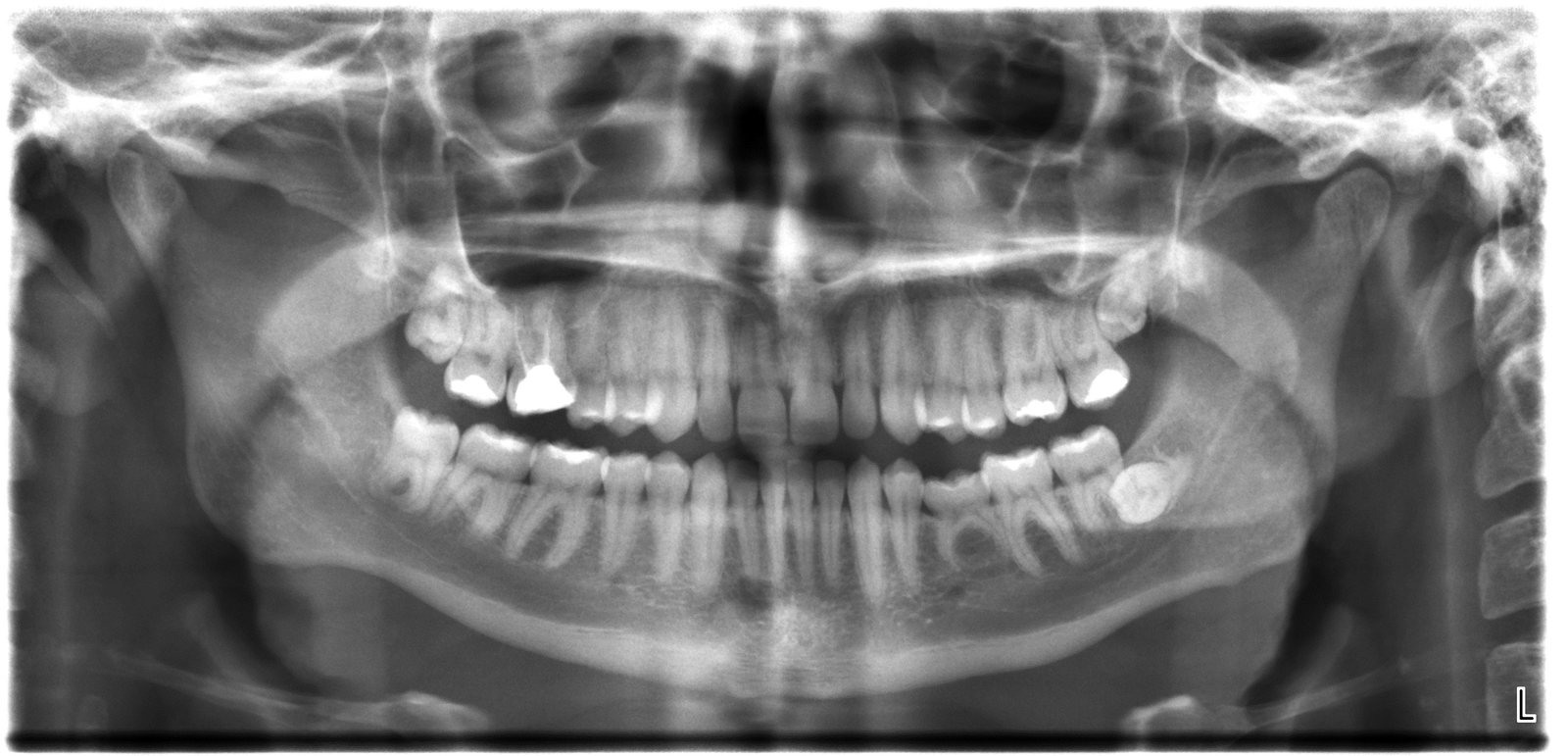
A molar usually has three or four canals. Sometimes five. Front teeth mostly have one. Knowing the number and curvature of the canals beforehand is half the job, which is why we never start without an x-ray.
How do you know the nerve of a tooth is inflamed? What are the symptoms?
Not every toothache means a root canal. A tooth that twinges for two seconds after a cold drink and settles can often be saved with a filling. The signs that point towards a root canal are a little different.
- Pain that lingers for minutes after something hot or cold
- A throbbing that starts by itself at night and wakes you up
- Not being able to stand hot tea but feeling better with cold water (a classic sign of advanced inflammation)
- Pain when you touch or bite on the tooth, or a feeling that the tooth is "taller" than the others
- A small pimple-like swelling on the gum, or a bad taste in the mouth
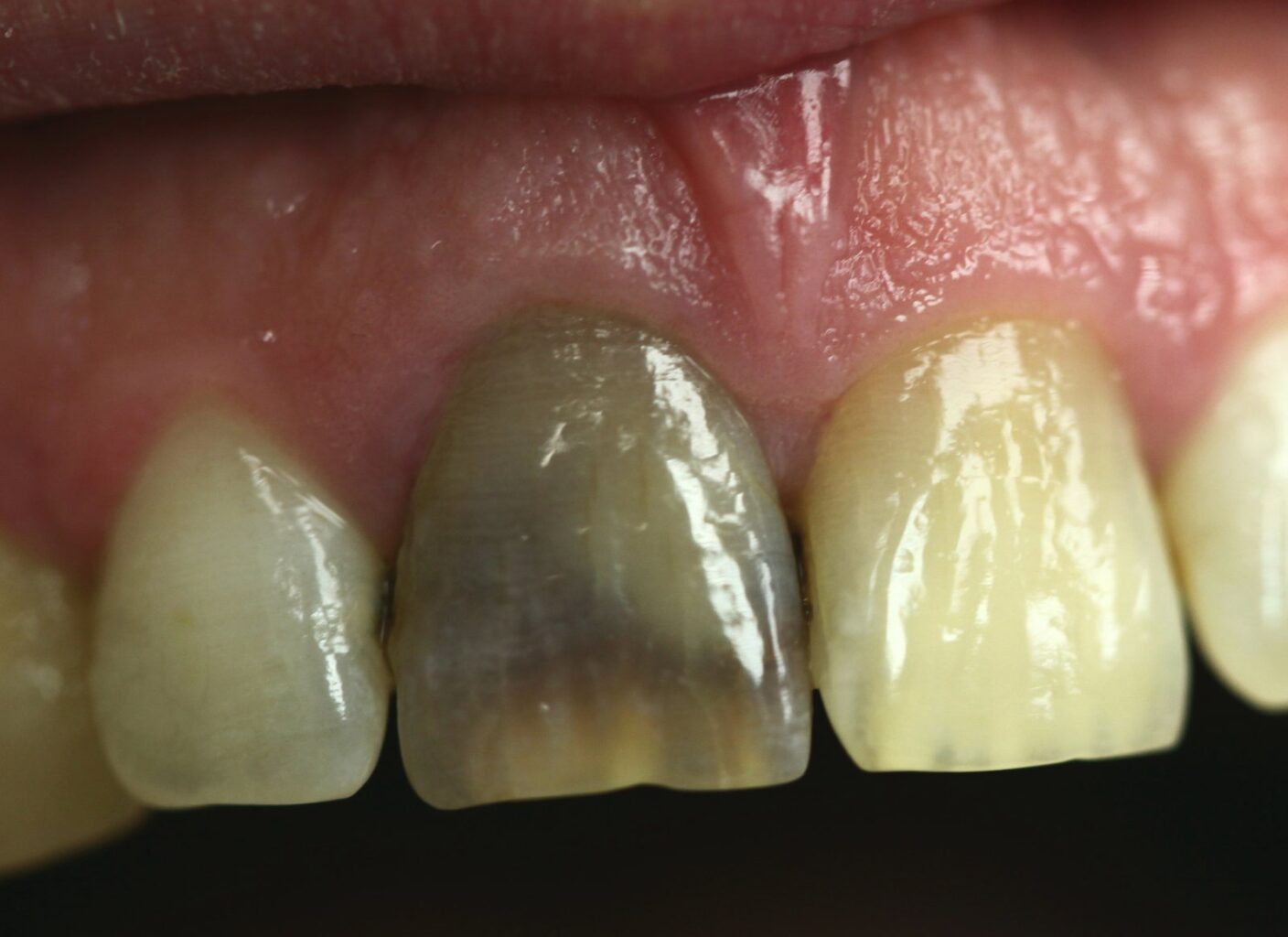
- A front tooth that took a knock years ago and has slowly turned grey
The last point is interesting. Some teeth die silently. A patient comes in with a different complaint, and the x-ray shows a dark area at the tip of a root. "But it never hurt," they say. True, it never hurt. There is still an infection sitting inside.
If you have swelling in the face, a fever or difficulty swallowing, do not wait. That picture can point to an abscess and needs to be seen the same day. The NHS page on dental abscess is clear about when to go to emergency care. For a broader read you can also look at our article on the causes of toothache.
Does a root canal hurt?
This is the most common question, and the answer has two parts.
During the procedure, in a properly numbed tooth, most patients feel nothing very different from a filling. Vibration, pressure, and the tiredness of keeping your mouth open for a long time. That is all. Local anaesthetic silences the nerve of the tooth and the area around it. We even numb the skin of the gum with a gel before the injection so you barely notice the needle.
Is it like that for everyone? No. Very inflamed teeth, especially lower molars, sometimes do not go fully numb with the first dose. We know this and we are ready for it. We give extra anaesthetic, wait a few minutes, and if needed switch to a different injection technique. One request from us. If you feel something in the chair, raise your hand. Playing the hero helps nobody, and we will stop and top up.
"Will I hit the ceiling when you reach the nerve?" When we hear that question we always say the same thing. The area is already numb before we get near the nerve, and if it is not, we do not carry on.
The days after the procedure are a separate matter, and we cover them further down. In short, a mild ache can happen and it is normal.
How is a root canal done, and what happens step by step in the chair?
Every dentist has their own routine, but the basic order is much the same. In our clinics it goes like this.
- Examination and x-ray. A cold test and a percussion (gentle tapping) test are done on the tooth. A periapical x-ray is taken, and a panoramic film or 3D scan is requested if needed.
- Anaesthesia. The area is numbed, and we do not go on until we are sure it is fully numb.
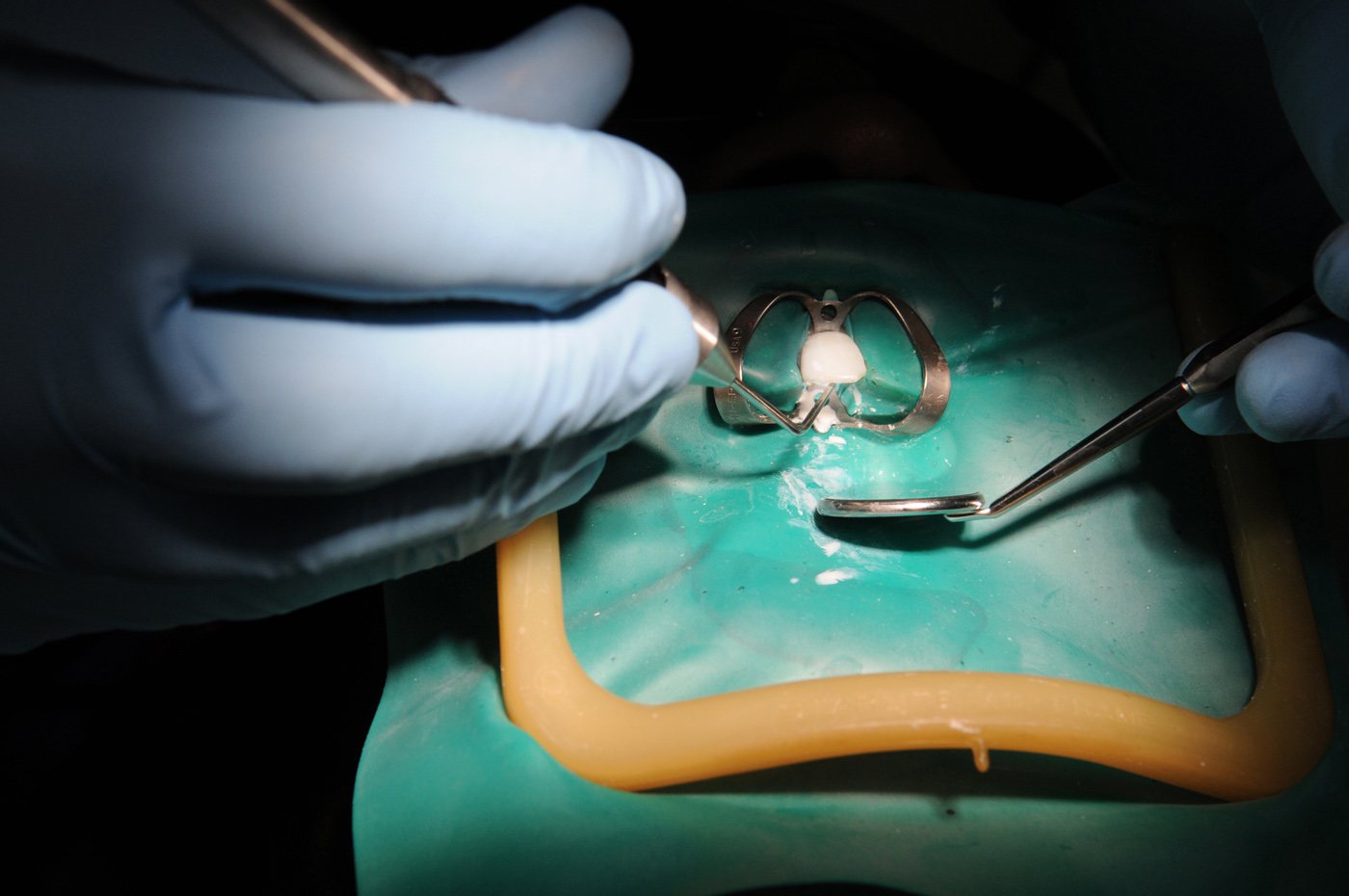
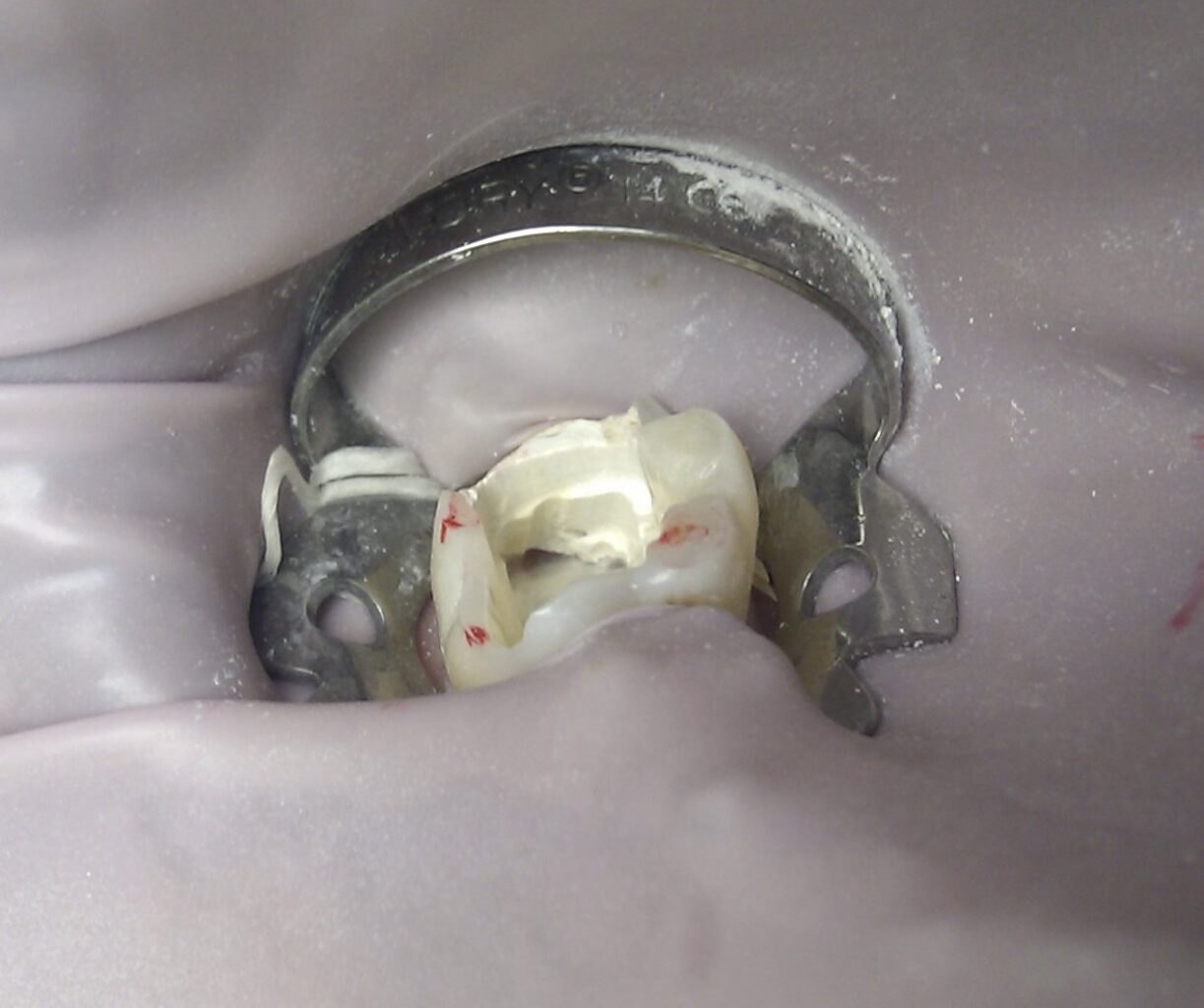
- Rubber dam. A thin rubber sheet is placed around the tooth. This stops saliva getting into the canal and keeps small instruments and rinsing fluid from slipping down your throat.
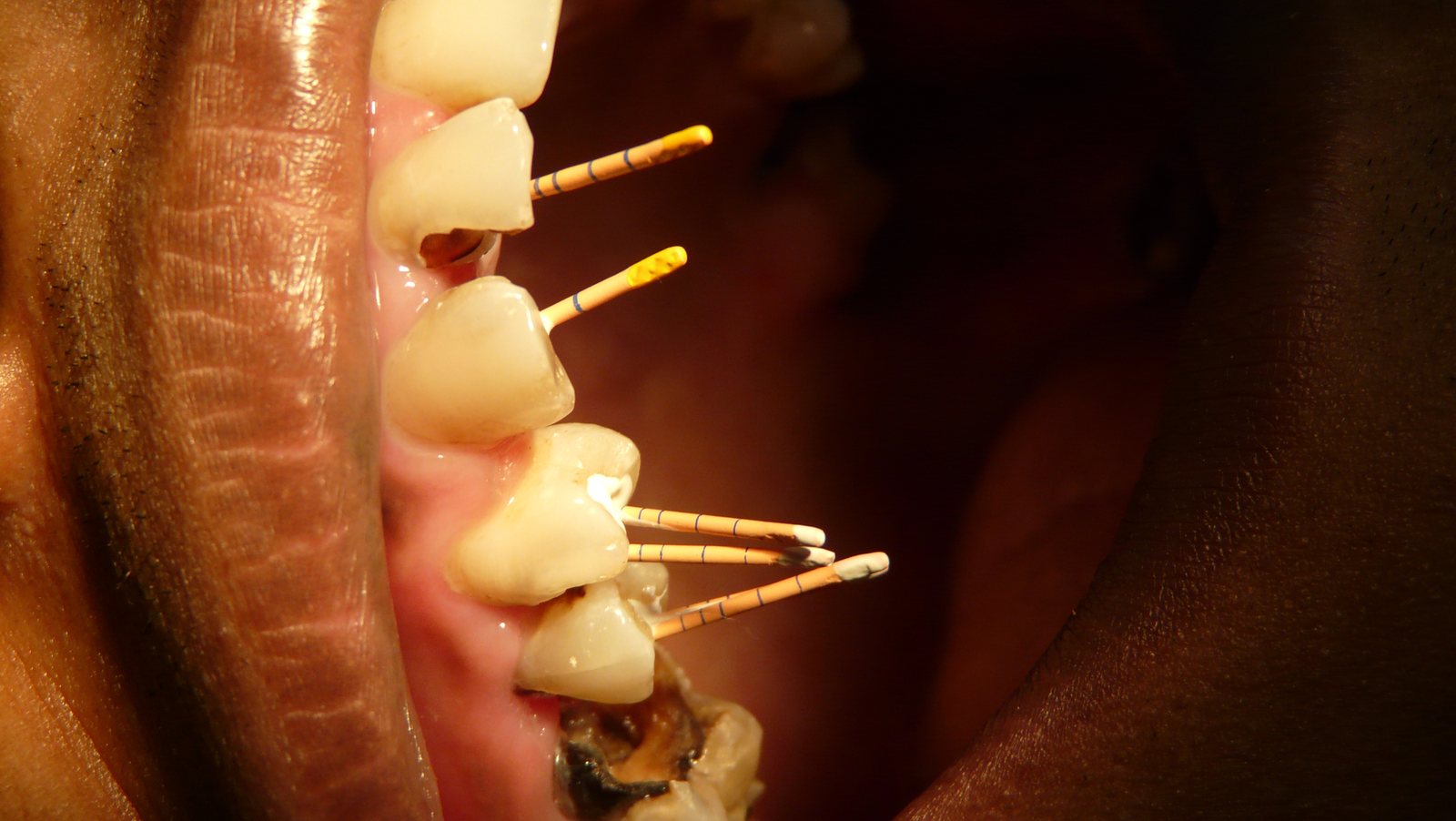
- Access and cleaning. The decay is removed, the pulp chamber is reached from the top of the tooth, and the canal openings are found.
- Length measurement. An electronic device called an apex locator measures the length of each canal to the millimetre.
- Shaping and irrigation. The canals are widened with fine files and flushed repeatedly with antiseptic solutions.
- Canal filling. The dried canals are filled with a rubber-like material called gutta-percha and a sealer paste.
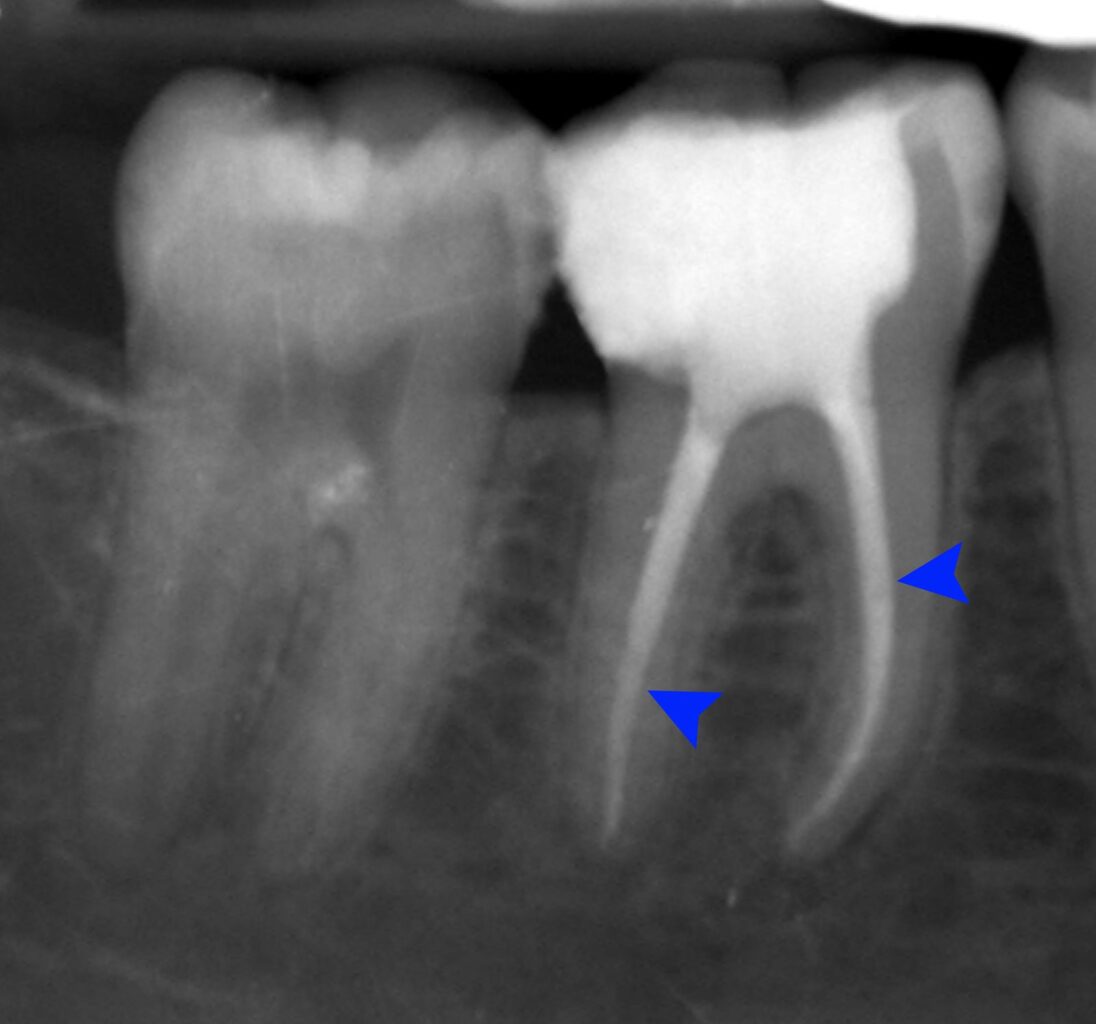
- Top filling and check x-ray. The entrance of the tooth is closed, and a final x-ray shows whether the canals are filled right to the end.
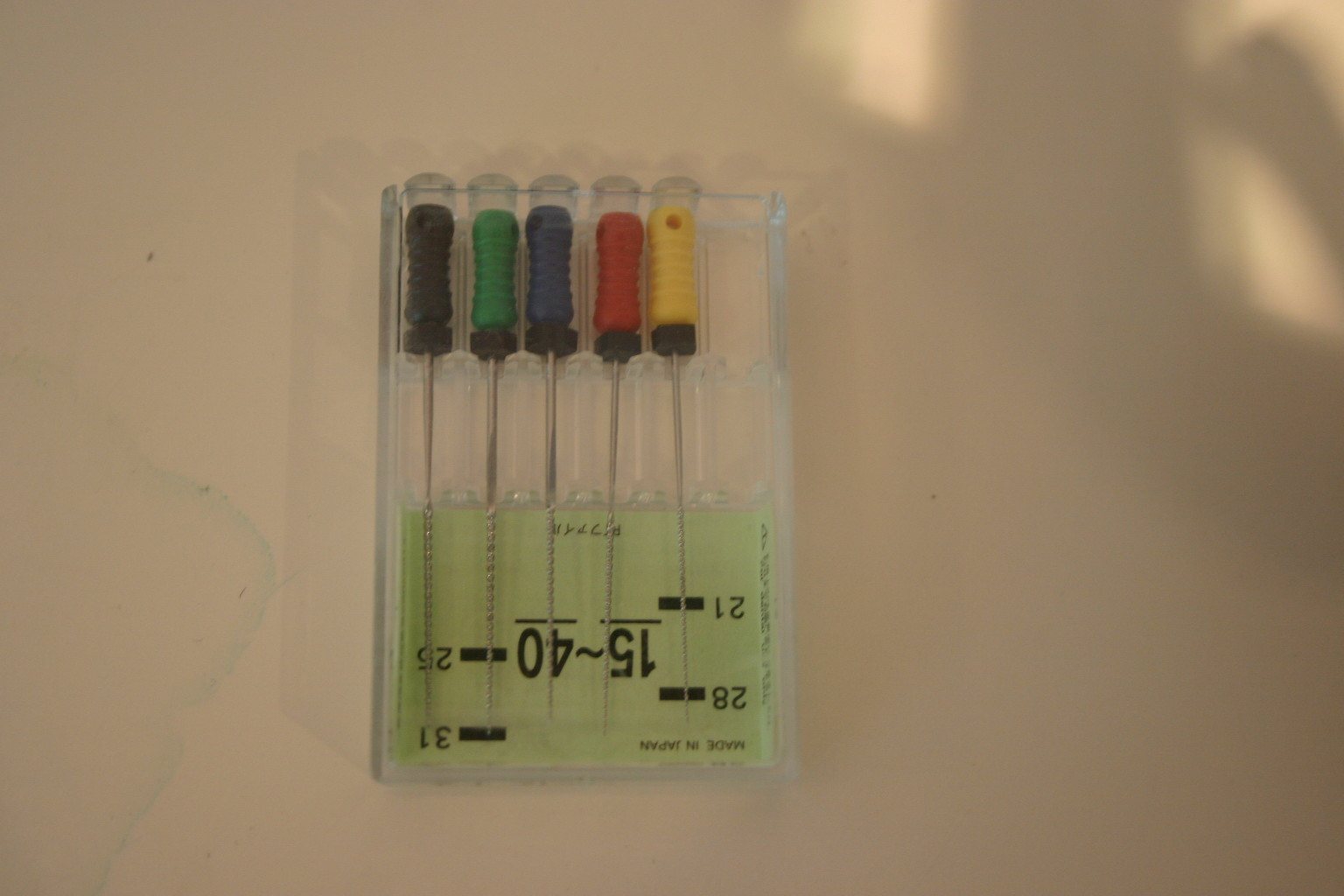
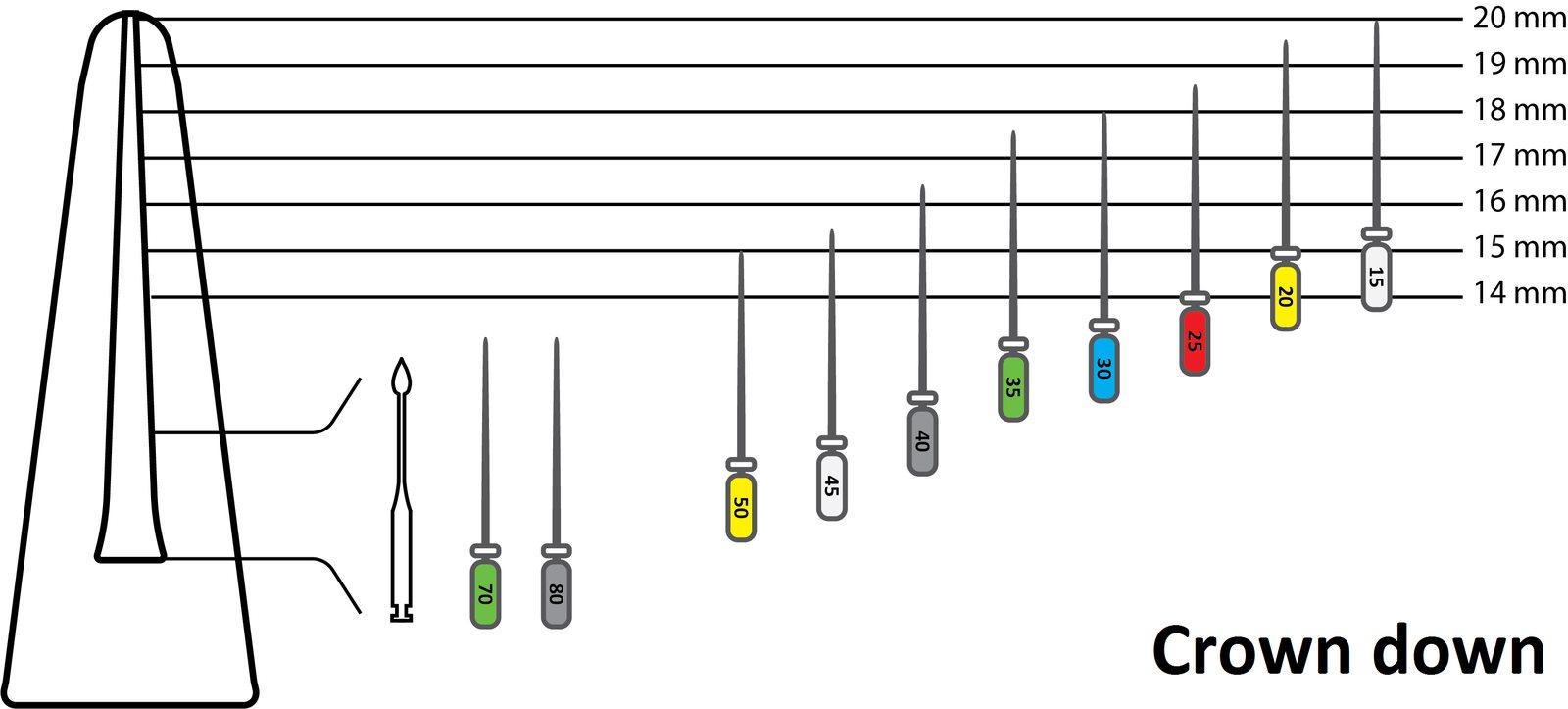
Do not let the files scare you. They move back and forth inside the canal, scrape infected dentine from the walls and turn the canal into a smooth taper where the filling can sit. The job is closer to a meticulous cleaner than a machinist. In some cases we work by hand, in others with flexible rotary files made of nickel titanium. The choice depends on how curved the canal is.
One more thing. Some patients find the rubber dam suffocating. You breathe through your nose as normal, the sheet only leaves the tooth exposed. If your nose is blocked, with spring allergies for example, tell us at the start and we will adjust.
How long does a root canal take, and can it be finished in one visit?
Two things decide the number of visits. How many canals the tooth has, and how much infection has built up inside. Here is a rough table, but your tooth may not fit neatly into any row, and it would not be right to give a firm answer without looking at the x-ray.
| Situation | Usual duration |
|---|---|
| Front tooth, living but inflamed pulp | Often one visit, 45-60 minutes |
| Premolar | One or two visits |
| Molar, inflamed but no abscess | One or two visits, 60-90 minutes each |
| Abscess at the root tip, discharge, swelling | Usually two or three visits, with medication placed in between |
| Tooth treated before (retreatment) | Two or more visits |
With an abscess we do not rush. At the first visit the canals are cleaned and an antibacterial medicine is placed inside, the tooth is closed with a temporary filling and you go home. A week or two later you come back, the infection has settled and the discharge has stopped, and we fill the roots permanently. No hurry. A Cochrane review that pooled studies comparing single-visit and multiple-visit treatment found that both routes work in a suitable case. The real task is choosing the right case.
For patients travelling from another city or from abroad we build the plan around that. It is possible to fit other procedures into the days between visits so that time is not wasted, as long as the condition of the tooth allows it.
Is there pain after the treatment, and how long does it last?
There can be.
Some tenderness in the tooth during the first 2-3 days is common, especially when biting. The tissues at the end of the canal have just been cleaned and are a little irritated. A simple painkiller recommended by your dentist is usually enough, and each day should feel better than the one before.
The situations where you should call us are these. The pain gets worse day by day, there is swelling in the face, the temporary filling has fallen out, or the tooth feels "high" when you close your teeth together. That last one is fixed with a very simple adjustment, a few minutes of work.
A quick word on antibiotics too. Not every case needs them. If there is no spreading facial swelling or fever, your dentist may not prescribe any, and that is a deliberate choice. Unnecessary antibiotics harm you and everyone else.
What should you watch out for after a root canal, and when can you eat?
Do not eat until the numbness wears off, which is about 2-3 hours. You can bite your tongue or cheek without noticing. It happens a lot with children, and with adults too.
The first days after the procedure
Do not bite anything hard with the treated tooth. Walnuts, hazelnuts, roasted chickpeas and the crusty edge of a sesame bagel can wait. If you have a temporary filling, skip chewing gum as well. Brush as usual and do not skip that area. Smoking slows healing, so try to take a break for a few days if you can.
The most important warning is this. Filled roots do not mean the tooth is finished. A tooth with filled canals but only a temporary filling on top can fracture, and it can also leak again from above if no permanent restoration is made. Some patients think "my pain has gone anyway" and skip the final appointment, and we see a few of them a year later with a broken tooth. We would not want that for you.
Does a tooth need a crown after a root canal?
Not every tooth, but most back teeth, yes.
A treated tooth has lost structure. The decay has been removed, an entrance has been opened, and often an old large filling has been taken out. Because the inside of the tooth no longer has a blood supply, it also becomes somewhat more brittle over time. Molars carry most of the chewing load, so a crown that wraps the outside of the tooth, or at least an onlay that protects the edges, noticeably extends the life of the tooth.
In front teeth with little tissue loss, a tooth-coloured filling may be enough. The decision depends on the thickness of the sound walls that remain. For back teeth we often use the strength of a zirconia crown, and where appearance matters most a glass ceramic crown may be chosen. Which one suits you depends on the position of the tooth and on your bite.
Root canal or tooth extraction, which is the better choice?
"Just pull it out." That was all our Monday morning patient wanted.
In the short term, extraction looks quicker, that is true. But the gap has a cost. Neighbouring teeth slowly tilt into the space, the tooth in the opposite jaw drifts down, and your chewing pattern changes. Closing the gap later needs an implant or a bridge. Each of those is a longer process with more appointments than a single root canal.
If your own tooth can be saved, our first choice is to keep it. The NHS also describes this treatment as an alternative to removing the tooth, and says that treated teeth can stay in the mouth for many years under the right conditions.
So when do we recommend extraction? When there is a vertical fracture in the root, when the decay goes below the gum line, or when the bone around the tooth has been badly lost. In those cases cleaning the canals would only keep the tooth for a few more months, and we would have made you spend appointments for nothing. Saying so openly is part of our job.
What are the risks, and when is root canal retreatment needed?
This is a routine procedure. But like any medical treatment it has limits, and you should decide knowing them.
- A missed canal. Especially in upper molars there can be very fine extra canals. A canal that is not cleaned can cause trouble later. Working under magnification and using 3D imaging when needed lowers this chance.
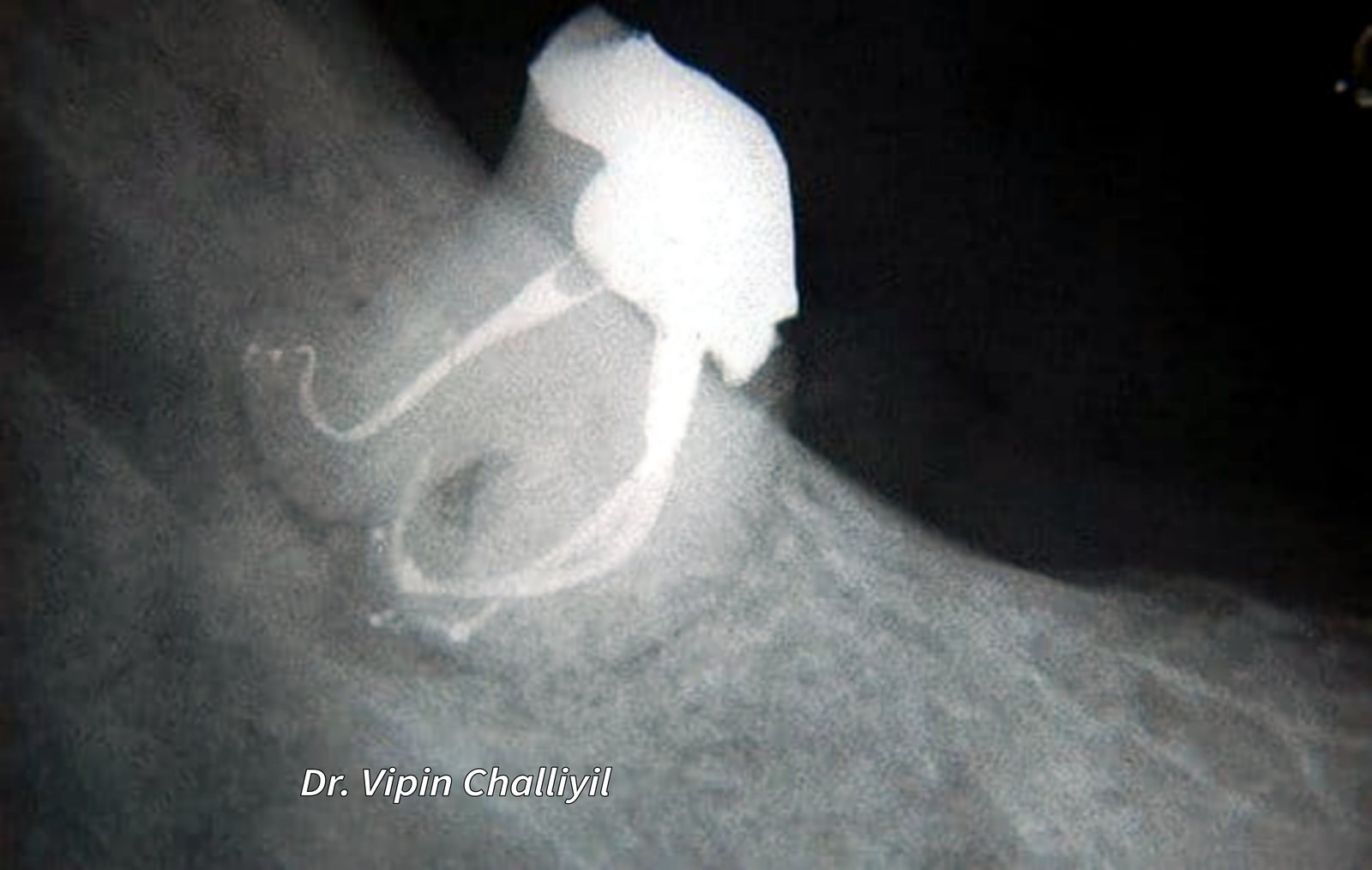
- A broken file. In very curved canals the tip of a thin file can snap inside. Often it can be removed or bypassed, and the patient is always told.
- A root crack. Sometimes a crack noticed during or after treatment changes the future of the tooth.
- Leakage from above. If the permanent filling or crown is delayed, bacteria can get back in.
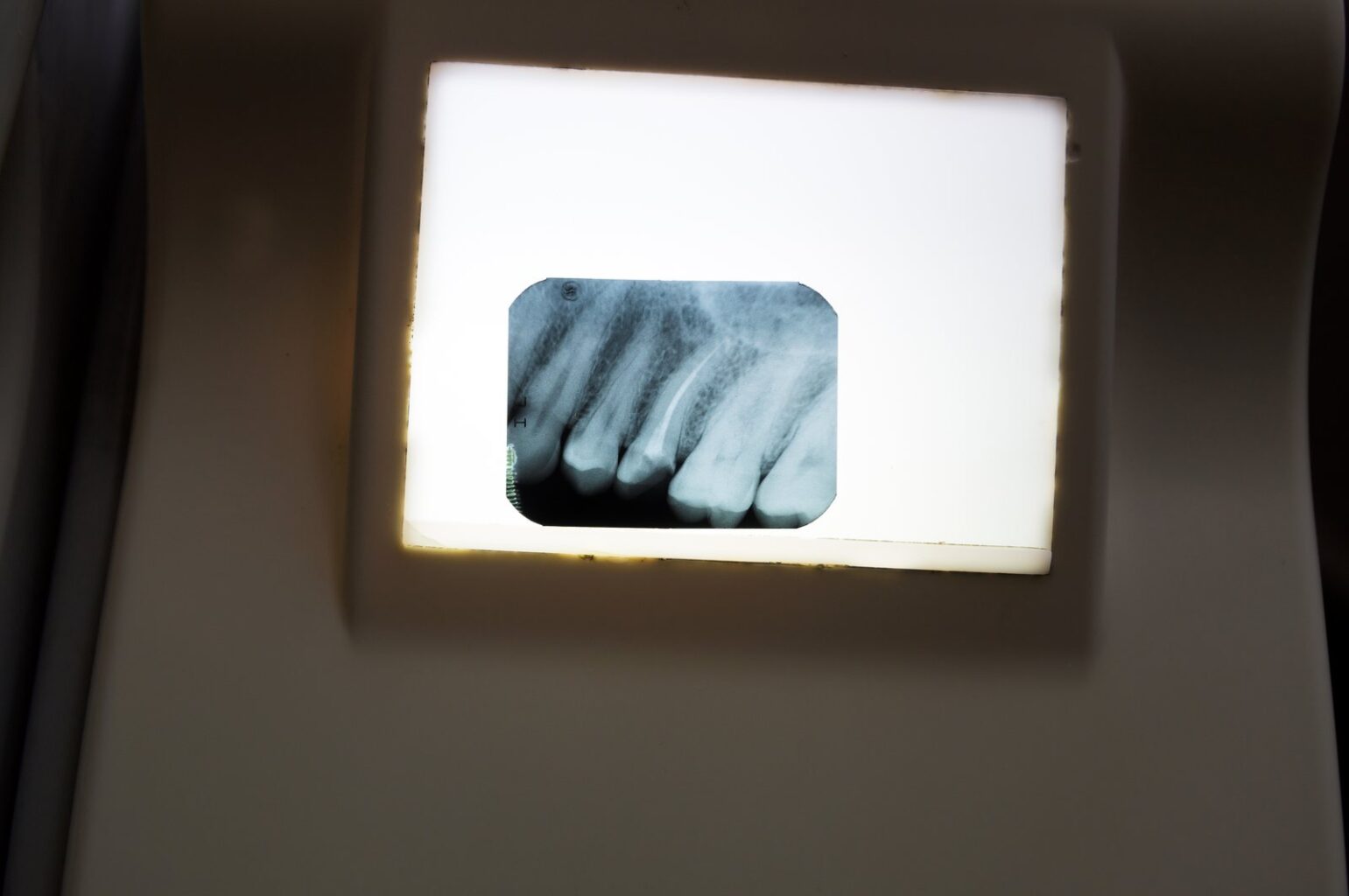
If a new area of infection shows on the x-ray at the tip of a root that was filled years ago, the old filling is usually removed and the canals are cleaned again. We call this root canal retreatment. It takes a little longer than the first treatment and sometimes does not fit into one visit. When the infection at the root tip is stubborn, a small surgical procedure (apicectomy) is one of the options.
What does the cost of a root canal depend on?
This is the second most common question on the phone. We do not write a figure here. Health advertising regulations do not allow it, and a number given without seeing the tooth tells you nothing anyway.
What we can say openly is what changes the cost. How many canals the tooth has, how curved or calcified they are, whether it is a first treatment or a retreatment, and how many visits are needed. Is a 3D scan required? Will the tooth get a filling or a crown after the root canal? Each of these affects both the time and the final cost.
You can probably see now why a molar takes longer than a front tooth. Three or four canals, each measured separately, each cleaned separately. If you send us your x-ray, we can talk through in advance which items apply to your tooth.

Which of our Istanbul clinics can you visit?
If you stay on the European side, our Haliç clinic is closer. On the Asian side, especially around Kartal, Pendik and Tuzla, our Pendik clinic will be nearer. When you call in the morning after a night of pain, we try to find a slot where you can be seen the same day. We say that as the way we work, not as a promise. On busy days you may have to wait a little.
If you have missing teeth, or a tooth that cannot be saved and will have to come out, we can also talk about dental implant treatment options at the same appointment.
Frequently asked questions
Does a root canal hurt?
In a well numbed tooth you generally feel nothing apart from pressure and vibration during the procedure. In badly inflamed teeth the numbness can be slow to arrive, and extra anaesthetic is given. A mild ache can appear in the days after the treatment.
How long does a root canal take?
Front teeth often need only one visit. Molars, and teeth with an abscess at the root tip, may need two or three visits. The exact number becomes clear after the examination and x-ray.
When can I eat after a root canal?
You need to wait until the numbness has gone, about 2-3 hours. If there is a temporary filling, do not bite anything hard on the treated side. The tooth has to be protected until the permanent filling or crown is placed.
How many days does the pain last after treatment?
Tenderness when biting usually settles within 2-3 days. If the pain gets worse each day or swelling appears in the face, you should call the clinic.
Does a tooth need a crown after a root canal?
Molars and premolars have lost a lot of structure, so a crown or a filling that covers the edges is usually recommended. In front teeth with little loss, a tooth-coloured filling may be enough. The decision is based on the sound walls that remain.
Can a root canal be done during pregnancy?
If there is pain and infection, the second trimester is generally considered the more suitable time. Necessary x-rays are taken with a protective apron, and the anaesthetic is chosen in agreement with your obstetrician. In an emergency, waiting can be riskier than the spread of infection.
What should I do if a temporary filling falls out?
Call the clinic and book a short appointment to have it closed again. Saliva and bacteria can get into an open canal, and that may mean repeating the treatment.
Why does a tooth change colour after a root canal?
Tissue remnants left inside a tooth that has lost its blood supply, and some materials, can turn it grey over time. In front teeth this colour change can be corrected with internal whitening or a crown.
Would it be better to just pull the tooth?
Extracting a tooth that could be saved lets the neighbouring teeth drift and may lead to an implant or bridge later. If there is a vertical root fracture or advanced bone loss, extraction may be the better option.
How many x-rays are taken during a root canal?
Usually a few small periapical films, before treatment, during the canal length measurement and after the filling. The dose of these films is very low, and a 3D scan may be requested when it is needed.
Our Monday morning patient did give up the idea of extraction in the end. At the door he stopped and asked, "Doctor, will I be able to sleep tonight?" We told him he would. He did not forget to come to his last appointment either, which was the part that mattered most.
If your tooth is throbbing, or another clinic has suggested a root canal, send us your x-ray and we will look at it together with our dentist. Contact page