Early May, a Tuesday afternoon on the Golden Horn. The man across from me was sixty-eight. Thirty-one years in a steel plant in Duisburg, and since retiring he'd started spending his summers back home in Turkey. He said hello, sat down, then took a folded paper tissue out of his jacket pocket. Inside it was his upper denture.
"Doctor, my granddaughter's getting married in June. I don't want to carry this thing around in my pocket again."
At the last family wedding the denture had slipped while he was eating slow-roasted lamb. He got up from the table, took it out in the washroom and didn't touch his food for the rest of the night. No dancing either, obviously. He laughed while he told me. His eyes didn't.
Most people who come to us for All-on-4 in Turkey sit down in the chair with a sentence a lot like his. Some fly in from Germany, some from the Netherlands, some just drive over from the other side of Istanbul. And the questions arrive in almost the same order every time: how many days, will it work for me, does it hurt? I'll answer them here the way I do in the surgery. Some parts are easy. Some parts take patience.
What Is All-on-4? Fixed Full Arch Teeth on Four Implants
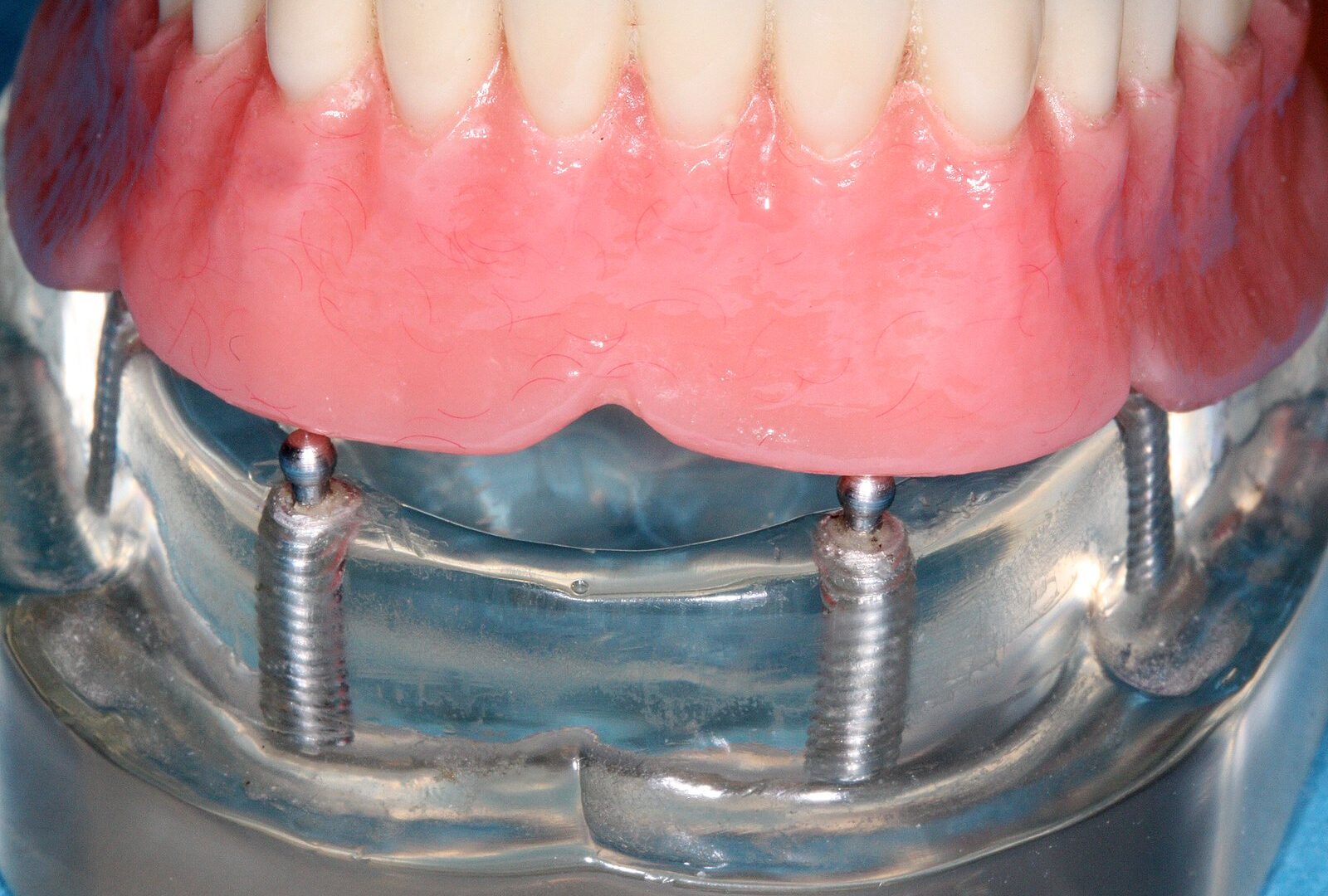
All-on-4 is a way of replacing a whole arch of teeth when you've lost all of them, or when the ones left can't be saved. Four implants go into the jaw, and a single fixed bridge carrying every tooth is screwed onto them. You don't take it out. It doesn't go in a glass at night. At check-ups the dentist unscrews it, cleans it and puts it back.
The clever bit is the angle of the two back implants. The front two go in straight, the back two are tilted. Why? In the upper jaw there's the sinus sitting just behind, and in the lower jaw there's the canal of the nerve that gives feeling to your lip and chin. When teeth have been missing for years, the bone in those areas shrinks too. A tilted implant borrows support from the denser bone further forward and slips past those obstacles, which in many patients means less need for a bone graft. Less, I said. Not none.
Losing all your teeth is more common than people think. According to the World Health Organization's oral health fact sheet, updated in March 2025, the global estimate for complete tooth loss is almost 7 percent of adults over 20, and 23 percent of people over 60. So nearly one in four people past sixty doesn't have a single natural tooth left. Most of them get by with removable dentures. Let me be honest: a well-made removable denture is still a perfectly sensible answer for plenty of people. But if your lower denture never sits right, if the plate over your palate steals the taste of your food, if you catch yourself covering your mouth when you laugh, that's a different story.
All-on-4 in Turkey: How Many Days Does It Take?
Short answer: two visits for most patients. The first one is 5-7 days, the second one 3-6 months later, again 5-7 days. The long answer is in the table below. Treat it as an average, not your personal calendar. Your CT scan decides the real timeline.
| Stage | What happens | Typical time |
|---|---|---|
| Remote assessment | We look at your panoramic X-ray, photos and list of medications | 1-3 weeks before you travel |
| Visit 1, day one | Examination, CT scan, blood tests if needed, written treatment plan | 1 day |
| Visit 1, surgery | Any necessary extractions and placing the implants | Usually 2-3 hours per jaw |
| Visit 1, temporary teeth | Impressions, fitting the temporary fixed bridge, check-up | 1-3 days after surgery |
| Healing period | Soft diet, remote follow-up | 3-6 months, longer after a bone graft |
| Visit 2 | Impressions, try-in, fitting the final bridge | 5-7 days |
| Afterwards | Check-ups and professional cleaning | Every 3-6 months in the first year |
You don't fly home without teeth after the first visit. If the bone allows it and the implants are firmly anchored the moment they go in, temporary fixed teeth are fitted within a few days. Dentists call this "immediate loading". And I'll say this up front, because the brochures tend to leave it out: if the anchorage we measure while placing the implants isn't high enough, we don't fit fixed temporaries. You spend that period with a temporary removable denture that puts no load on the implants. It doesn't happen often, but it does happen, and it should be discussed on day one.
Why wait 3-6 months for the second visit? Because the implant needs time to fuse with the bone. The lower jaw is usually quicker, the upper jaw a bit slower. If you've had a bone graft or a sinus lift, it can take longer.
Who Is a Candidate for All-on-4, and Who Isn't?
The typical candidate looks like this: an adult who has lost all their teeth, or whose remaining teeth can't be saved because of advanced gum disease, fractures or extensive decay, who's fed up with a removable denture and wants fixed teeth. Age on its own isn't a reason to say no. We've treated patients well past eighty whose blood pressure and blood results were fine.
What really matters is the bone and your general health. A panoramic X-ray gives us the first impression.
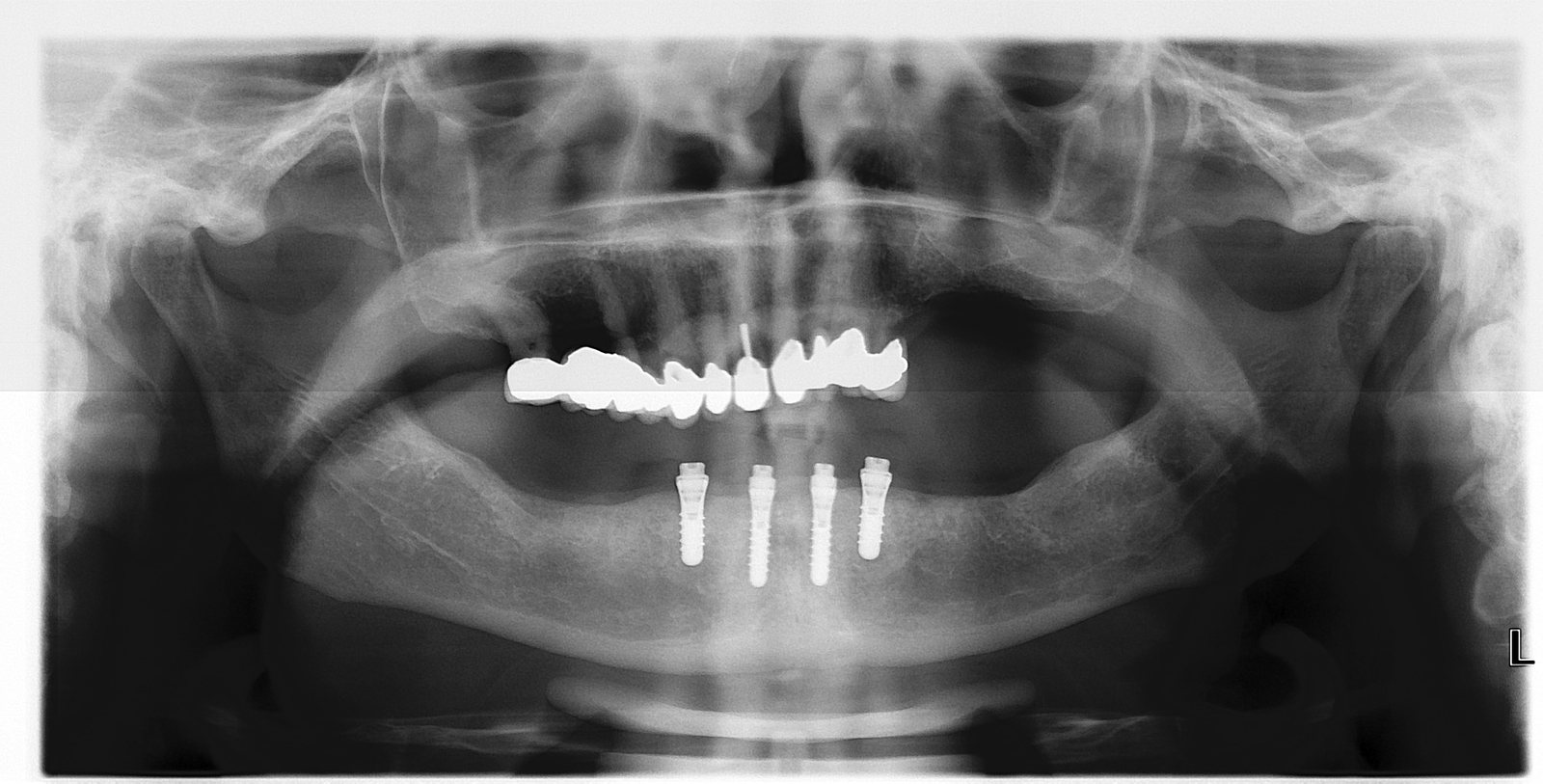
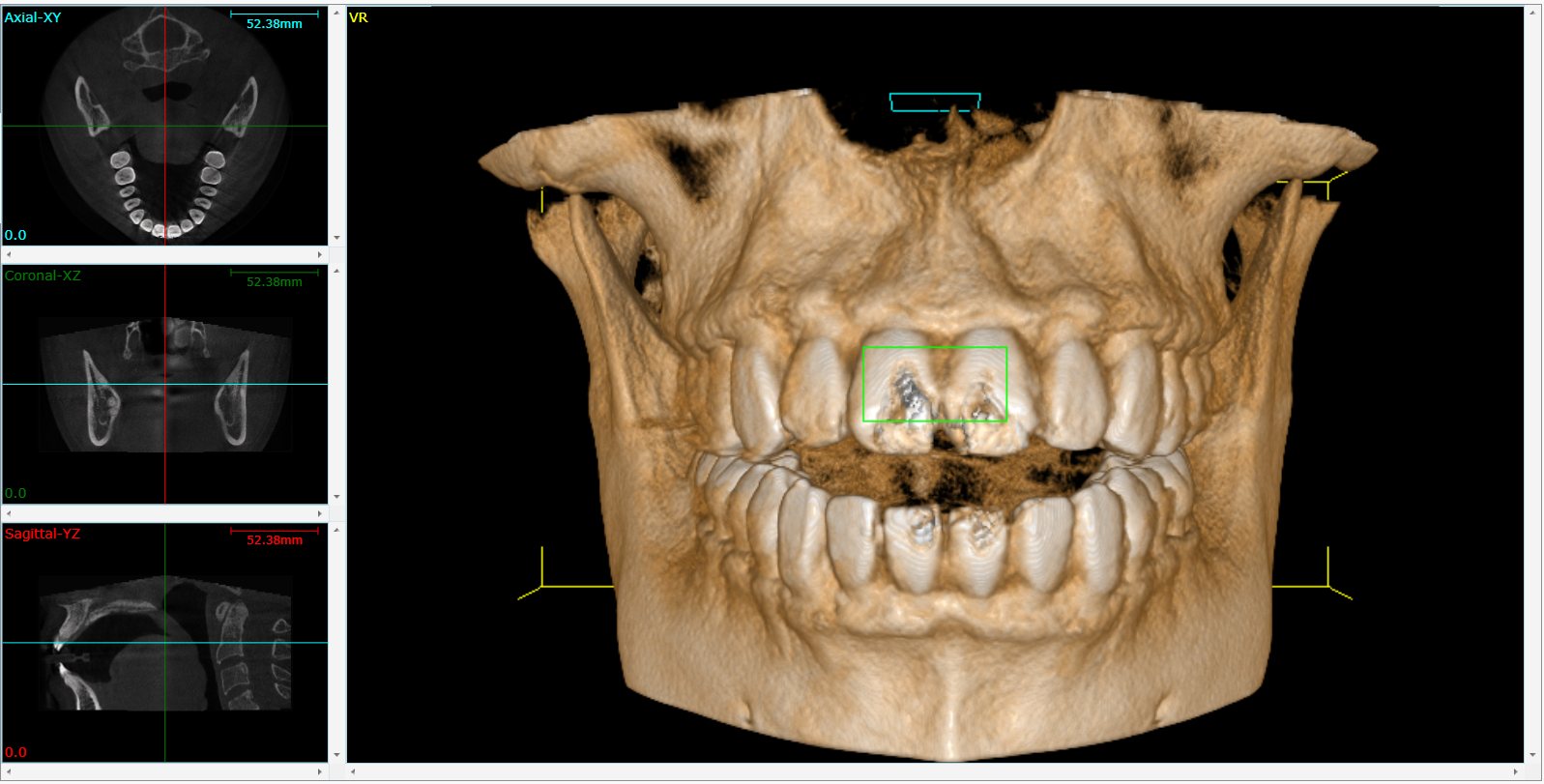
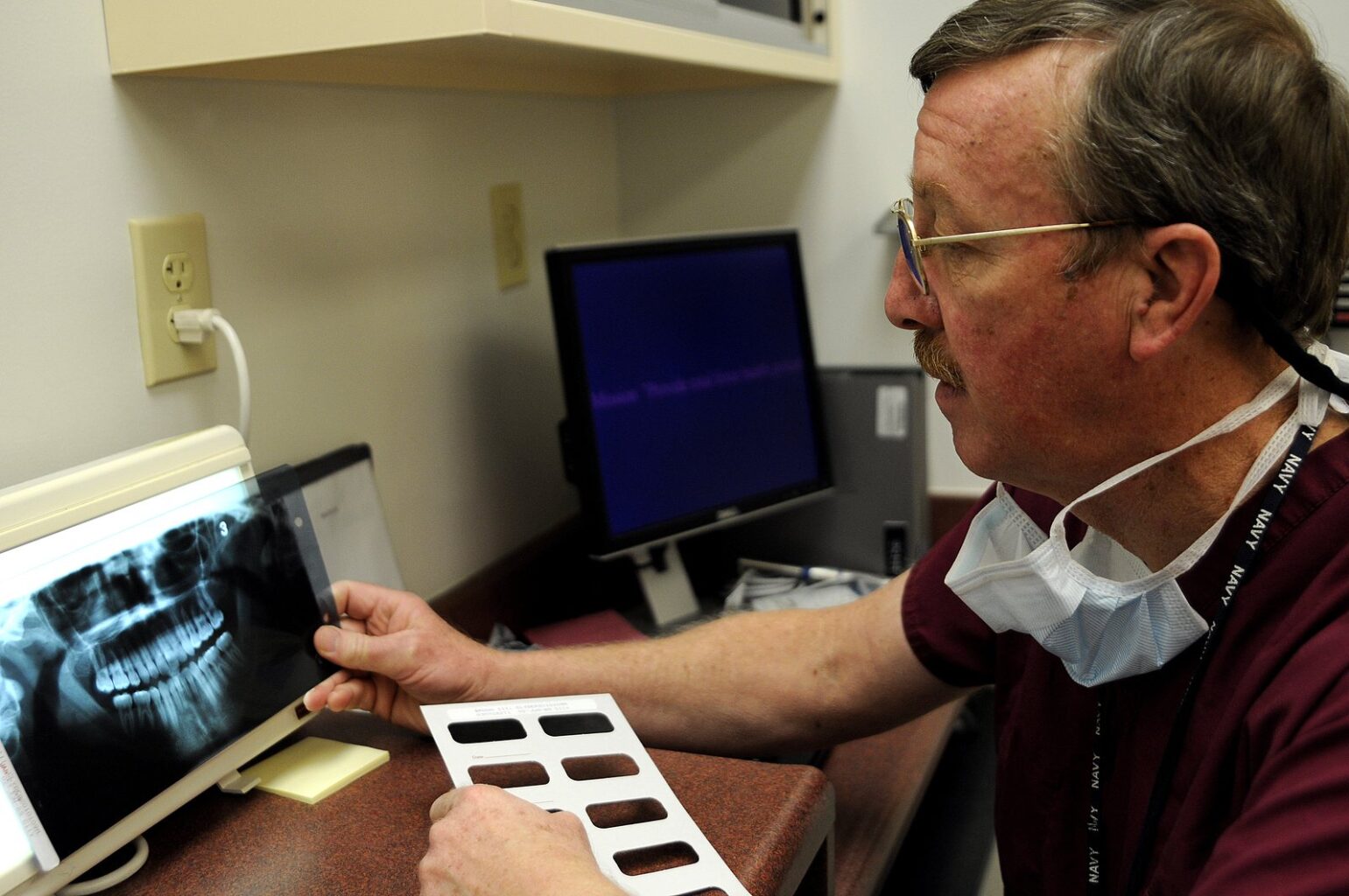
The decision comes from the cone beam CT. It shows the height and width of the bone and the exact position of the sinus and the nerve canal, millimetre by millimetre, and we plan the angle and length of every implant on that image.
There are also situations where we need to tread more carefully:
- Uncontrolled diabetes. If your blood sugar is well managed, implants are possible; we check your HbA1c and, if needed, talk to your GP or physician first.
- Heavy smoking. It slows healing and raises the risk of inflammation around the implants. I'll ask you to stop for at least a few weeks before and after surgery.
- Intravenous drugs for osteoporosis, or a history of radiotherapy to the head and neck. These patients carry a risk of a serious jawbone complication, so planning is done very carefully, and sometimes the answer is no.
- Blood thinners, heart valve disease, ongoing chemotherapy. We make the call together with the doctor who looks after you.
People sometimes ask, "Doctor, if I tell you all of that, will you cancel the surgery?" No. The trouble starts when you don't tell us. Take photos of your medicine boxes and send them over. That's all we need.
All-on-4 vs All-on-6: Which One Do You Need?
This one usually comes up about two minutes into the consultation, often with a line someone picked up on a forum: "Wouldn't six implants be stronger?"
Not always. With All-on-6, six implants go into the jaw, so the bridge is supported at more points and the chewing force spreads over a wider area. But that needs enough bone. Without it, fitting six implants may mean a graft or a sinus lift first, which can add months to the treatment. Four implants, thanks to the tilted back ones, can more often make do with the bone you already have.
Roughly, here's how we think about it. The front of the lower jaw tends to have denser bone, and four implants are enough for many patients. Upper jaw bone is spongier, so when there's room we choose five or six implants there more often. For people who grind at night, chew hard or are simply big and strong, adding implants can make sense too. And where the upper jaw bone has shrunk very badly, zygomatic implants anchored in the cheekbone come into the picture, which is a separate and much bigger operation.
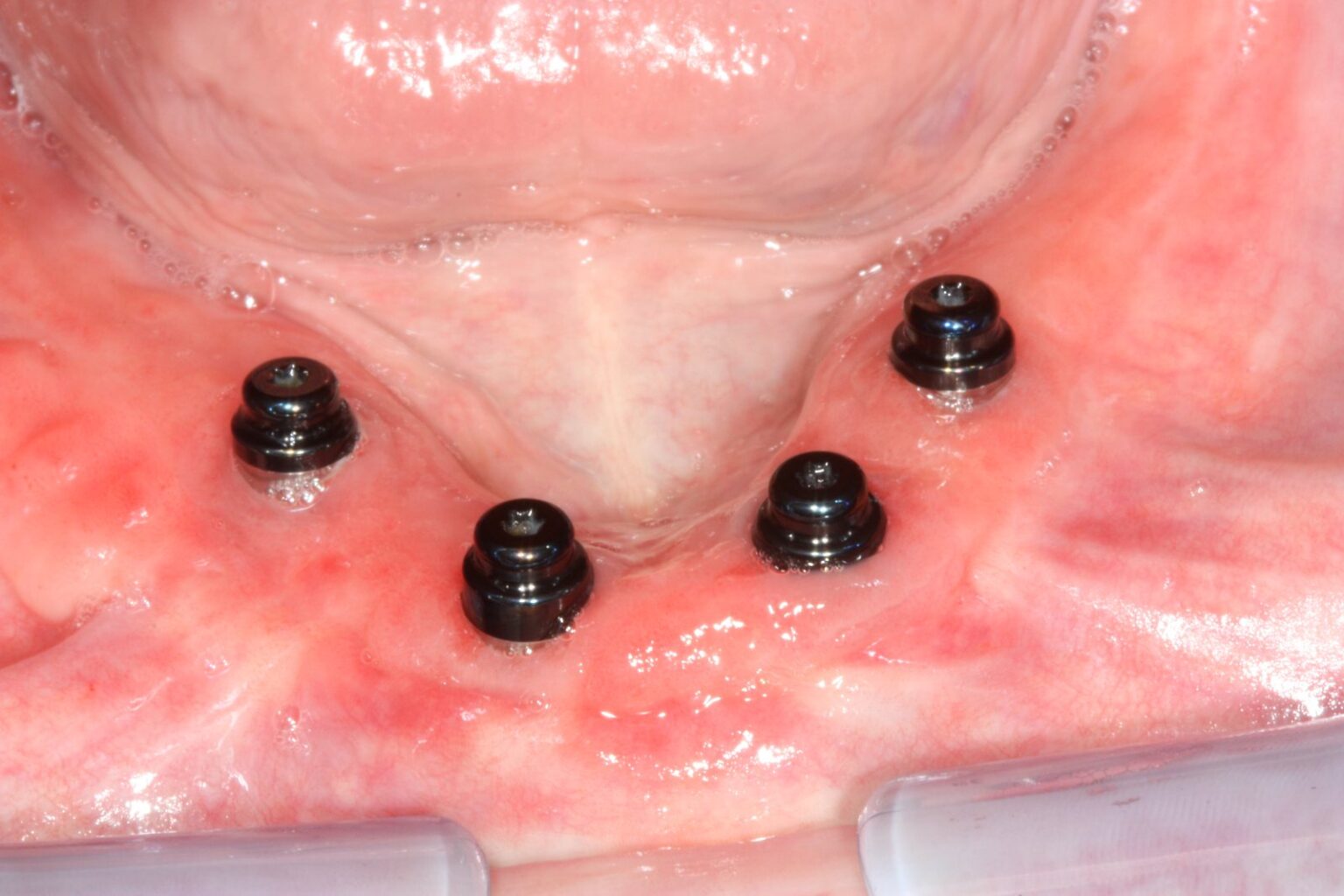
So the answer to "which is better" is written in your CT scan, not on a forum. At the first appointment we lay both options on the table, plus a third if there is one, along with the reasons. If you're curious about single implants, have a look at our dental implant treatment page.
Dentures, Implant Overdentures or All-on-4?
When you've lost all your teeth there are really three routes, and most patients have never heard of the middle one.
The first is the classic removable denture. No implants, no surgery. The upper one holds on to the palate by suction, while the lower one mostly "balances" between your tongue and cheeks. As the bone shrinks it gets looser and you need more and more adhesive. We go through the options on our removable and fixed dentures page.
The second is an implant overdenture. Two to four implants go into the jaw and the denture clips onto them with press-stud style attachments. You still take it out at night to clean it, but it doesn't move when you eat. Especially in the lower jaw, it's a sensible middle road for people who want fewer implants and a smaller operation.
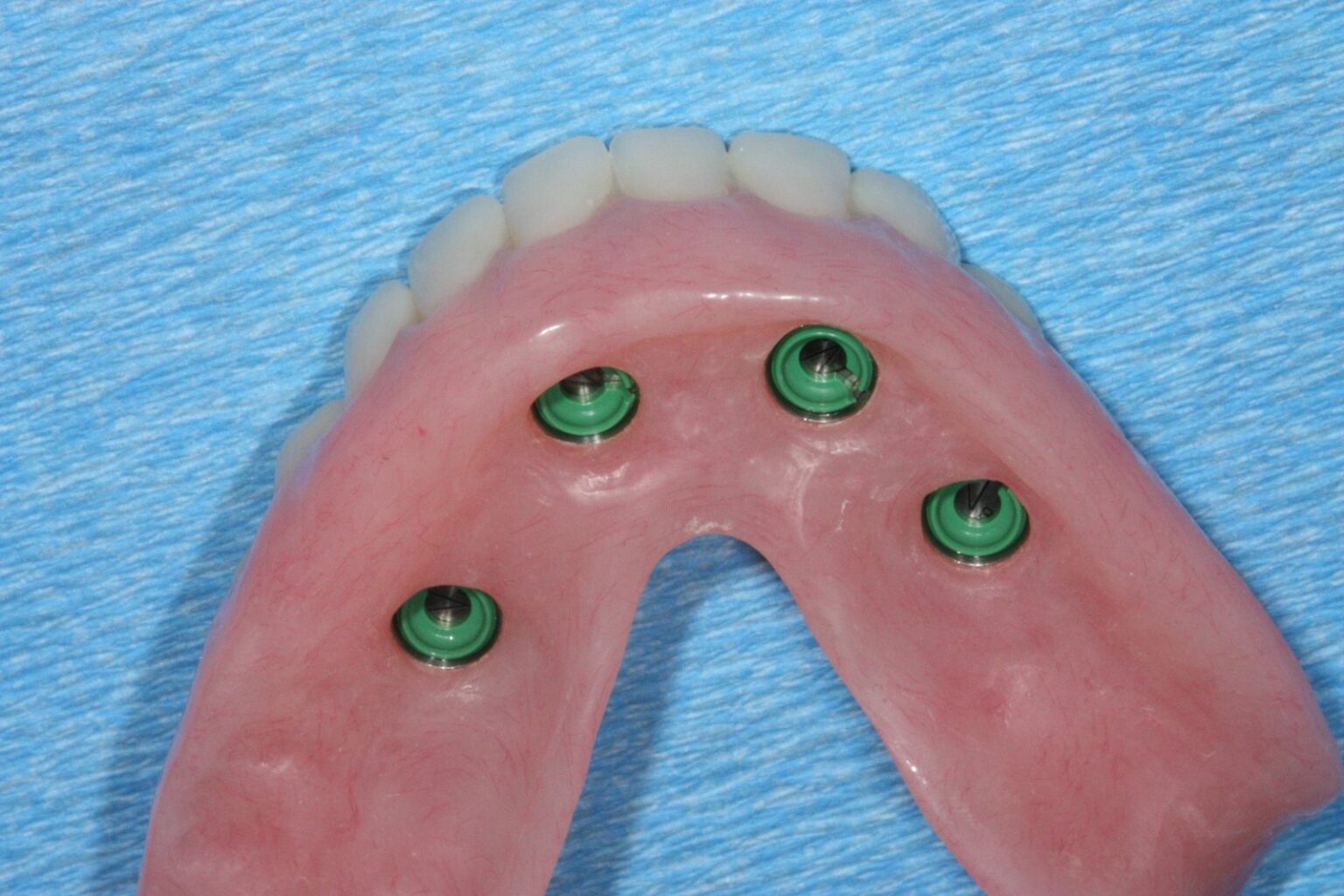
The third is a fixed full arch bridge like All-on-4. You don't take it out, your palate stays uncovered, and taste and speech come as close to natural teeth as they're going to get. In return you need a bigger operation, more thorough cleaning and check-ups you don't skip. If you're only missing a few teeth, that's a completely different question; we covered it in our implant or bridge article.
I explained all three to our man from Duisburg at the first appointment. An overdenture in the lower jaw would have been a reasonable choice too. He listened, thought about it, then poked the tissue on the desk with one finger: "I'm never carrying this in my pocket again." Decision made.
How Is All-on-4 Done? The Process Step by Step
Before you travel
For patients from abroad it usually starts with a WhatsApp message. A panoramic X-ray taken within the last year, a few photos in daylight, a list of the medicines you take. From those the dentist can tell you roughly whether All-on-4 is likely and how many days to set aside. The final plan still comes after the examination. My tip: book a return flight you can push back by a day. CT scans sometimes hold surprises.
Day one: examination, CT scan, tests
Examination, CT scan, blood tests if they're needed. Then we talk about looks: tooth shade and length, the proportions of your face, how much gum shows when you smile. We plan how the bridge will look on day one, not as an afterthought. By the end of the day you have a written treatment plan in your hand: how many implants, which teeth come out, what the temporary and final bridges will be made of, and how many days the whole thing takes.
Surgery day
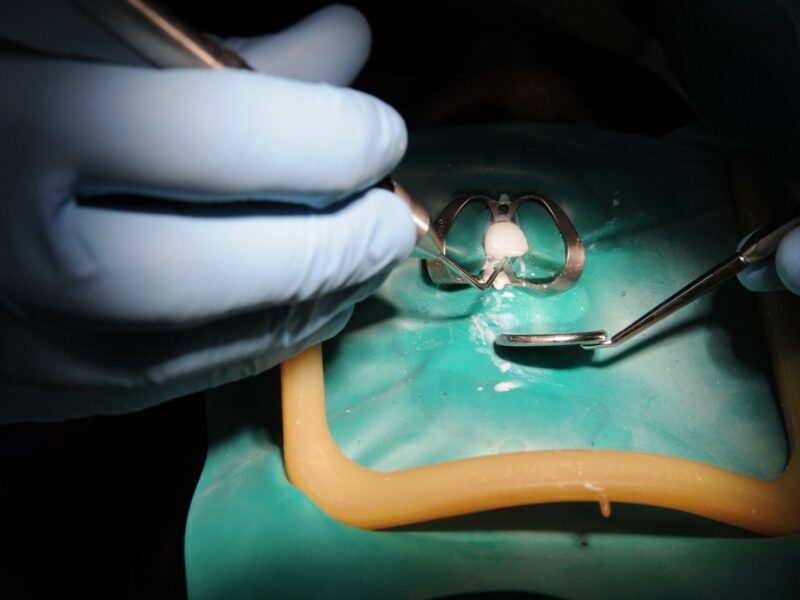
Any teeth that can't be saved come out in the same session, infected tissue is cleaned away and the implants go in. It's all done under local anaesthetic; for anxious patients we can also talk about sedation with an anaesthetist present. One jaw usually takes 2-3 hours, both jaws together take longer. You walk out of the clinic on your own two feet and have your soup at the hotel that evening.
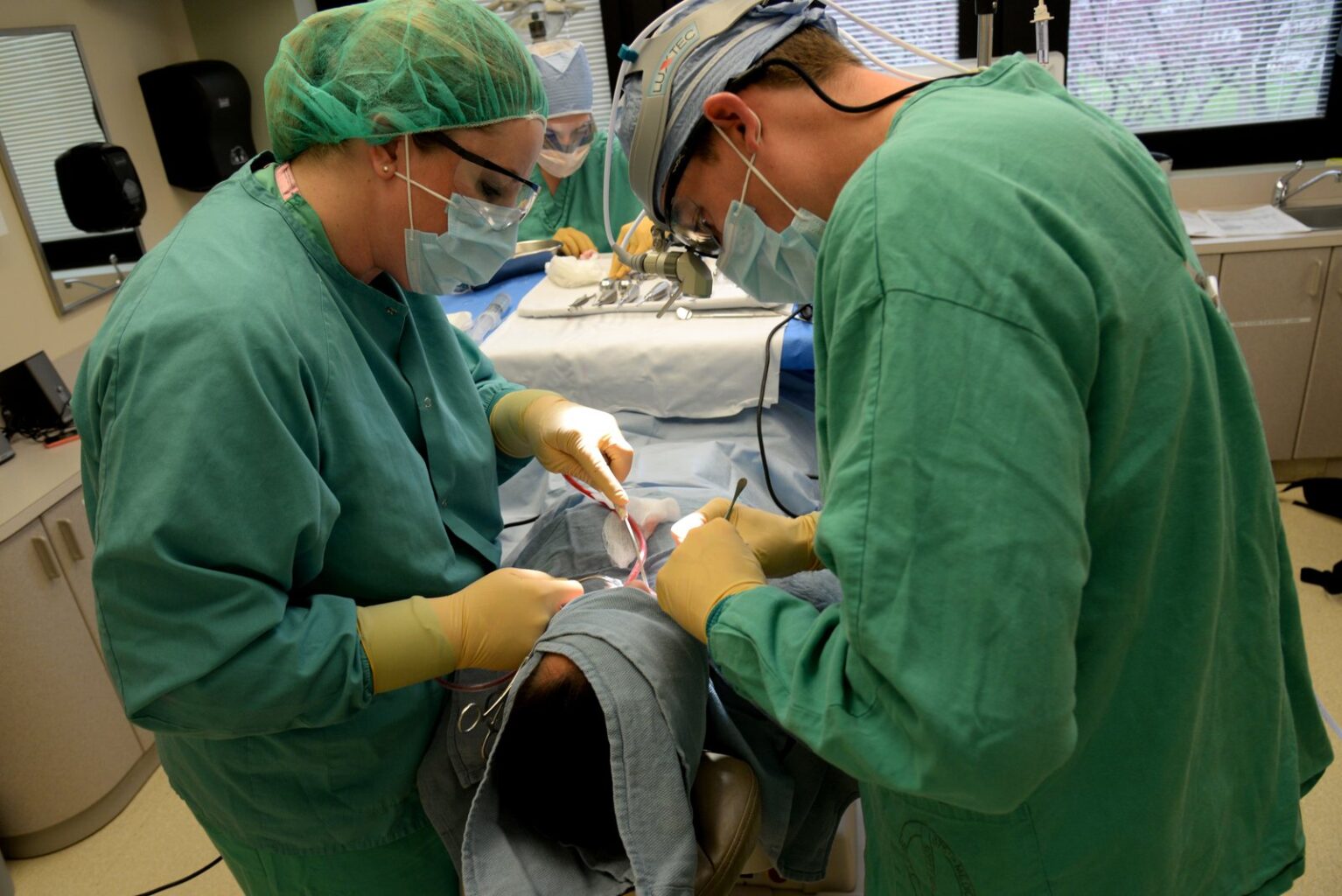
Temporary fixed teeth
Within 1-3 days of surgery we take impressions and screw a temporary bridge onto the implants. It's usually made of acrylic or composite: light, and gentle on tissue that's still healing. It looks close to the final version, but it isn't built for hard food. Make a mental note of that. I'll come back to it.
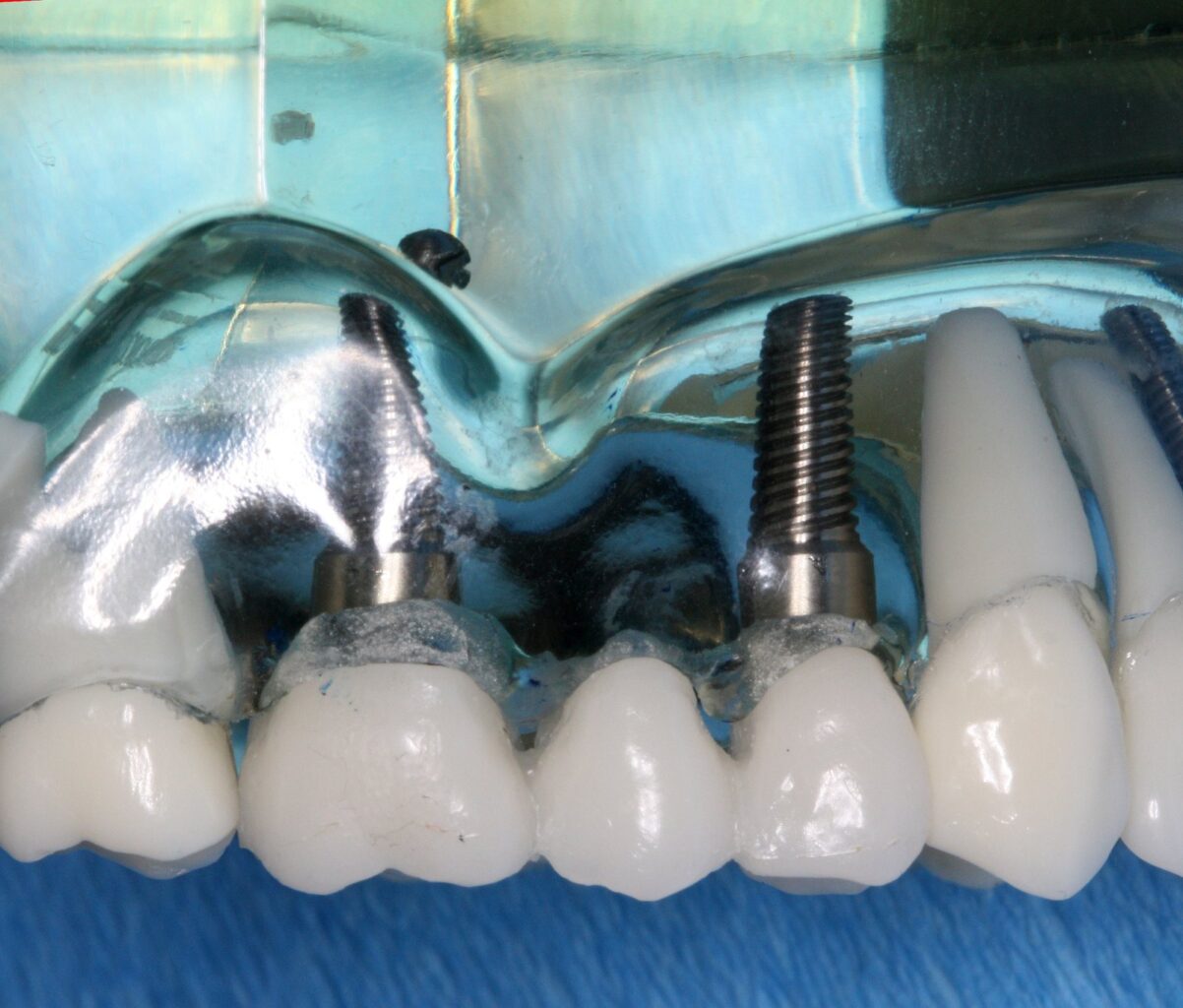
Second visit: the final bridge
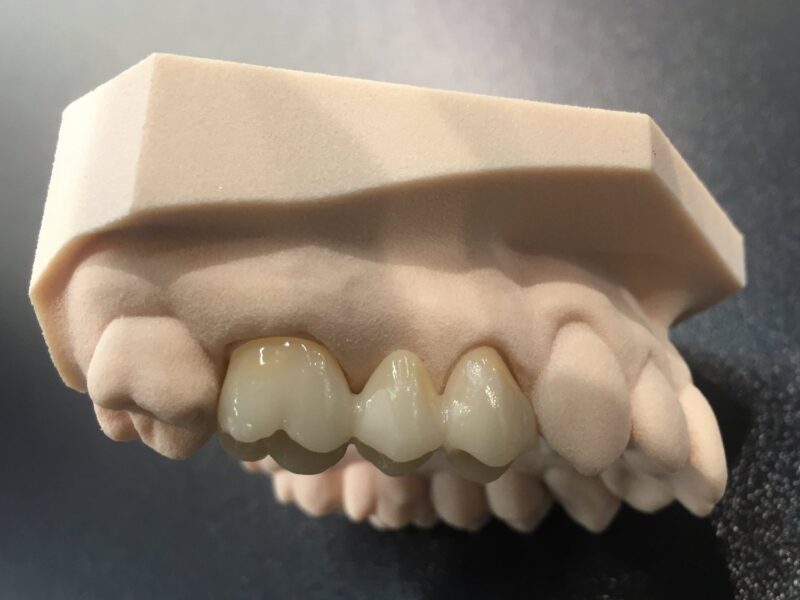
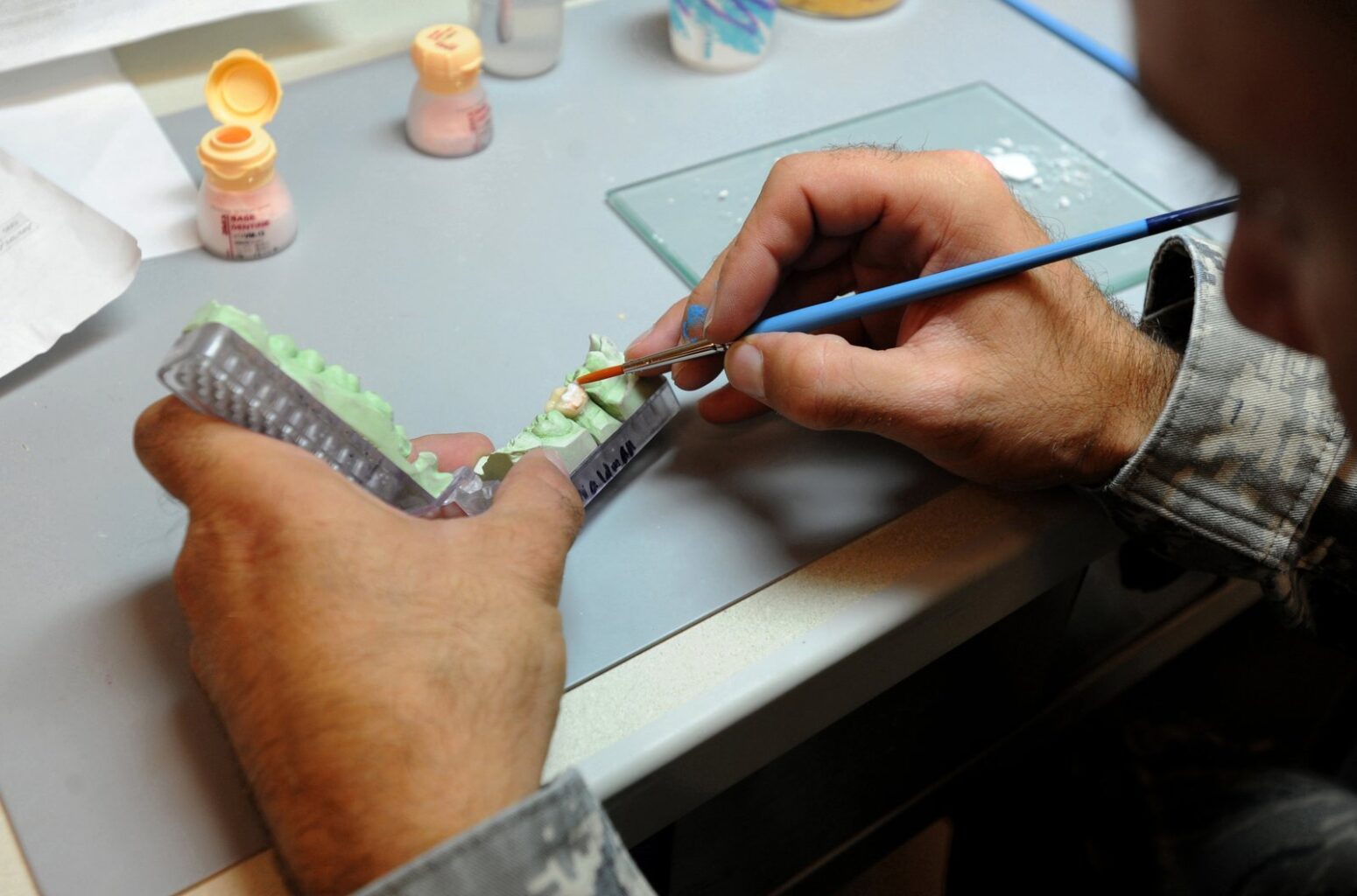
You come back 3-6 months later. The bone has fused, the gums have settled into their final shape. New impressions, a try-in with the teeth set up, a bite check. The final bridge is usually built on a metal or zirconia framework with composite, acrylic or porcelain teeth; there are also bridges milled from a single piece of zirconia. We go into the differences between materials at length in our zirconia crowns article. Which one suits you depends on your bite, whether you grind, and the teeth in the opposite jaw.
This is where having the lab in the same city really pays off. If something at the try-in doesn't feel right to you, the corrected version is on the table the next day.
Does All-on-4 Hurt? What Happens in the First Week
You won't feel pain during the operation. Numbness and some pressure, that's it. What people really want to know about is afterwards. Swelling usually peaks on the second and third day, then goes down. Some patients get a bruise on the cheek or chin; it turns yellow and fades within a week. For most people the pain stays under control with the painkillers we prescribe.
A short list for the first 48 hours: ice, a high pillow, no smoking, no straws, no hot showers and no hammam. On the first day don't swish your mouthwash around, just hold it in your mouth and let it out. We've had patients say, "But doctor, I was going to the Grand Bazaar tomorrow." Go. Just make it day three or later, and take a taxi up the hills.
Then there's talking. For the first few days with temporary teeth you might get a slight whistle on your "s" and "sh" sounds. The tongue usually gets used to the new setup within a week. Read out loud, lots. One patient practised in his hotel room with the newspaper; by day three he was arguing about football with the young guy at reception.
What Can You Eat After All-on-4?
This is the thing I nag about most, because it's where temporary bridges break. While the implants are fusing with the bone, too much force on them can disrupt that process. And the temporary bridge wasn't made for hard biting anyway.
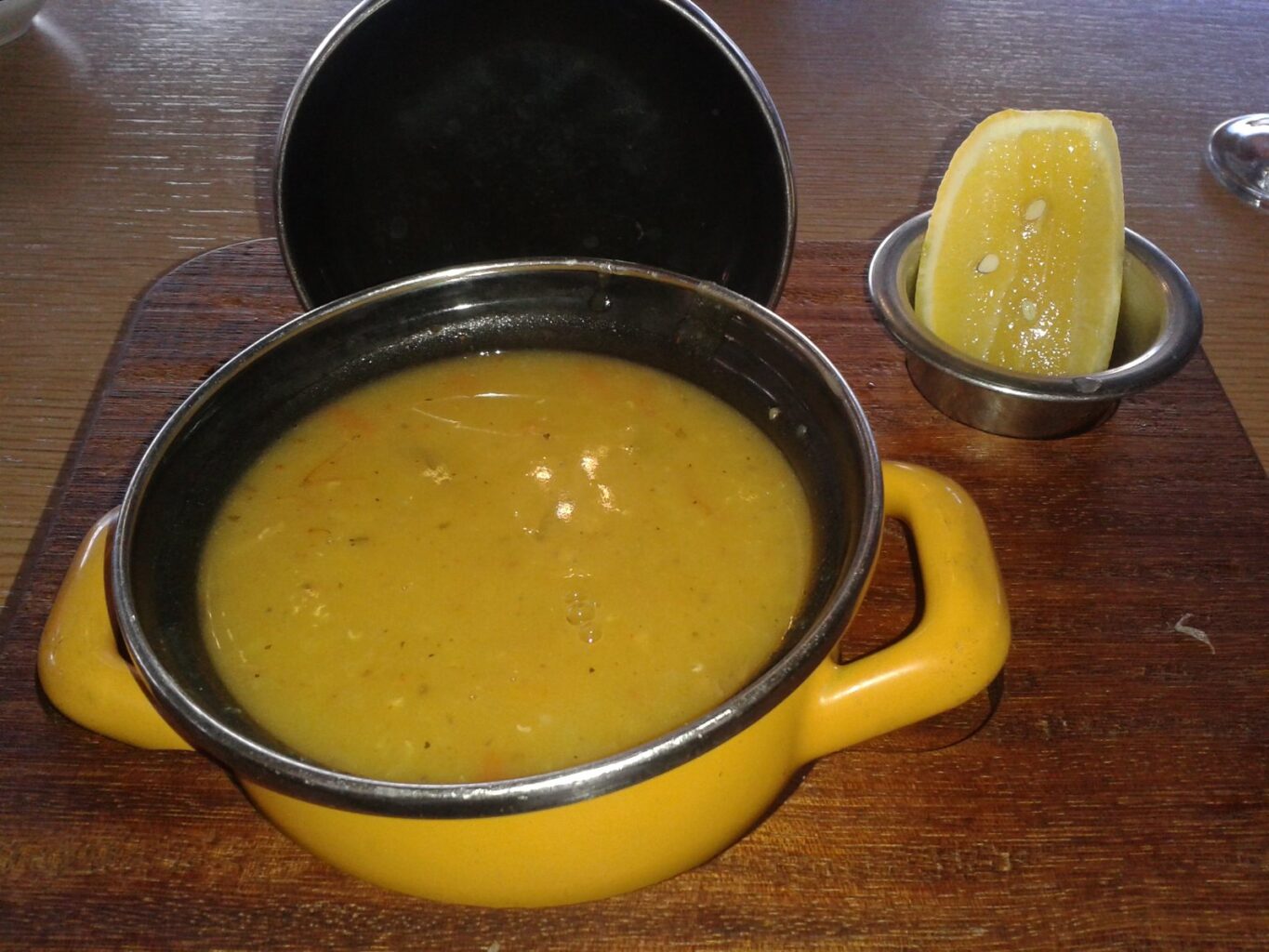
For the first two weeks, eat things you could mash with a fork: Turkish lentil soup, yayla, the warm yoghurt soup, plain yoghurt, mashed potato, milk pudding, well-cooked vegetables. Over the following weeks you can add soft meatballs, poached fish, pasta and omelettes. Until the final teeth are in, nuts, leblebi (roasted chickpeas), corn on the cob, crusty bread, simit, the sesame bread ring, apples bitten whole and meat on the bone are off the menu. If you want an apple, slice it thin. Rather than tearing food with your front teeth, chew small bites at the back.
"Not even simit?" A lot of people look genuinely sad at this. Not even simit. Don't worry, it'll still be at the same bakery, on the same counter, in three months.
Coming from Abroad: Flights, Hotels and the Months Between Visits
When can you fly after the surgery? We ask most patients to wait at least 24-48 hours. If you've had a sinus lift, cabin pressure pushes that to a week, sometimes longer. My practical advice: allow 6-7 days in total for the first visit, and book your flight home for a day after the temporary teeth are in and have been checked.
When you pick a hotel, being close to the clinic matters more than luxury. Nobody wants to sit in Istanbul traffic for an hour in those first days. Our Golden Horn clinic is in Hasköy, right in the middle of the European side; our Pendik clinic is on the Asian side, close to Sabiha Gökçen Airport. Depending on which airport you land at, we can work out together which one is more practical.

In the months between visits you're back home. We follow you remotely with photos and messages: one check in the first week, one in the first month and one before the final bridge. If a screw on the temporary bridge works loose or a small piece chips off, there's no need to panic. Take a photo and message us. If you need help from a local dentist, we can share your CT scan and implant details digitally.
We've written about how health tourism works in general, clinic authorisation certificates and what to ask before you come in our guide to dental treatment and health tourism in Turkey. If you can, add an extra day to your second visit. That first glass of tea by the water with your new teeth is the moment patients send us the most photos of.

Cleaning and Caring for an All-on-4 Bridge
A fixed bridge can't get cavities, but food and plaque build up underneath it. If the gum around an implant gets inflamed (we call it peri-implantitis), bone loss can start. It's basically the implant version of gum disease around natural teeth. Bleeding gums are the first warning here too.
The daily routine isn't long, but it's not optional either. Morning and evening, a soft or electric brush on the outer surfaces of the bridge and along the line where it meets the gum. A water flosser for underneath: you aim the jet into the gap between gum and bridge. Then a special floss with a stiffened end, or an interdental brush, threaded under the bridge and wiped around each implant. In the first week you'll be clumsy at it. By the second week it takes you two minutes.
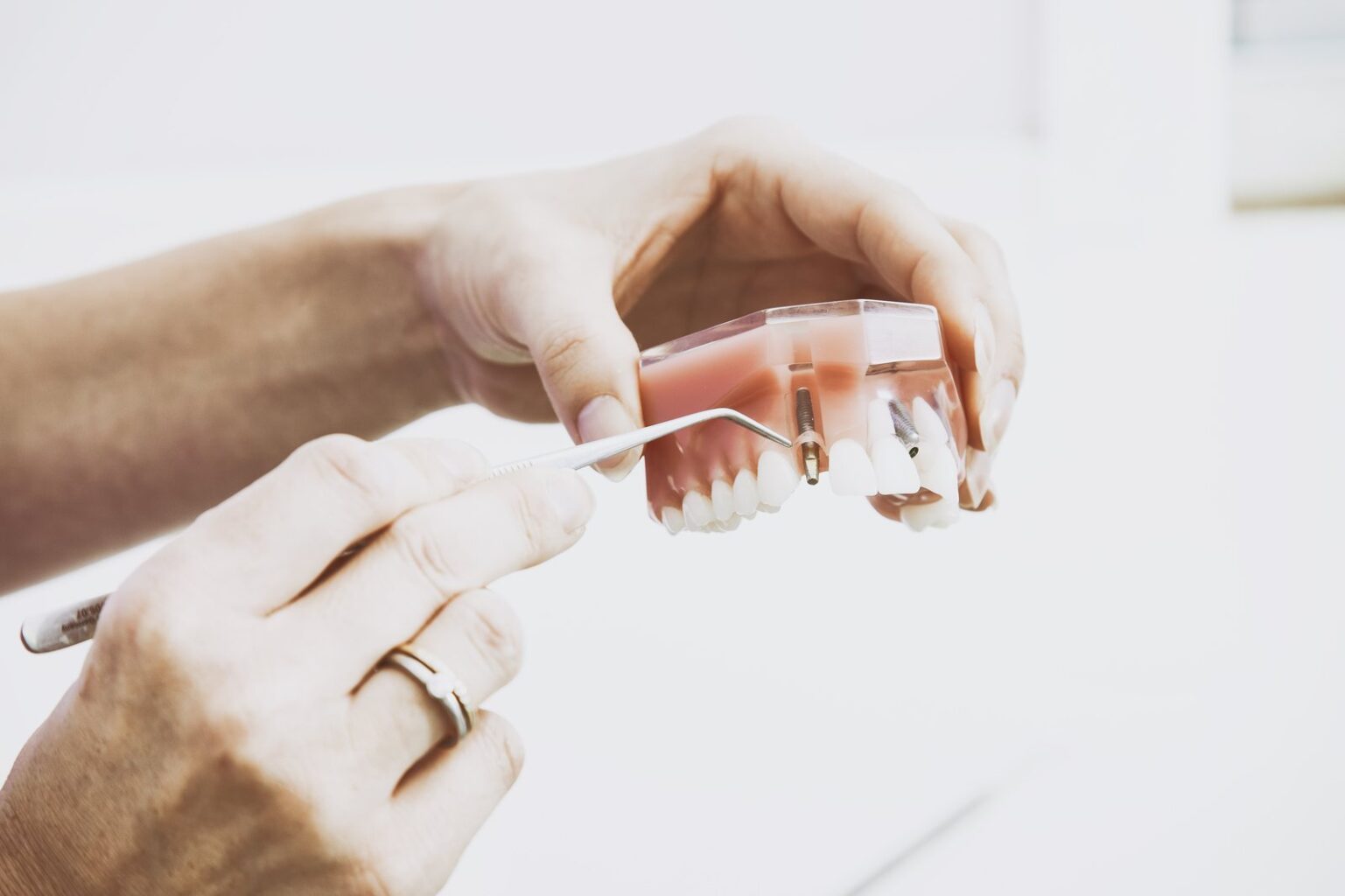
In the first year, check-ups are usually every three to six months. When needed, the dentist unscrews the bridge, cleans underneath it and around the implants, checks the screws and puts it back. If you grind your teeth at night, tell us. A night guard made to fit over the final bridge protects both the bridge and the implants.
How Long Does All-on-4 Last?
If someone gives you an exact number of years, be a little suspicious. A mouth gets used, and everyone uses theirs differently. What I can tell you is this: the things that matter most for implants staying put for many years are careful planning and surgery, your daily cleaning, smoking, and whether you turn up for your check-ups. The teeth on the final bridge can wear over time; acrylic or composite teeth can be renewed over the years, screws can be retightened, small repairs may be needed. None of that is a breakdown. It's part of the maintenance.
One patient compared it to a car: "If the engine's sound and you change the oil on time, it won't leave you stranded." Technically it's got a few holes in it. The spirit is spot on.
All-on-4 Cost in Turkey: Why We Don't Quote Prices
If you got here by typing "all on 4 cost turkey", I'm about to disappoint you a little. The Turkish regulation on how healthcare providers advertise bans clinic websites from publishing prices, discounts or package deals. The second reason is more practical: how many implants you need, whether you need a graft, how many teeth have to come out and what the final bridge will be made of are all unknown until we've seen a CT scan. A figure given without an exam changes on day one. The actual fee is given to you in writing with your treatment plan, after the examination and CT scan.
Back to our man from Duisburg. In the second week of May, four implants went into each jaw, and on the third day his temporary teeth went in. Soup, yoghurt and meatballs until the wedding. Slow-roasted lamb is soft, so that one I allowed.
On the last Saturday night of June, at around eleven, a photo popped up on WhatsApp. A wedding table with a white cloth, a plate of slow-roasted lamb in front of it. Underneath, a few words: "Pocket's empty, doctor." He came back in October for his final teeth. He brought the video of the dancing, too.
If you're standing at the edge of a similar decision, send us your panoramic X-ray and a few photos via WhatsApp or through our contact page. Our dentists will look at them and tell you in writing whether All-on-4 is likely to suit you, and how many days and visits it would take. The overview of the treatment is on our All-on-4 implants page, and the implant itself is explained in what a dental implant is and how it's placed.
Frequently Asked Questions
How many days do I need in Turkey for All-on-4?
Most patients need two visits. The first takes 5-7 days and covers the examination, CT scan, implant surgery and temporary fixed teeth. The second visit, for the final bridge, follows 3-6 months later and again takes 5-7 days. If you need a bone graft or sinus lift, the gap between visits can be longer; the exact timeline is set after the CT scan.
Can I get teeth on the same day with All-on-4?
If the bone is suitable and the implants are firmly anchored the moment they go in, temporary fixed teeth screwed onto the implants can be fitted within 1-3 days of surgery. If the anchorage isn't strong enough, the implants are not loaded and you spend the healing period with a temporary removable denture. That decision is made during surgery.
Is All-on-4 or All-on-6 better?
There's no single right answer. All-on-6 supports the bridge on more implants but needs more bone; if bone is lacking, a graft or sinus lift can make treatment longer. All-on-4 uses existing bone more efficiently thanks to the tilted back implants. The choice depends on how much bone you have, which jaw it is, your chewing force and whether you grind your teeth.
Does All-on-4 surgery hurt?
The procedure is done under local anaesthetic, so you don't feel pain during surgery; sedation with an anaesthetist can be arranged if you'd like it. Afterwards, swelling usually peaks on the second and third day and then goes down. For most patients the pain stays under control with the painkillers the dentist recommends.
When can I eat normally after All-on-4?
For the first two weeks, stick to food you can mash with a fork, such as soup, yoghurt and purée, then add soft meatballs, fish and pasta. Until the final bridge is fitted, usually for 3-6 months, avoid hard foods like nuts, crusty bread, simit, whole apples and meat on the bone.
Can I have All-on-4 if I have bone loss?
Often, yes. In All-on-4 the back implants are tilted to take support from the denser bone at the front, which reduces the need for a bone graft in many patients. If bone loss is very advanced, options such as a graft, a sinus lift or, in the upper jaw, zygomatic implants are considered. The decision is based on the CT scan.
Can people with diabetes get All-on-4?
Yes, if blood sugar is well controlled. Your HbA1c is checked before planning and, if needed, the decision is made together with your physician. Uncontrolled diabetes slows healing and raises the risk of infection, so in that case getting blood sugar stable comes first.
Is an All-on-4 bridge removable, and how do I clean it?
No, an All-on-4 bridge is screwed onto the implants and you can't take it out yourself. Daily cleaning is done with a soft or electric toothbrush, a water flosser and special floss or an interdental brush threaded under the bridge. At check-ups the dentist can unscrew it when needed to clean underneath and around the implants.
How many times do I have to travel to Turkey for All-on-4?
Usually twice. On the first visit the implants are placed and temporary fixed teeth are fitted; on the second visit, 3-6 months later, the final bridge is made. In between, follow-up continues remotely by photo and message. Sending a panoramic X-ray and photos before you come lets you see in advance how many days to set aside.
How soon can I fly after All-on-4?
After implant surgery most patients are advised to wait at least 24-48 hours. If you've had a sinus lift, cabin pressure can push that to a week or longer. In practice it works well to allow 6-7 days for the first visit and plan your flight home for after the temporary teeth are fitted and checked.