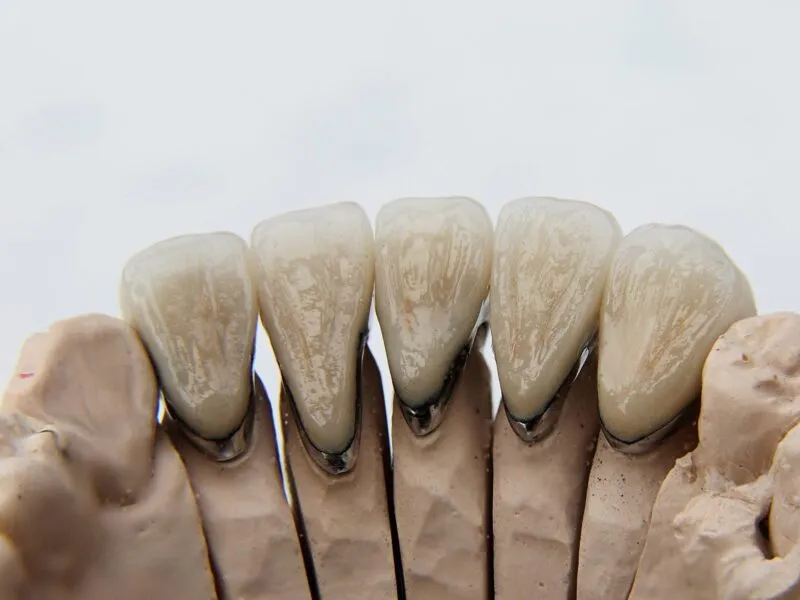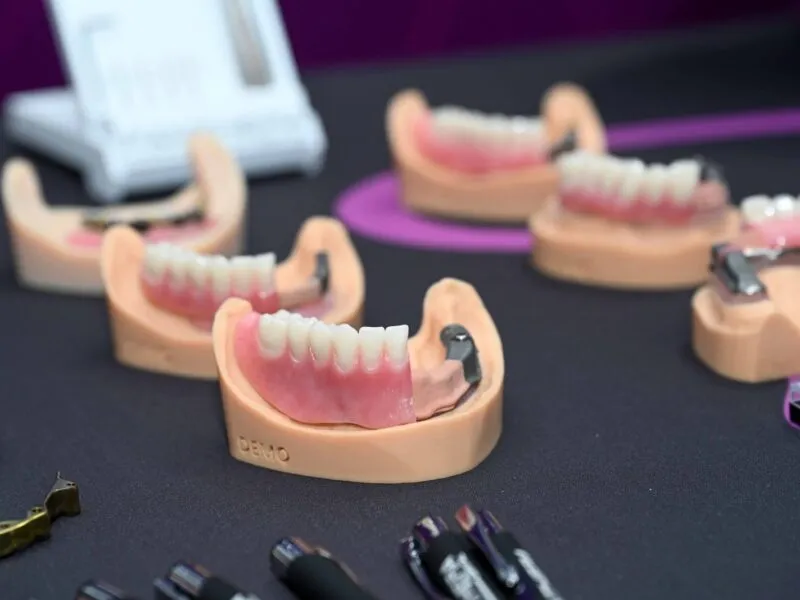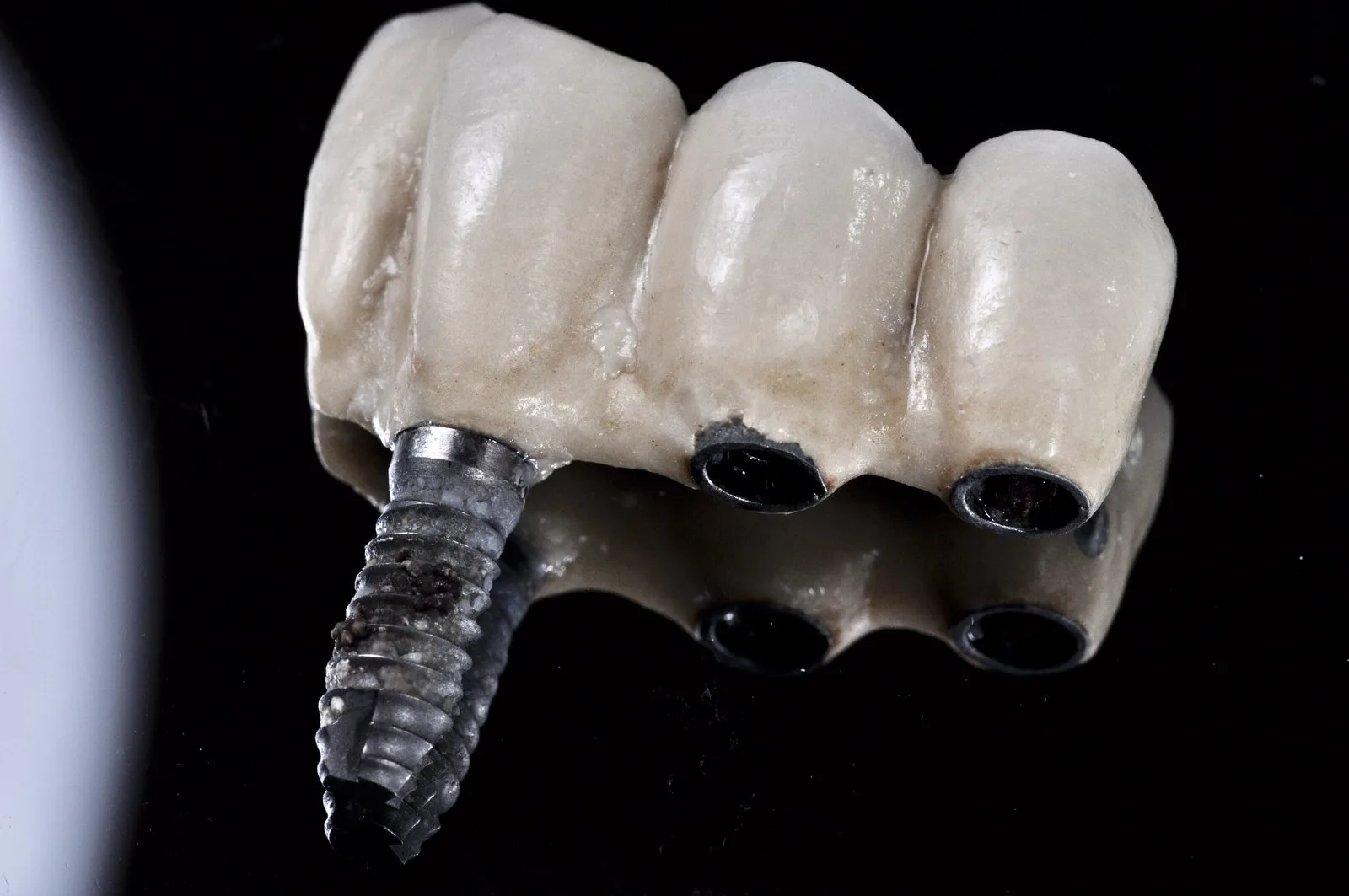
Monday morning at our Haliç clinic. Then a man in his sixties sat down and mentioned in his first sentence that he had retired. He had an implant on the lower left, placed four years earlier. His gum was red and bled when he brushed. Before he even opened his mouth he said, "Doctor, I'll be straight with you. I wish I'd never had it done."
When we hear that, the first thing we do is look at the X-ray, because the answer almost never turns out to be the implant itself. If you are asking whether dental implant regret is common, my honest answer is that most people don't have it. People who do tend to share the same few "if only" stories, and what we saw on that man's film was one of them. I've written them down below the way I explain them across the desk.
Dental implant regret, how common is it?
In long-term follow-up studies, the great majority of implants are still in the mouth ten years later. That is good news. Still, "still there" and "trouble-free" are different things. Plenty of people have an implant that stays put while the gum around it is inflamed, food packs in beside it, or a grey line shows at the edge when they smile. Those are the people who tell us they regret it.
A dental implant is really a three-part structure. There is the screw in the bone, the connector that sits on it and the tooth you see at the top. Then there is a fourth party, and that is you. Your brushing, your check-ups, your smoking, your night-time grinding. In most regret stories, something was missing from one of those four.
Here is a quick table first.
| The most common "if only" | Where it usually comes from | What to discuss up front |
|---|---|---|
| If only I'd done it sooner | Years of waiting after the extraction while bone shrinks | A plan for the implant on extraction day |
| If only I'd had a CT scan | Bone volume guessed from a panoramic film alone | Three-dimensional imaging |
| If only I'd had the bone grafted | A short or angled screw forced into too little bone | Whether a graft is needed, and why |
| If only I'd quit smoking | Poor healing and inflammation around the implant | A plan to stop before and after surgery |
| If only I'd gone to the check-ups | Peri-implantitis creeping along unnoticed | At least one check-up a year, with X-ray follow-up |
"I should have done it sooner", why is this the most common regret?
Oddly enough, the regret we hear most is not about having an implant. It is about waiting too long. Once a tooth is out, the bone in that spot loses its job. With no chewing force pressing on it, it slowly pulls back. Quietly. Over the first year after an extraction, bone width can drop a lot, and in some areas by nearly half.
Last month in Pendik, on a rainy afternoon, a woman left her umbrella by the door, sat down and unwrapped a removable denture from a tissue. She had worn it for seven years. "With this in I can't bite into a bagel, and without it I can't smile," she said. Her scan showed very little bone left in the upper jaw. We didn't offer an implant without rebuilding it first. It took longer, yes. She said "I wish I'd done it back then" at least three times that day.
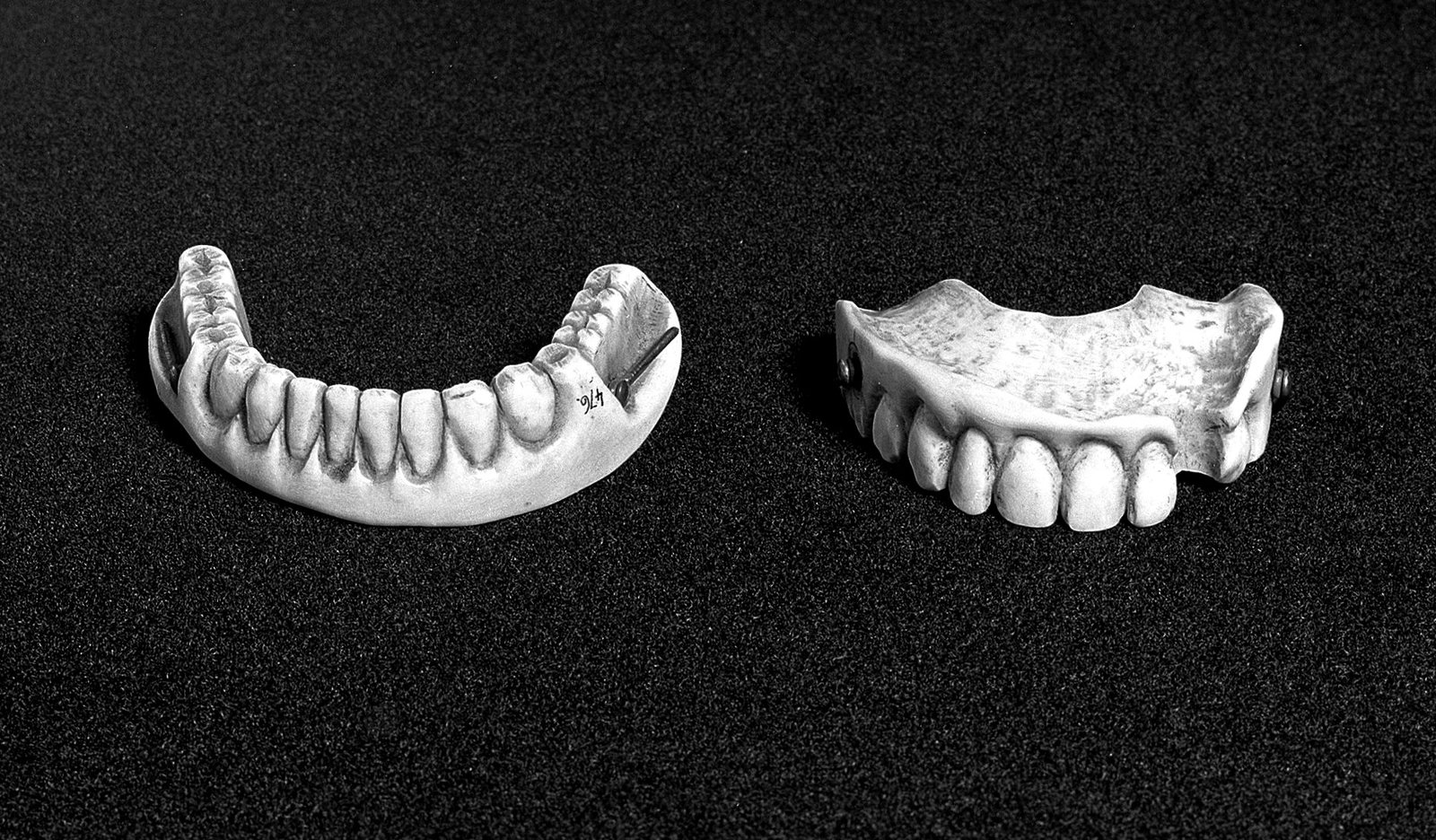
None of this means everyone should rush into an implant. Sometimes a bridge makes more sense, sometimes a denture. We compared them in our piece on implant or bridge. My point is smaller than that. On the day a tooth is taken out, talk about what happens afterwards. How will the gap be filled, and what will waiting do to the bone? Those questions belong before the extraction.
Can you get dental implants without a CT scan?
People do, yes. But a good share of the dental implant problems we see begin right here, well before surgery day, with a decision made from a flat film alone. A panoramic X-ray gives you a general map of the jaw and a rough idea of bone height. It can't show bone width, meaning how thick the ridge is from cheek to tongue. Nor can it show the nerve in the lower jaw or the sinus in the upper jaw to the millimetre.
That retired gentleman's original plan had only a panoramic film behind it. His screw had drifted toward the tongue side, the thin bone there had pulled back over time and the threads were showing. Only a CT scan would have shown that coming.
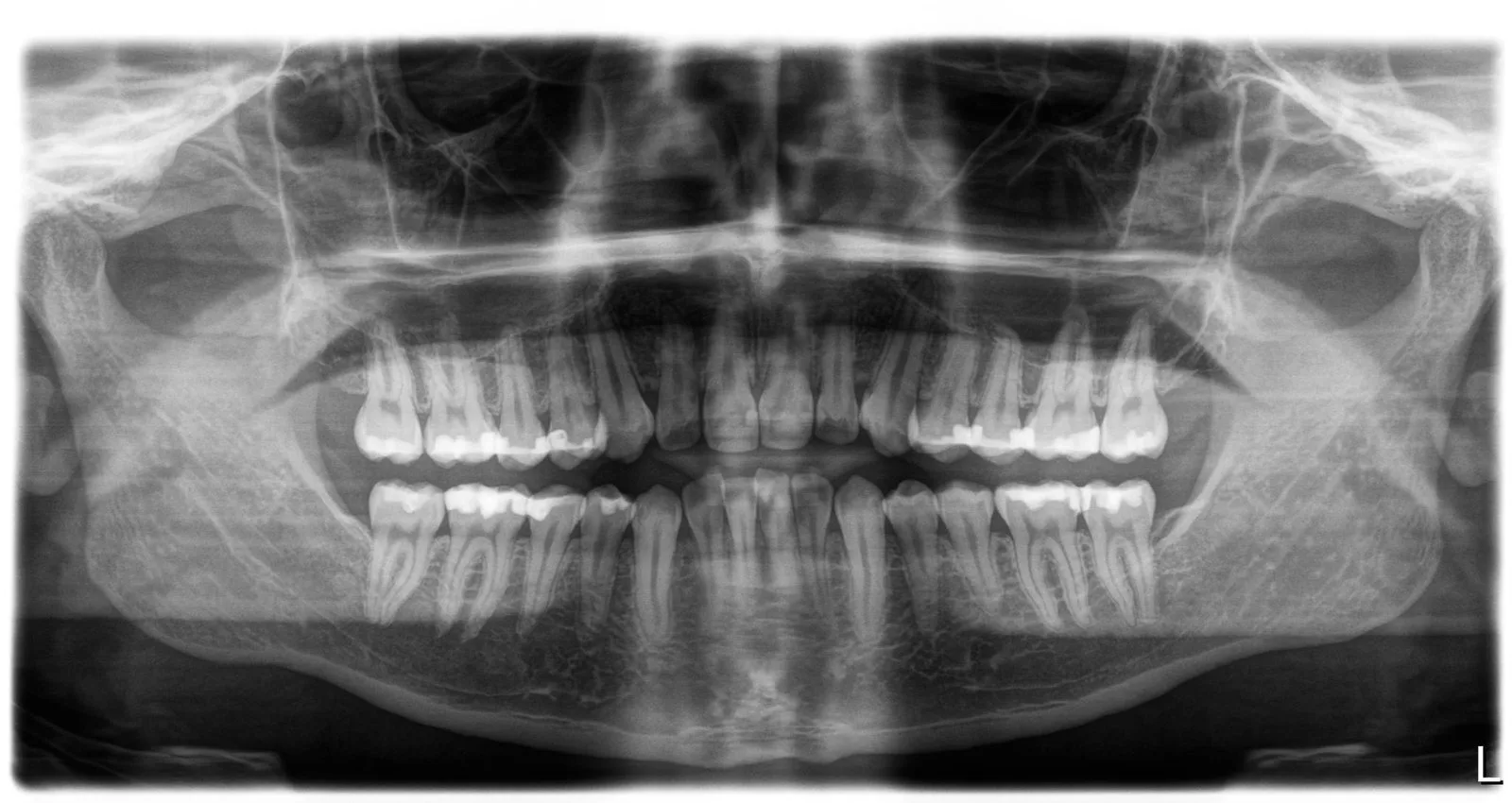
These days we can place a virtual implant on the computer from the scan data and, if needed, make a surgical guide that seats in the mouth. Guides aren't essential in every case. But a CT scan is, in my view, not up for negotiation, because you shouldn't decide on an implant without seeing where it is going. That is why three-dimensional imaging is the first step in our implant treatment planning.
What happens if a bone graft is skipped?
If there isn't enough bone, you have two options. You can add bone and wait, or you can change the plan to fit what is there. Both are legitimate. Trouble starts when the bone isn't enough and the surgery goes ahead as if it were.
What happens then? One edge of the screw can end up outside the bone instead of inside it. At the front, that can mean the gum thins a few years later and a grey shadow shows through. At the back, the bone that has to carry your chewing force is weaker, so the bone around the implant can break down faster.
A bone graft sounds frightening, I know. In most cases it isn't. It is often a small extra step done in the same visit as the implant. Around the sinus, or where the bone has melted away a lot, it can be a separate stage with a few months of waiting. Knowing that from the start beats being annoyed later that it "took so long".
When do same-day teeth lead to regret?
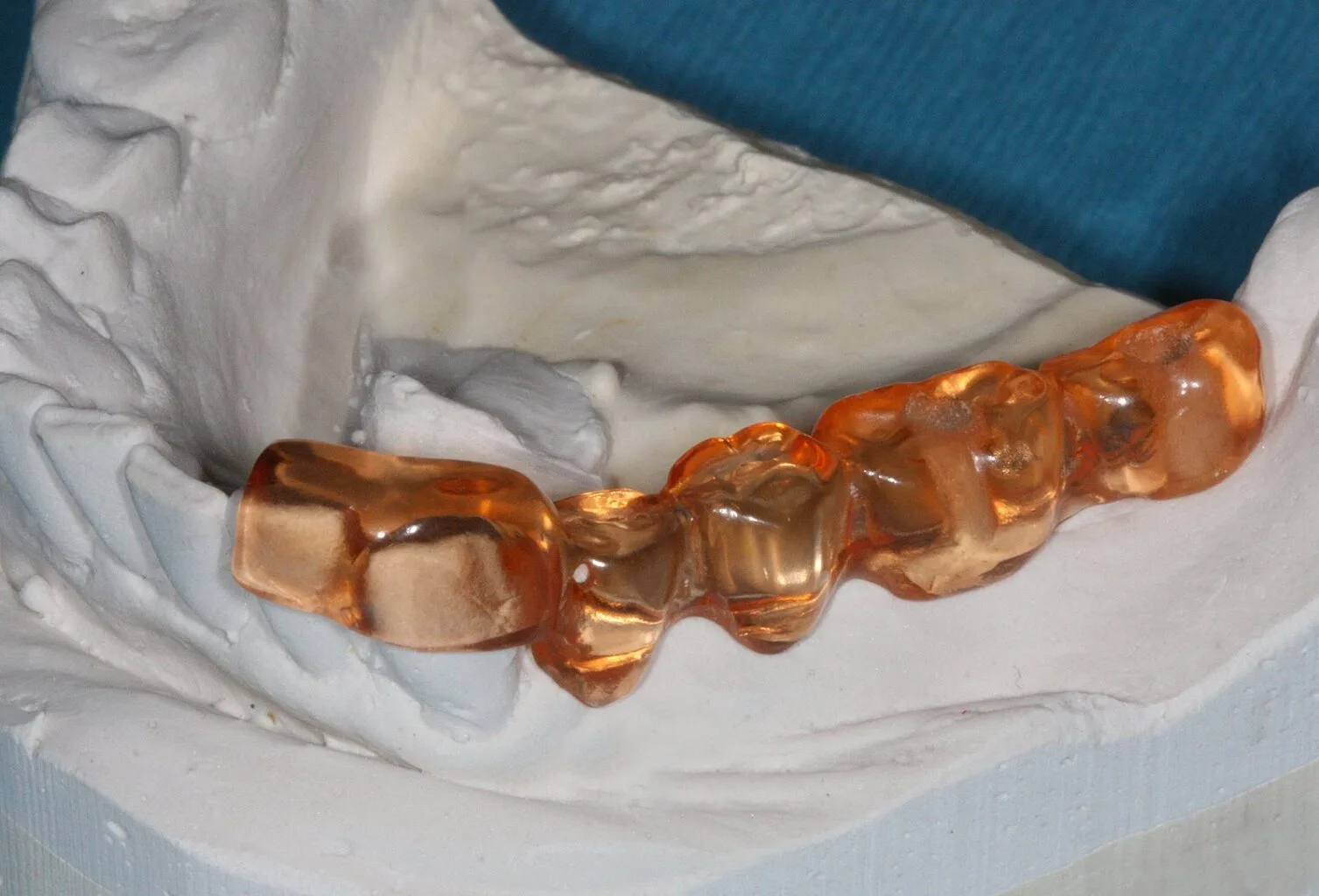
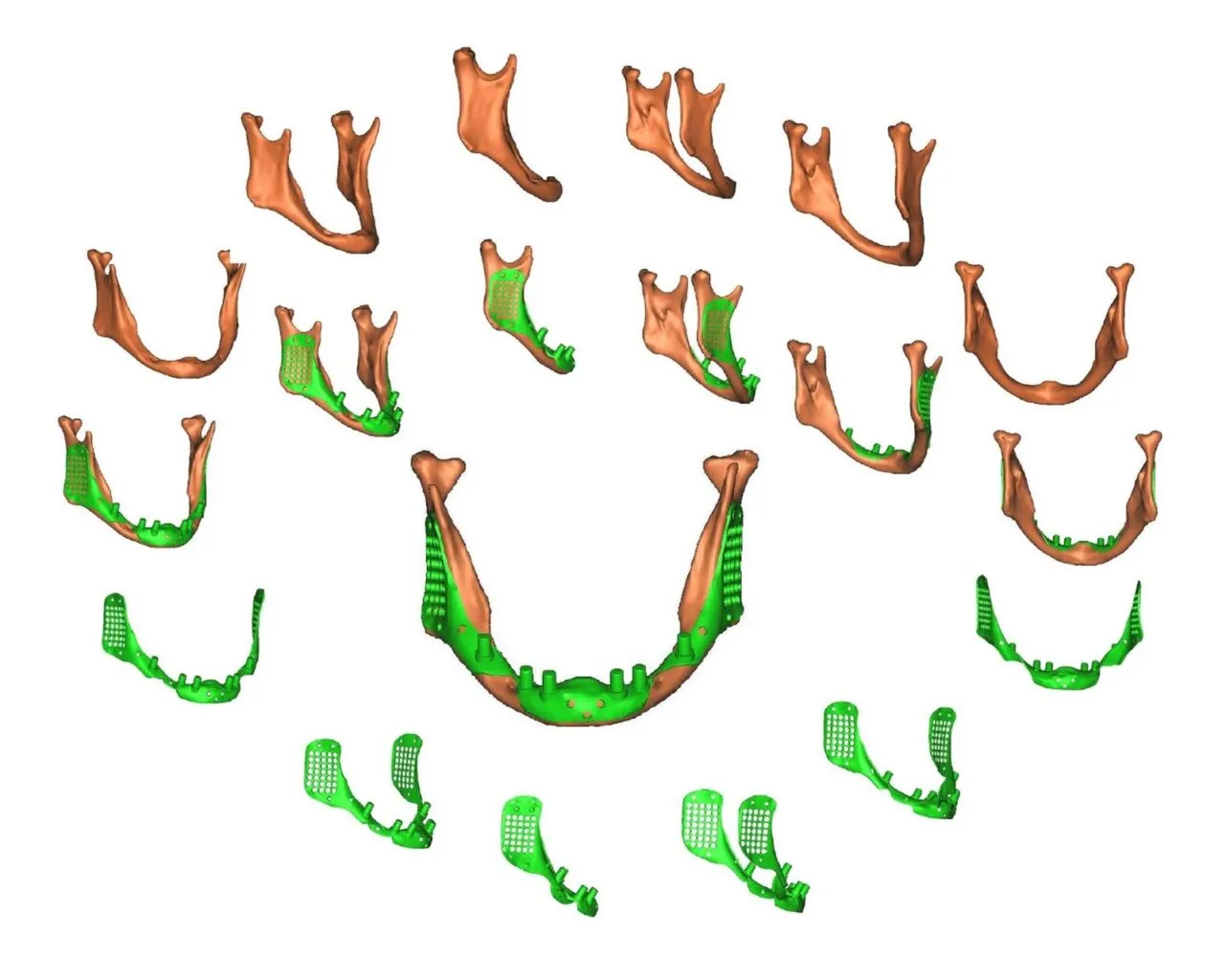
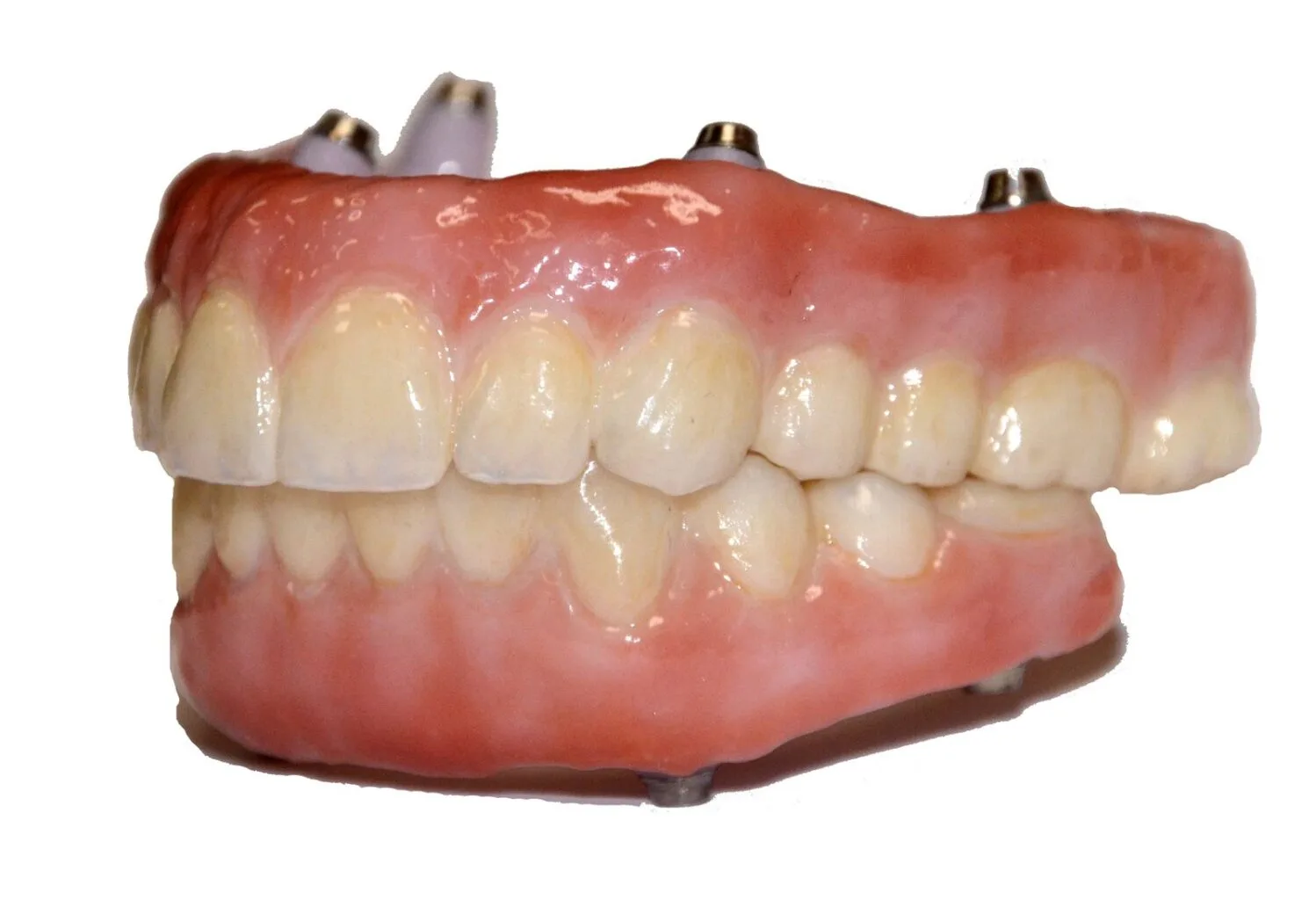
Walking in with a gap in the morning and leaving with a tooth by evening is a very appealing idea. In the right case it can be done. If the implant sits tightly enough in the bone, the bone quality is good and the biting force can be controlled, a temporary tooth can go on the same day.
Not in every case, though. Far from it. Loading a tooth on the same day in someone with soft bone, a night-time clenching habit or an implant that didn't seat snugly can disturb the way the implant fuses with the bone while it heals. It gets worse if the patient cracks seeds or bites hard bread on that temporary tooth. Here is how we put it. A same-day tooth is an outcome, not a goal. If conditions are right at surgery we do it, and if they are not we wait a few months.
For full-arch cases, we went through this in detail in our All-on-4 article, since a fixed temporary bridge is often part of the plan there.
Do smokers regret getting dental implants?
Smoking doesn't rule out an implant, but it makes the job harder. Much harder. Nicotine narrows the blood vessels, less blood reaches the healing bone, the wound closes more slowly and the thin new layer of bone that your body is trying to build around the implant goes hungry just when it needs feeding. Failure to fuse and inflammation around the implant years later are reported clearly more often in smokers than in non-smokers.

I have a request. Try to stop at least two weeks before surgery, and stay off until you have healed. For patients who can't stop completely, we set it as a target. If you want help quitting, the NHS has a practical roadmap. And for anyone who can't get through a night out without one cigarette, I say this. That single cigarette can turn out to be a very expensive one in the first three months of your implant.
What is peri-implantitis and why does it go unnoticed?
That was our retired gentleman's problem. Peri-implantitis is inflammation of the gum and bone around an implant. It resembles gum disease on natural teeth, but around an implant it can advance more quietly. On a natural tooth, pain or looseness gives you a warning. On an implant there is often no pain at all, and the bone just melts away.
Studies suggest that roughly one in five people with implants may develop peri-implantitis at some point. Signs can include the following.
- Bleeding around the implant when you brush
- Redness, swelling or a little discharge in the gum
- A bad taste in the mouth or an odour coming from the implant area
- The gum pulling back so the metal part of the screw starts to show
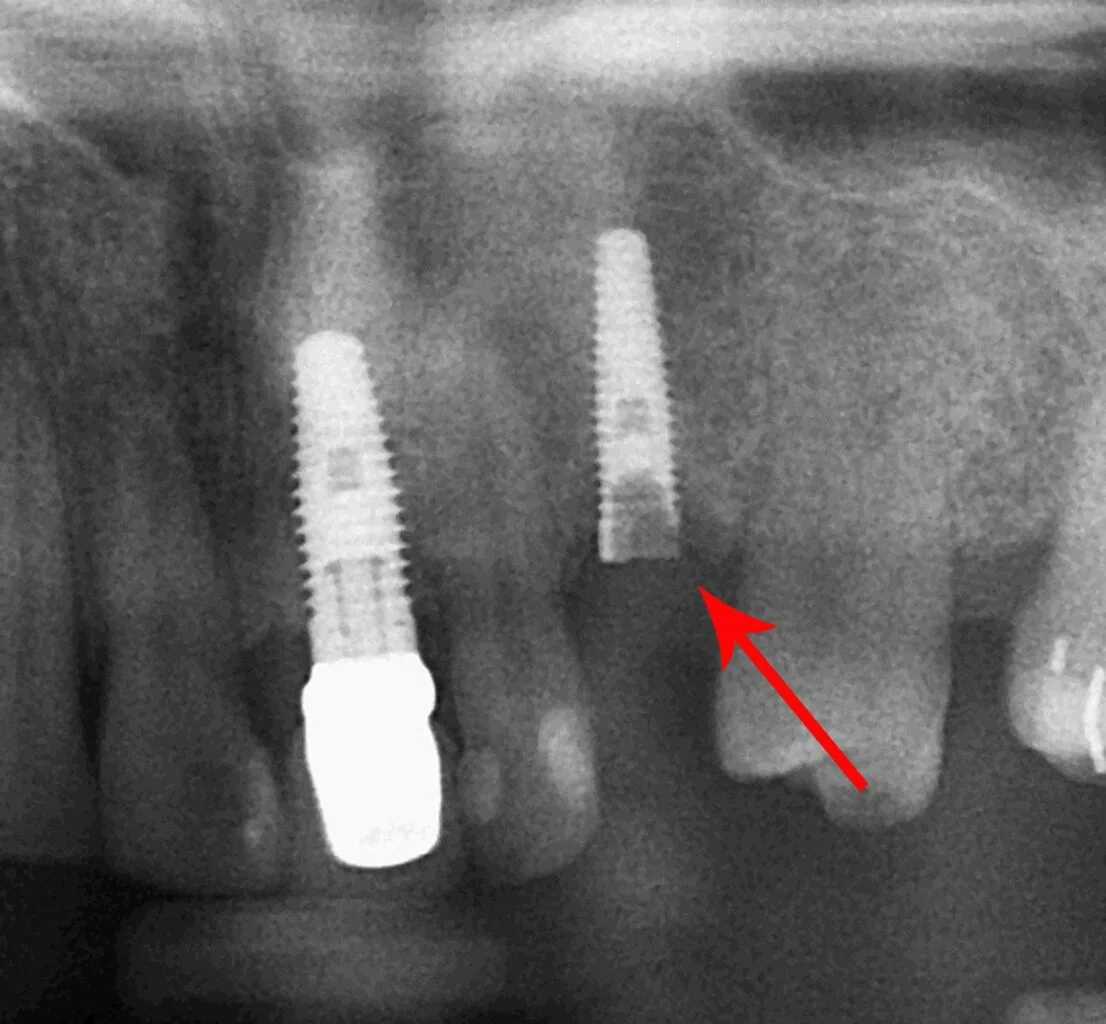
Caught early, it can be brought under control with cleaning, disinfecting the implant surface and fixing the home care. Advanced cases may need surgery, and sometimes the implant has to come out. We also cover the gum side on our gum treatment page, because inflammation around an implant and around a natural tooth belong to the same family.
Screw-retained or cemented implant crown, does it matter?
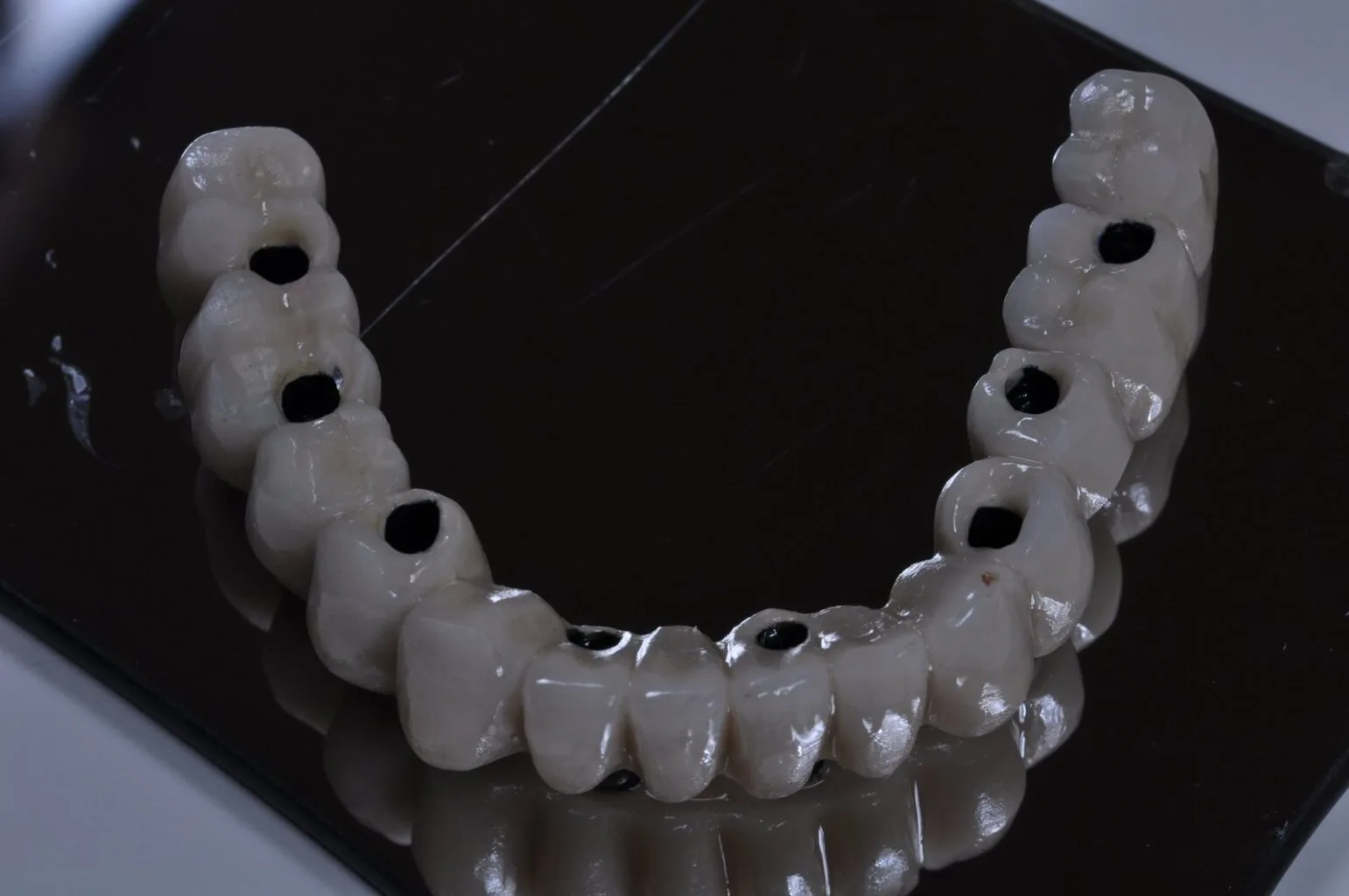
Too technical? It does bear directly on regret, though. There are two ways to hold a crown on an implant. It can be cemented onto the connector with a special adhesive, or it can be fixed with a screw through a small opening on top.
With cemented crowns, excess cement left under the gum can trigger inflammation. It is preventable. We still see it. A screw-retained crown has the advantage that it can be taken off for cleaning, and a part can be swapped when needed. It isn't always possible, since the angle of the tooth may rule it out. You have every right to know which one you are getting.
Why does the implant system matter if parts are needed years later?
I won't name any brands here, and we shouldn't anyway. But there is a question you can ask, and should. Will spare parts for this implant system still be available in ten years?
Over the years, the tooth on top of an implant can chip, wear or need replacing over the years. When that happens, someone has to find the connector and impression parts that fit your screw. With a system that has left the market or lost its local distributor, that gets very hard. We give our patients a card with the implant system, diameter and length. Wherever you have your treatment, ask for the same details, because one day a dentist in another city or another country will be very glad you did.
Do front tooth implants bring different regrets?
Front teeth are another story. Up there, looks matter as much as chewing. Complaints we hear most are a gum line that sits higher on the implant side, a tooth that looks longer than its neighbour and the grey of the metal showing through thin gum.
Most of these come from placing the implant without first checking the bone and the thickness of the gum. Sometimes placing an implant on extraction day is right, and sometimes it is better to wait a few months and let the tissue settle. Rushing shows in the mirror. So at the front we like to shape the gum with a temporary tooth first and make the final one after that.
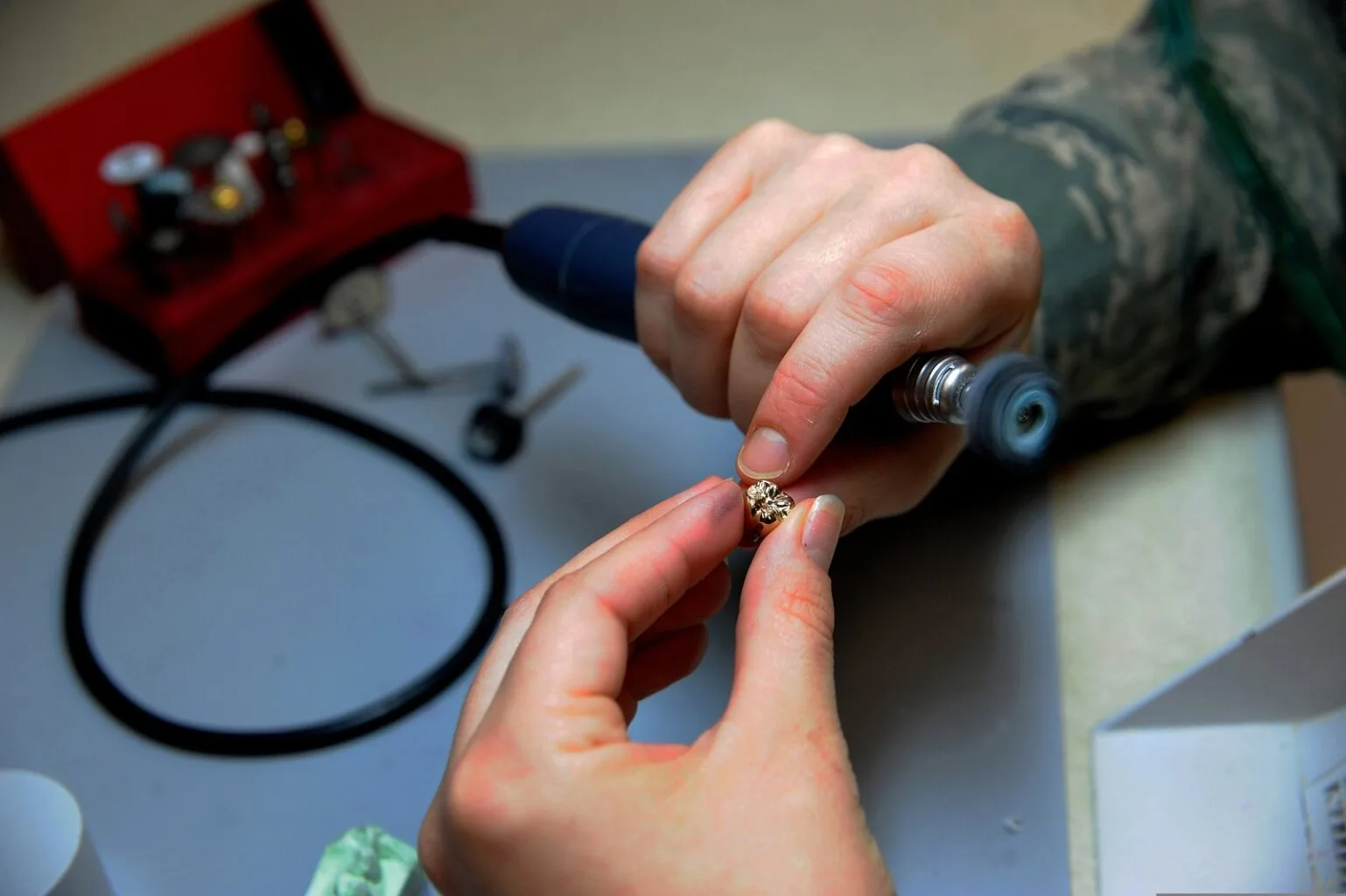
How should you look after dental implants?
An implant can't decay. That gives people a false sense of comfort. We meet patients who think, "If it can't decay, I don't need to brush it." But an implant that can't decay doesn't mean the gum around it can't get sick.
Brushing alone won't do it. As well as brushing twice a day, the sides of the implant need cleaning with interdental brushes or floss. With a fixed full-arch bridge it takes a little more effort, because an ordinary brush can't get under it. You'll need special floss that threads beneath the bridge, or a small water-jet device. The WHO also stresses that oral health shouldn't be treated apart from general health, and the American Dental Association recommends caring for implants as carefully as natural teeth, with regular check-ups.
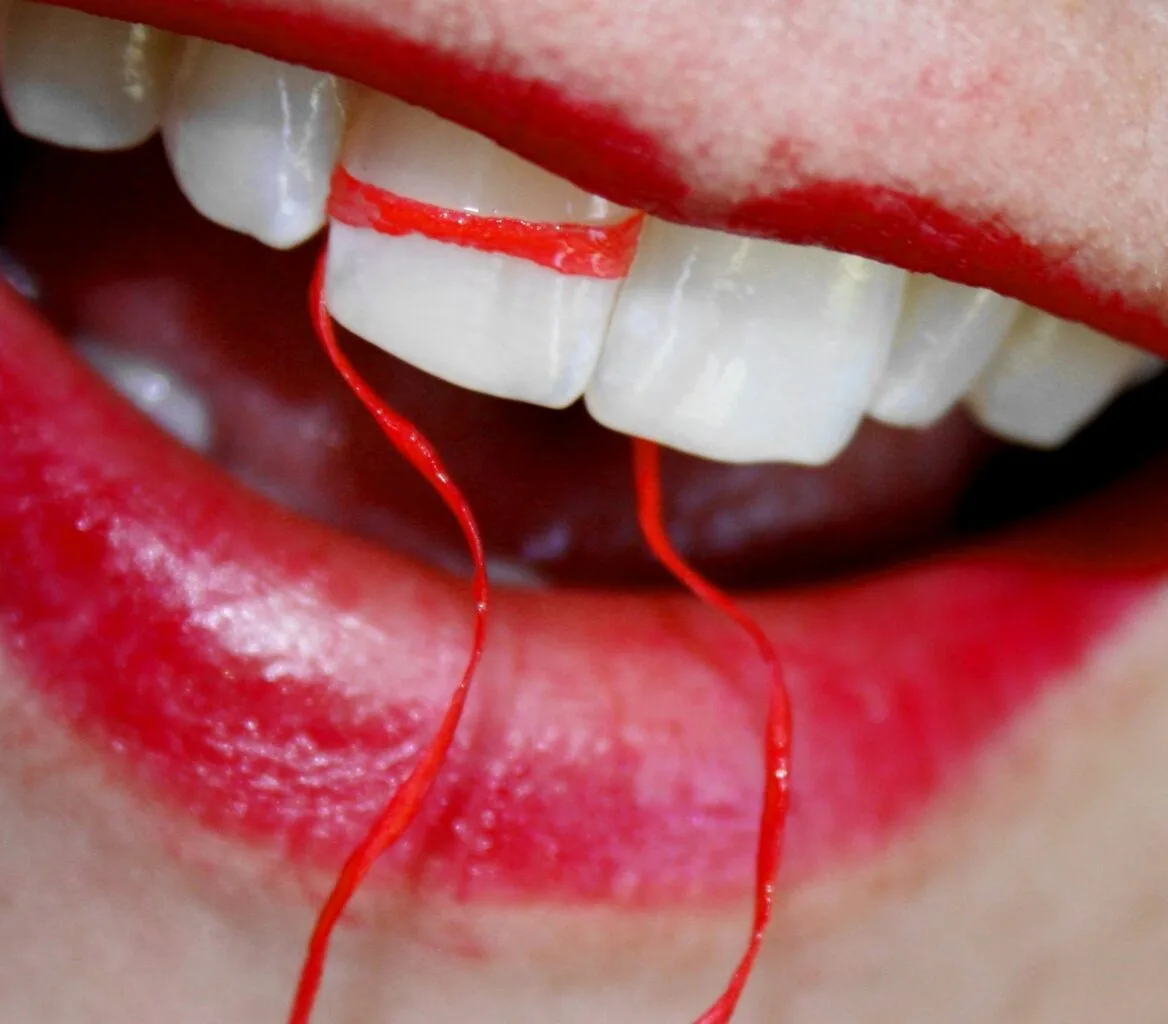
Now, check-ups. What most regret stories have in common is that nobody saw a dentist for years after the implant went in. One check-up a year, with a small X-ray when needed, is the simplest way to catch peri-implantitis early.
Questions to ask yourself and your dentist so you have no regrets
Will I have a CT scan, and is my bone volume enough? Does bone need adding, and if not, why not? If I'm offered a same-day tooth, under what conditions would you hold off? Will the crown be screw-retained or cemented? Will I get a card with my implant system and size? Once I'm back home, how will my check-ups be handled? If I smoke, when do I need to stop?
For a longer checklist, see our article on what to know before getting dental implants.
What should you know about travelling for dental implants?
Many of our patients come to Istanbul for implants from far away, some on a four-hour flight and some on an overnight coach. For these people the first worry is less the treatment itself than what happens after they get home. Their regrets, more often than not, come from being left on their own after the trip and not from the treatment. Who do they turn to if something goes wrong, can they get hold of their X-rays, and will their own dentist recognise the implant system?
So we talk about the gap between visits, the healing period and remote follow-up before anything starts. CT scan and X-ray records, along with the list of parts used, go home with the patient. If you are wondering why quotes differ so much, our article on what drives implant costs is worth a look. There are no figures in it, but it explains which items change and why.
What if a dental implant has to be removed?
People ask this one in a low voice. Yes. Sometimes an implant has to come out. It may have never fused with the bone, it may have advanced peri-implantitis, or it may sit in a position that makes a proper tooth impossible.
Often a new one can go in. But the area usually needs to heal first, and bone may have to be added. So the process runs a bit longer and is more of a slog the second time around. That is the most concrete form of dental implant regret, going through the same treatment twice. To avoid it, make the first plan without hurry, and with the right imaging.

Frequently asked questions
Do people regret getting dental implants?
Most people don't, and the great majority of implants stay in the mouth for many years. Those who do usually point to thin planning, a skipped bone graft, smoking or missed check-ups. Most of these can be prevented by talking them through at the start.
Why do dental implants fail?
An implant failing to fuse with the bone is seen most often in the first few months. Smoking, uncontrolled diabetes, too little bone, overloading during healing and infection are the main causes. It can be taken out and the area retried once it has healed.
What are the symptoms of peri-implantitis?
Common signs are bleeding around the implant when brushing, red and swollen gum, a bad taste and the gum pulling back so the screw shows. It often goes unnoticed because it doesn't hurt. Regular check-ups and X-rays matter for catching it early.
Do you need a CT scan before dental implants?
Panoramic X-rays give a general idea, but it doesn't show bone width or how close the nerve or sinus is. Asking for a three-dimensional CT scan when planning an implant is a sound approach. It also shows early on whether bone will need to be added.
Can smokers get dental implants?
It can be done, but the risk that the implant won't fuse, or that inflammation develops around it in later years, goes up clearly. Stopping before surgery and throughout healing is recommended. Quitting altogether is one of the most effective ways to protect an implant in the long run.
How long do dental implants last?
Giving an exact number of years wouldn't be honest, since lifespan depends on care, check-ups, smoking and habits like clenching. Studies show that well-planned, well-maintained implants serve for many years. Over time the crown on top may need renewing.
Can a failed dental implant be replaced?
Often it can. The area usually needs to heal first and may need a bone graft, which lengthens the process. Planning the new implant takes even more care than the first time.
Are same-day dental implants risky?
If the bone quality is good, the implant sits firmly and the biting force can be controlled, a temporary tooth can go on the same day. Without those conditions, waiting a few months is safer because healing can be disturbed. Make that call during surgery.
How long after an extraction can you get a dental implant?
In some cases it can be the same day, and in others a few weeks or months later. Because a long wait lets the bone shrink, the plan should be made before the extraction if an implant is on your mind. Right timing depends on the condition of the bone and gum in that area.
That Monday we did not remove the retired gentleman's implant. We cleaned the gum, disinfected the implant surface and put an interdental brush in his hand. On his way out he slipped it into his jacket pocket, then turned back. "I'll see you in three months, won't I?" Yes. That was the whole point.
If you have an old X-ray or CT scan, send it over and our dentist will look at where your implant, or the one you are planning, really stands. Contact page