Monday morning, exam week. The young man who walks in has a left cheek noticeably bigger than his right, and he can't open his mouth even two fingers wide. His opening line is a classic: "Can't we sort it out without pulling it? I have an exam." We looked at the X-ray. His lower left wisdom tooth had come halfway through, and under the flap of gum covering it, everything was infected. Third flare-up this month. That day we calmed the infection down, and once his exams were over, we took the tooth out. When he came back for his check-up a week later, the first thing he said was: "Is that it?"
Wisdom tooth extraction is probably the most feared and least understood thing we do in the clinic. Some people put it off for years because "my whole face will balloon". Others have no symptoms at all and queue up anyway, because "everyone's having theirs out". Neither is right. So when do these teeth need to come out, when should you leave them alone, what is the procedure actually like, and what do you do afterwards? Here's what I explain in the surgery every single day, in roughly the order patients ask.
What Is a Wisdom Tooth and Why Does It Cause So Much Trouble?
They're the third big molars, right at the very back of the mouth. Dentists call them third molars; everyone else calls them wisdom teeth. They usually come through somewhere between 17 and 25. Not everybody gets four. Some people never develop any at all, others have just one or two.
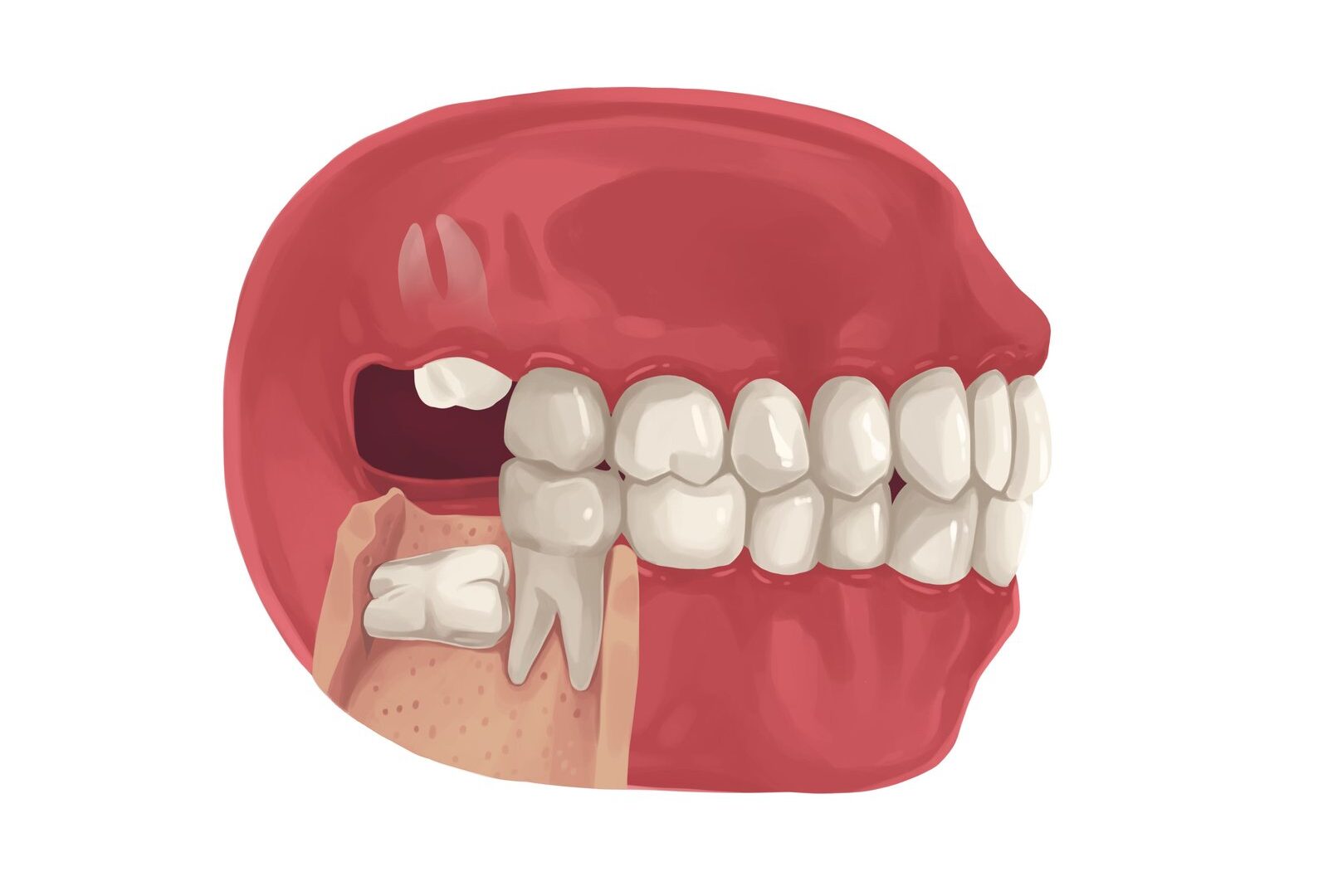
Here's the problem. Our jaws are smaller than our ancestors' were. A jaw that grows up on soft food simply doesn't leave space to build an extra room at the back. So the tooth turns up, finds nowhere to go, and either stays buried in the bone or tips over and leans on the tooth in front. That's what we call an impacted wisdom tooth.
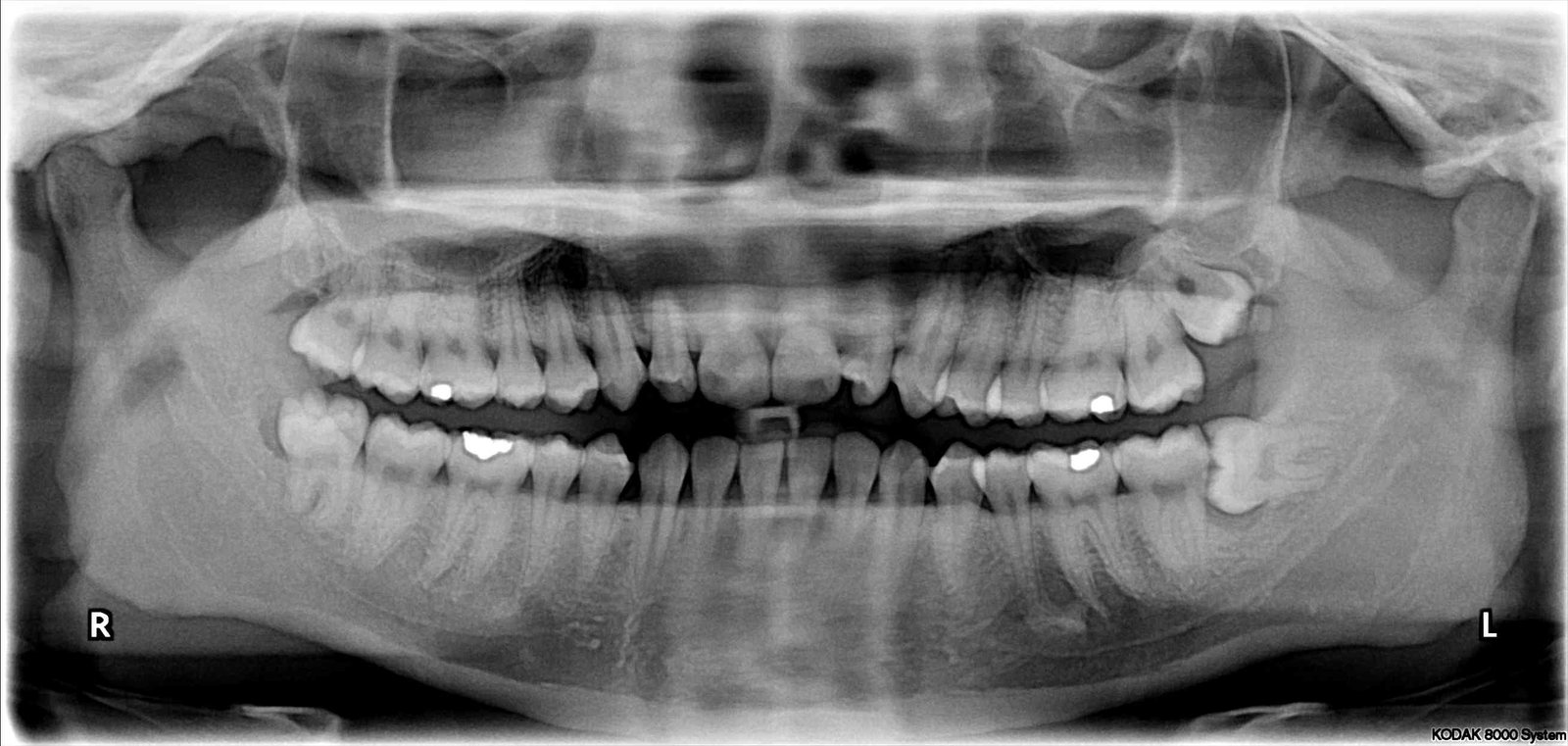
Fully impacted, partly through, lying sideways
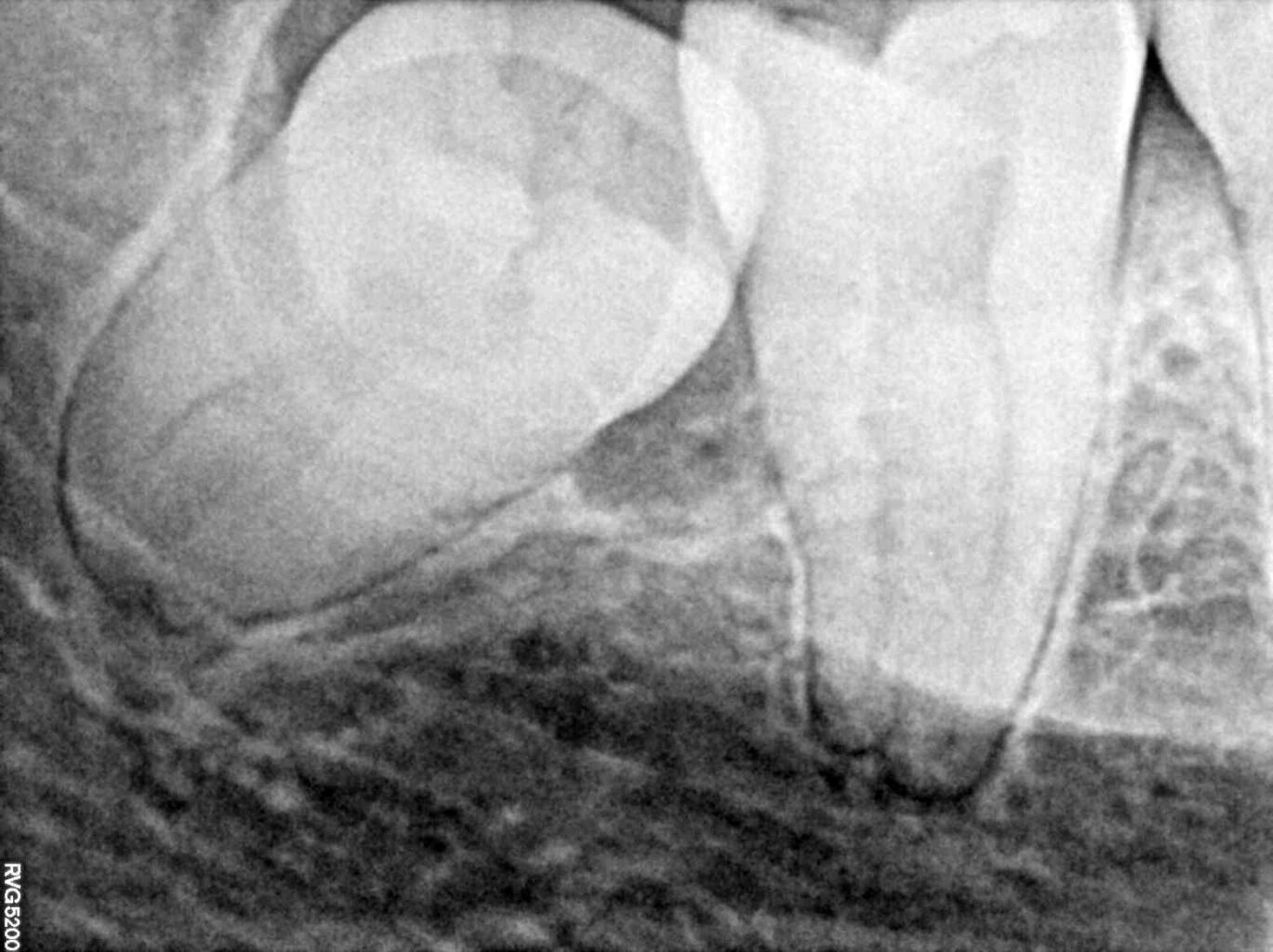
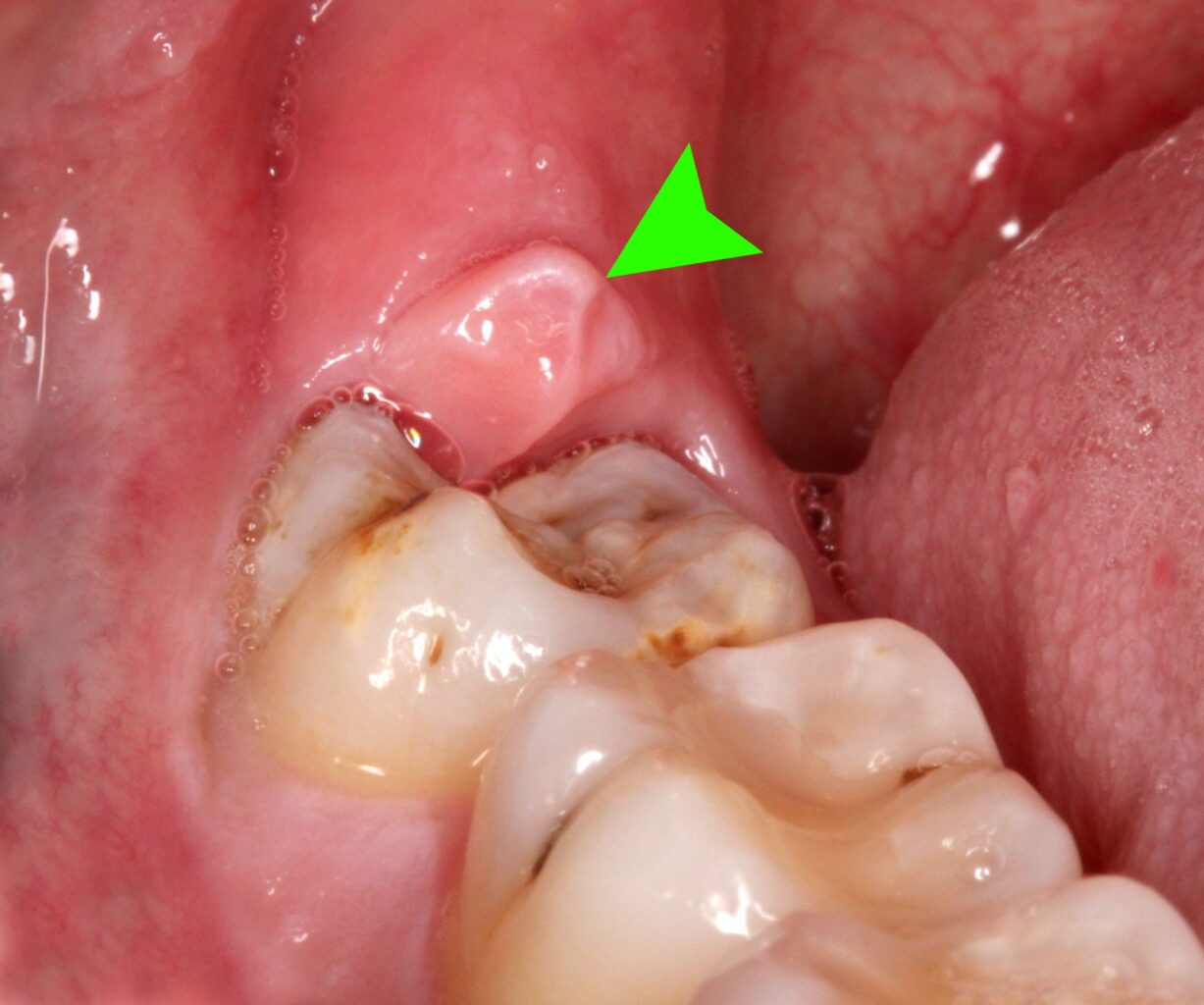
A fully impacted tooth sits quietly inside the bone. Most people only find out it exists when they see an X-ray. The partly erupted one is the real troublemaker. Part of it has broken through, a flap of gum stays draped over the top, and the space under that flap is a perfect hiding place for food. A tilted tooth can lean forwards, backwards or lie completely flat. The one we see most often leans forwards. It props itself against the back of the molar in front for years, and in the end it decays that tooth too.
Do All Wisdom Teeth Need to Be Removed?
No. Let me be blunt about this, because I see a lot of patients who read the opposite online. A wisdom tooth that has come through straight, bites against the tooth opposite, can be reached with a brush and has no decay can stay where it is. A yearly check-up is enough. And a fully impacted tooth that causes no symptoms and shows no cyst or other change on the X-ray? Most of the time we just keep an eye on it.
Then there's the old favourite: "this tooth will push my front teeth and make them crooked". There's no strong evidence that crowding after braces comes down to wisdom teeth alone. Front teeth drift a little with age anyway. Sometimes an orthodontist asks for an extraction as part of a treatment plan, but that's a different story; you'll find the details on our orthodontics page.
When we recommend taking it out
Our list is short and concrete:
- Recurring gum infection (pericoronitis). A tooth that has swollen up once will most likely do it again.
- Decay in the wisdom tooth itself, or on the back of the second molar in front of it.
- Resorption of the root of the tooth in front, or a deep pocket and bone loss between the two teeth.
- A cyst or tumour-like growth around the tooth.
- Food that's always getting stuck, bad breath, a corner your brush never quite reaches.
- Cases where an orthodontic, denture or jaw surgery plan calls for it.
Pain, an ache that shoots up to the ear and temple, struggling to open your mouth: these are usually signs of the first item on that list. If the pain kicks off in the middle of the night, we covered what you can do at home in our toothache article.
Before the Extraction: X-rays, CBCT and a Few Key Questions
We don't take out anyone's wisdom tooth without an X-ray. A panoramic film shows the angle of the tooth, how many roots it has and how close those roots run to the nerve canal in the lower jaw. If a root looks like it's touching or overlapping that canal, we ask for a 3D scan (cone beam CT, or CBCT). In the upper jaw, the neighbour to watch is the sinus. Knowing about both of these in advance takes the surprises off the table.
Then come the health questions, and please don't brush past them. If you take blood thinners, don't stop them on your own; we make a plan together with your cardiologist. Medication for osteoporosis (bisphosphonates), poorly controlled diabetes, pregnancy, past radiotherapy to the jaw... Every one of these changes the plan. One patient told us at the consultation that she was "not on anything at all", and then two boxes of blood thinners came out of her handbag. We weren't cross. We just didn't do the extraction that day.
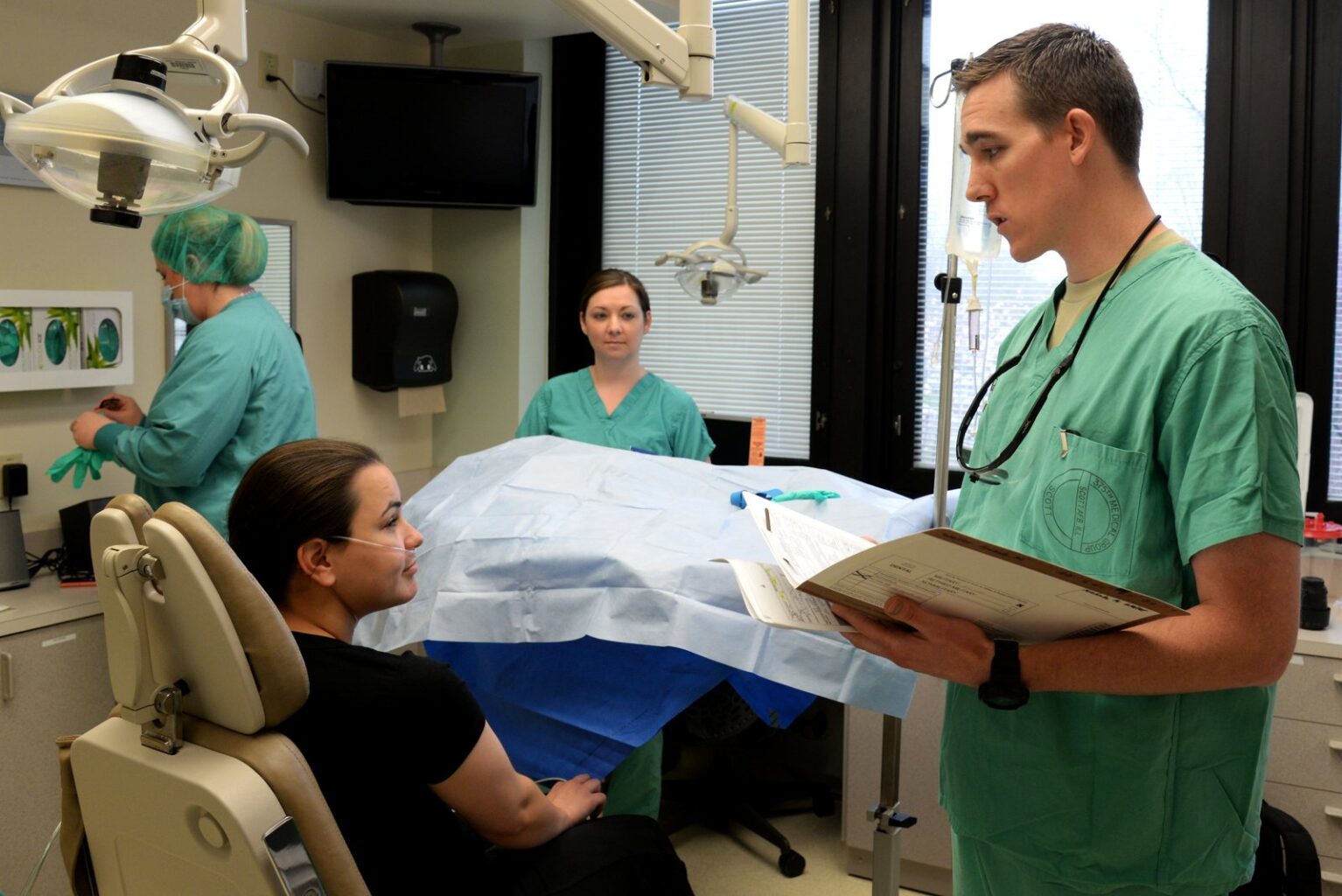
If there's active infection and swelling, we usually settle that first and take the tooth out a few days later. Swollen tissue is harder to numb, and the whole thing drags on for no good reason.
How Is a Wisdom Tooth Removed?
A fully erupted wisdom tooth with straight roots comes out like any other molar. A few minutes, done. An impacted or tilted tooth is minor surgery, and the steps are well worn.
Numbing
The vast majority of extractions are done under local anaesthetic. In the lower jaw, half your tongue and lip will go numb as well. That's normal. The injection is a sting that lasts a few seconds, and after that, nothing. For very anxious patients, or when all four teeth are coming out in one sitting, we also talk about sedation and general anaesthesia; that's a decision we make together, based on your health.

Surgical extraction, step by step
A small cut is made in the gum and the gum is gently folded back. The bone covering the tooth is thinned only as much as needed. If the tooth won't come out in one piece, it's split into two or three. Patients wince when they hear that, but it's really the other way round: sectioning the tooth means removing less bone and putting less force on everything around it. Then the socket is cleaned and a few stitches go in. On average it takes 20 to 45 minutes. Root shape, the angle of the tooth and how hard the bone is can all stretch or shorten that.
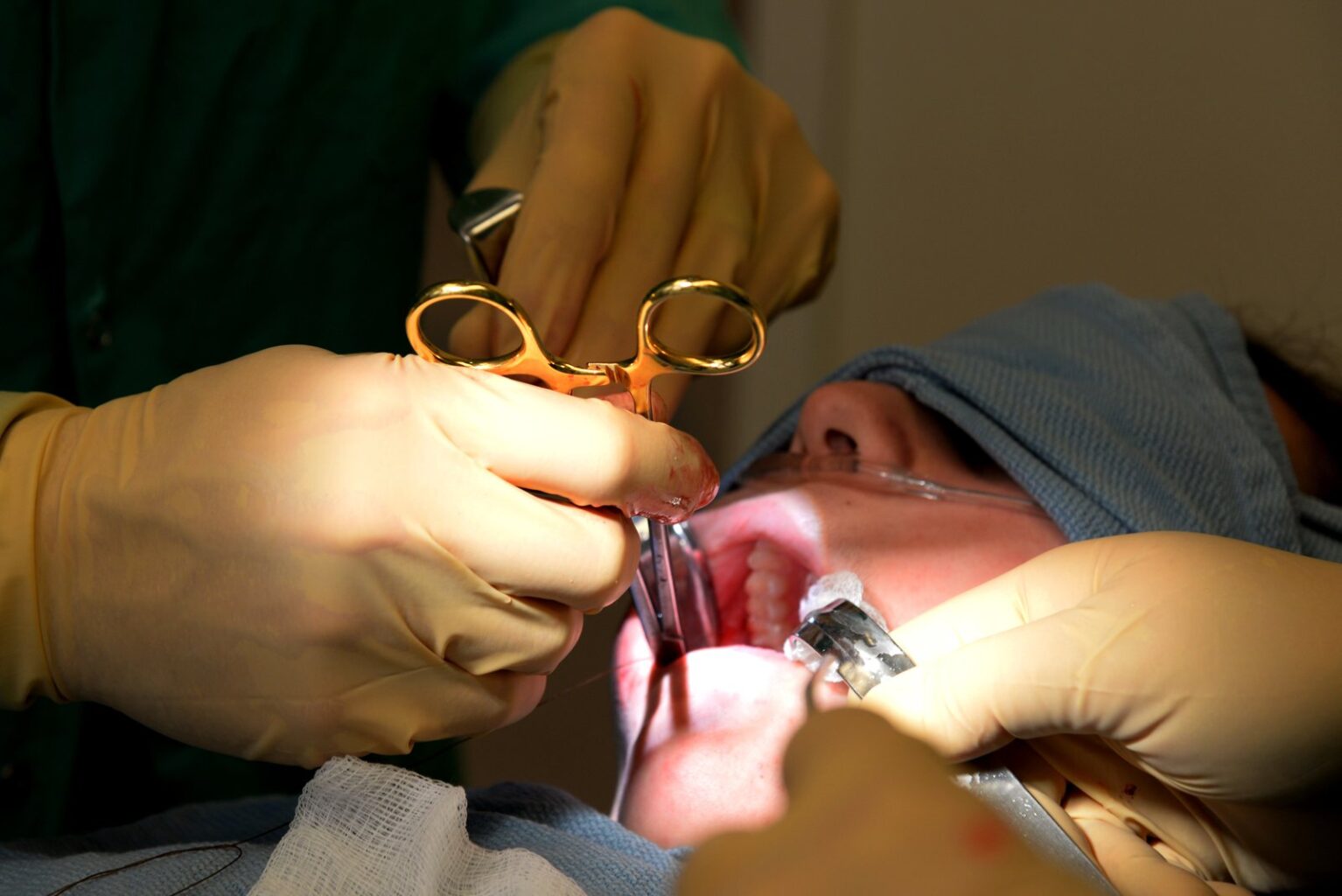
Does it hurt? Not during the procedure. You'll feel pressure and pushing, and now and then you might hear a crack from the bone. If you feel pain, you put your hand up and we top up the anaesthetic. Simple as that. The real soreness starts once the numbness wears off, and we plan for that in advance too. There's more on surgery for impacted teeth on our wisdom teeth and oral surgery page.
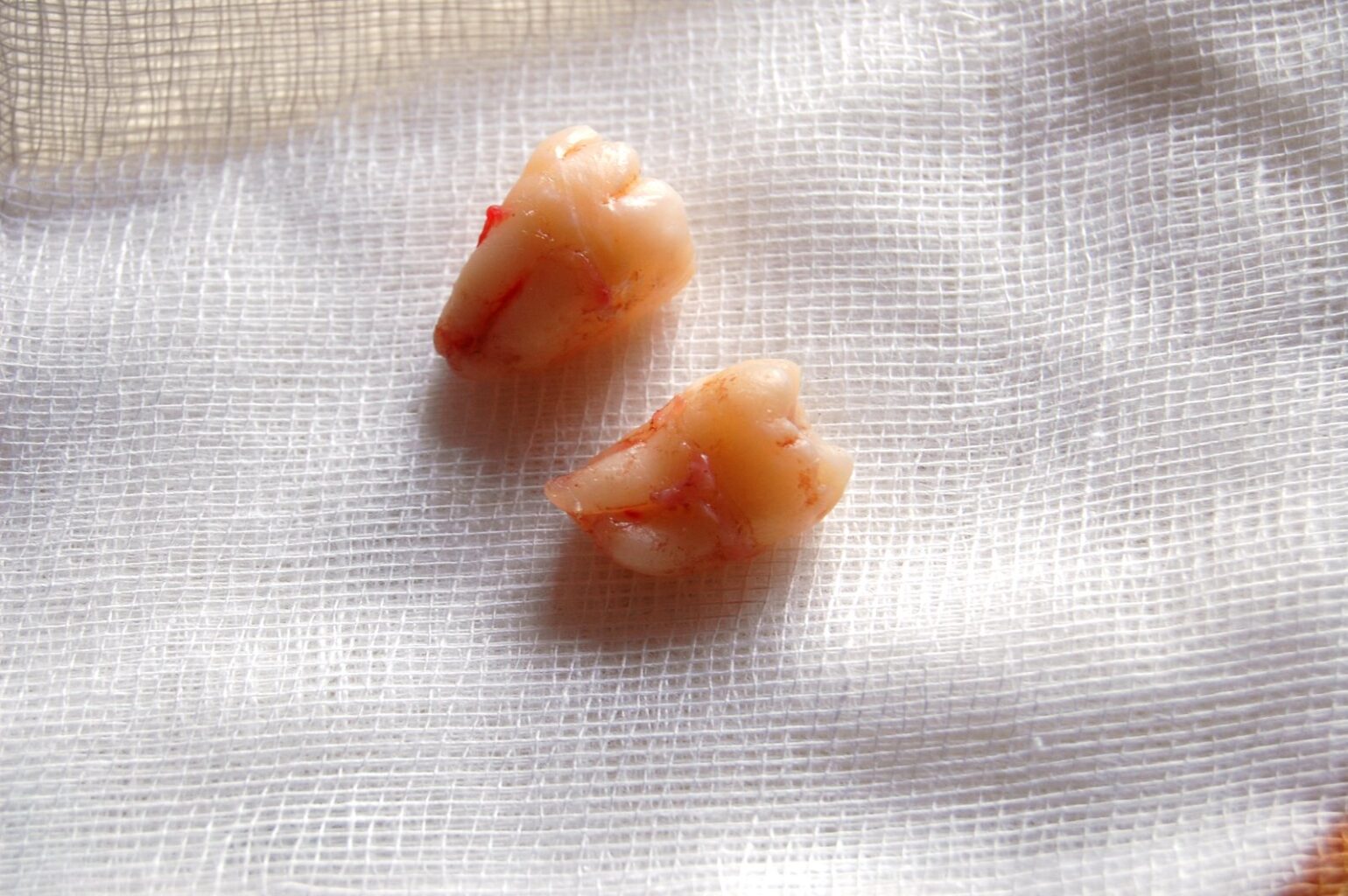
After Wisdom Tooth Extraction: The First 72 Hours
The extraction itself takes half an hour. How well you heal depends on what you do over the next three days. The blood clot that forms in the socket is the body's own plaster for the wound. Every rule below really comes down to one thing: keep that clot where it is.
Bleeding and gauze
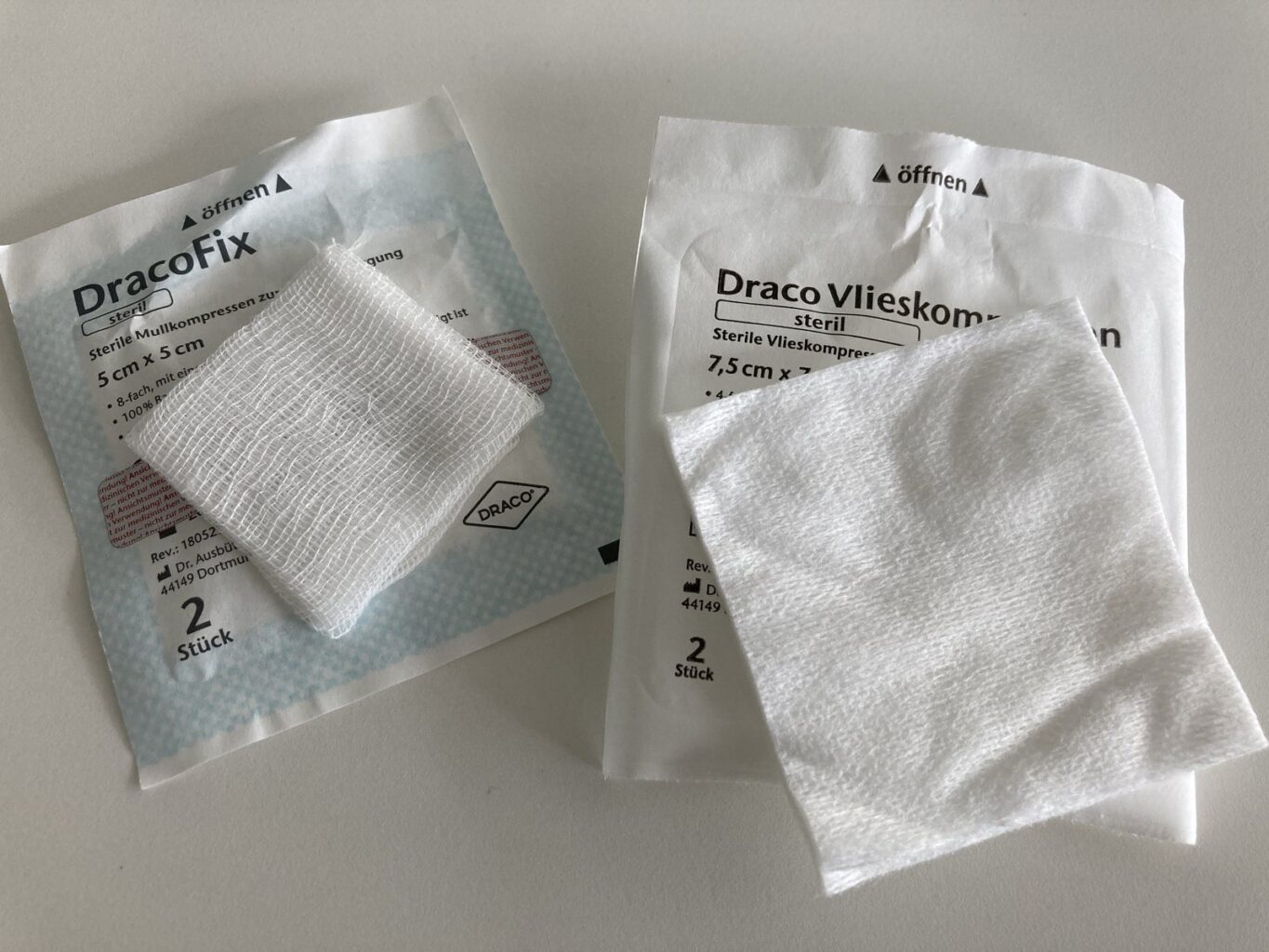
Bite down firmly on the sterile gauze we give you for 30 to 45 minutes, and don't talk. Your saliva may look a bit pink, and you might find a small mark on the pillow the first night; that doesn't count as bleeding. If it's properly bleeding, fold a fresh piece of gauze and press for another 30 minutes. No gauze to hand? A wet black tea bag, chilled in the fridge, does the job, because the tannin in it helps the small blood vessels close up. If your mouth keeps filling with blood after two goes, ring us.
Swelling, bruising and a stiff jaw
Swelling starts the day after the extraction, peaks on days two and three, then slowly goes down. So don't panic when you look in the mirror on the third morning. That's just the timetable. For the first 24 hours, hold something cold against the outside of your cheek: 15 minutes on, 15 minutes off. No ice pack? A bag of frozen peas wrapped in a thin tea towel works brilliantly. Sleep with two pillows under your head. Some people get a yellowy-green bruise creeping down towards the neck, and can only open their mouth partway for about a week. It looks alarming. It's harmless, and it clears up by itself.
Pain and medication
Take the first dose of the painkiller your dentist recommends before the numbness wears off. Wait for the pain to arrive and the race is lost before it starts. We don't hand out antibiotics to everyone as a matter of routine; we prescribe them if there was infection before the extraction or if the surgery took a long time. And if you are prescribed them, finish the packet. Antibiotics dropped halfway through because "I felt fine" make the next infection harder to treat.
What not to do on day one
For the first 24 hours: no rinsing, no spitting, no drinking through a straw. All three create suction and pressure in your mouth and can knock the clot loose. Smoking isn't up for negotiation. None for at least 72 hours. Between the smoke and the sucking motion, it's the number one cause of dry socket. Put off the gym and lots of bending over for a couple of days. Alcohol and painkillers make a bad pair, too. If an upper wisdom tooth came out, don't blow your nose hard for a week; the sinus is right next door.
When can I brush, and when do salt water rinses start?
Brush your other teeth that same evening, just stay away from the extraction site. From the second day, after meals, stir half a teaspoon of salt into a glass of warm water, swish it gently around your mouth, then let it fall into the sink rather than spitting. If your dentist has recommended a mouthwash, use that just as gently. Clean mouth, quicker healing. We say it often on our scale and polish and oral hygiene page too.
What to Eat After Tooth Extraction (and What to Avoid)
Don't eat anything until the numbness has gone. It's very easy to chew your lip or cheek without noticing. One of our sixth-formers once chewed his lower lip for half an hour thinking it was chewing gum, and that bite hurt him far more than the extraction ever did. Once the feeling's back, day one is cold and soft: yoghurt, a milkshake (no straw), rice pudding, custard, ice cream, mashed potato. Hot tea and coffee can wait a day.
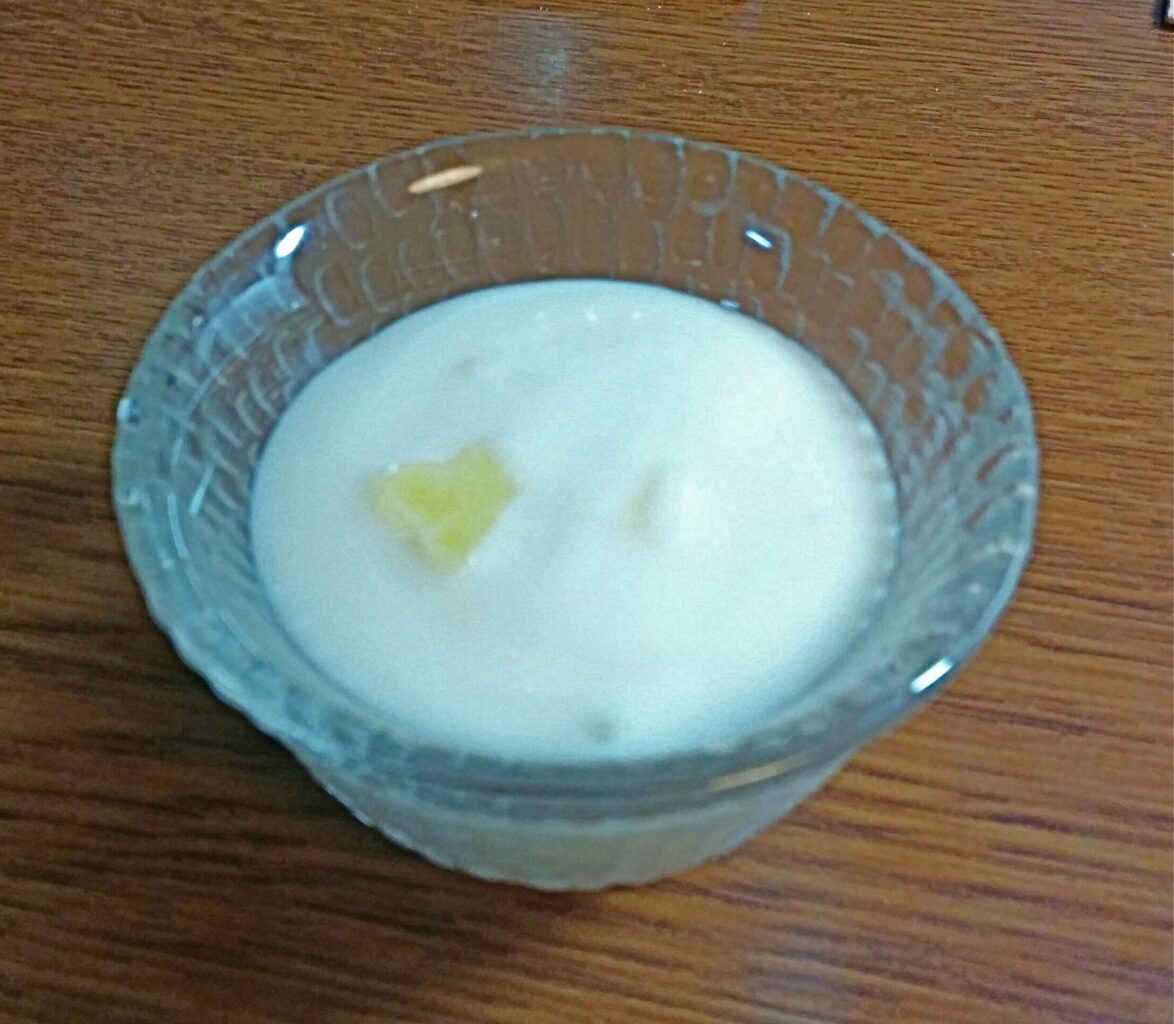
From day two you can move on to soft meals: lukewarm soups, eggs, pasta, well-cooked veg, meatballs. Lentil soup is the hero of this stage. Just make sure it's lukewarm, not hot. And chew on the side that wasn't treated.
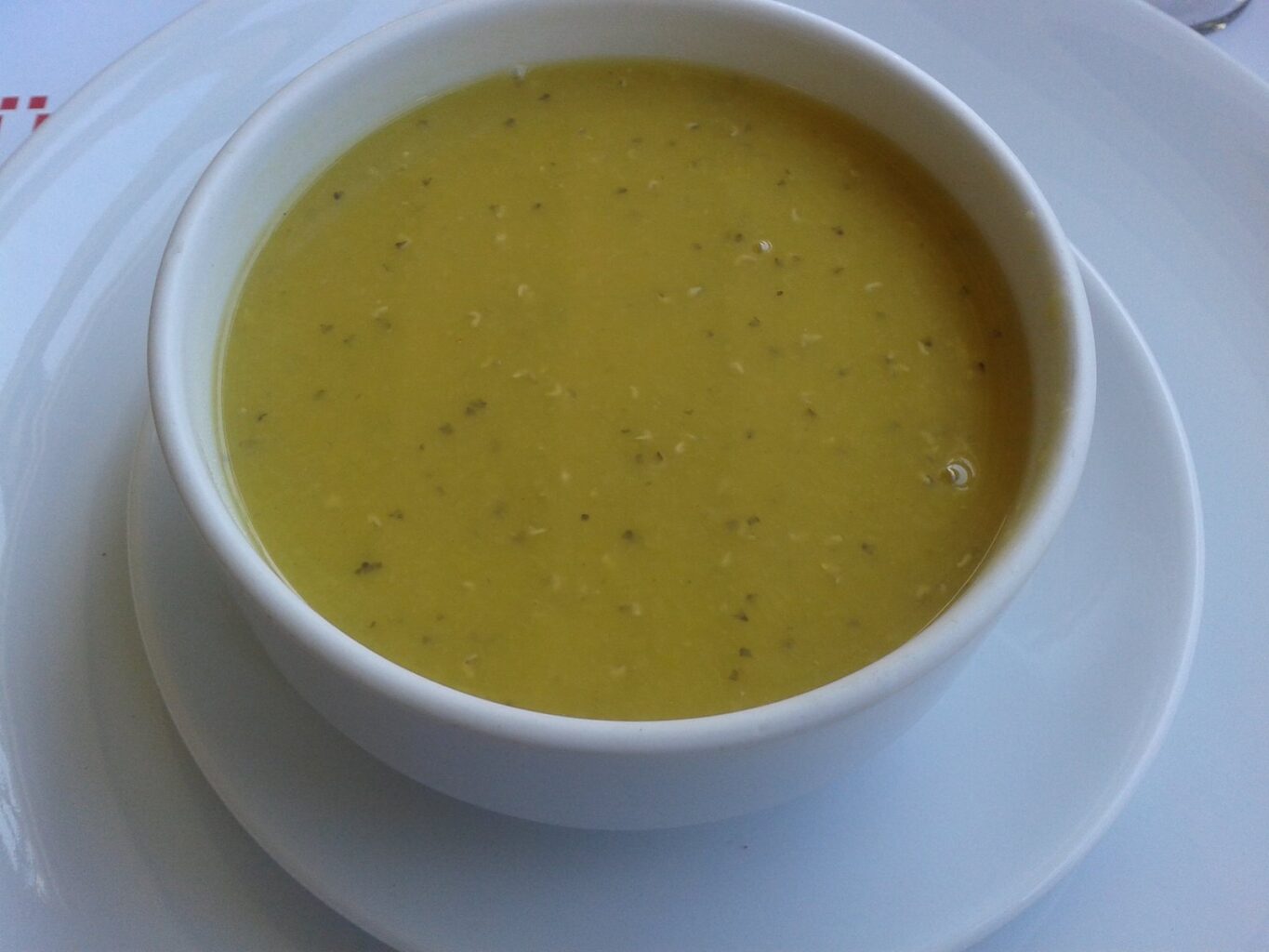
At the top of the avoid-for-a-week list, sadly, is your favourite seeded bagel. Sesame and poppy seeds, and anything else that small, slip into the socket and refuse to leave. Nuts, sunflower seeds, crisps, crackers, hot and spicy food, very hot drinks and alcohol are on the same list. After a week, most people are back to eating whatever they like.
Dry Socket: Watch Out for Pain That Shows Up on Day Three
The normal pattern goes like this: pain is at its worst for the first two days, then eases a little every day. But if on day three or four it suddenly gets worse instead of better, throbs up into your ear and temple, and comes with a nasty taste and smell, think dry socket (alveolar osteitis). The clot has broken down too early and the bone is exposed. It's more common in smokers, in the lower jaw and after difficult extractions.
Dry socket isn't something to tough out at home on painkillers. You come in, we rinse the socket and pack it with a soothing dressing, and most patients feel relief before they even get up from the chair. The dressing may need changing once or twice over the next few days.
Call us straight away if you notice
- Bleeding that won't stop after pressing on gauze twice.
- A temperature above 38°C, or shivering.
- Swelling that keeps growing after day three instead of going down, or pus coming from the socket.
- Difficulty swallowing or breathing. In that case, don't wait: go straight to A&E.
- Numbness that's still there the next day, or ongoing tingling in the lip, chin or tongue.
A word on that last one. In the lower jaw, if the root sits very close to the nerve canal, you may have reduced feeling in your lip or tongue after the extraction. It's uncommon, and most cases recover on their own within weeks or months. The whole point of planning with a CBCT scan is to spot that risk early and talk it through with you. In high-risk cases there are more cautious options, such as removing only the crown of the tooth and leaving the roots in place.
How Long Does Healing Take, and When Can I Go Back to Work?
Most people with desk jobs are back at work after two or three days. If your job is physically hard, we suggest a bit longer off. Dissolvable stitches fall out on their own; the rest come out at your check-up after 7 to 10 days. The gum closes over in two to three weeks, while the bone in the socket fills in over a few months. Until then it's normal to feel a little hollow there and for food to get caught. A rinse with warm water after eating is all it needs.
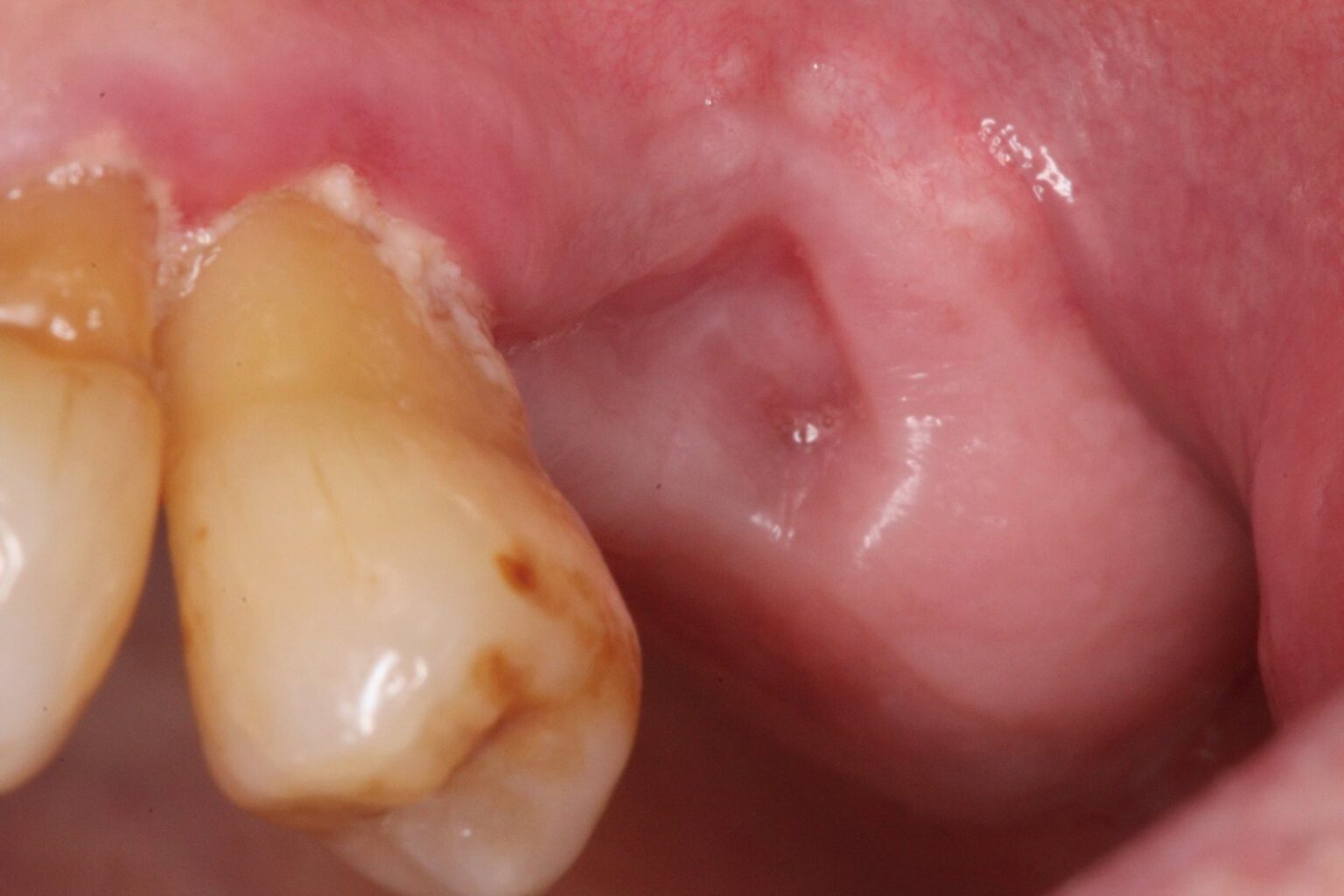
Age matters too. Between 18 and 25 the roots aren't fully formed yet, the bone is more forgiving and healing is usually quicker. After 35, the same extraction can be a bit tougher. So leaving a tooth that needs to come out for another ten years, just because "it doesn't hurt anyway", won't make the job any easier.
What Happens If You Leave It? Saving the Tooth in Front
When a tilted wisdom tooth is left for years, the biggest bill usually lands not on the wisdom tooth but on the second molar in front of it. Decay that starts in that unreachable corner between the two may already have reached the nerve by the time anyone spots it. At that point the conversation turns to root canal treatment, and sometimes that tooth is lost as well and we end up discussing an implant. A deep pocket opening up between the two teeth also brings bone loss and bleeding to the area; we wrote about this in our articles on bleeding gums and gum recession.
In short, the problem isn't really the tooth on its own. It's how it gets on with the neighbours. A good X-ray and a five-minute examination will tell you which side of the line you're on.
Getting Ready for Extraction Day: A Short Checklist
- Write down every medicine you take, supplements included, and bring the list with you.
- Have a light breakfast. We see plenty of patients who turn up on an empty stomach and go dizzy in the chair.
- Bring someone to take you home, especially if you're having sedation.
- Have an ice pack ready at home, or a bag of peas in the freezer.
- Stock the fridge with yoghurt, rice pudding and custard. You won't want to go to the shops on day one.
- If you can, stop smoking the day before.
- Got an important meeting, exam or wedding coming up? Don't book the extraction less than three days before it.
- Book your follow-up appointment on your way out.
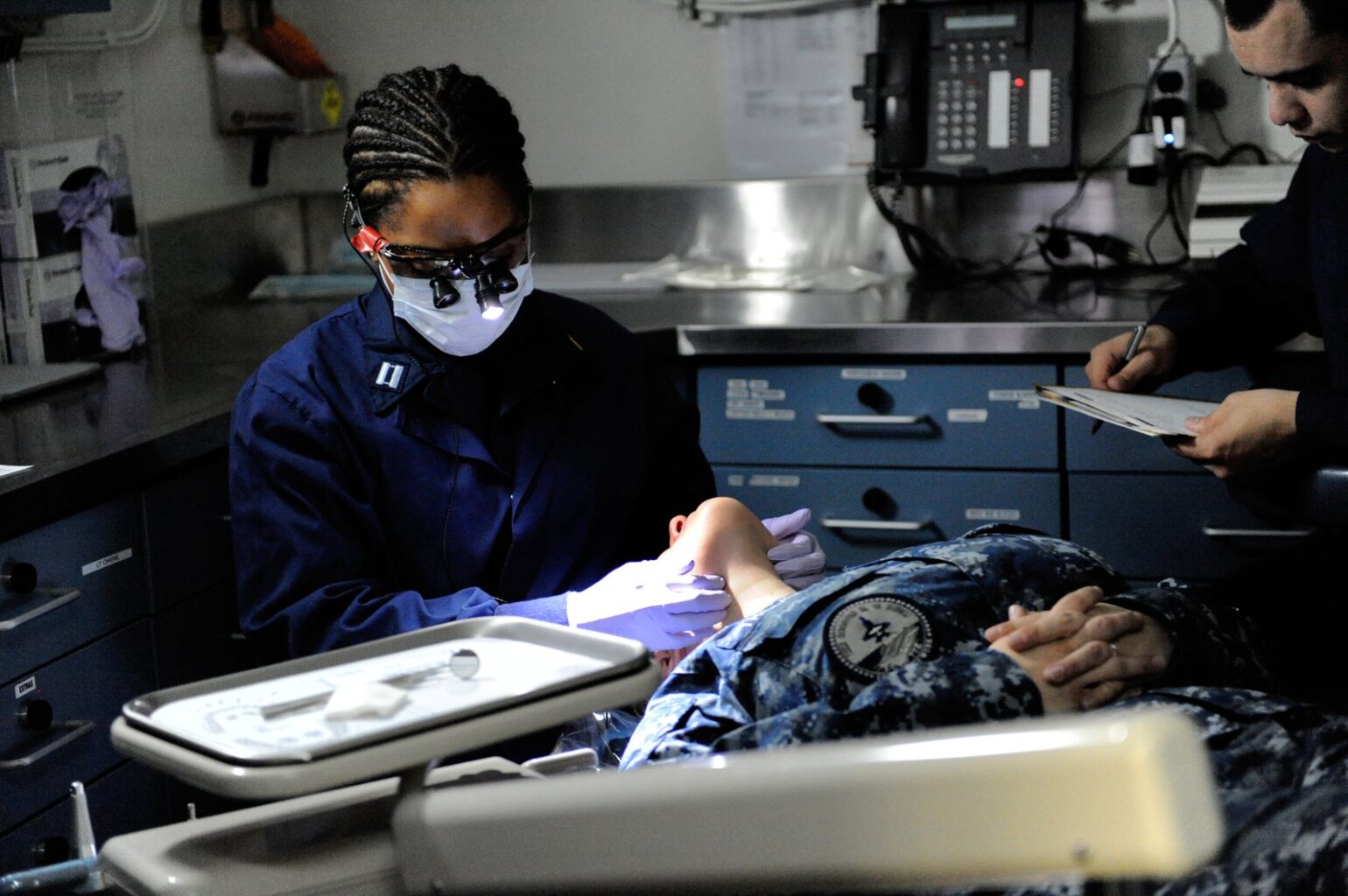
Back to our exam-week student. He sat his exams, and a week later he came back on his own to have the tooth on the other side out. This time he brought his own ice pack. If your wisdom tooth is bothering you, or you'd simply like to know what it's up to, come in with your X-ray and we'll work out together whether it needs to come out.
Frequently Asked Questions
Does wisdom tooth extraction hurt?
Because the procedure is done under local anaesthetic, you feel pressure rather than pain during the extraction. There can be some pain for the first two days once the numbness wears off; if you take the painkiller your dentist recommends before the numbness goes, most patients find it easy to keep under control.
How long does swelling last after wisdom tooth removal?
Swelling starts the day after the extraction, peaks on the second and third days and has mostly gone down within a week. Applying something cold in 15-minute rounds for the first 24 hours and sleeping with your head raised both help to reduce it.
What can I eat after wisdom tooth extraction?
Nothing until the numbness wears off. On the first day, go for cold, soft foods such as yoghurt, rice pudding, custard, ice cream and mashed potato. From day two you can move on to soft meals like lukewarm soup, eggs and pasta. Avoid seeded bread, seeds, nuts, spicy food and very hot food for a week.
When can I smoke after a tooth extraction?
It is best not to smoke for at least 72 hours. The smoke and the sucking motion can dislodge the blood clot in the socket and lead to dry socket. Dry socket and slower healing are both more common in smokers.
What is dry socket and how do I know if I have it?
Dry socket happens when the blood clot in the extraction socket breaks down too early and leaves the bone exposed. It usually shows up on day three or four as pain that gets worse when it should be easing, spreads to the ear and comes with a bad taste in the mouth. Your dentist treats it by cleaning the socket and placing a soothing dressing.
Do all wisdom teeth need to be removed?
No. Wisdom teeth that have come through straight, can be cleaned, have no decay and cause no symptoms can stay in and be monitored with regular check-ups. Removal is recommended for recurring infection, decay, damage to the tooth in front, a cyst or orthodontic planning.
Can wisdom tooth extraction cause nerve damage?
In the lower jaw, if the root sits very close to the nerve canal, there may be reduced feeling in the lip, chin or tongue afterwards. This is uncommon and usually recovers on its own within weeks or months. The risk is assessed beforehand with a panoramic X-ray and, if needed, a 3D cone beam CT scan.
Can all four wisdom teeth be removed at once?
If the position of the teeth, your health and your preference allow it, they can be removed in one session; in that case sedation or general anaesthesia are discussed as well. Most patients, though, have the right and left sides done in separate sessions, so there is always one comfortable side to chew on.